
Hera's Laws of the Sky - Invention 001 of 100
The first constitution for the skies: turning chaotic airspace into an ordered, shared world.


The Sky Before Law
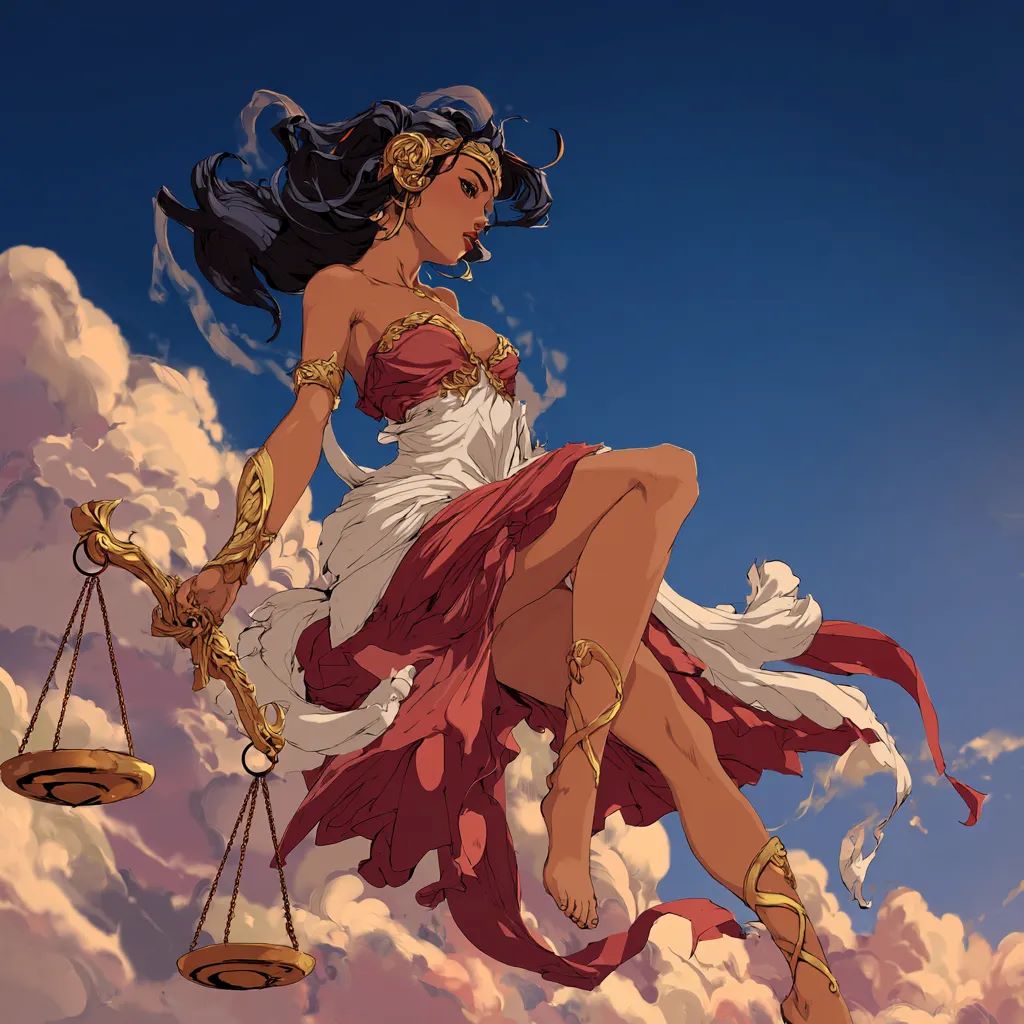
For most of human history, looking up meant freedom. The sky was a boundless expanse — untouched, ungoverned, a poetic canvas for dreamers and engineers. But frontiers never stay empty. The air above us is no longer the domain of rare commercial jets or weather balloons. It’s filling with something far more personal and constant: us.
Commuters, couriers, medics, photographers, tourists, farmers, hobbyists — soon they’ll all share the same three-dimensional space. Not in the distant Jetsons future, but now. Between my Dragon Wings flight technology, the Duamagnetic Motor’s limitless energy, and the rapid rise of drones and AI-assisted logistics, we’re on the threshold of an airborne civilization.
And yet there is no order. No grid. No code.
Already, hundreds of thousands of drones zigzag over rooftops without knowing what the others are doing. Delivery craft improvise routes. Helicopters rely on eyesight. Pilots dodge obstacles by instinct. This is not a system. It’s the Old West in the sky. And no technology — no matter how advanced — can flourish in a lawless medium.
Roads didn’t limit cars; they made them possible. ZIP codes didn’t slow mail; they made delivery predictable. Wi-Fi protocols didn’t cage the internet; they made it scale. The sky needs the same foundation. The question is: who writes its first constitution?
My answer is Hera.
The Mythic Frame
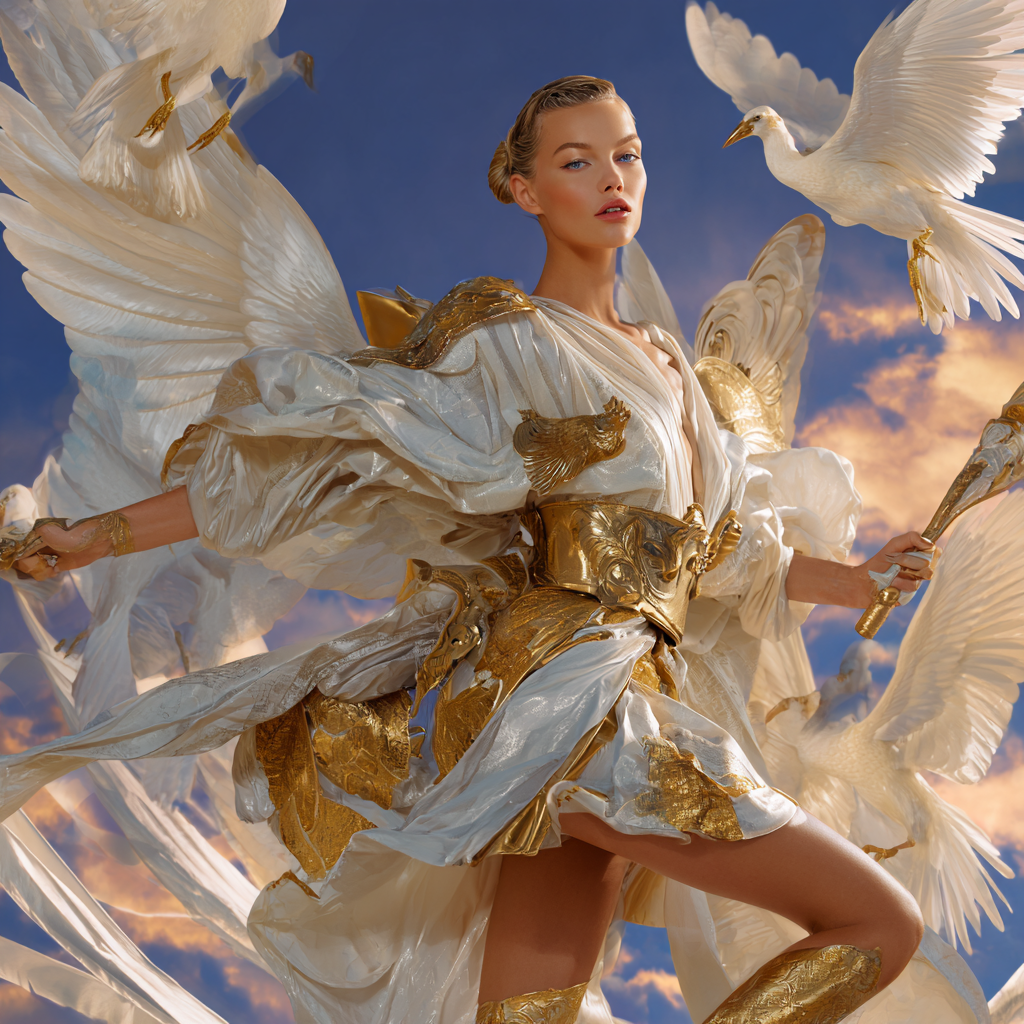
In Greek myth, Hera was the queen of the gods — a figure of power, order, and sovereignty. In my reinterpretation, she becomes the ruler of aerial civilization. She is not the goddess of restriction, but the architect of participation. She creates rules so that all can fly without chaos. She elevates rather than confines.
Hera’s Laws are not bureaucratic red tape. They are the choreography of the sky — turning millions of independent flights into a shared ballet. Every altitude, every angle, every lane has meaning and purpose. The result is not just safety, but beauty.
From Chaos to Choreography
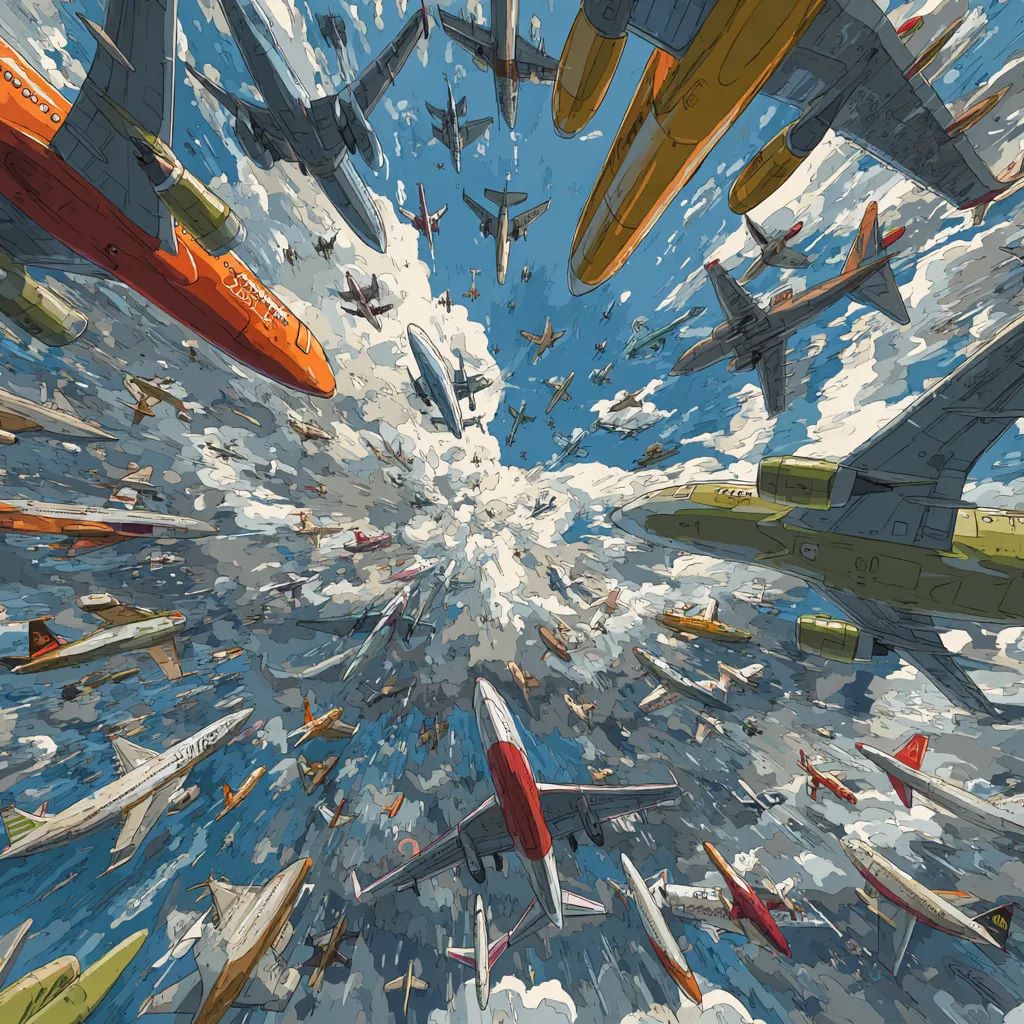
Every leap in transportation has required structure. Horse trails became roads. Roads became highways. Oceans gained shipping lanes. Even the internet needed a common language to grow. The difference now is that the sky isn’t just horizontal — it’s volumetric. It requires a framework that organizes altitude, direction, speed, and purpose into a coherent whole.
Hera’s Laws do this through a set of innovations: a three-dimensional Air Grid, color harmonization through Sky Blue Stealth, vertical takeoff etiquette, AI override reflexes, skyborne parking, recreation zones, and public access policies. Each element works together to make the sky safe, quiet, equitable, and beautiful.
This is not militarized control. It’s a civil contract — the terms by which we agree to share the heavens. In Hera’s Sky, flight becomes not a gamble, but a guarantee. You rise not into danger, but into orchestration.
The age of aerial law is here. And if we get it right, the sky will not just belong to everyone — it will welcome everyone.
The Air Grid — Backbone of Hera’s Sky
Roads in the Sky

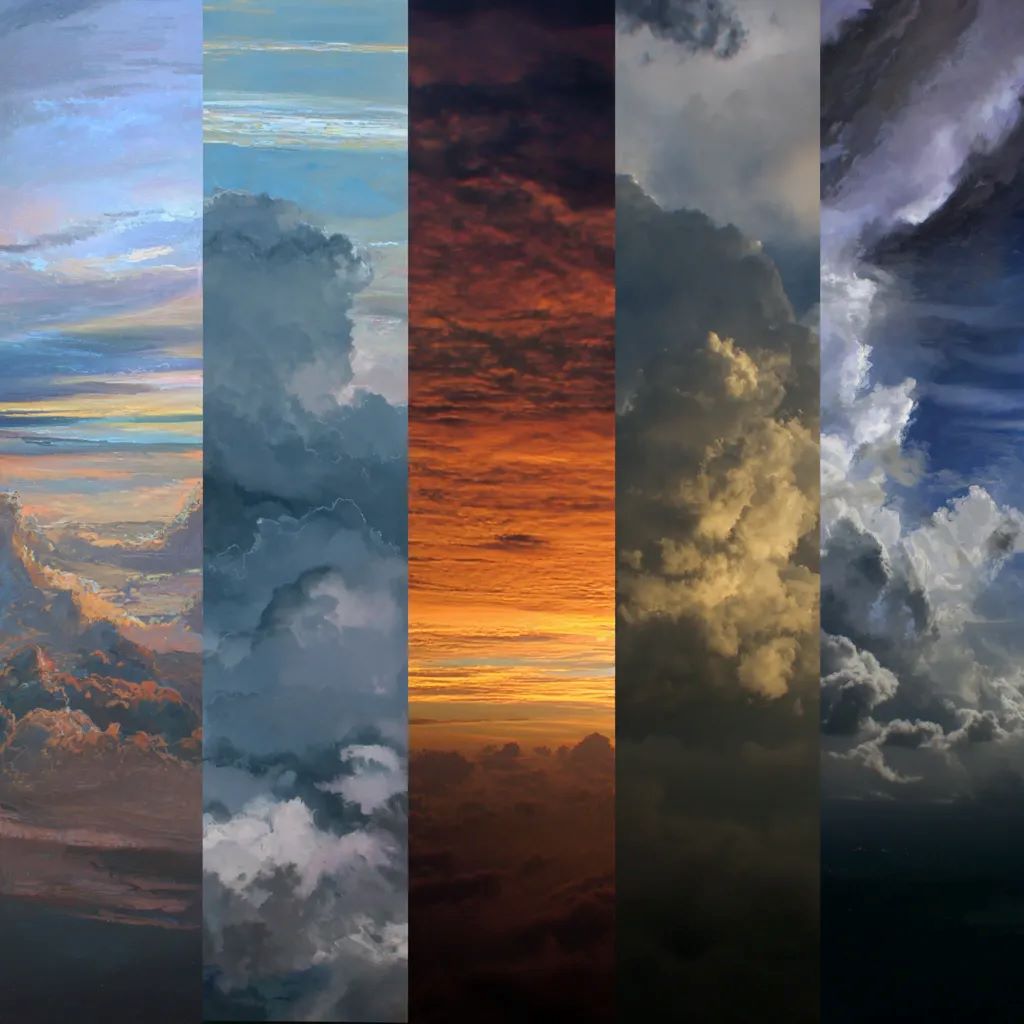
Highways of the clouds — the imagined shape of Hera’s Air Grid, where invisible lanes and layered altitudes turn open sky into the structured roads of an aerial civilization.
Every transportation revolution has relied on an underlying structure. Footpaths became roads. Roads became highways. Railways carved fixed lines across continents. The internet grew only after protocols gave it order.
The sky is no different — except it is far more complex. It’s not a flat map; it’s a layered, three-dimensional ocean. In a realm without physical barriers, structure must come from something else entirely: shared rules, visible to no one yet obeyed by all.
Hera’s Air Grid is that invisible infrastructure — a lattice of altitude layers, directional lanes, and AI-enforced angles that turns open air into navigable space. It’s the nervous system of aerial civilization.
The 100 Hera Angles
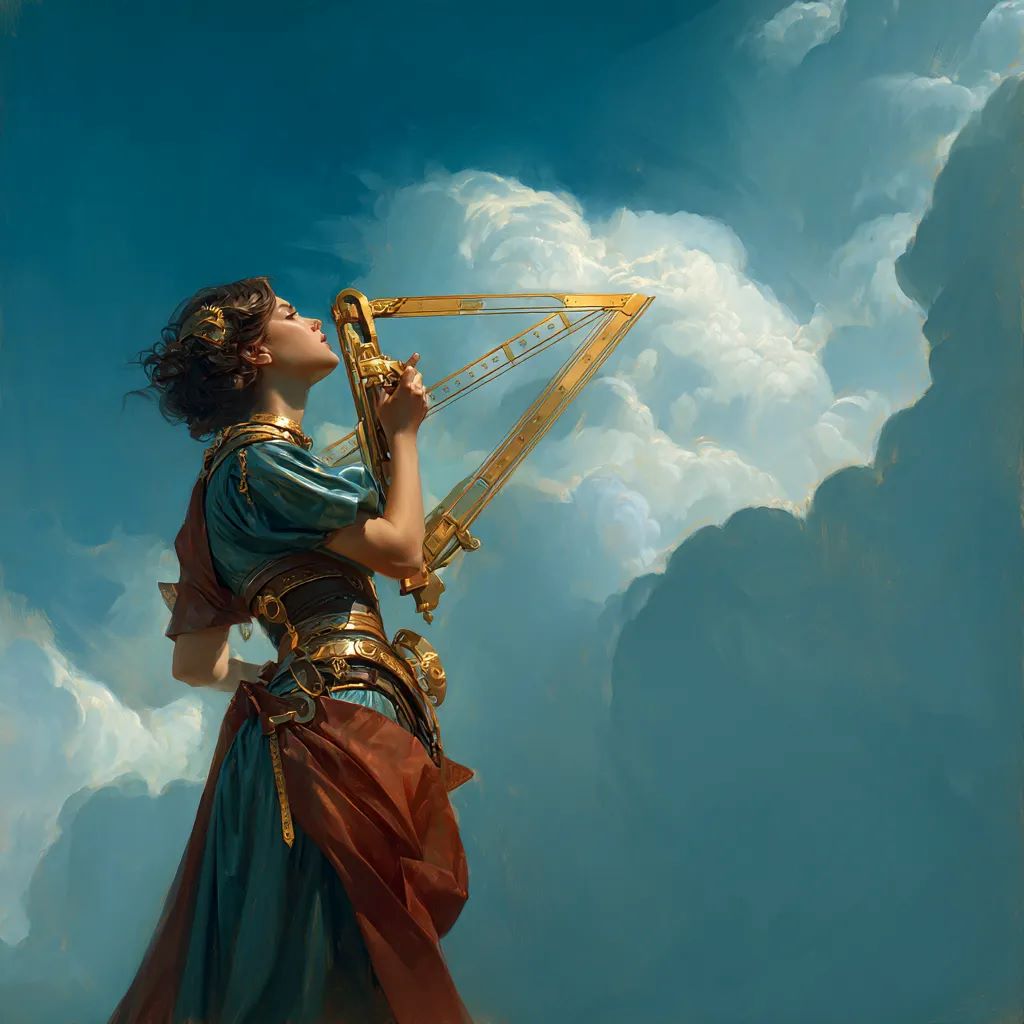
Traditional navigation relies on the 360° compass — a relic of ground and sea travel. On land or water, infinite headings are manageable. In the air, they are a liability. Too many possible headings make traffic unpredictable, and every crossing angle becomes a potential collision.
Hera replaces this with the 100 Hera Angles — a fixed set of mathematically optimized flight vectors. These are not arbitrary bearings; they’re chosen for maximum spacing, predictable separation, and clean intersections. Like one-way streets in the sky, they simplify routing and make every intersection intentional.
Crucially, these angles are vertically aligned. Each altitude layer shares the same directional layout as the one above and below it, so traffic moving in the same heading is stacked in perfect vertical columns. This allows the Air Grid to scale density by adding altitude without ever changing the geometry. A northeast-bound lane at 2,000 feet is directly under the northeast-bound lane at 3,000 feet, with both following the same heading, speed, and flow rules.
For pilots, this means no wandering headings and no guessing where other craft will be. If you’re flying northeast, you’re in a lane that is part of a continuous vertical column of northeast traffic, and every other aircraft in that column is moving exactly as you are. Deviations are impossible — the AI won’t allow it.
This isn’t limitation for its own sake. It’s geometry as safety. And cleaner geometry means a safer, more beautiful sky.
The Altitude Stack
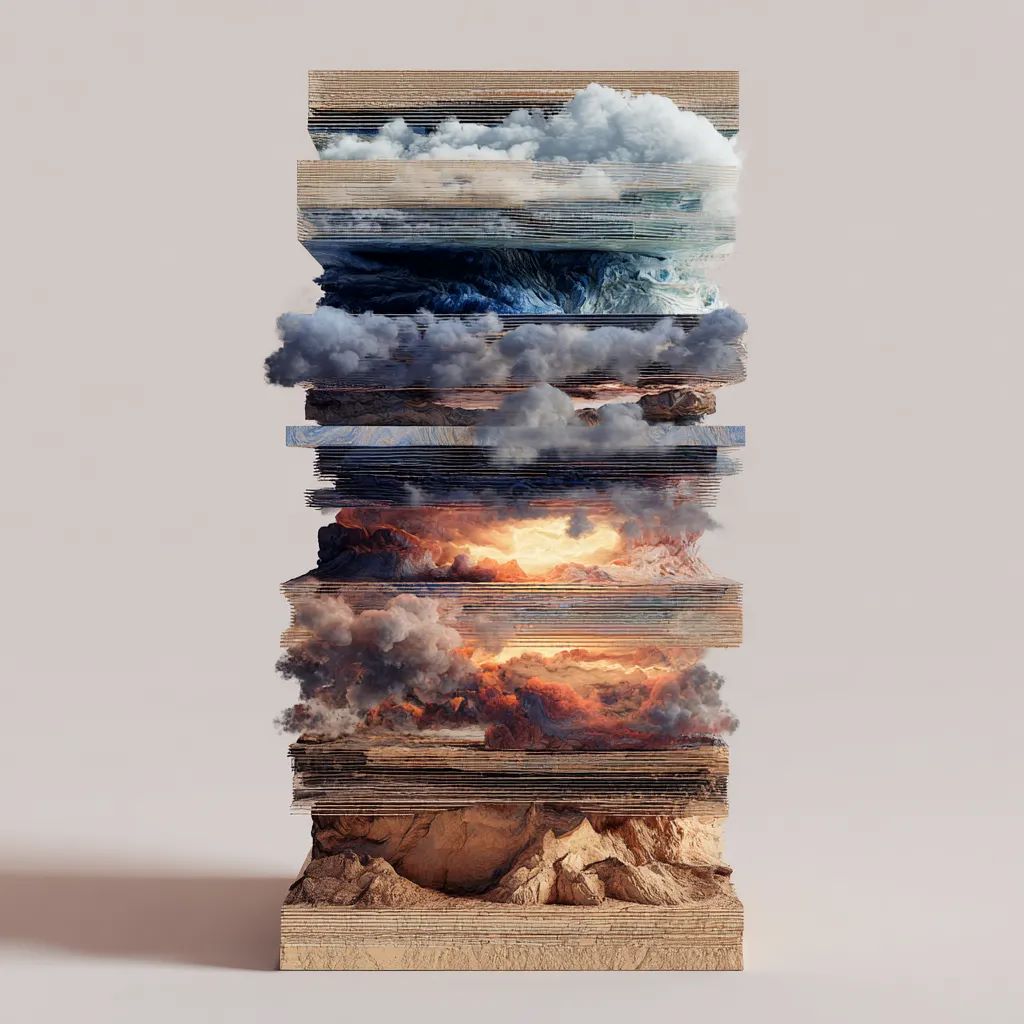
Direction alone doesn’t solve the whole puzzle. Thousands of craft can still be on the same heading at once. That’s where the Altitude Stack comes in — a vertical zoning system that assigns specific heights for specific purposes.
Imagine the sky as a skyscraper:
- One layer for outbound commuter traffic.
- One for inbound.
- One for high-speed cargo.
- One for low-speed sightseeing.
- One for emergency response, kept perpetually clear.
- One for wildlife corridors, tuned to migration patterns.
These layers keep unlike traffic from mixing, just as highways separate bicycles from eighteen-wheelers. And because altitude is managed in real time by AI, the stack can flex — widening cargo lanes at rush hour, opening extra commuter layers during festivals, or lowering emergency corridors in bad weather.
The AI Enforcer
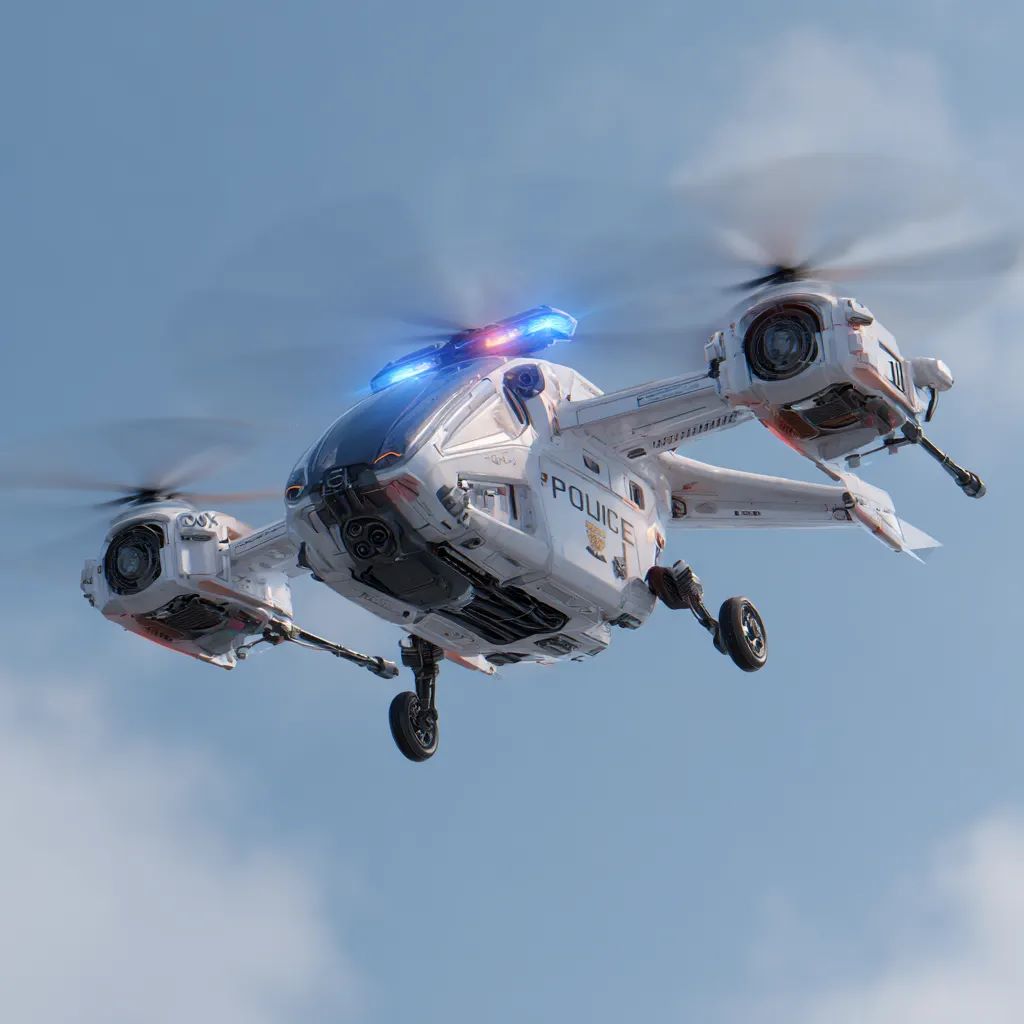
No human — not even the best pilot — can manage this complexity at scale. The Air Grid is designed to be AI-directed. You can still sit in the cockpit, but the AI is the ultimate arbiter of your path. It ensures compliance with Hera Angles, maintains your assigned altitude, and reroutes you instantly if hazards appear.
This is less about taking control away and more about creating a universal language of movement. When every craft speaks the same geometric dialect, misunderstandings vanish.
The Invisible Grid
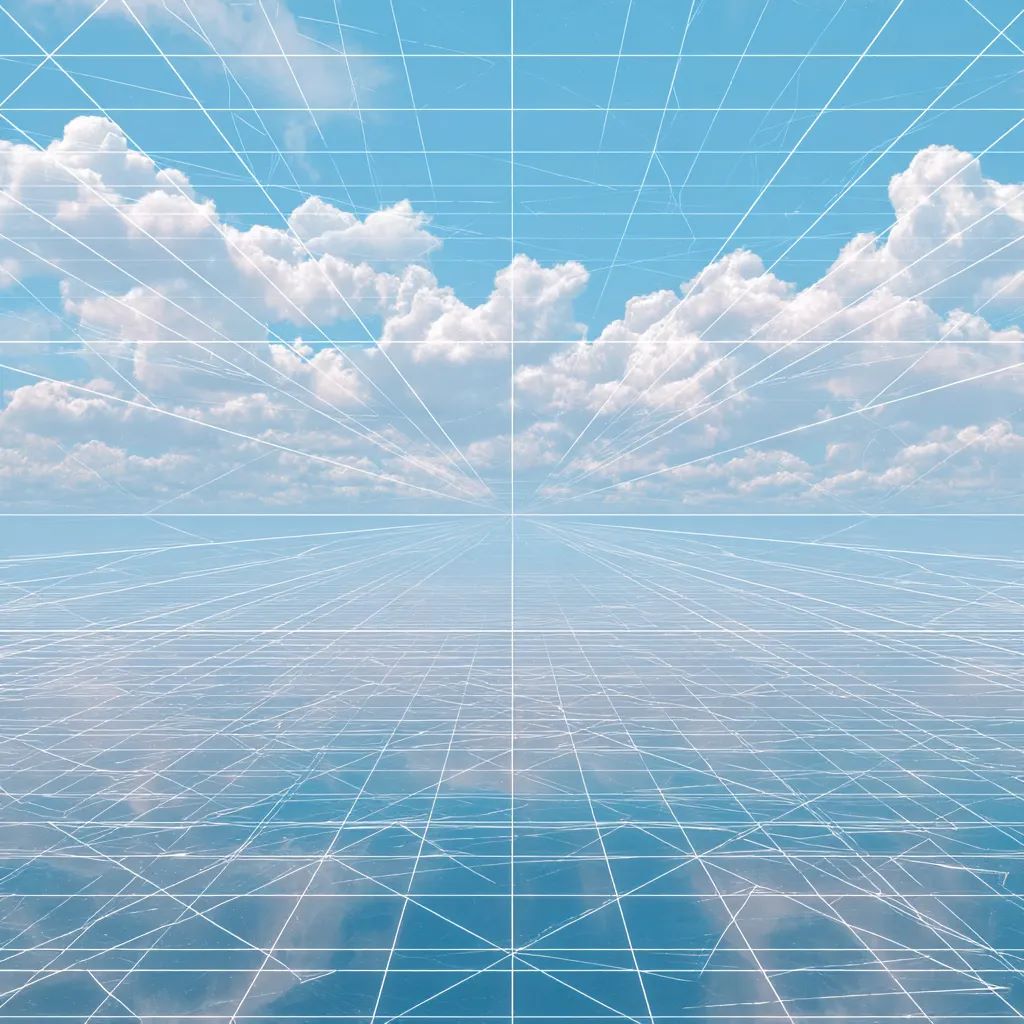
One of the Air Grid’s most striking qualities is that it doesn’t physically exist. There are no painted lines in the sky, no glowing highways overhead. It is pure software — yet as absolute as steel.
Your craft knows where it is in the grid, even if you can’t see it. It knows the nearest safe lane, the precise moment to turn, the exact altitude for your purpose. The moment you enter Hera’s Sky, you are inside a shared map that exists only in algorithms — but binds every participant equally.
It’s the difference between chaos and choreography.
Freedom Through Form
To some, this will sound like restriction. But Hera’s Air Grid isn’t a cage — it’s a permission system. It removes the danger of random crossings, unannounced altitude shifts, and unpredictable headings. In doing so, it unlocks the freedom to fill the sky without fear.
Without it, aerial civilization is impossible. With it, we can have cities where tens of thousands of craft move overhead in silent precision, each following an unseen path, never clashing, always flowing.
That’s the promise of the Air Grid: not just to make the sky safe, but to make it beautiful.
Sky Blue Stealth — Making Flight Invisible and Beautiful
The Sky’s Mood Matters
People don’t dislike drones because they’re inherently dangerous. They dislike them because they’re disruptive. They buzz, they flash, they hover like mechanical wasps. Their presence feels industrial and out of place in a space that has always been soft, shifting, and alive with gradients.
Public resistance to mass aerial traffic won’t be about safety statistics — it will be about how it feels to have machines overhead. If flight looks and sounds mechanical, people will vote it out of their lives. If it blends into the atmosphere, they’ll forget it’s there.
Camouflage as Courtesy
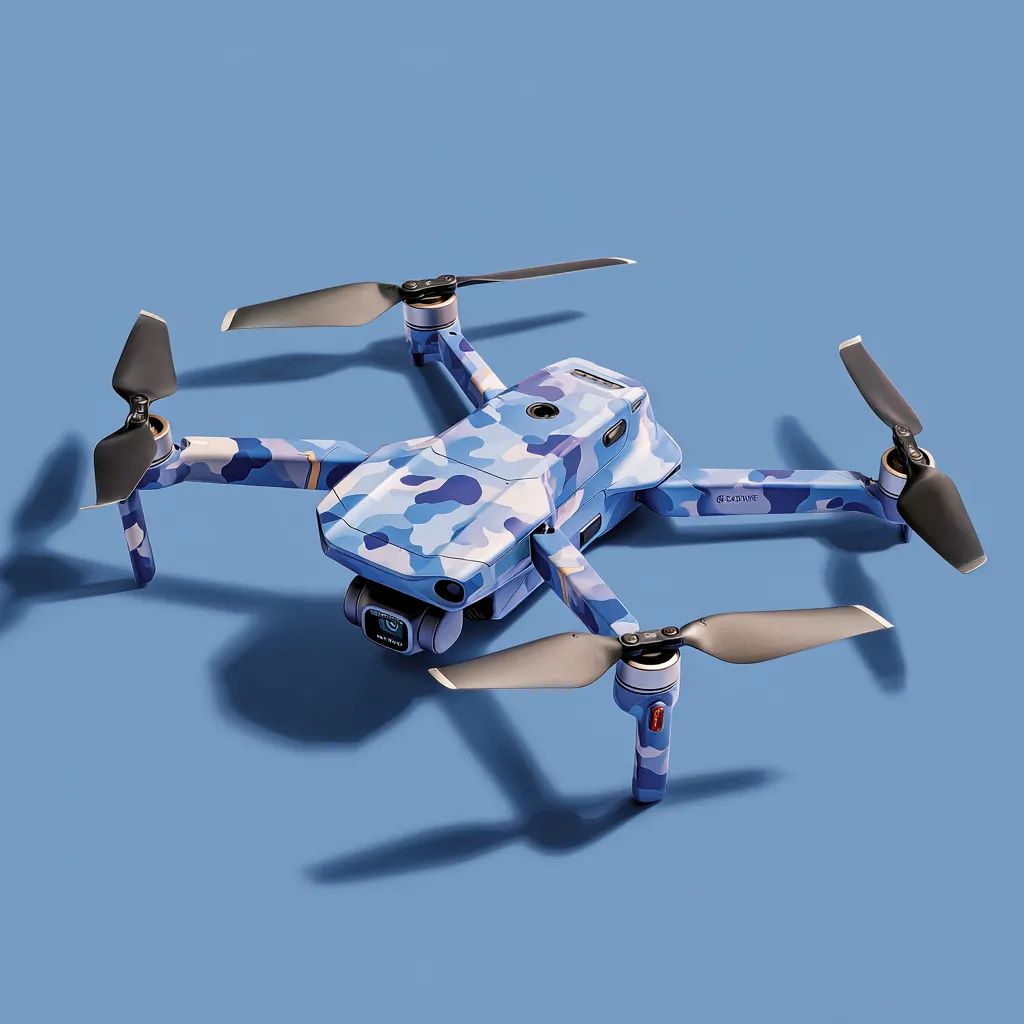
Sky Blue Stealth solves this with the simplest possible approach: three coats. A blue coat for daylight skies. A white coat for cloud cover. A black coat for night. No exotic light-bending polymers. No 50-shade palettes tailored to time-of-day data. Just a small set of ultra-basic, high-coverage paints that achieve 90% of the effect for 10% of the cost.
The goal isn’t perfect invisibility — it’s psychological disappearance. A daytime blue craft vanishes into the horizon unless you’re looking for it. A cloud-white one gets lost against overcast. A black one blends into the night sky. For civilian delivery fleets, it’s an easy, inexpensive standard that keeps the public’s focus on their lives, not on what’s above their heads.
And when paired with Dragon Wings rotor geometry — which replaces the harsh, high-pitched drone buzz with a softer, windmill-like whoosh — the effect multiplies. You don’t just lose sight of the aircraft; you lose the sound of it as well. Instead of the mechanical whine that makes people glance up in annoyance, you hear something closer to air moving through trees. Visual harmony and acoustic softness work together, erasing the two main triggers of public irritation in one stroke.
Military Application
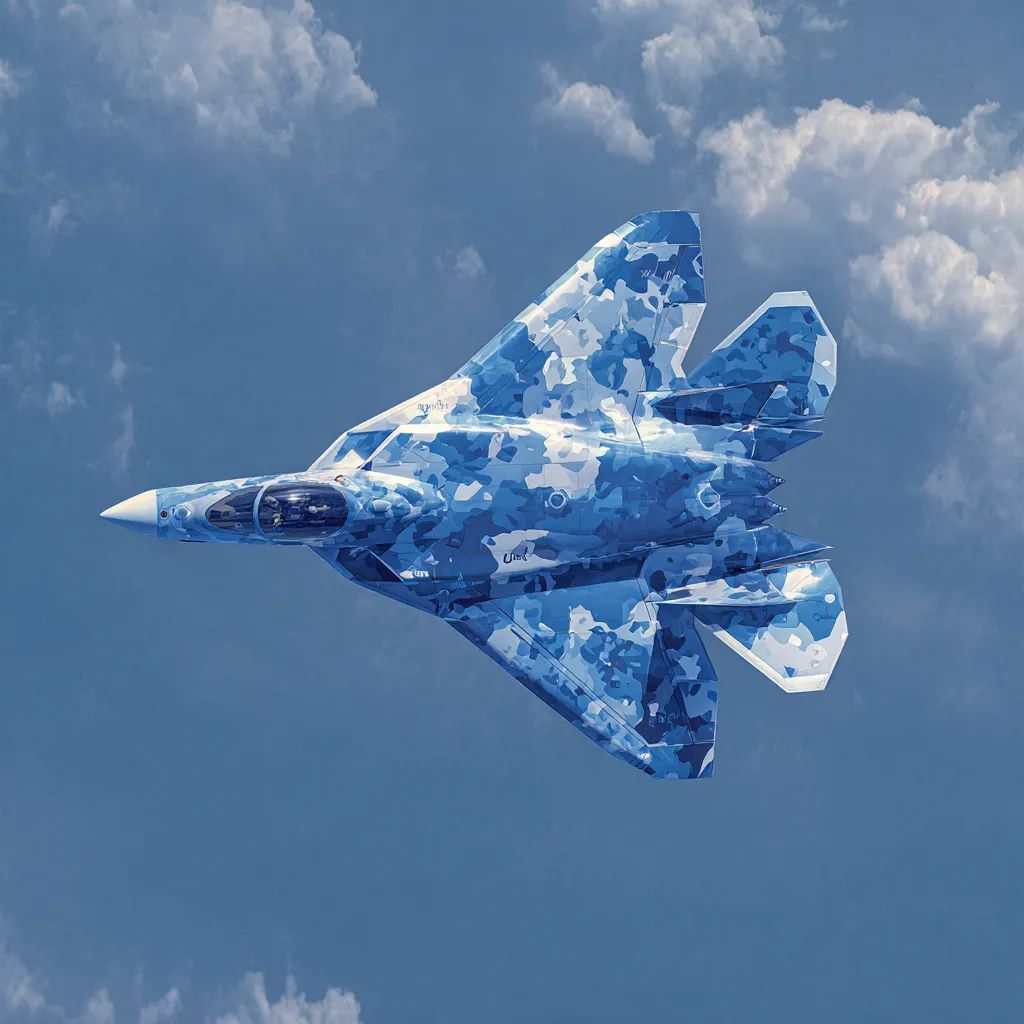
There’s a separate, more strategic layer to Sky Blue Stealth. Military aircraft can be coated for visual stealth — invisible to the naked eye at range — while remaining fully visible to radar. This ensures they can approach without drawing human attention while still registering on friendly systems. It’s not about vanishing from the fight; it’s about avoiding the eyes of those not meant to see.
From Machine to Sky Spirit

The magic here is cultural, not technical. A drone that doesn’t stand out doesn’t feel like an intrusion. A low-noise Dragoncopter in Sky Blue Stealth is less a machine and more a “sky spirit” — present, but part of the environment.
And that’s the point: if the public sees flight as a seamless part of the sky, they’ll accept it. If they see a swarm of visible machines, they’ll reject it. Sky Blue Stealth makes sure we get the first outcome, without overcomplicating the tech.
Straight Up, Straight Down — Etiquette in Motion
The Problem with Today’s Flight Behavior
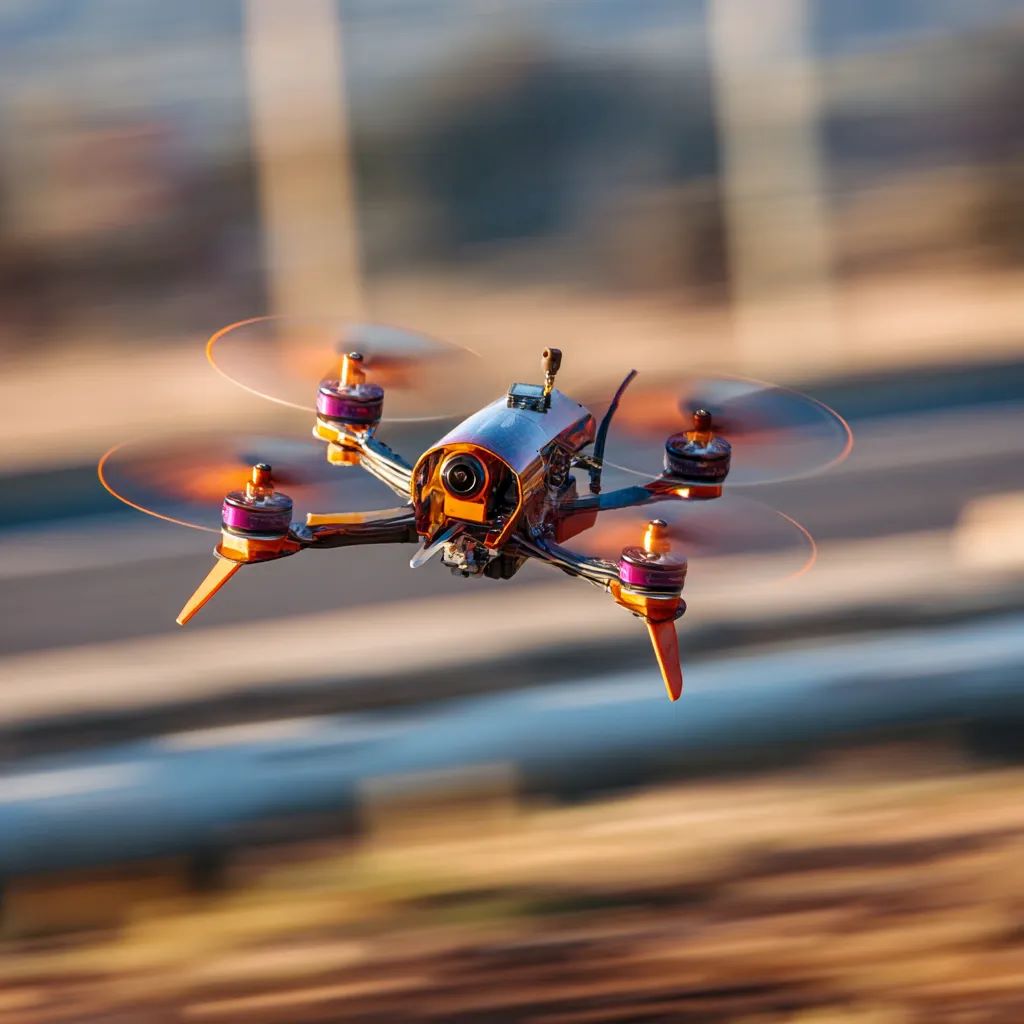
Modern drones and small aircraft don’t behave like dignified machines. They fidget, sway, dart sideways, and skim rooftops like oversized insects. They announce themselves with jittery movement and mechanical noise, and when they come near homes or people, they feel intrusive rather than impressive.
In an era where millions of these craft will share airspace, this isn’t just annoying — it’s unsustainable.
The Rule of Verticality
Flight becomes graceful when it moves like a column — straight up, straight down, never wandering.
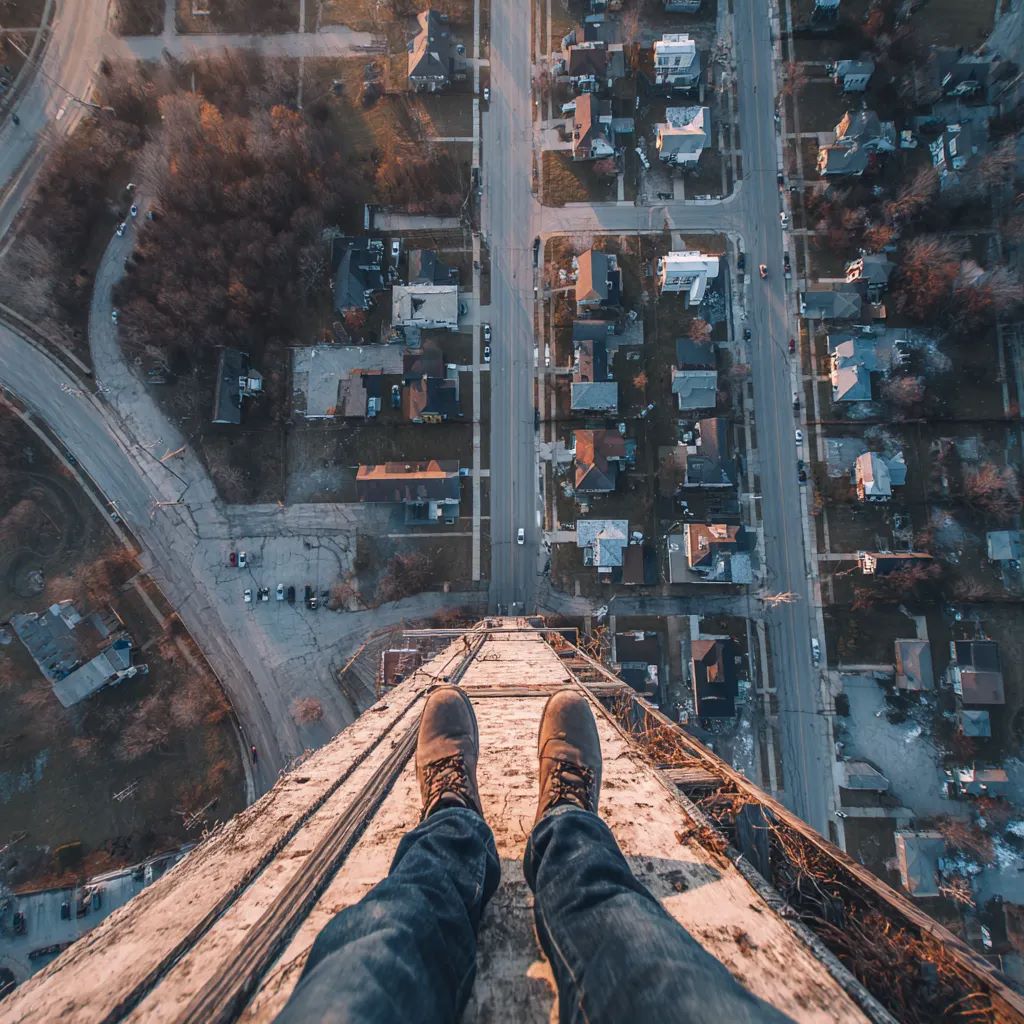
Hera’s Law replaces this chaos with one deceptively simple behavioral mandate: all takeoffs and landings must be perfectly vertical. No diagonals. No lateral creeping. No low-altitude zigzagging between houses.
Craft rise like a pillar of light, directly upward from their launch point into the public sky. They descend like a spear from Olympus, clean and deliberate, straight down into their designated zone.
This changes the entire personality of flight in populated areas. Verticality is elegance. Predictability is peace.
Corridors of Respect

In practice, every building, home, or landing site is assigned a vertical column — an invisible elevator shaft in the sky. Within that shaft, only ascending or descending motion is allowed. No cruising through it horizontally.
This eliminates the messy weave of low-altitude traffic that now plagues drone testing. It keeps noise, movement, and potential hazards neatly contained. And because these shafts are tracked by the Air Grid, AI can prevent two craft from occupying the same column at once.
The result: quiet neighborhoods, clear sightlines, and safer approaches.
Delivery Without Disruption

Imagine a Dragoncopter delivering a package. Under Hera’s Law, you don’t hear or see it until it’s directly overhead. It descends silently, completes its task, and rises back into the flow of the Air Grid. Your dog doesn’t bark, your neighbor doesn’t complain, and the sky never feels cluttered.
This isn’t just functional — it’s ceremonial. Every descent feels intentional, every ascent clean.
The Mythic Gesture

There’s a symbolic dimension here, too. In myth, gods don’t arrive by swooping sideways through the streets. They descend. Zeus from the clouds, Hera from the heavens. The vertical arrival is a gesture of presence and purpose.
By making that gesture the standard for all airborne craft, Hera’s Sky turns mundane comings and goings into something graceful and reassuring.
Why It Matters
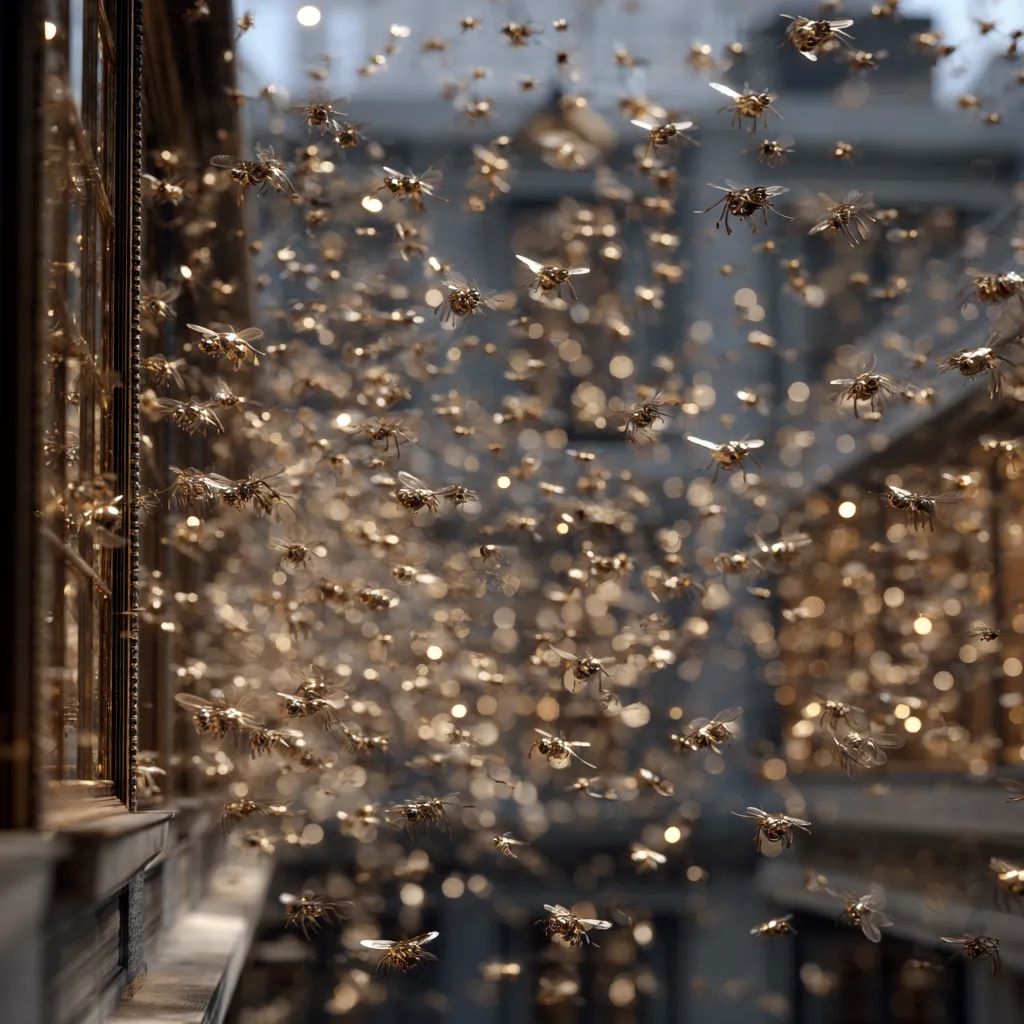
Without this rule, the skies over cities would degrade into a noisy, unpredictable mess — a swarm of metallic gnats buzzing between windows. With it, we preserve the dignity of the air as a shared civic space.
Straight Up, Straight Down isn’t just a flight protocol. It’s manners, geometry, and myth woven into one.
The Hera Override Reflex — Ending Mid-Air Collisions
A Deathless Sky
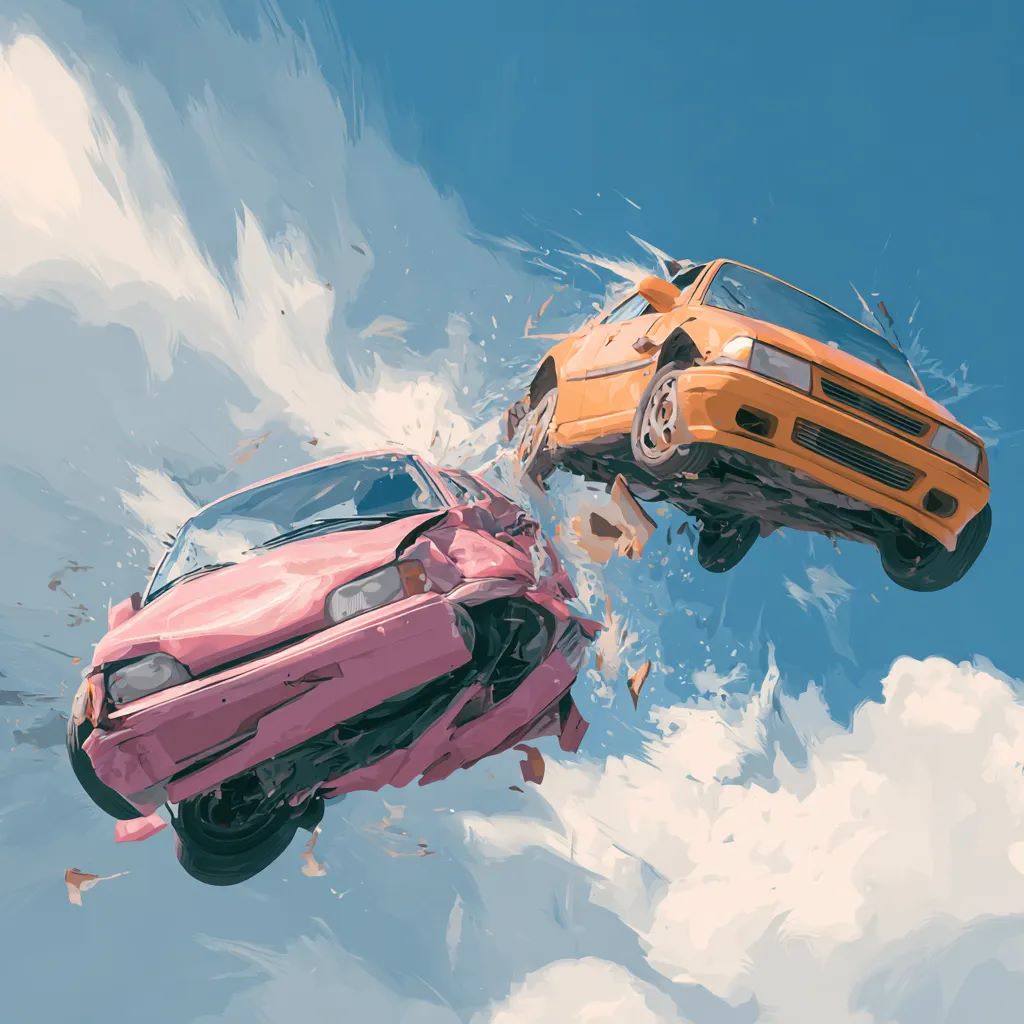
The greatest threat to aerial civilization isn’t storms, mechanical failure, or even sabotage. It’s the simplest thing: two craft trying to occupy the same space at the same time. In the air, there are no fender-benders. Every collision is catastrophic.
If millions of airborne vehicles are to share the sky, mid-air collisions must be reduced not to “rare,” but to impossible. Hera’s Laws make that the baseline expectation.
Goodbye to Freeform Piloting

In popular imagination, flying is about personal control — hands on the stick, total freedom of motion. But at scale, human piloting is a liability. We speed, we misjudge, we get distracted, and we make mistakes. On the ground, that’s bad. In the air, it’s fatal.
In Hera’s Sky, pilots still exist, but they don’t have ultimate authority. Every craft operates under AI guidance, with the ability to override human input instantly if danger is detected. It’s not about taking the fun out of flying — it’s about making flight survivable for everyone.
How the Override Works
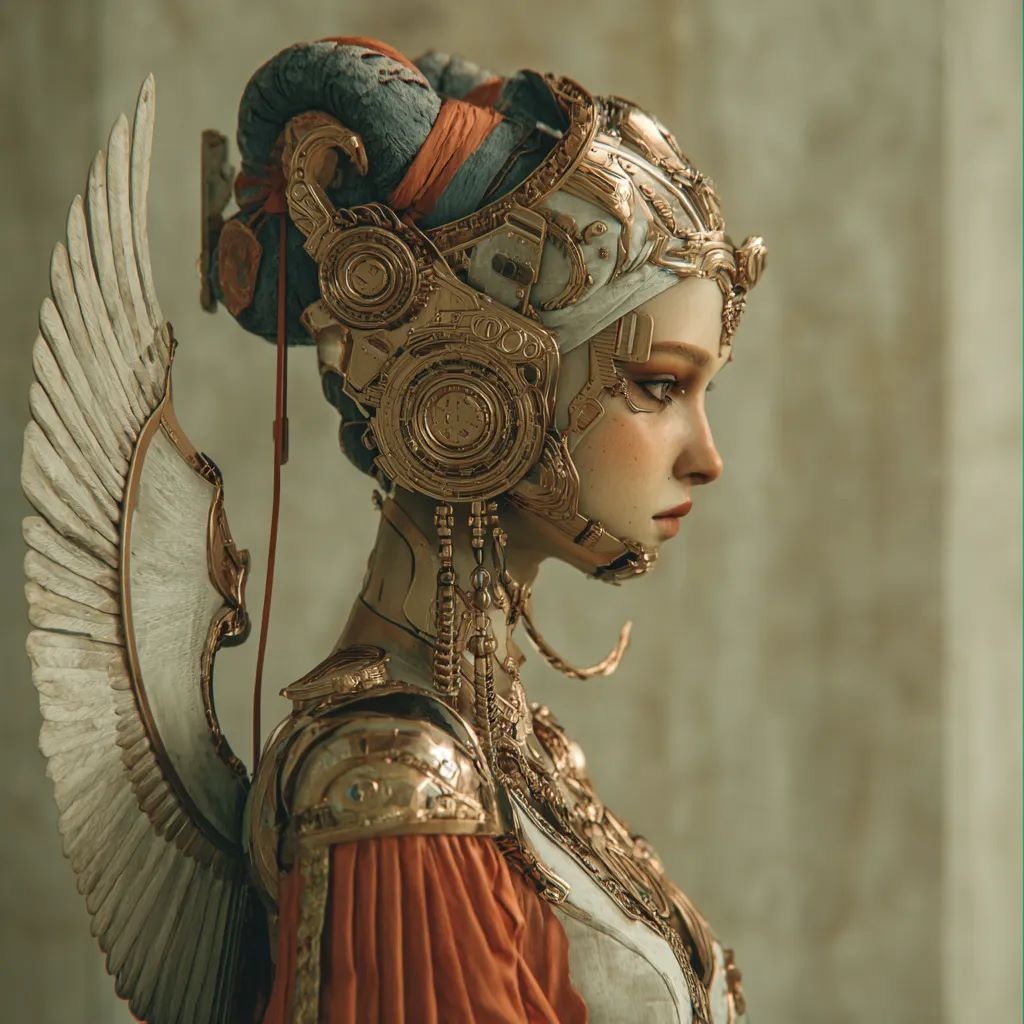
The Hera Override Reflex is a core law embedded in every compliant aircraft’s control system. It monitors position, speed, trajectory, and surrounding traffic in real time. If it detects a collision path — even seconds before a human could react — it takes command without hesitation.
The AI can change altitude, shift heading to a safe Hera Angle, adjust thrust, or stop forward motion entirely. Once the threat is gone, it hands control back to the pilot.
This is not a negotiation. In that moment, the machine’s will is absolute.
Redefining the Pilot’s Role
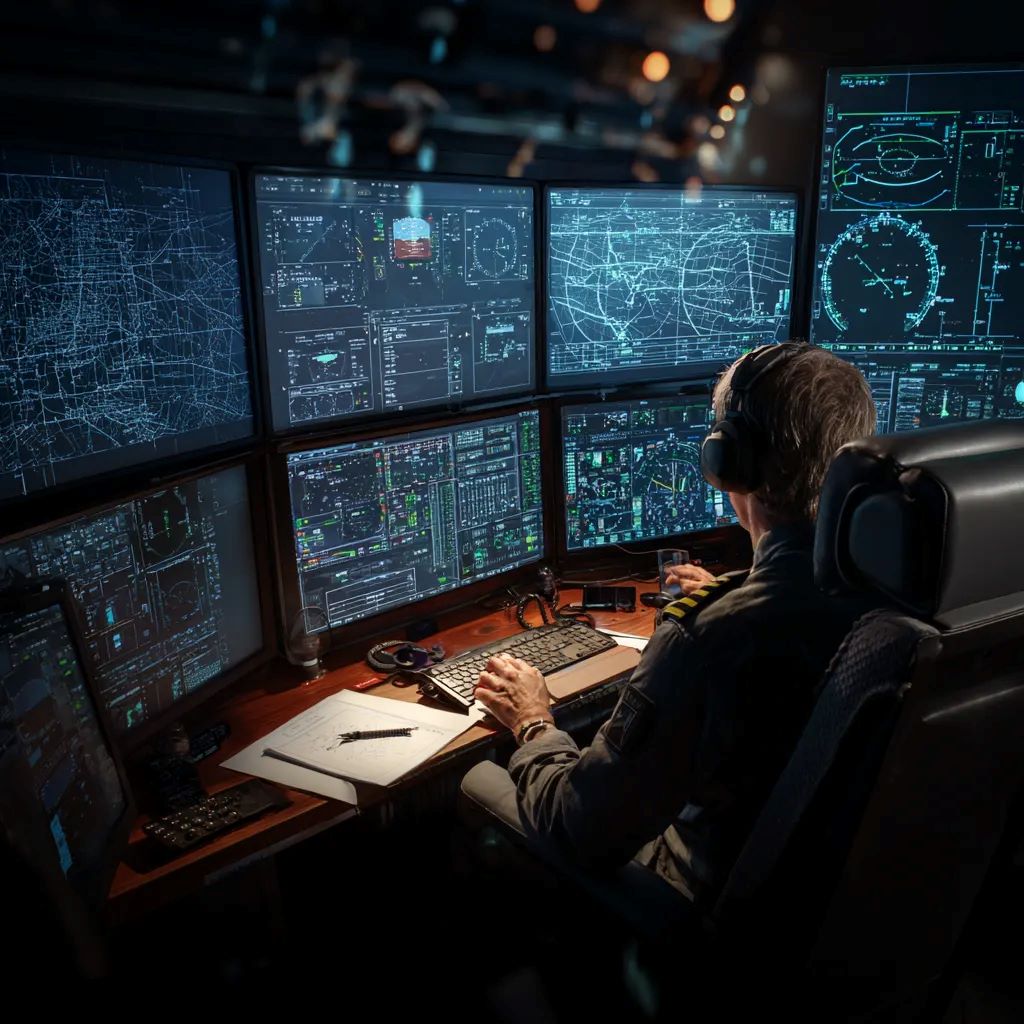
Under Hera’s Laws, a pilot becomes less of a driver and more of a mission designer. You choose destinations, preferred routes, scenic pauses, or special maneuvers within safe corridors. The AI executes that plan while ensuring it never violates the grid’s geometry or safety margins.
In practice, this makes flying smoother, not duller. Pilots spend more time shaping experiences and less time worrying about avoiding disaster.
Public Trust Through Certainty
The Override Reflex isn’t just about protecting passengers. It’s about making the public trust what’s above their heads. When people know that every craft in the sky has an incorruptible safety reflex, they stop fearing the chaos of mass aerial traffic.
That trust is the foundation on which the rest of Hera’s Sky can be built — commerce, recreation, emergency services, even sky-based architecture.
The Myth in the Machine

Hera, in myth, is a sovereign presence — serene but absolute. The Override Reflex is her divine hand in the controls, ensuring that her laws are never broken, no matter how reckless a human might be.
In Hera’s Sky, no craft falls because another made a mistake. No family gets the call no one wants to receive. Mid-air collisions become a relic of the past.
Recreation Zones — Where Joy Meets Order
Preserving the Joy of Flight
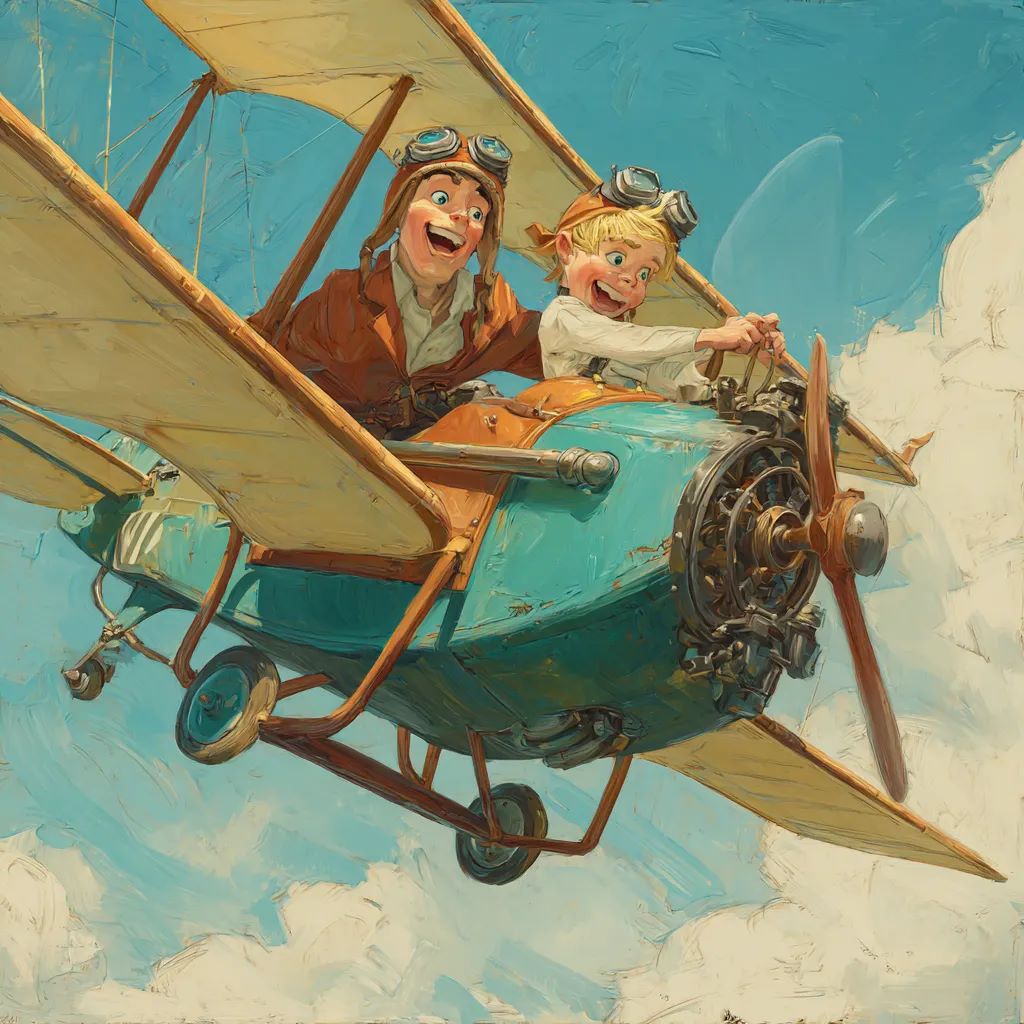
Hera’s Sky isn’t only about efficiency and safety. It also protects the emotional core of flying — the thrill of leaving the ground. But that joy can’t come at the cost of chaos in shared airspace.
The solution is designated recreation zones: vertical corridors and aerial parks set outside the busiest grid lanes. In these spaces, pilots can take manual control, perform loops and rolls, hover for sightseeing, or simply drift above a landscape without interfering with transport flows.
Structured Freedom
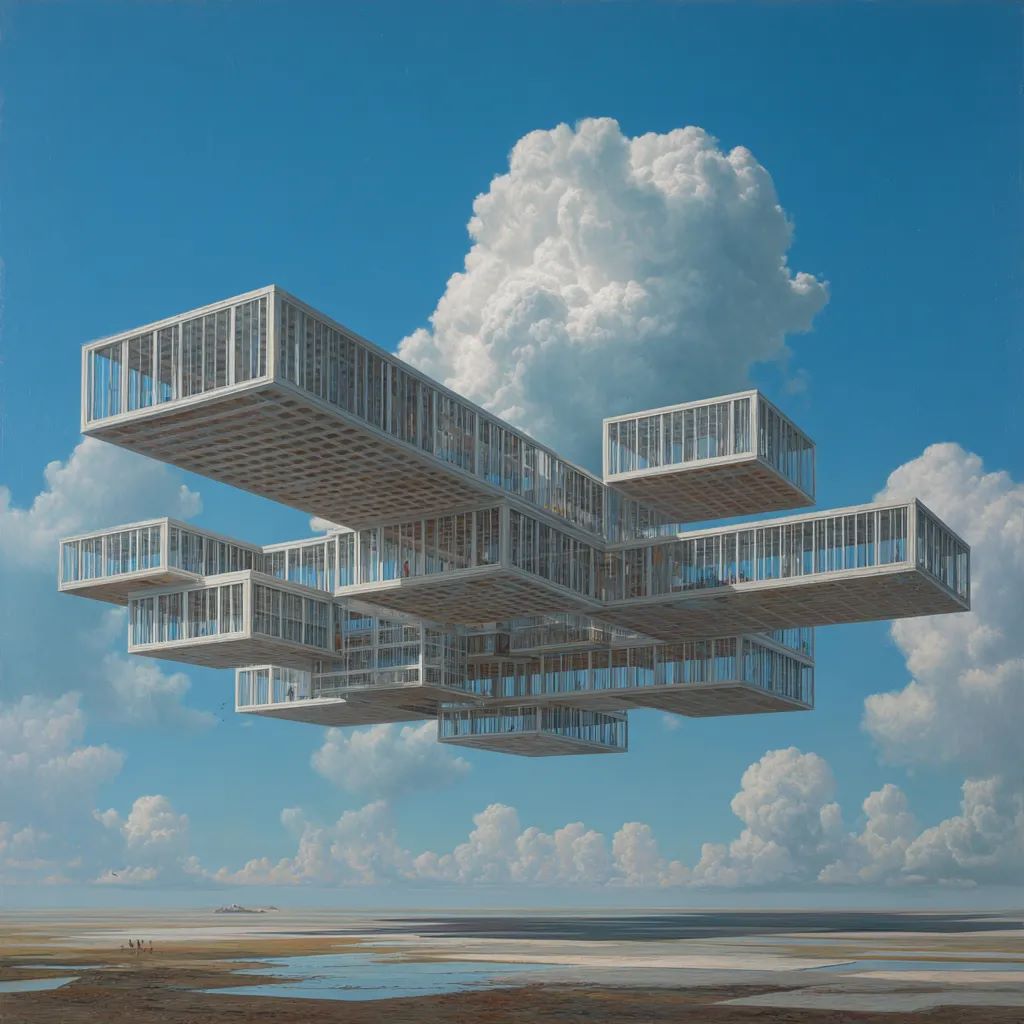
Think of them as surf breaks in an ocean of shipping lanes. Most of the water is for traffic; certain areas are for play. These zones might be over open ocean, remote plains, or high above natural wonders, where aerobatics and leisure flying can unfold in safety.
Skyparks take the idea further — floating platforms and leisure layers where craft can dock, families can gather in suspended lounges, and aerial events can unfold against the clouds.
Why It Matters
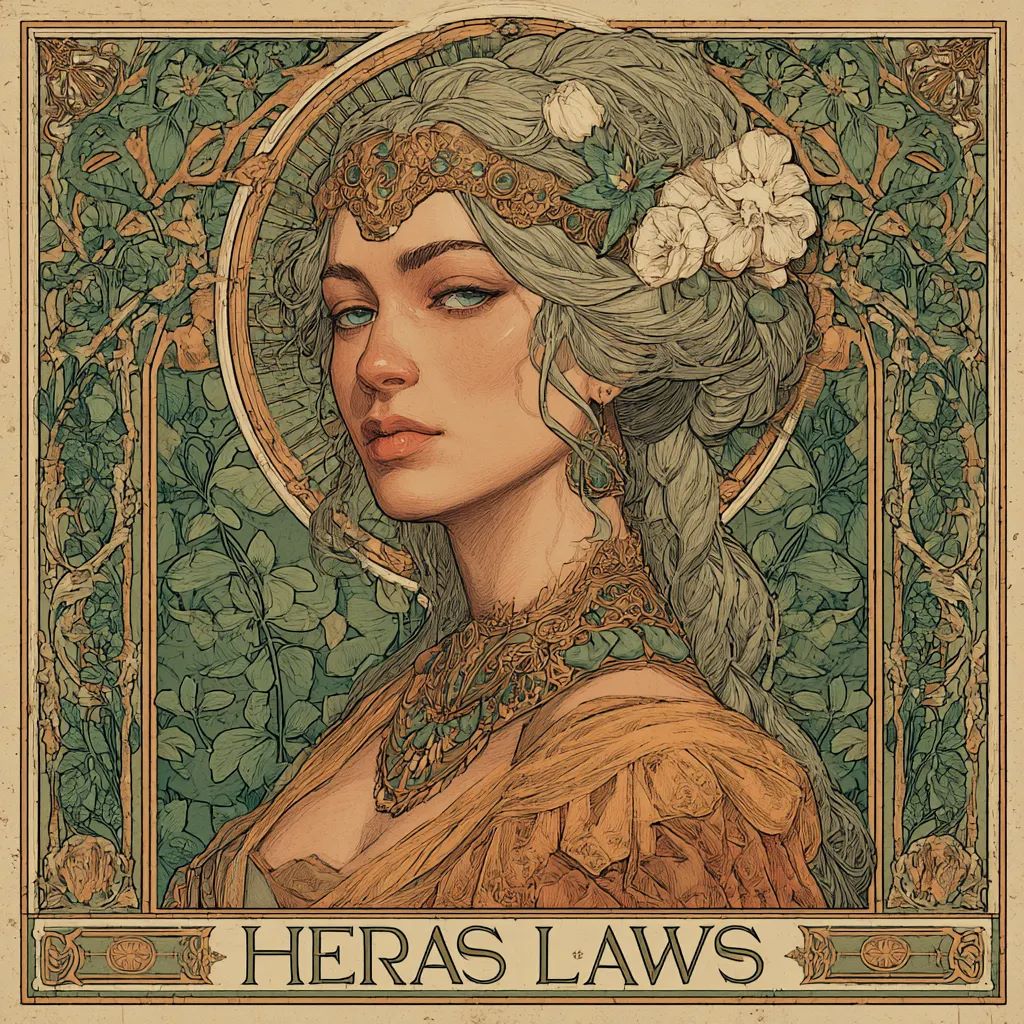
Without these spaces, freeform flying would vanish entirely in favor of automation. By carving out room for human-driven joyrides, Hera’s Laws keep flight culture alive. Pilots get their freedom; the rest of the grid keeps its order.
It’s a compromise that ensures the sky is not just a highway — it’s also a playground.
Public Access & Equity — The Public Sky
Who Gets to Fly?
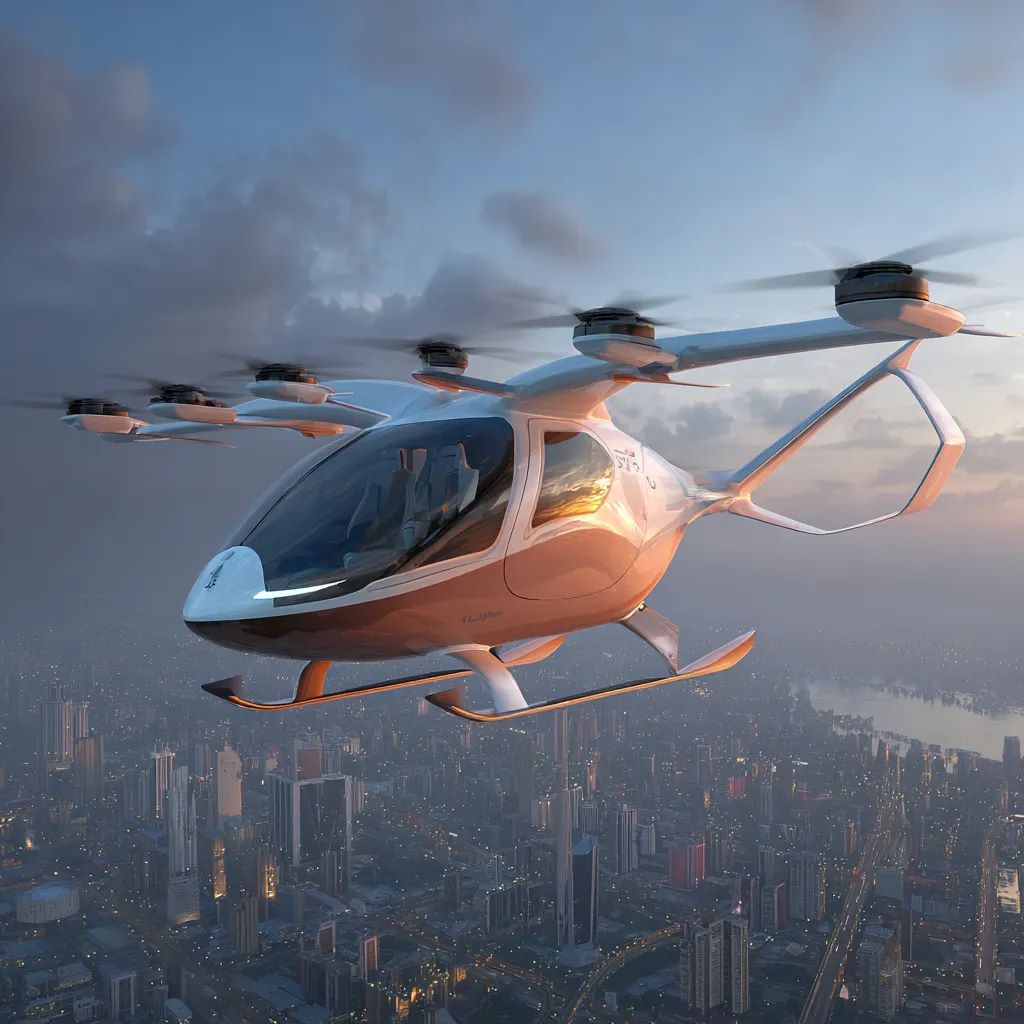
Without deliberate planning, aerial civilization risks repeating the history of every other mobility revolution: the wealthy rise first, and the rest watch from below. Hera’s Laws are designed to prevent that.
The sky is a shared resource. It should be treated like roads, power grids, and the internet — essential infrastructure, not a luxury. That means building equity into the system from day one, not as an afterthought.
Designing for Everyone
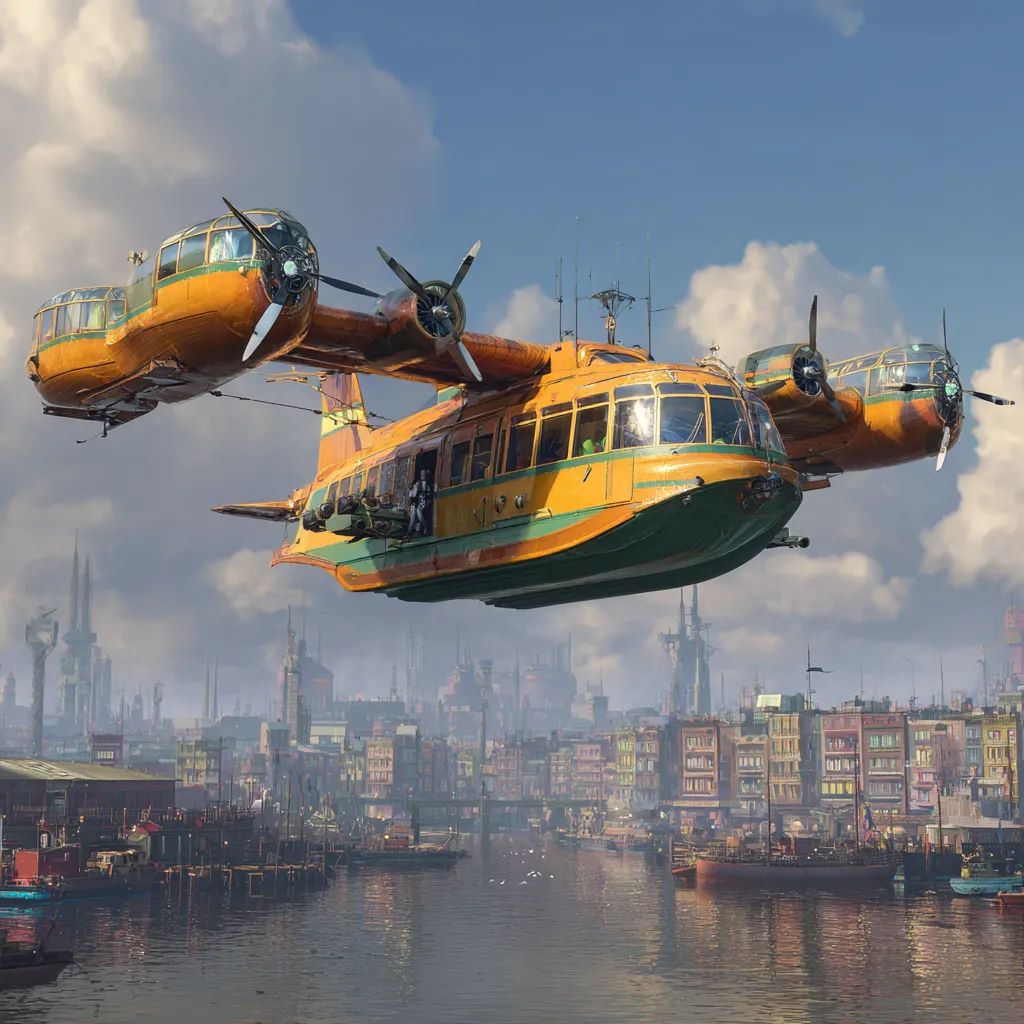
Early adoption will favor those who can afford personal craft, but public access must follow quickly. Subsidized commuter routes, community-owned aerial taxis, and publicly accessible freight corridors can ensure that rural towns, low-income neighborhoods, and remote regions all benefit from Hera’s Sky.
For rural areas in particular, vertical mobility is transformative — collapsing distances for jobs, medical care, and goods delivery. The Air Grid should connect these zones as a priority, not an afterthought.
Avoiding a Stratified Sky
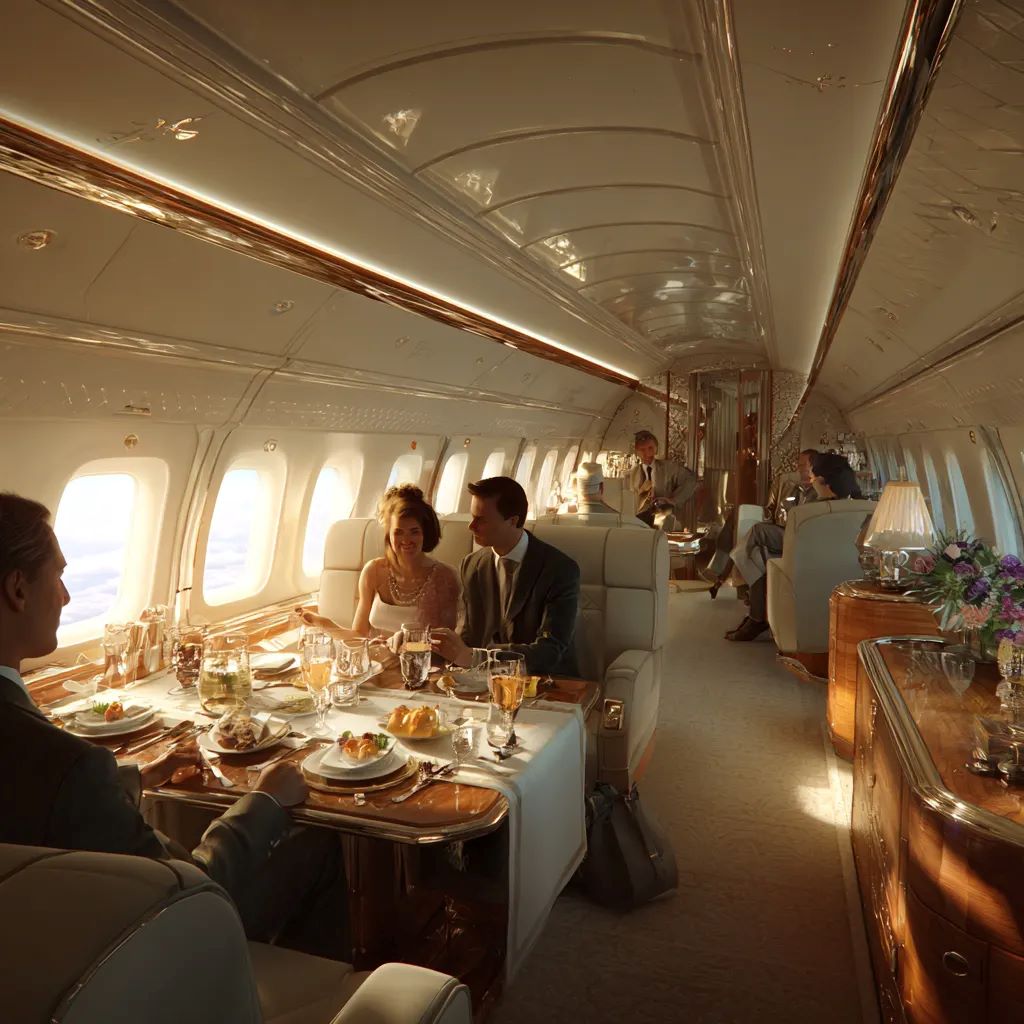
If the best air lanes are reserved for private fleets, the sky will fracture into a tiered system of privilege. Hera’s Laws reject that. The grid’s most efficient routes must remain accessible to public-use craft and essential services. Wealth may buy comfort, but it should not buy disproportionate claim to the air itself.
Hera as Equalizer
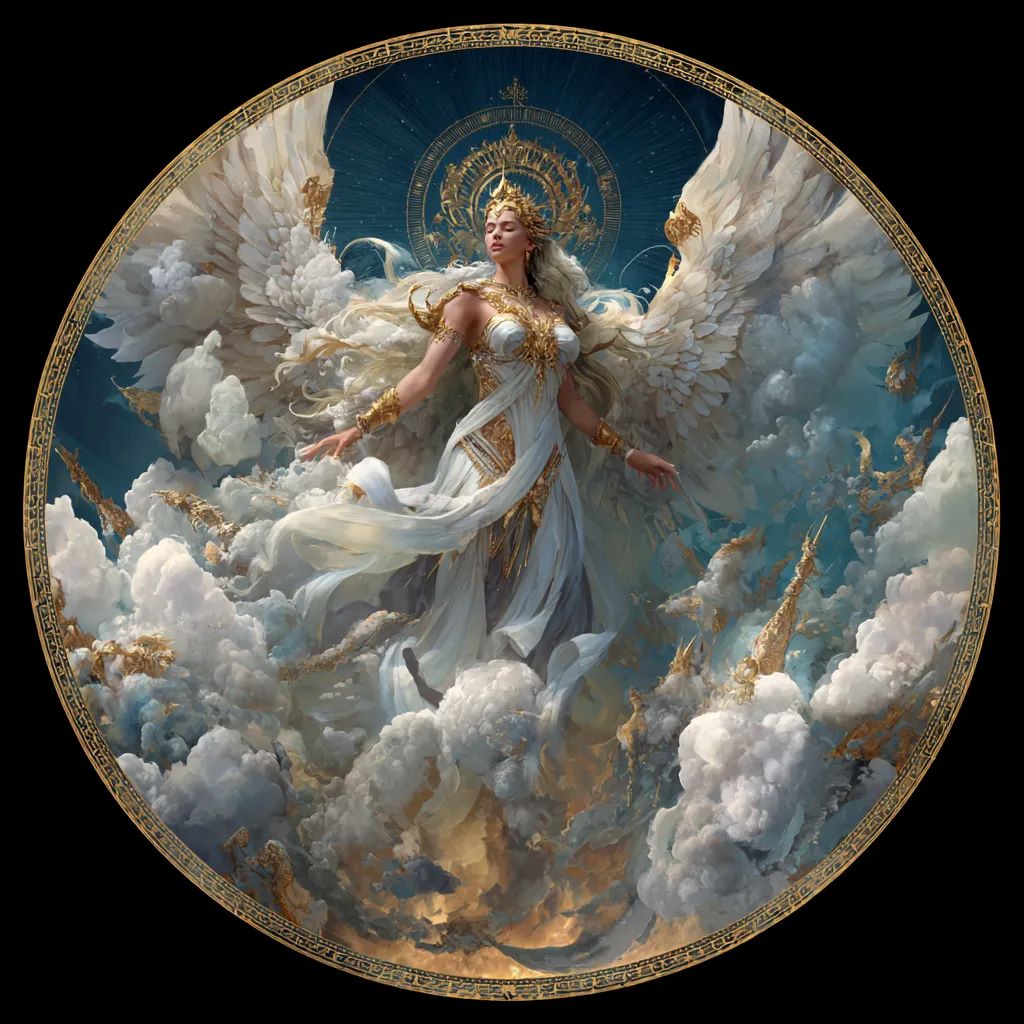
In mythology, Hera is not only a ruler but a unifier — binding society together through shared order. In my vision, she serves the same role for aerial civilization. Her laws are not walls; they are scaffolding. They elevate everyone together.
A Commons Above Our Heads

If we succeed, the public sky will be as accepted and protected as public parks. People will expect — and demand — that it remain open. It will be the most visible commons in human history, literally hanging above every head, every day.
In Hera’s Sky, freedom is not reserved for the few. It is designed for the many.
From Chaos to Cosmos — Final Vision

The sky today is a half-built city — scattered machines, random routes, and no shared design. It is neither empty nor truly inhabited, a place of improvisation rather than civilization. Hera’s Laws are the blueprint that turns that vertical sprawl into an ordered world.
The Air Grid defines where we move. Sky Blue Stealth shapes how we are seen. Straight Up, Straight Down preserves peace at the edges of daily life. The Hera Override Reflex removes the possibility of catastrophe. Sky parking untethers us from the ground. Recreation zones keep the spirit of flight alive. Public access ensures the sky belongs to everyone.
Together, these are not just regulations. They are a cultural contract. They turn airspace from a battleground of competing agendas into a ballet of coordinated motion.
And there is more at stake than convenience. Whoever writes the rules of the sky will shape the age to come — determining not only how we move, but how we trade, defend, and connect. The air is the next great terrain of civilization, and its first constitution will echo for centuries.
In myth, Hera is the queen who binds the heavens to order. In this vision, she is the patron of a new era of mobility — a sovereign presence ensuring that the sky remains safe, beautiful, and shared.
Under her laws, we rise not into chaos, but into choreography. The grid hums invisibly beneath us. The air becomes a place we trust. And flight — once rare and dangerous — becomes a daily act of belonging.
This is how we move from chaos to cosmos. This is how we build a civilization in the sky.
About the Creator
Russ Kaiser Rose
"The world’s most frustrated inventor — building breakthroughs that could rewrite industries, but stuck explaining them one article at a time. Genius in the lab, outlaw in the market."
Enjoyed the story? Support the Creator.
Subscribe for free to receive all their stories in your feed.
Comments
There are no comments for this story
Be the first to respond and start the conversation.