
Fifty Millilitres of Everything
How a syringe of seawater is quietly changing what it means to know what's living on the oceans seafloor


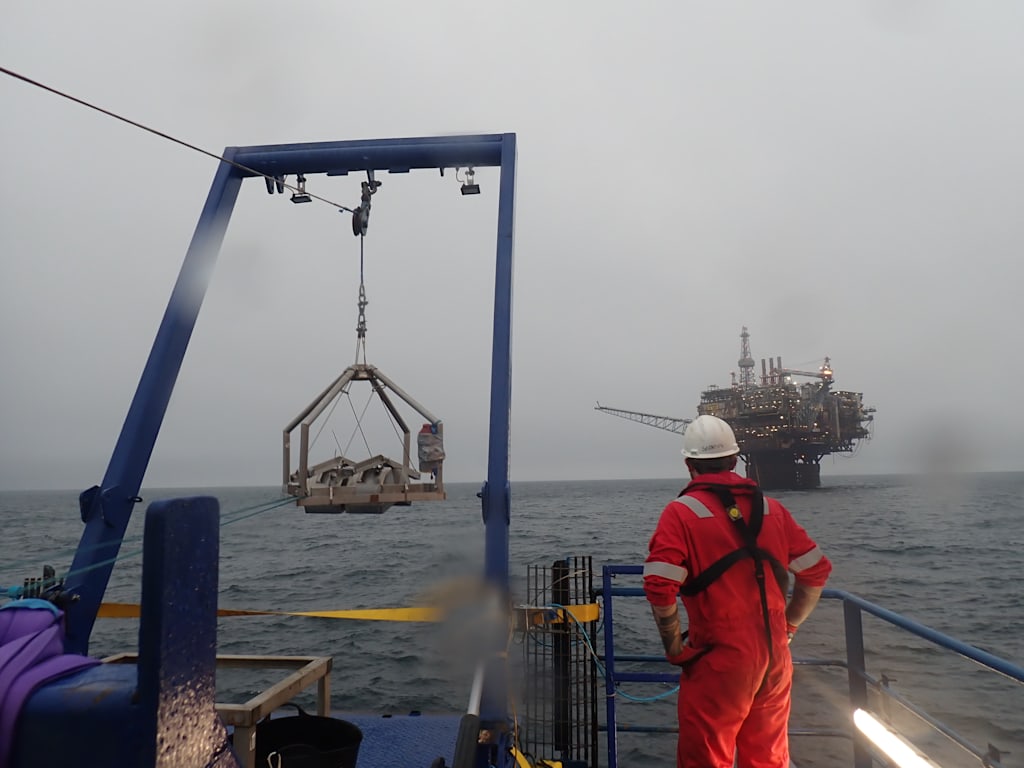
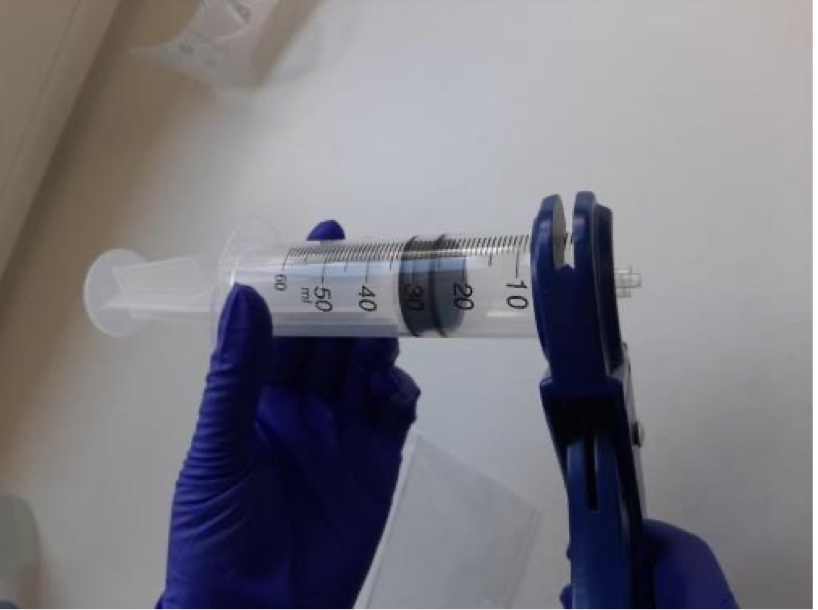
I'm on deck, coveralls on, waiting for a sample of seawater to be lifted onto deck, where I will then draw seawater into a syringe until it hits the fifty mark. I then push that syringe's worth of seawater through a filter capsule about the size of a torch, screw the cap shut, scribble some things on the cap with a Sharpie, and drop it into a sample bag (posh name for a sandwich bag). That's it. That's the entire collection process to be able to answer the quite literal million dollar question of "what's down there," or to know exactly what species are present in a particular area of the ocean. Something that would have sounded like science fiction to me a few years ago is rapidly becoming the everyday norm.
What this sampling method can do is close to something I only expected to see in sci-fi films like Star Wars or Star Trek in my lifetime, a ship in orbit scanning a planet below for lifeforms without ever landing on it, but returning highly accurate results that hugely impactful governmental decisions get made from. That's essentially what fifty millilitres of filtered seawater can do now. How that's done is through an environmental sampling technique called eDNA sampling.
First, the context. Every animal in the sea is constantly shedding DNA into the marine environment through cells, mucus, scales, and waste. When we collect seawater samples and filter them, we're capturing the biological material left behind in the water. Back in the lab, this residue can then be extracted, run through a DNA sequencer, and matched against a reference database of known species, and the genetic markers that make each one unique. What can come back from this process is a remarkably detailed list of species whose genetic material was present in the water at the time the seawater sample was taken. This process, from collecting seawater to sending it to a lab and having it analysed, depending on the shipping option you pay for, can take anywhere from two working days to six weeks.
For most of the history of marine science, working out what lived somewhere took months if not years, and required a room full of taxonomists, who had each spent a career studying one slice of the marine tree of life. A taxonomist who could name a tiny shrimp-like creature, no bigger than a grain of rice, from a single damaged leg. Another who could tell two nearly identical clams apart just by the shape of the ridge where their shells hinge together. These specialists would sift through large quantities of data collected by offshore marine scientists in the field (me). Data being images and video from cameras or ROVs (Remote Operated Vehicles) dropped into the water, or sediment samples containing specimens to be identified, taken from sand collected off the seabed using grab samplers.
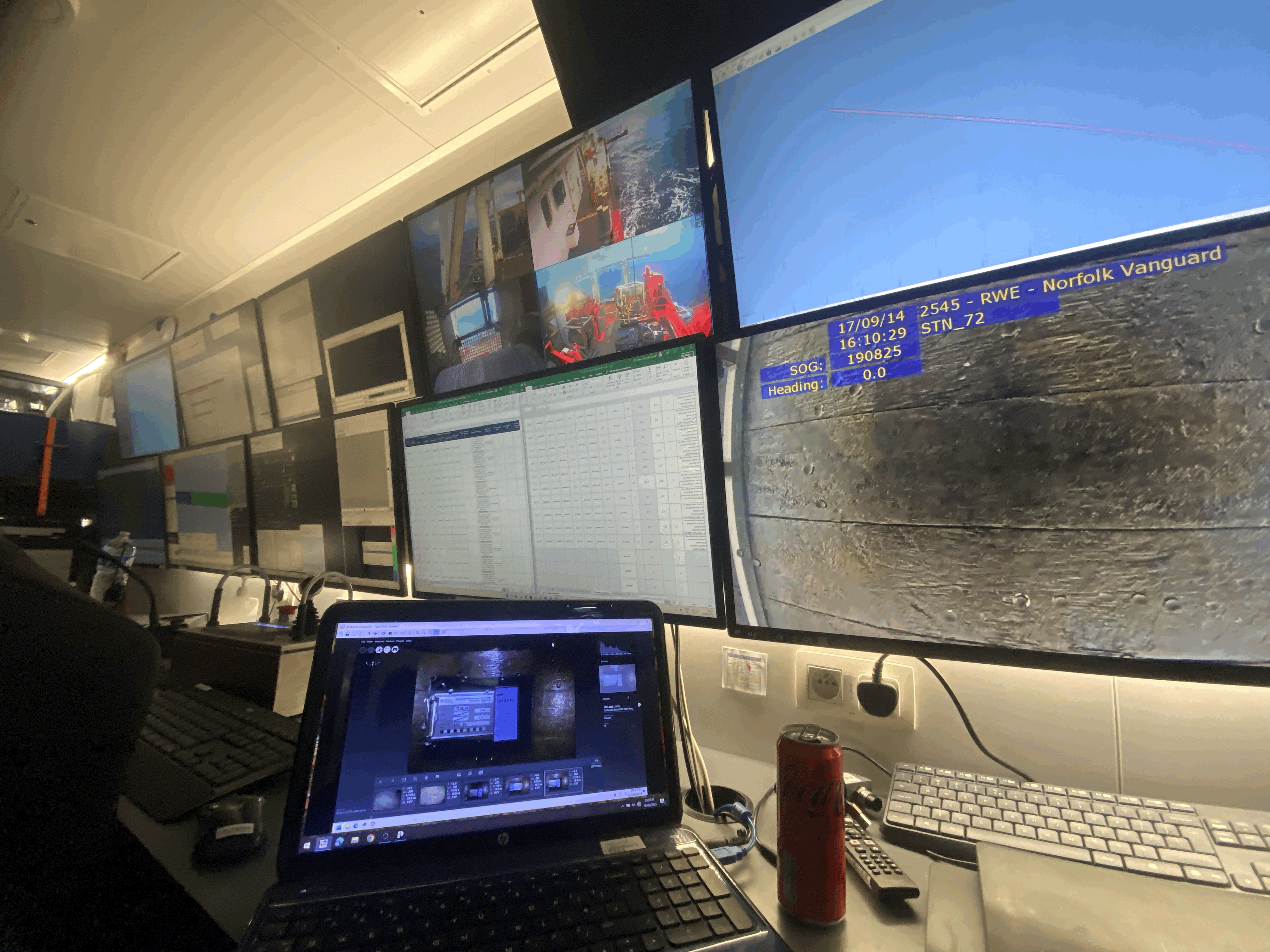
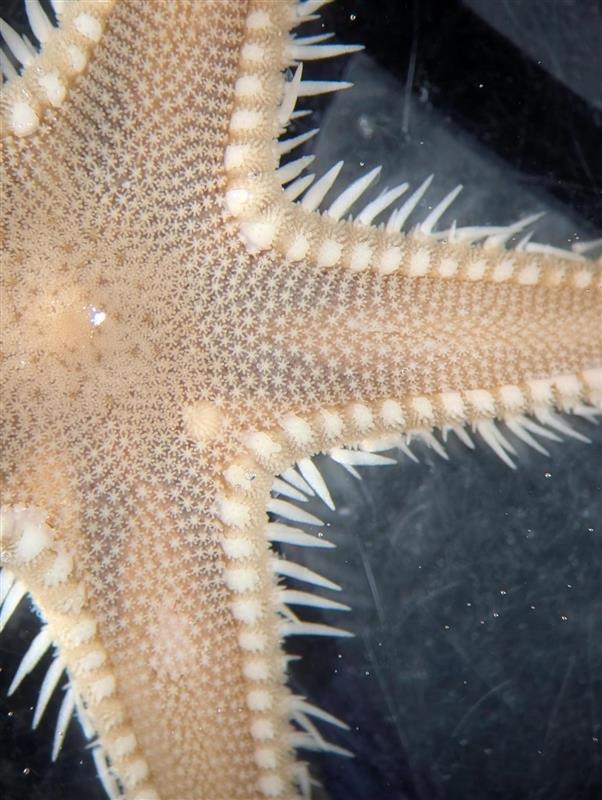
If you wanted to know what species you were looking at, say a government assessing a planning application from an oil and gas company to build a rig, you'd build or hire a team of taxonomists covering crustaceans (crabs, shrimp), molluscs (clams, snails), polychaetes (worms), Actinopterygii (fish), and cetaceans (whales, dolphins), and let people whose whole career is a magnifying glass and a lifetime of comparison put a name to specimens brought back from surveys by offshore teams.
The original system produced real, hard-won expertise that I don't want to write an obituary for carelessly. It's also expensive in a way that's very easy to lose sight of. Chartering a vessel big enough, and equipped enough, for a proper offshore survey, crew, fuel, and everything else, costs a lot. I've been on vessels that cost £100k a day to run for a single day at sea, inclusive of everyone's salaries, provisions, fuel, and so on. That's before any scientific equipment has even touched the water. Even then, a vessel can only tell you about one patch of seabed that happens to be below the ship on that given day.
The part that's actually changing how the industry is operating isn't the wonder of the eDNA method. It's the decision-making that's being made off the back of this new type of marine evidence.
In the UK and rest of Europe, where I work, offshore development, a wind farm, an oil rig, an internet cable route, a pipeline, has traditionally needed a visual baseline survey before anything gets licensed: that's cameras, divers, or grabs, confirming what's present at the moment someone happened to be looking. eDNA sampling can be run cheaply, repeatedly, and in places a camera can't reach, and its results are increasingly sitting alongside, and more often instead of, the visual record when licensing decisions are being made by European governments. A protected species turning up in an eDNA water sample from a proposed development site can be enough to move a multi billion pound/euro project that's being planned to be built, without a single specimen or picture of one ever being "seen" and without an expert taxonomist ever being consulted to confirm or deny. Instead, software just returns a match and a confidence score against a reference database, not unlike asking any modern pattern-recognition system what it thinks it's looking at. Nobody has to agree with an experts' judgement any more. They just have to trust the percentage score, and the accreditation that's associated with the laboratory running the analysis.
I don't think this is simply progress, and I don't think it's simply loss. It's both, which is why it's worth sitting with rather than just being amazed by it. The kind of expertise that lets one person confirm a species just by looking at it, built over an entire career of comparison, is being replaced by a match against a database. That's for sure more scalable, and can reach places the "old" system never could. But it's also a different kind of knowing. A taxonomist could tell you exactly why they're confident, the shape of a joint, the pattern on a shell, and you're free to question the reasoning. A DNA match gives you a percentage and a link to a database entry, and increasingly, that percentage is what a licensing decision rests on. I trust it. I use it. But I think the industry, and society, owes itself some honesty that it's trading one kind of expert judgment for another, not simply removing a step that had become redundant or overly expensive.
It's changing how we talk about the sea, too, not just how we decide things about it. A visual survey report leads to an argument: one expert states what was seen on a survey and why they're confident about what it is, in language you can push back on, and another expert either agrees or doesn't. It's not unlike a legal case being argued, or, in its own small way, a kind of democracy, an answer that has to be defended and can be contested. An eDNA report reads like a spreadsheet: a species list next to a percentage column, forwarded by a no-reply email with no argument attached, because none was needed. We haven't just found a faster way to work out what's down there. We've changed the shape of what counts as an answer worth paying for.
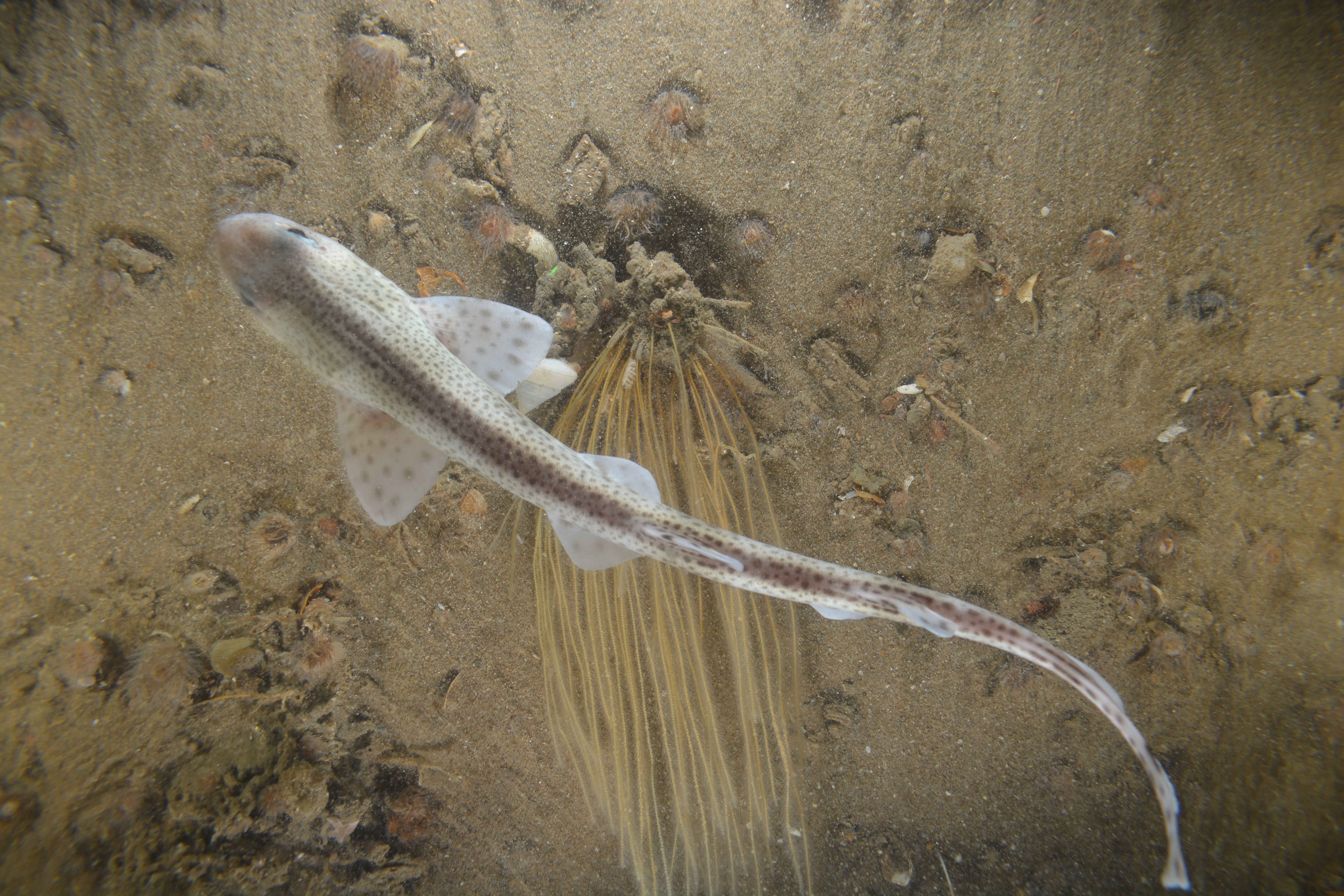
What I keep returning to when I think about eDNA sampling is that the sea was never actually quiet. Every animal in it has been announcing itself for the whole of time, through what it leaves behind, whether or not anyone was equipped to notice. We didn't invent a new kind of evidence. We finally built something small enough to fit in one hand that's sensitive enough to read evidence that was already there.
And once you can read that evidence this cheaply, this often, from a sample as small as fifty millilitres, it stops being a specialist tool wheeled out for one-off surveys or headline grabbing expeditions, and starts becoming the new normal. That's the part that feels like science fiction to me. Not the syringe. Not the process in the lab. It's standing on a deck that costs £100,000 a day to keep at sea, holding something the size of a torch that I labelled with a Sharpie thirty seconds ago, and knowing I'm involved with something that can tell us more about what's living in the sea below, than the boat with a full survey team with its cameras, grab samplers and ROVs. And that it fits into a sandwich bag. That's the quiet part of science fiction becoming the present day. That's the bit that's actually changing.
About the Creator
Bradley Knight
Grown on the British Isles, exploring beyond.
Scientist by day, creative by night.
I like to write all things nautical, marine, sea and salt.
Enjoyed the story? Support the Creator.
Subscribe for free to receive all their stories in your feed.
Comments
There are no comments for this story
Be the first to respond and start the conversation.