
Ceramic Dominates, Transmission Lines Lead: Europe Electric Insulator Market at 4.74% CAGR Toward USD 4,952.2 Million by 2034
Europe's electric insulator market growth from USD 3,224.0 Million in 2025 to USD 4,952.2 Million by 2034

The Europe electric insulator market size has been valued at USD 3,224․0 Million in 2025 and is projected to reach USD 4,952․2 Million by 2034․ The Europe electric insulator market is projected to grow at a CAGR of 4․74% from 2026 to 2034․ Germany is the leading country in terms of market share due to its energy sector and grid modernization program․
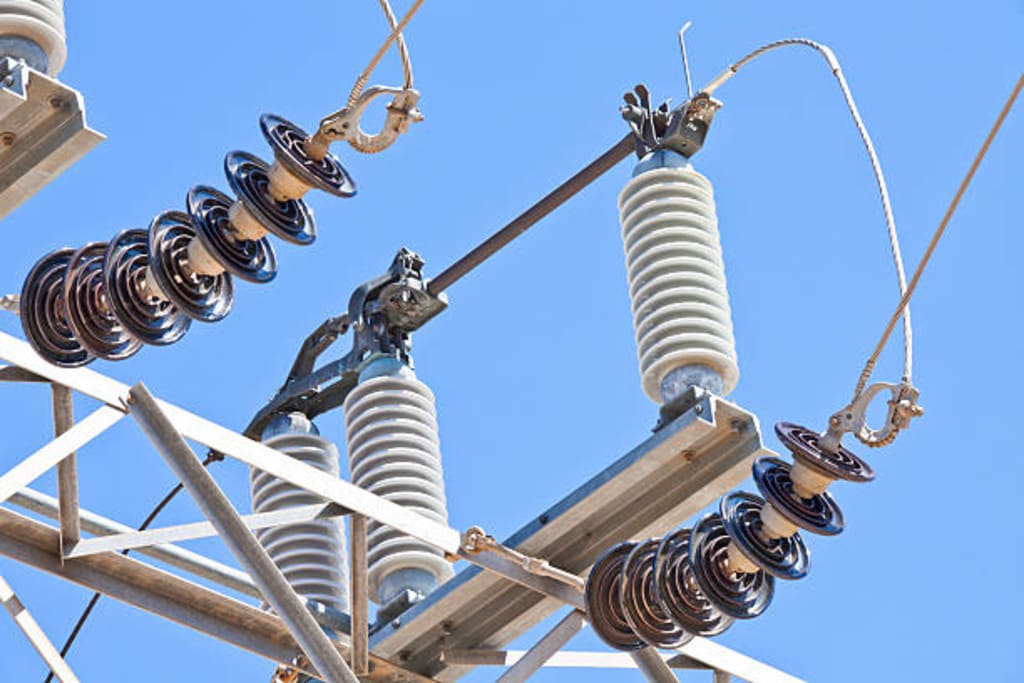
Electric insulators are used in all transmission and distribution systems to support and electrically isolate overhead power lines from conductive grounded structures, to prevent leakage currents, arcing and short-circuits․ They are not optional equipment․ Rather, they are safety-critical and reliability-critical across the entire electricity grid, from long-distance high-voltage power transmission and substations to the distribution grid, railway electrification, and electric vehicle charging infrastructure․
The insulator manufacturers, investors in grid infrastructure, utilities, and procurement teams focused on capital programs driven by European energy transition are expected to grow by USD 1,728․2 Million, during the forecast period due to European Union legally binding renewable energy targets, grid aging statistics, and a plan to expand deployment of HVDC․
Access Deeper Insights into the European Electric Insulator Market Report
Market Snapshot
• Market Size (2025): USD 3,224.0 Million
• Forecast (2034): USD 4,952.2 Million
• CAGR (2026-2034): 4.74%
• Leading Country: Germany
• Leading Material: Ceramic/Porcelain
• Leading Voltage: High
• Leading Category: Bushings
• Leading Installation: Transmission Lines
• Leading Product: Pin Insulator
• Leading Rating: 11 kV
• Leading Application: Transformer
• Leading End Use Industry: Utilities
Three Structural Trends Driving the Market Through 2034
Aging Grid Infrastructure and the Refurbishment Imperative
There is a need for maintenance in the aging power grids of Europe, which creates a structural demand for insulators․ The European transmission grid has 390,000 km of high-voltage (HV) transmission lines with a median age of 30 years․ Between 40% and 55% of the distribution grid is projected to be over 40 years old by 2030․ Another relevant statistic is that 40% of European grids are over 40 years old, meaning they are nearing or past their design lifetime․
The aging grid, and other issues such as as insulator performance degradation, have increased the transmission losses․ Capacity to connect to new renewable generation is limited by bottlenecks associated with old substations and corridors․ This creates a close interrelation between grid modernization and the renewable energy capacity targets in Europe․ Replacements of old insulators with newer ones are part of grid modernization programs to improve the mechanical performance, weather resistance, leakage current performance and compatibility with smart grid monitoring and automation systems․
This creates a sustainable pipeline of procurement opportunities for insulator manufacturers, as utilities and transmission system operators in Germany, France, the United Kingdom, Italy and Spain each implement multi-year refurbishment programs that are typically financed from a combination of regulated asset base (RAB) allowances, European Union infrastructure grants and domestic energy transition funds․
Renewable Energy Integration and HVDC System Deployment
As the share of variable renewable generation in the European power generation mix increases, this is changing the requirements of the European continental transmission system, and thus the specifications of its electrical insulators․ The share of renewable generation being wind-based, solar-based and hydroelectric generation-based increases the need for transmission capacity between distant or off-shore generation sources and consumption centers, usually requiring new transmission lines or upgrading of existing transmission corridors to accommodate larger, more variable power flows․
High Voltage Direct Current transmission (HVDC) is central to the project, as it is the dominant technology for long-distance transmission and international power trading within Europe․ The HVDC system will transport energy from offshore windfarms in the North Sea to demand centers in Germany, the Netherlands, Belgium and the United Kingdom․ HVDC systems operate at exceptionally high voltage levels and under continuous load conditions, requiring high-level insulators․ Resistance to high electrical stress, pollution, and thermal cycling, all of which are intrinsic in HVDC operation, has led to the search for advanced composite and high-grade porcelain insulators․
The European Union's goal of decarbonization by 2050 further accelerates its targets for EU member states decarbonizing their electricity grids․ Along with the increase in renewable capacity and transmission infrastructure investment, this creates demand for high-performing insulators over multiple years․ This, and the related 11+ terawatts of worldwide installed renewable capacity, and the 4% annual improvement in energy efficiency goal by 2030 set by the European Commission provide the policy reasoning for most of the transmission infrastructure investment within the EU, and thus for insulator procurement․
EV Charging Infrastructure and Transport Electrification
Electrification of transport is providing an ever-increasing demand for electrical insulation in distribution networks and charging points․ In July 2025, the UK government announced a EUR 63 million package to help accelerate the UK EV revolution, including expansion of the electric vehicle charging network and home charging for those without off-street parking․
This pattern is continental․ As new EV chargers (from a domestic wallbox to a high power motorway fast charger) are added, additional grid and distribution reinforcement is needed, including insulators in transformers, cables and switchgear․ As Europe's EV fleet size and charging density grow, the energy needed from distribution networks (and the grid capacity and insulation) must keep pace to maintain quality․
Smart grids are electrical networks for which smart grid technologies and network automation are creating a demand for new long-life insulators that can cope with the growing demands to accommodate periodic variations in electrical load and the requirements to accommodate and be integrated with digital network monitoring․ Smart grids are being rolled out in Germany, Netherlands and the UK and demand is growing for smart insulators that can accommodate sensors and network condition monitoring․
Segmentation Analysis: Eight Dimensions of Market Structure
By Material: Ceramic/Porcelain Leads the Market
In 2025, most insulators used are ceramic and porcelain, due to their superior electrical insulation properties, mechanical strength, stability at high temperatures and resistance to chemical action or corrosion․ Porcelain insulators are not electrical conductors so can be operated with a high degree of electrical safety under all weather conditions․ Due to their proven long service life, porcelain insulators are generally used for high voltage transmission systems where service life is needed for decades․
Glass insulators are a small segment of the insulator market, but the main advantage of glass insulators is their visual transparency allowing for visual examination for cracked or leaking insulators without disassembly․ Composite polymer insulators, polymer insulator shells or housings with fiberglass supporting rods, have the largest growth in insulator materials․ They have superior hydrophobicity, low weight, superior pollution flashover, and are suitable for offshore and coastal locations with salt spray pollution․
By Voltage: High Voltage Leads
High voltage insulators will dominate the market in 2025 due to the need for massive investment in transmission line infrastructure․ These insulators face high electrical stress and are usually subjected to extreme temperatures, wind, ice, and pollution․ This ability to resist electrical leakages and short-circuits in long-distance transmission systems makes them the highest-value and highest-specification product category on the market․
By Category: Bushings Lead the Market
The largest product family are bushings, making it possible to connect the conductive and dielectric portions of transformers, switchgear and other high voltage equipment safely and reliably․ Porcelain or composite material bushings provide a component with high dielectric strength as well as good mechanical strength and resistance to environmental elements․ Bushings are found in every substation and transformer in the European grid․
By Installation: Transmission Lines Lead
Transmission lines dominate the total installed number of pylons, and are the major use for long-distance transmission lines in the European power system․ Insulators installed on transmission lines must be capable of withstanding strong mechanical, environmental and electrical stresses throughout their entire working life․ A decline in performance can have a direct impact upon grid stability and efficiency of transmission․ In transmission lines, insulators are installed to avoid breakdowns in the system, reduce maintenance costs, and maintain the stability of the system․
By Product: Pin Insulators Lead
Transmission lines dominate the total installed number of pylons, and are the major use for long-distance transmission lines in the European power system․ Insulators installed on transmission lines must be capable of withstanding strong mechanical, environmental and electrical stresses throughout their entire working life․ A decline in performance can have a direct impact upon grid stability and efficiency of transmission․ In transmission lines, insulators are installed to avoid breakdowns in the system, reduce maintenance costs, and maintain the stability of the system․
By Rating: 11 kV Leads
The 11 kV range has the majority share of the market as this is the primary medium voltage level of choice across Europe․ Insulators rated at this voltage are mainly used in the distribution network transporting electricity from high voltage electricity transmission system to domestic, commercial and industrial consumers․ They are a key component of reducing faults and interruptions on the dense network of 11 kV lines that supply European electricity consumers․
By Application: Transformer Leads
The most common application is for transformers, used to control and transport electrical energy at all supply voltages in the power system․ Accordingly, the insulators must be able to withstand electrical and mechanical stress, while supporting energized parts and withstanding thermal, chemical and environmental stress, throughout the course of the working life of the transformer․ With increased transformer refurbishments and new substations as part of grid modernization programs in Europe, demand for insulators designed for use on transformers is consistent․
By End Use: Utilities Lead
Utilities represent the largest single end use․ The electrical function of insulators is essential to the safe transmission and distribution of electrical power․ High voltage electrical equipment, substations and power grid networks, all require insulators that can withstand the mechanical and electrical stresses of modern electrical power transmission systems, as well as environmental extremes․ In Europe, the use of renewable energy sources and the reconstruction of the electricity grid is progressing quickly, and so is the use of insulators․
Country Analysis: Germany Leads Five National Markets
Germany has the largest country market share in 2025 due to its well-developed electricity grid and a large-scale Energiewende (energy transition) program․ Due to its status as Europe's largest economy and electricity consumer, Germany's investments in photovoltaic and wind generation, grid modernization and smart grids, create sustained demand for the replacement of insulators in aging grid infrastructure, and for new insulators in new T&D infrastructure․ The country's emphasis on the circular economy and sustainability also contributes to the demand for high-performing, long-life insulator materials․
The four remaining country markets each contribute distinct demand profiles:
• France combines a large nuclear-heavy grid with growing renewable additions, requiring both ongoing maintenance insulator procurement and new installation demand from wind and solar transmission connections.
• United Kingdom is actively investing in offshore wind transmission infrastructure, EV charging network expansion, and distribution grid upgrades, supported by targeted government capital programs including the July 2025 EUR 63 million EV investment.
• Italy has extensive grid infrastructure requiring ongoing refurbishment and a growing renewable energy capacity requiring new transmission connections.
• Spain is rapidly expanding its renewable energy capacity, particularly solar and wind, requiring new transmission infrastructure investment and the associated insulator procurement across high-voltage applications.
For a broader view of energy and mining trends across the region, explore Europe market research
Recent Industry Developments: 2025
In February 2025, Cerisol Isoladores Ceramicos SA, a manufacturer of ceramic insulators based in Portugal and owned by TJC LP portfolio company Insulation Technology Group (ITG), was acquired to enable ITG to increase the firm's porcelain technology capabilities and production capacity to meet the burgeoning global demand for electrical grids․ From a European viewpoint, the deal consolidated the ceramic insulator market consolidating ITG's technical expertise with Cerisol's customer relationships and production capabilities․
In May 2025, CATL released the world's largest ultra-large capacity energy storage system (ESS), 9MWh TENER Stack, designed for high-performance deployment in European markets with 20% cost reduction in construction and 40% improvement in land use, as well as on-grid connection of simple flexible AC load․ As the deployment of large scale ESS increases across European renewable energy plants, the corresponding grid interconnection infrastructure is rapidly increasing the demand for insulation components in substation and transmission line applications․
Competitive Landscape and Key Players
The Europe electric insulator market is moderately consolidated, with well-established manufacturers competing alongside emerging players targeting niche application segments. Key competitive dimensions include product innovation in composite and advanced ceramic materials, compliance with European energy efficiency and safety standards, and the ability to deliver long-term supply contracts to major utility operators and transmission system operators.
Leading companies active in this market include ABB Ltd., Siemens AG, General Electric (GE), Hubbell Incorporated, Seves Group, Lapp Insulators, NGK Insulators Ltd., TE Connectivity Ltd., Pfisterer Holding AG, and Alstom SA, among others. These companies are investing in R&D to develop insulators with superior mechanical strength and weather resistance for renewable energy and high-voltage applications, while pursuing strategic collaborations, joint ventures, and long-term supply agreements with European utility providers to strengthen market positioning.
Europe Electric Insulator Market Outlook
The Europe electric insulator market's growth from USD 3,224.0 Million in 2025 to USD 4,952.2 Million by 2034 is supported by three compounding structural imperatives: the urgent refurbishment of an aging grid where 40% of assets already exceed 40 years of age, the transmission infrastructure investment required to integrate Europe's expanding renewable energy capacity, and the distribution network upgrades driven by EV charging expansion and smart grid deployment. These forces operate simultaneously and reinforce each other, creating a demand environment that is both durable and broadly distributed across insulator types, voltage levels, installation contexts, and national markets.
The 4.74% CAGR through 2034 reflects reliable, policy-anchored growth in a market whose commercial foundation is infrastructure necessity rather than discretionary spending. For manufacturers, distributors, and investors operating in the electric insulator value chain, Europe's documented grid modernization requirements and EU renewable energy commitments provide a clear, quantifiable commercial pathway through 2034 and beyond.
About the Creator
Joey Moore
I'm Joey Moore, a seasoned Research Analyst with 5+ years of experience in market research. Expert in data analysis, strategic planning, and industry insights. Proven track record in delivering actionable reports.
Enjoyed the story? Support the Creator.
Subscribe for free to receive all their stories in your feed.
Comments
There are no comments for this story
Be the first to respond and start the conversation.