
Beneath a supervolcano in the United States is the world's greatest lithium resource, worth $1.5 trillion.
Environmental issues in the clay

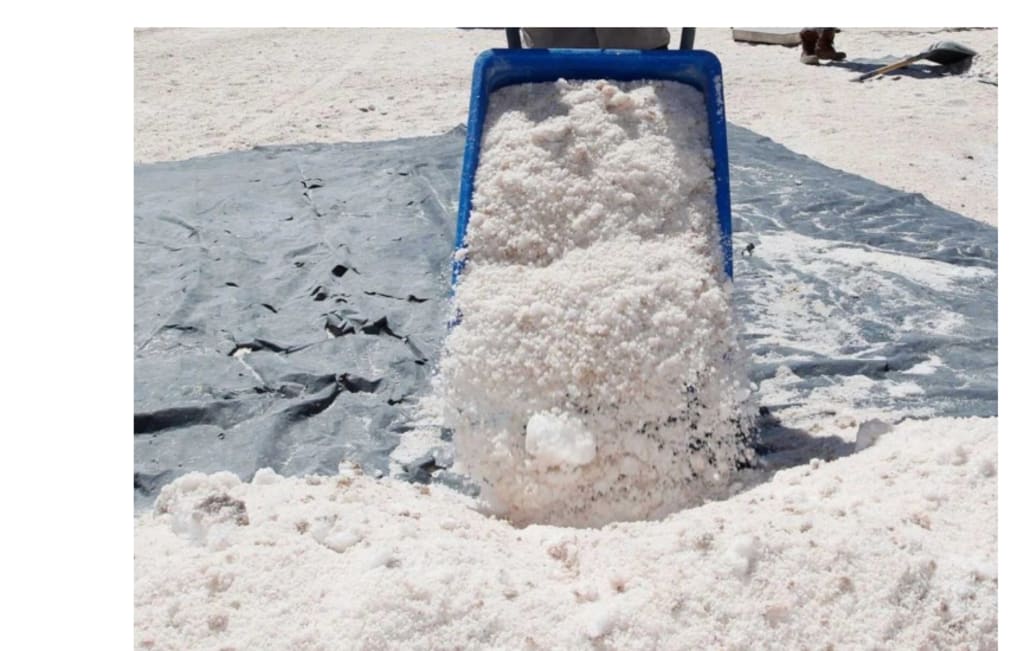
A huge deposit of clay rich in lithium is located beneath an old volcanic crater on the Nevada-Oregon border. According to scientists, there may be enough lithium in this peaceful area to affect the world battery industry for decades.
According to recent research, the McDermitt caldera may contain between 20 and 40 million metric tonnes of lithium, which is perhaps the greatest deposit to date. That estimate works out to around $1.5 trillion using the average contract price for lithium carbonate in the United States, which is now around $37,000 per tonne.
Lithium-rich supervolcano
The deposit is located inside a caldera, a huge volcanic crater created by the collapse of a magma chamber. Along the Nevada-Oregon border, this specific basin extends about 28 miles north to south and 22 miles east to west.
Thomas R. Benson, PhD, of Lithium Americas Corporation (LAC), oversaw the work on this deposit. His work focuses on the formation of lithium-rich minerals in volcanic environments.
Much of the magma chamber beneath this region was drained by a massive eruption that occurred about 16 million years ago. On the caldera floor, that eruption produced thick sheets of hot ash that subsequently cooled into hard volcanic rock.
A long-lived lake that gathered mud and volcanic ash was later found within the crater. A large portion of the lithium-rich clay is currently trapped in lacustrine claystones, which were created in a lake setting.
Lithium clay is formed from hot magma.
Long after the major eruption, magma continued to produce hydrothermal fluids—hot water with dissolved minerals—deep beneath the basin. These liquids moved lithium and other elements upward into the moist lake sediments after leaching them from volcanic glass.
The lake muck first became smectite, a magnesium-rich clay that can absorb lithium into its layers, as that chemistry developed. Later, parts of the smectite were changed by hotter fluids into illite, a different clay that retains a lot more lithium.
Illite, a potassium-rich clay that firmly retains lithium, forms a band about 100 feet thick in the lithium-rich zone near Thacker Pass. Analyses show that this clay can contain around 1.3 to 2.4 percent lithium by weight, roughly double typical claystone deposits.
Large pit mining is made possible by the high-grade illite layer's proximity to the surface, according to a recent feature. It also stated that investigators had reported lithium concentrations reaching about 1 percent by weight, according to Thomas R. Benson, a geologist at Lithium Americas Corporation.
Why this lithium deposit matters
Nowadays, the most well-known use of lithium is in the rechargeable lithium ion battery, which transfers lithium ions between two electrodes. Phones, laptops, electric vehicles, and storage packs that balance solar and wind energy on the grid are all powered by these batteries.
According to the same research team, by 2040, the world's demand for lithium might exceed one million tonnes annually, which would be eight times the amount produced in 2022. For this reason, governments and businesses planning long-term energy transitions pay close attention to such a concentrated deposit in a single basin.
This type of volcanic lake deposit is broad and shallow, which reduces the strip ratio—the quantity of waste rock per tonne of ore. This frequently results in less blasted rock and less energy used per tonne of lithium when compared to deeper hard rock mines.
Miners can directly target the most lithium-dense layers at Thacker Pass since the richest clays are located close to the land surface. This deposit is unique among known clay-hosted lithium deposits due to its large tonnage, high grades, and very straightforward geometry.
Environmental issues in the clay
Such a massive deposit also poses challenging issues regarding animals, water, and the landscape's cultural significance. Concerns about how a major mine may alter springs, grazing grounds, and sacred places have been raised by local tribes and ranching groups.
A shallow clay deposit, according to supporters, can damage less land than several smaller mines dispersed across far-off Opponents counter that if a single large pit is not properly managed, it can change groundwater, create dust, and disrupt habitat.
Because clay-hosted lithium is bonded inside minerals rather than sitting in saline brines, processing it is technically challenging. In order to recover lithium while minimising water use and waste, engineers must crush the clay, employ leaching, and chemically wash it with precisely selected solutions.
What geologists search for next
Researchers researching McDermitt have discovered a formula for abundant volcanic lithium deposits that combines long-lasting heat, basin geometry, and magma chemistry.
The igneous composition of the peralkaline magmas was exceptionally rich in potassium and sodium, which tend to retain lithium as they cool. Later, during a period known as resurgence, magma rose beneath the caldera once more.
In a period known as resurgence, fresh magma pushing upward caused magma to rise beneath the caldera once more. Along the basin's southern rim, this movement concentrated lithium-rich illite formation, split the rocks above, and created channels for hot liquids.
Equipped with this model, exploration teams search volcanic basins for evidence of previous hot fluid circulation, preserved lake beds, and matching chemistry. McDermitt's combination of huge size, restricted basin setting, and prolonged magmatic activity appears to be unique to a small number of locations globally.
This lithium deposit's lessons
The McDermitt caldera lithium deposit differs from the majority of other known sources due to its size, shallowness, and unique chemical makeup. In addition, it is situated in a lived environment where people, animals,
Water and wildlife have prior claims.
Whether this lithium primarily remains locked in clay or flows into batteries and electrical grids will depend on decisions made over the coming years. In any case, McDermitt has already altered scientists' perceptions of the locations of important minerals inside ancient volcanic systems.
This narrative clarifies the connection between far-off geologic processes and the batteries in people's everyday life for those considering technology and climate change. Questions about automobiles, phones, and electrical grids are strongly related to understanding how minerals develop in the Earth's crust.
About the Creator
Enjoyed the story? Support the Creator.
Subscribe for free to receive all their stories in your feed.
Comments
There are no comments for this story
Be the first to respond and start the conversation.