
The Fairytales of the Brothers Grim
Actual facts
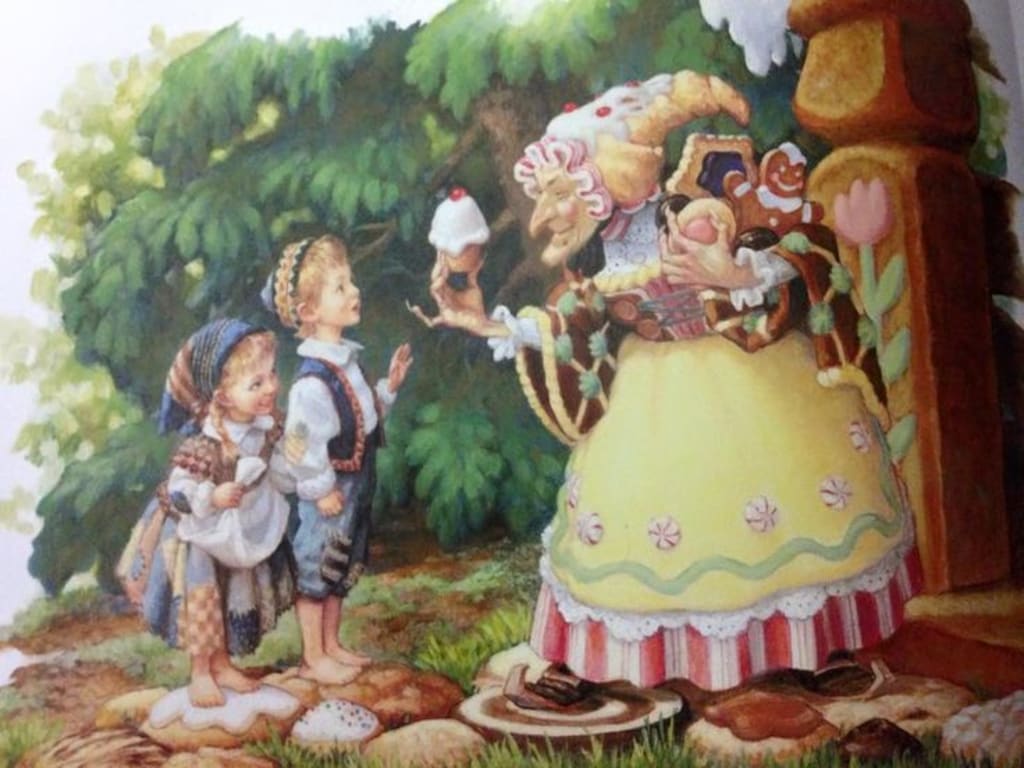

The famous Brothers Grimm – Jacob and Wilhelm – first published their book Children’s and Household Tales in 1812. Almost everyone knows at least some of the Grimm's fairy tales. However, for some of them, it took Disney to make them into the beloved tales that we know and children enjoy. The actual tales were very different and not as pleasant at all. Let’s take a look at some interesting facts about these tales.
Fairytales for Adults
Jacob and Wilhelm Grimm didn’t create these tales to entertain children. They were a part of a scholarly project to identify and preserve the true spirit of the Germanic people.
Translated and Published in England
An Englishman, EdgarTaylor,r took these stories,translated them,d and published them for children in 1823. When the Brothers Grimm saw how popular German popular stories were, they were inspired to edit their story collection so that it would be suitable for family reading.
Story Sources Not from the Surrounding Woods and the Countryside
The Grimm brothers didn’t get their inspiration from surrounding nature. Instead, they listened to educated, middle-class women who told them stories. Many of them came to their home and told them different stories about things people had experienced. One retired soldier told his tales in exchange for old clothes.
Adding On to the Fairytales
They continued to add and edit their collection and published a final, seventh edition in 1857. This has been the basis for most of the versions of Grimm's fairytales published today, and altogether there are 210 stories. Along with the familiar tales are also a lot of cautionary and religious tales, fables, and jokes.
Making the Stories Respectable

When the Brothers Grimm saw that their collection was becoming popular reading for families, they chose to make their tales more respectable for middle-class audiences. Can you imagine that in the first edition it’s Rapunzel’s pregnancy that alerts the witch to the fact that she has had a princely visitor? Rapunzel confides in the witch that her clothes are becoming too tight. In the seventh edition things have changed, and Rapunzel is concerned with the fact that her godmother is more difficult to pull up to the tower than the young prince.
Not-So-Pleasant Endings
To their stories the Grimms added Christian references and folksy expressions. They elaborated and expanded on scenes of violence and preferred to have nastier endings instead of nicer ones.
Tears Himself in Two

In the Grimms' tales' first edition of Rumpelstiltskin, the little man escapes either on a flying ladle or just by running off. In their 1857 version, Rumpelstiltskin screams in rage and stomps his right foot so hard that it goes right into the ground up to his waist. In his fury he grabs onto his left foot with both hands and tears himself in two.
The Grimm Version of Cinderella
In the French version Cinderella forgives her stepsisters and finds them good husbands. In the Grimm version both stepsisters cut off parts of their feet so that they would fit in the glass slipper. The prince finds out that they are not the right girls when a dove tells him about dripping blood. When the prince finally finds Cinderella, doves peck out the eyes of the stepsisters.
There was no fairy godmother

In the Grimmtale,e a little hazel tree that Cinderella has watered with her tears provides her with the ball gown.
Birth mothers
In the tales Snow White and Hansel and Gretel there were no stepmothers in the early Grimm editions, only the birth mothers. It was later changed so that stepmothers, not real mothers, would be looked upon as being cruel.
The Actual Meaning of Grim
The term "grim" means cruel, angry, ferocious, or harsh. So it is understandable that the Grimm Brothers told such grim tales.
Newest Version

Philip Pullman has come up with the newest version of Grimm fairytales titled “Grimm Tales for Young and Old." In this version Pullman includes a bit of background for each story.
About the Creator
Rasma Raisters
My passions are writing and creating poetry. I write for several sites online and have four themed blogs on Wordpress. Please follow me on Twitter.
Enjoyed the story? Support the Creator.
Subscribe for free to receive all their stories in your feed. You could also become a paid subscriber, letting them know you appreciate their work.
Comments
There are no comments for this story
Be the first to respond and start the conversation.