
Why Urban Dogs Need Extra Exercise and Stimulation
Discover why urban dogs need extra exercise and mental stimulation to stay healthy, happy, and well-behaved in city environments. Learn effective ways to keep them active!

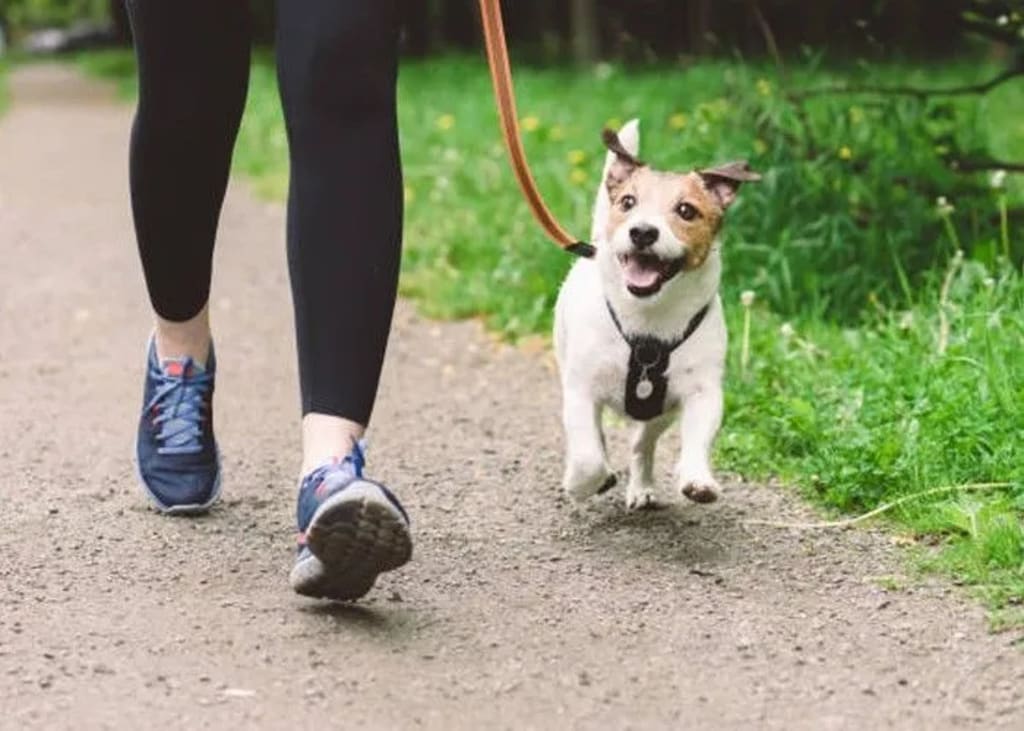
City life can be bustling, busy, and often cramped—an environment that is not always ideal for dogs, which naturally thrive in more open spaces. Urban dogs, in particular, may experience a more sedentary lifestyle due to limited outdoor space and infrequent opportunities to explore, run, and engage with their surroundings. This is why extra exercise and stimulation are so crucial for dogs living in urban environments. Regular exercise, whether it be through daily walks, runs, or playtime, not only keeps them physically fit but also helps curb destructive behaviors that can arise from boredom and under-stimulation.
1 Limited Space in Urban Settings
One of the primary challenges for urban dogs is the lack of access to large, open areas where they can freely run and play. Many dogs in cities live in apartments or small homes with limited or no yard space, which can restrict their ability to roam and expend energy. Without access to an outdoor space, dogs may only get brief moments of exercise when taken outside for short bathroom breaks. This lack of space means that urban dogs need dedicated time for walks and visits to dog parks, as well as activities like playing fetch or tug-of-war in order to stretch their legs.
- Daily Walks: While apartment life might mean less outdoor time, daily walks are essential for both physical and mental stimulation. It allows dogs to engage with new smells, sights, and sounds, offering much-needed variety.
- Dog Parks: In most cities, dog parks provide a great outlet for dogs to play, socialize, and burn off excess energy. Regular visits can help urban dogs stay active while offering social interaction with other dogs, which is an important aspect of their mental health.
2 The Importance of Mental Stimulation
Physical exercise alone isn't enough for dogs, especially for intelligent and high-energy breeds. Mental stimulation plays a crucial role in keeping dogs healthy and happy, particularly in the confined spaces of urban living. In a natural setting, dogs would use their brains to problem-solve, explore, and navigate their environment. Without sufficient mental engagement, they may become bored, anxious, or even develop behavioral problems like chewing, barking, or digging.
- Interactive Toys: Puzzle toys, treat-dispensing balls, and interactive games are excellent for keeping a dog’s mind engaged, especially when indoor space is limited.
- Training and Obedience Work: Regular training sessions not only improve a dog’s behavior but also provide them with mental challenges. Teaching your dog new tricks or reinforcing commands is a great way to engage their mind.
- Scent Games: Urban dogs can also benefit from scent-based games. Hiding treats around the house or in a confined outdoor space can stimulate their natural instincts and give them a purpose to work towards.
3 The Need for Socialization
Socialization is a key component of a dog’s well-being. Urban environments are often filled with strangers, new noises, and unfamiliar dogs, which can be overwhelming for a dog that isn’t used to social situations. However, with proper socialization, city dogs can thrive and adapt to urban life, becoming well-mannered and confident in different settings.
- Group Walks: Walking your dog with other dogs not only provides physical exercise but also helps with socialization. It allows them to develop social skills and interact in a controlled setting.
- Dog-Friendly Events: Many urban areas host dog-friendly events, meetups, or even “yappy hours.” These gatherings provide opportunities for dogs to socialize with others and for owners to meet fellow dog enthusiasts.
- Exposure to Different Environments: Taking your dog to different areas, such as parks, urban trails, and dog-friendly cafes, helps them become accustomed to the variety of sounds, sights, and people that they may encounter in a busy city.
4 Behavioral Benefits of Extra Exercise
Dogs that do not receive adequate physical and mental stimulation can develop undesirable behaviors as a result of pent-up energy. This is particularly true in cities, where dogs might be more restricted in their movement and environment. Regular exercise, play, and training help curb these behaviors, leading to a calmer, more content pet.
- Reduces Destructive Behavior: A dog with too much energy and no outlet for it may resort to chewing furniture, digging, or incessant barking. Regular walks and mental stimulation can mitigate these behaviors.
- Prevents Separation Anxiety: Exercise helps to tire out a dog both physically and mentally, making them less anxious or bored when left alone. A tired dog is more likely to relax and sleep when their owner is away.
- Improves Overall Behavior: A well-exercised and stimulated dog is more likely to follow commands and behave appropriately, both at home and in public.
5 Tailoring Exercise to Your Dog’s Needs
Every dog is unique, and their exercise needs can vary based on their breed, age, and personality. High-energy breeds like Border Collies, Australian Shepherds, and Terriers will require more vigorous exercise, such as running, playing fetch, or engaging in agility courses, to keep them physically and mentally fit. In contrast, breeds with lower energy levels, such as Bulldogs or Basset Hounds, may prefer shorter, more leisurely walks.
- Breed-Specific Needs: It’s important to understand your dog’s breed and tailor their exercise accordingly. A small, older dog may only need a few short walks per day, while a large, young dog might require several long, high-energy activities to stay happy.
- Age Considerations: Puppies and senior dogs will have different exercise needs. Puppies require plenty of short bursts of energy and play, while senior dogs may need shorter, gentler walks to avoid straining their joints.
Conclusion
Urban dogs face unique challenges due to limited space, high population density, and frequent sensory overloads. However, with adequate exercise, mental stimulation, and socialization, they can thrive in city environments. Daily walks, trips to the park, and engaging indoor activities help ensure that your urban dog stays happy, healthy, and well-behaved. Whether through structured play, social interactions, or mental challenges, providing your urban dog with extra stimulation is essential for their overall well-being. Get in touch with us if you are looking for rates for overnight dog sitting, or pet sitting overnight rates.
About the Creator
Millennium Dog Walkers & Pet Care in Chicago!
Millennium Dog Walkers & Pet Care in Chicago offers trusted, professional pet services tailored to meet the unique needs of your furry friends. Specializing in dog walking, pet sitting, and personalized care.
Enjoyed the story? Support the Creator.
Subscribe for free to receive all their stories in your feed.
Comments
There are no comments for this story
Be the first to respond and start the conversation.