
Why Teaching Minimalism to Children Matters More Than Ever
In a world driven by consumerism and endless distractions, raising children with minimalist values can help them develop gratitude, creativity, generosity, and a healthier relationship with possessions.

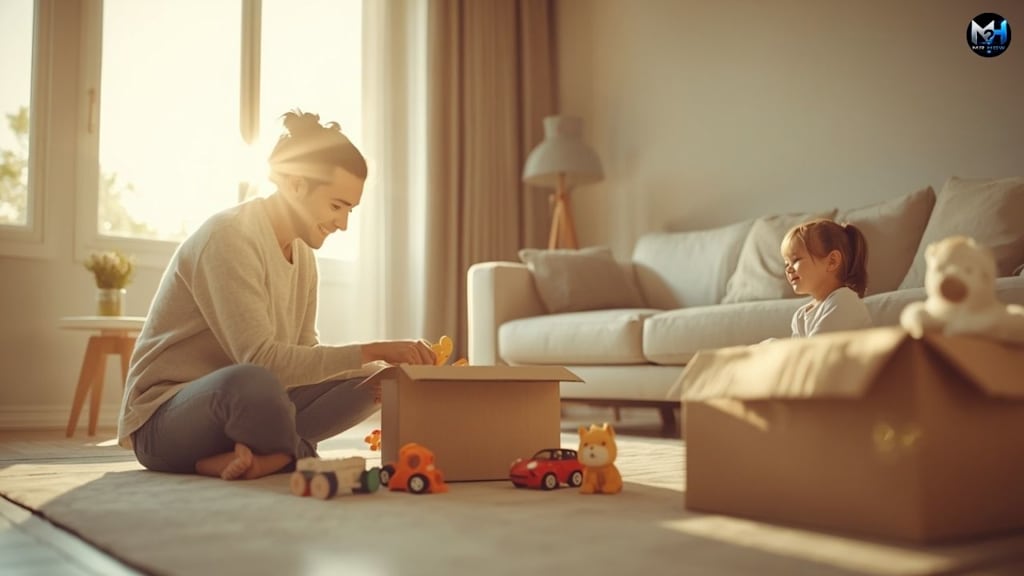
Children today are growing up in a world where they are constantly encouraged to want more. Advertisements appear on televisions, social media platforms, gaming apps, and even educational websites. Every day, they are exposed to messages suggesting that happiness can be purchased and that the newest toy, gadget, or trend is the key to feeling fulfilled.
In this environment, teaching children the value of minimalism may be one of the most important lessons parents can offer.
Minimalism is often misunderstood. Many people imagine empty homes, bare walls, and strict rules about owning only a certain number of possessions. In reality, minimalism is much simpler than that. It is the practice of intentionally choosing what adds value to your life and letting go of what does not. It is not about deprivation; it is about making room for what truly matters.
When children learn this philosophy early, they gain skills that can benefit them for the rest of their lives.
One of the first lessons minimalism teaches is that more possessions do not always create more happiness. Many parents have experienced the cycle of purchasing a new toy for their child, watching excitement last for a few days, and then seeing that toy forgotten in a corner. Before long, another toy takes its place, and the process repeats itself.
This pattern reveals an important truth: the joy of acquiring something new is often temporary. Children who are constantly surrounded by excess can become accustomed to seeking happiness through acquisition rather than appreciation.
By limiting unnecessary purchases, parents can help children focus on valuing what they already have. Instead of rushing to obtain the next new item, children learn to enjoy and care for their existing possessions. This shift encourages gratitude, a quality that contributes to long-term happiness and emotional well-being.
Minimalism can also reduce feelings of overwhelm. While adults often think children want unlimited choices, research and everyday experience suggest otherwise. A room packed with toys, games, and gadgets can be overstimulating. When there are too many options, children may struggle to focus on any one activity for long.
Interestingly, children often become more creative when they have fewer possessions. A simple set of building blocks can inspire countless adventures. A few favorite dolls can become characters in elaborate stories. When children are not distracted by endless choices, their imagination has more room to flourish.
Another valuable lesson that comes from minimalism is generosity. As families regularly sort through belongings and donate items they no longer use, children begin to understand that their possessions can benefit others. A toy that sits untouched in one home may become a treasured gift in another.
Involving children in the donation process helps them develop empathy and compassion. Rather than viewing decluttering as losing something, they learn to see it as sharing. This perspective encourages kindness and helps children recognize that their actions can positively impact others.
Minimalism also provides opportunities to discuss responsible consumption. As children grow older, they become capable of understanding that products do not simply appear on store shelves. Every item requires resources, labor, transportation, and packaging. These processes affect both people and the environment.
Parents can use minimalist principles to introduce conversations about sustainability, waste, and ethical purchasing. Children who learn to think critically about consumption are more likely to become thoughtful adults who make informed decisions about what they buy and why they buy it.
Perhaps the greatest benefit of minimalism is its emphasis on experiences over possessions. Most people can remember family vacations, celebrations, outdoor adventures, and meaningful conversations far more vividly than the toys they owned years ago. Experiences tend to leave lasting impressions because they create memories, strengthen relationships, and contribute to personal growth.
When families prioritize experiences instead of constantly purchasing new items, children learn that happiness often comes from connection rather than consumption. A day spent exploring nature, baking together, or visiting a museum can provide more lasting satisfaction than a temporary shopping spree.
Teaching minimalism does not mean denying children enjoyment or preventing them from owning things they love. Rather, it means helping them understand the difference between wanting something and needing it. It encourages intentional choices instead of impulsive ones and appreciation instead of accumulation.
In a culture that constantly promotes consumption, raising children with minimalist values can feel like swimming against the current. Yet the rewards are significant. Children who understand gratitude, generosity, intentionality, and mindful consumption are better equipped to navigate a world filled with distractions and pressures.
Ultimately, minimalism is not about having less for the sake of having less. It is about creating space for the things that truly matter—relationships, experiences, personal growth, and peace of mind. By teaching these values to the next generation, parents can help children build lives defined not by the quantity of their possessions but by the quality of their experiences and character.
In the end, that may be one of the most valuable gifts a parent can give.
About the Creator
Enjoyed the story? Support the Creator.
Subscribe for free to receive all their stories in your feed.
Comments
There are no comments for this story
Be the first to respond and start the conversation.