


Tinnitus, often described as the perception of sounds without an external source, affects millions of people worldwide. It can manifest as buzzing, ringing, or even roaring sounds, disrupting the daily lives of those who experience it. This auditory phenomenon, while common, remains poorly understood and underestimated. This article explores the causes of tinnitus, its potential risks, and the solutions available to manage it effectively.

Understanding Tinnitus
What Is Tinnitus?
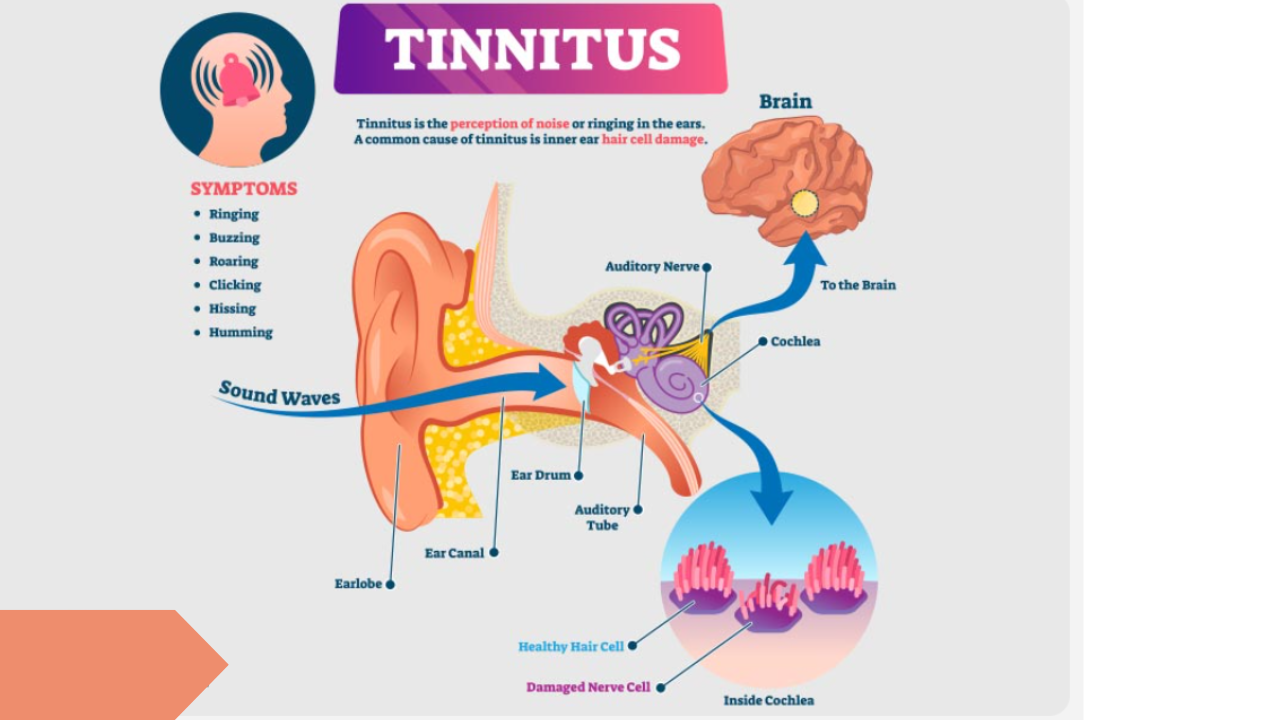
Tinnitus is defined as an auditory sensation in the absence of external sound stimuli. These sounds, perceived only by the affected individual, can be high-pitched, low-pitched, constant, or intermittent. Although invisible, tinnitus can profoundly impact mental and physical health.
Global Tinnitus Statistics
According to the World Health Organization (WHO), approximately 15-20% of the global population experiences tinnitus at some point in their lives. Older adults, workers exposed to noisy environments, and musicians are among the most affected groups. This condition is also becoming increasingly common among young people due to excessive headphone use.
Impact on Quality of Life
Tinnitus can have significant psychological and physical consequences. Patients often report anxiety, irritability, and even depression. Sleep disturbances are frequent, exacerbating difficulties with concentration and daily tasks. If untreated, this condition can lead to social isolation.
Causes of Tinnitus
Primary Causes
Tinnitus can result from prolonged exposure to loud noises, which damages the hair cells in the inner ear. Noise-induced hearing loss is one of the most common causes, particularly among industrial workers and musicians. Additionally, aging, known as presbycusis, is a predominant factor.
Underlying Health Conditions
Certain health issues can trigger tinnitus. For example, Ménière's disease, a disorder of the inner ear, can cause tinnitus accompanied by vertigo. Other causes include vascular disorders like hypertension or head trauma that affects auditory nerves.
Aggravating Factors
Stress and chronic fatigue can intensify tinnitus perception. Furthermore, excessive consumption of stimulants such as caffeine or alcohol, as well as the use of ototoxic medications, can worsen the condition. These often-overlooked factors play a critical role in tinnitus progression.
Risks Associated with Tinnitus
Potential Complications
Without appropriate care, tinnitus can progress to permanent hearing loss. Affected individuals may also suffer from social isolation, significantly impacting their quality of life.
Mental Health Effects
Tinnitus has major repercussions on mental health. It increases the risks of anxiety and depressive disorders, as well as burnout and professional exhaustion. Early intervention is essential to limit these consequences.
Solutions and Treatments for Tinnitus
Medical Approaches
The first step in treating tinnitus is an accurate diagnosis by an ENT specialist (otorhinolaryngologist). Once the cause is identified, various pharmacological treatments may be recommended, such as antihistamines for allergies, antidepressants for psychological disorders, or medications targeting vascular problems.
Non-Medical Therapies
Sound therapies are particularly effective in reducing tinnitus perception. These techniques involve using white noise or relaxing sounds to mask tinnitus. In parallel, cognitive-behavioral therapy (CBT) helps patients manage anxiety and develop strategies for coping with tinnitus.
Lifestyle Changes
Lifestyle adjustments can also make a significant difference. Stress management through practices like yoga, meditation, or mindfulness is essential. Additionally, improving auditory hygiene, such as reducing noise exposure and using hearing protection, helps minimize the impact of tinnitus.
Preventing Tinnitus
Protecting Hearing
Prevention involves simple but effective actions. It is important to avoid prolonged exposure to loud noises, especially at concerts or in industrial settings. Wearing earplugs is an essential preventive measure.
Monitoring Overall Health
Maintaining good general health helps reduce the risk of tinnitus. This includes monitoring blood pressure, reducing alcohol and tobacco consumption, and following a balanced diet to promote healthy blood circulation.
Raising Awareness
Public awareness campaigns and regular hearing assessments play a crucial role in tinnitus prevention. Education about auditory health is key to reducing the prevalence of this condition.
Conclusion
In summary, tinnitus presents a significant challenge for those affected, but it is not insurmountable. By identifying its causes and understanding its risks, tailored solutions can improve quality of life. Whether through medical treatments, therapies, or lifestyle changes, numerous tools are available to alleviate its impact. With proper preventive measures, individuals can protect their hearing and reduce the risks associated with this condition.
About the Creator
ikioui
Writer and storyteller passionate about sharing fresh ideas and inspiring connections. I explore lifestyle, culture, and creativity, crafting content to inform, entertain, and spark conversation.
Enjoyed the story? Support the Creator.
Subscribe for free to receive all their stories in your feed.
Comments
There are no comments for this story
Be the first to respond and start the conversation.