
The Role of Mental Wellness in Cancer Recovery
by Paul Vavrinchik

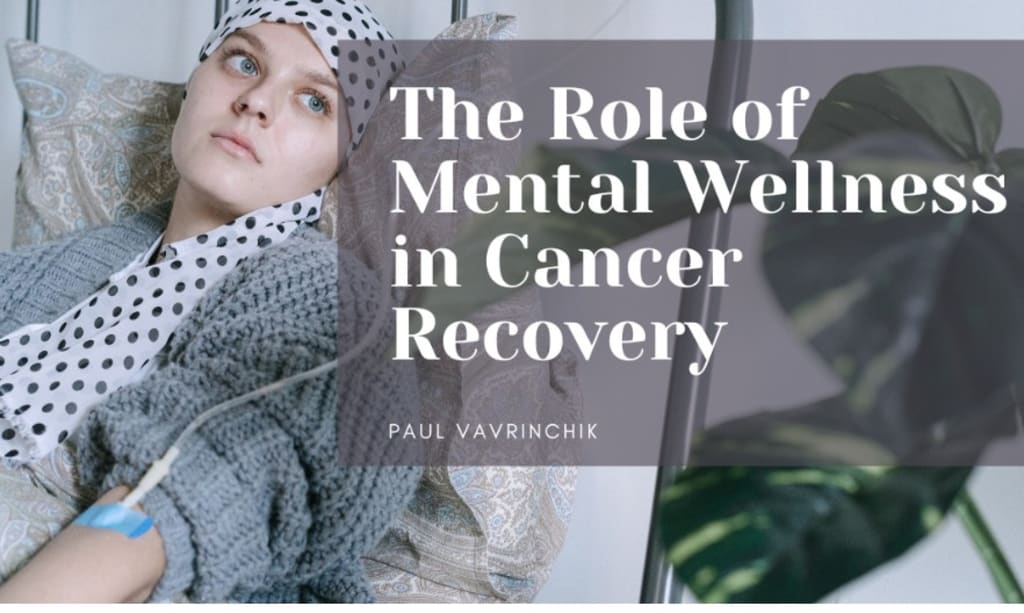
Cancer is not just a physical battle—it’s an emotional and mental journey as well. While treatments like chemotherapy, radiation, or surgery focus on healing the body, the mind often carries a quieter, less visible burden that can be just as challenging. Anxiety, fear, stress, and uncertainty frequently accompany both treatment and recovery. These emotional experiences are natural responses to a life-altering diagnosis, but they can also feel overwhelming if left unaddressed. Focusing on mental wellness can help you navigate this journey with greater resilience, clarity, and hope, making it an essential part of the healing process.
Why Mental Wellness Is Vital
Recovering from cancer can feel like stepping into unknown territory. Even when treatment ends, the emotional impact often lingers. Many people experience a persistent fear of recurrence, wondering if or when the illness might return. This uncertainty can make it difficult to fully relax or feel secure in the future.
There’s also a common sense of loss of control. Cancer can disrupt daily routines, alter physical abilities, and force lifestyle changes that may feel sudden or unwanted. Adjusting to these changes can create frustration or helplessness, especially when progress feels slow.
Emotional exhaustion is another reality. The mental strain of navigating appointments, treatments, and side effects—combined with the pressure to “stay strong”—can leave individuals feeling drained. Sadness, irritability, and even moments of hopelessness may arise, often alongside physical fatigue.
Supporting mental health isn’t just about easing emotional discomfort. Research and lived experience both suggest that a healthier mindset can positively influence physical recovery. When you feel more balanced mentally, you’re more likely to maintain healthy habits, follow treatment plans, and engage in activities that improve overall quality of life.
Practical Ways to Nurture Your Mental Health
1. Talk About It
Opening up about your feelings can be incredibly relieving. Whether it’s with a therapist, counselor, support group, or a trusted friend or family member, expressing what you’re going through helps validate your emotions. Bottling up fear or sadness often intensifies it, while sharing can bring perspective and comfort. Professional support, in particular, can offer tools to manage anxiety and cope with uncertainty.
2. Practice Mindfulness and Meditation
Mindfulness encourages you to stay present rather than getting caught up in worries about the future or regrets about the past. Simple practices like deep breathing, guided meditation, or body scans can help calm your mind and reduce stress. Even a few minutes a day can make a noticeable difference. Gentle practices like yoga or tai chi can also strengthen the connection between mind and body, promoting both relaxation and physical well-being.
3. Connect With Others
Cancer can feel isolating, but you are not alone. Connecting with others who have had similar experiences can be deeply reassuring. Support groups—whether in person or online—offer a safe space to share stories, ask questions, and find encouragement. Hearing how others cope can inspire new ways to manage your own challenges and remind you that your feelings are valid and shared.
4. Express Yourself Creatively
Creative expression can be a powerful emotional outlet. Writing in a journal, painting, playing music, or engaging in crafts allows you to process complex feelings in a non-verbal way. Creativity doesn’t require skill or perfection—it’s about expression. Sometimes, putting thoughts on paper or channeling emotions into art can bring clarity and a sense of release that words alone cannot provide.
5. Move Your Body
Physical activity plays a significant role in mental health. Exercise releases endorphins, which naturally boost mood and reduce stress. This doesn’t mean intense workouts; even gentle movement like walking, stretching, or light yoga can improve energy levels and emotional well-being. Regular movement can also help rebuild confidence in your body after treatment.
Supporting Your Loved Ones
Mental wellness is not only important for those diagnosed with cancer but also for their loved ones. Family members and caregivers often experience their own emotional struggles, including worry, fatigue, and feelings of helplessness. Supporting each other through open communication can strengthen relationships and create a shared sense of resilience.
Listening with empathy is one of the most valuable forms of support. Sometimes, simply being present and acknowledging someone’s feelings can make a significant difference. Encouraging loved ones to seek support for themselves—whether through counseling or peer groups—can also help them manage their own emotional well-being.
Remember, healing is rarely a solitary process. A strong support system can provide comfort, encouragement, and stability during uncertain times.
Integrating Mental Wellness Into Recovery
Mental wellness is not a one-time effort but a daily practice. Small, consistent actions can have a lasting impact over time. Checking in with yourself each day—asking how you feel, what you need, and what might help—can build self-awareness and emotional strength.
It’s also important to be patient with yourself. Healing, both physically and emotionally, takes time. There may be good days and difficult ones, and that’s completely normal. Allowing yourself to experience a full range of emotions without judgment is part of the process.
Building routines that include moments of calm, connection, and self-care can create a sense of stability. Whether it’s a morning walk, a short meditation, or a weekly conversation with a friend, these habits can anchor you during times of uncertainty.
Final Thoughts
Healing from cancer is as much about the heart and mind as it is about the body. Mental wellness empowers you to move forward with strength, adaptability, and hope. It helps you regain a sense of control, rediscover meaning, and reconnect with the things that bring joy and purpose to your life.
Taking care of your mind is not a luxury—it’s a vital part of recovery. By nurturing your emotional well-being, you create space for resilience to grow. You begin to move beyond merely surviving and toward truly living, even after a life-changing diagnosis.
About the Creator
Paul Vavrinchik
With over 40 years of experience in a range of industries, retired professional Paul Vavrinchik has a wealth of knowledge to draw from. Paul was exceptional at managing teams, working with others, and carrying out independent research.
Enjoyed the story? Support the Creator.
Subscribe for free to receive all their stories in your feed.
Comments
There are no comments for this story
Be the first to respond and start the conversation.