
The Rise of Gender-Based Violence in Kenya: A Call for Change
A Call for Change

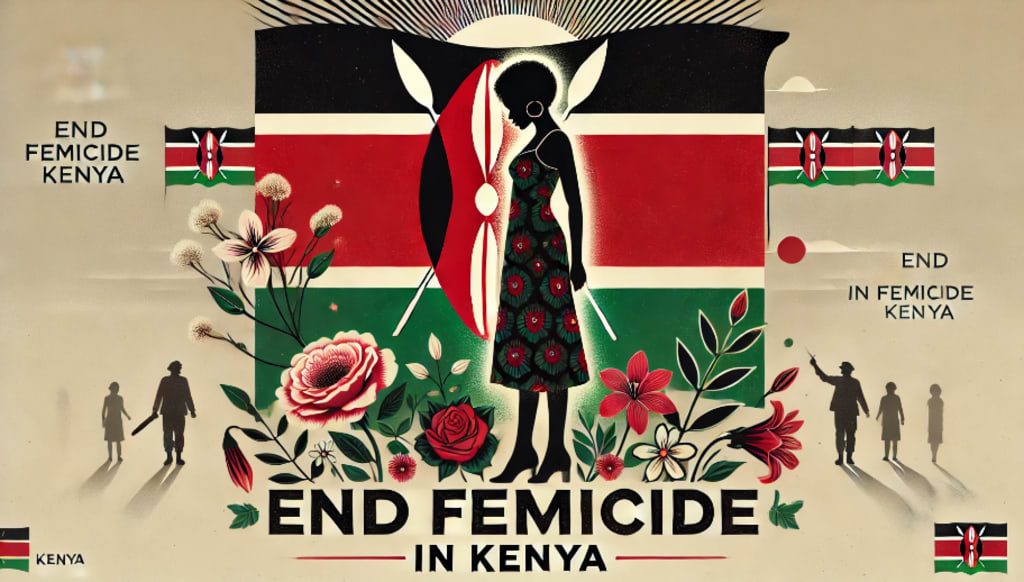
Over the past few years, Kenya has seen a disturbing rise in gender-based violence (GBV), particularly violence against women. What was once a silent epidemic has now become an undeniable crisis that demands immediate attention. From urban centers to rural areas, the pattern of abuse, both physical and psychological, has left women across the country fearful and anxious for their safety. This isn’t just a private issue—it’s a national emergency.
The escalation began in the wake of the COVID-19 pandemic. As lockdowns were enforced in early 2020, reports of domestic violence surged across Kenya, exacerbated by economic pressures, social isolation, and the stresses of an uncertain future. While the virus spread globally, another contagion—violence within homes—spread across our nation, often targeting the most vulnerable members of society: women and children.
Currently, the issue of gender-based violence is particularly prevalent in regions such as Nairobi, Kisumu, and Mombasa, but rural areas have not been spared. According to reports from organizations like the Federation of Women Lawyers (FIDA) and the National Gender and Equality Commission (NGEC), cases of intimate partner violence, sexual harassment, and abuse have reached alarming levels. In fact, statistics reveal that at least 45% of Kenyan women between the ages of 15 and 49 have experienced some form of physical or sexual violence.
In urban slums like Kibera, Kayole, and Mathare, women face daily threats not only from their partners but also from the community at large, where sexual assault and rape have become all too common. These areas, already strained by poverty and limited access to justice, are breeding grounds for violence. Perpetrators often go unpunished, and survivors struggle to access the support systems they desperately need.
The gravity of the situation is further compounded by the lack of adequate infrastructure to support victims of GBV. Many women suffer in silence, afraid of the stigma or retaliation that might follow if they report their abusers. Legal and social services are stretched thin, and in some cases, the very institutions designed to protect them have failed to do so.
But this crisis is more than numbers—it’s about people, real lives shattered by violence. I’ve been silent for a while, watching the painful realities unfold, especially the violence that women are facing, often at the hands of men. Words feel inadequate to describe the weight of what's happening, but it’s clear that change is not just necessary—it’s urgent. The dynamics need to shift, for our sake and for the future we want to build for the next generation.
I think of the people I care about—friends, family, loved ones—and I find myself constantly praying that God watches over you all, wherever you are, whatever you're going through. It's heartbreaking, knowing the fear and pain that so many are feeling right now. Disappointment, fear, even hatred—they’re not just feelings anymore, they’re the reality that many women carry because of what has been created today.
As a man, I can’t help but reflect on how this will affect the relationships we form, the trust we try to build, and the connections we’ve already made. The barrier between men and women is growing, and I wonder: how will we rebuild trust? How can a glance, a conversation, or even a relationship move forward without the shadow of fear or suspicion?
But the story doesn’t end here—change is possible, and it starts with us. Many organizations, activists, and brave individuals are stepping up to demand justice, call for better protection laws, and offer support to survivors. It’s time for Kenya to take a stand, for both men and women, to unite in breaking this cycle of violence.
For those of us watching, concerned for the future of our sisters, daughters, mothers, and friends, we must continue to speak out, to raise awareness, and to hold those responsible accountable. There is no space for silence when lives are at risk. To anyone going through this, I can only ask you to take care of yourselves and those around you. Know who you're with, where you are, and find peace within yourself instead of letting anger and pain consume you. It’s hard right now, I know. But there is hope. It may not come today or tomorrow, but it’s there, even if it feels distant.
Someone once showed me how to find strength in faith, how to connect with something deeper, and it gave me peace when I felt lost. Maybe that’s something you can try too. It helped me find purpose and calm in the midst of chaos. But beyond faith, what’s most important is that you find your voice. Don’t let the pain silence you. Speak up. Your voice matters.
We stand at the crossroads of this crisis, and justice is not a privilege—it is a right. The world feels heavy right now, and the road ahead seems unclear. But know this: you are stronger than you know, and your resilience, your courage, is something no one can take from you. In the midst of all this darkness, there is still light to be found. You matter, your experiences matter, and you deserve to be heard, supported, and uplifted.
Let’s hold on to that hope together—not in silence, but in unity, in the shared belief that things can change. Keep moving forward, and never forget—you are not alone.
About the Creator
Laurence Magondu
"Welcome! I’m Laurence, a passionate storyteller. I explore human experiences, real events, and imaginative worlds. Join me for thought-provoking stories and content that resonate and inspire."
Enjoyed the story? Support the Creator.
Subscribe for free to receive all their stories in your feed.
Comments
There are no comments for this story
Be the first to respond and start the conversation.