
The Family Restaurant That Needed a Quieter Corner
The family restaurant on Maple Street had been open for twenty-two years.
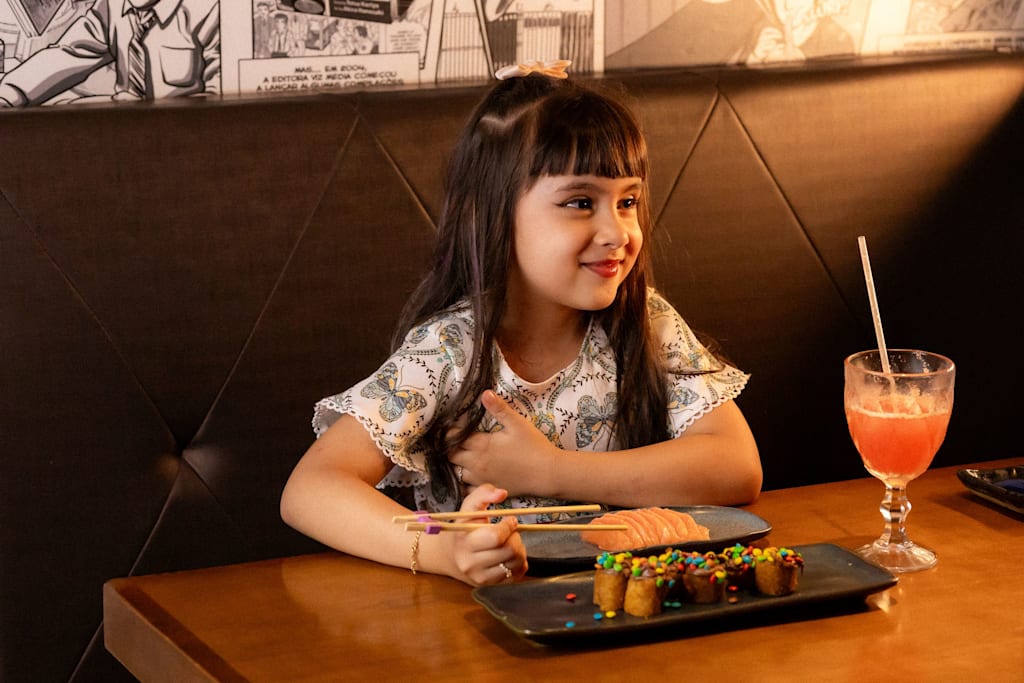
The family restaurant on Maple Street had been open for twenty-two years.
It served soup, grilled fish, rice plates, sandwiches, and a chocolate cake that nobody could explain but everyone ordered. The menu was too long, the chairs did not match, and the owner, Mrs. Alvarez, knew which customers liked extra lemon without asking.
For many people in the neighborhood, it was not just a restaurant.
It was a habit.
But after the street changed, the restaurant began to feel different. New offices opened nearby. Young families moved into renovated apartments. More people came with laptops during late afternoons. Parents brought children after school. Older regulars still came for early dinners and wanted the same quiet tables they had always liked.
The restaurant was busier than before.
It was also louder.
Mrs. Alvarez first thought noise was simply a sign of success. But then one regular couple stopped coming on Fridays. A man who used to read near the window began ordering takeaway instead. A mother asked if there was “somewhere a little calmer” to sit with her toddler.
The restaurant had enough tables, but not enough kinds of space.
That was a new problem.
Her son, Mateo, suggested rearranging the dining room. Mrs. Alvarez was reluctant. The tables had been in nearly the same places for years. Customers knew where they liked to sit. Staff knew the paths by memory.
But the room was serving more people in more ways than it used to.
So one Sunday after closing, they measured everything and created a restaurant floor plan. They marked the entrance, counter, kitchen door, restroom path, windows, tables, and server station.
Mateo asked his mother to imagine different customers.
A worker eating alone with a laptop.
A family with a stroller.
Two older regulars who wanted a quiet dinner.
A group of four coming in after a school event.
A delivery driver picking up an order.
When they looked at the plan, they saw that everyone was being treated the same. Same table spacing. Same lighting. Same noise level. Same paths crossing in the middle of the room.
The restaurant did not need more seats.
It needed clearer areas.
They moved two small tables near the window and made them better for solo diners or pairs. A larger family table moved closer to the back, where a stroller would not block the entrance. The server station shifted slightly so staff no longer passed between the quietest tables and the kitchen every few minutes.
Then they created the quiet corner.
It was not a separate room. Just two tables near the side wall, softened with warmer light and a small divider shelf holding plants and extra napkins. It gave people a feeling of being slightly away from the rush without being hidden.
Mrs. Alvarez cared about how the room felt, not just how it functioned. Mateo showed her a few ai interior design ideas for gentle updates: warmer wall color near the quiet corner, softer lighting, and a simple shelf that matched the old wooden chairs instead of looking too modern.
She rejected anything that made the restaurant look new in the wrong way.
“This place has wrinkles,” she said. “We keep some wrinkles.”
So they did.
The changes were modest. No dramatic renovation. No new identity. The chocolate cake stayed in the same glass case. The old photos stayed on the wall. The chairs still did not match perfectly.
But the restaurant began to work better for the people who had changed around it.
The older couple came back on a Thursday and chose the quiet corner. A student sat near the window with a laptop and ordered soup. A family with a stroller was seated near the back without blocking anyone. Staff moved more easily, though one server complained for three days about needing to relearn table numbers.
A month later, Mrs. Alvarez stood by the counter and watched the dinner service.
The room sounded the same at first: forks, voices, the kitchen bell, children laughing, someone asking for more water.
But underneath the noise, there was less friction.
People seemed to know where they belonged.
That is a delicate thing in a restaurant.
A good dining room does not force every guest into the same experience. It makes space for different kinds of hunger: quick lunch, quiet dinner, family meal, coffee alone, cake after a long day.
Mrs. Alvarez did not change the soul of her restaurant.
She simply gave it a few new ways to welcome people.
About the Creator
Enjoyed the story? Support the Creator.
Subscribe for free to receive all their stories in your feed.
Comments
There are no comments for this story
Be the first to respond and start the conversation.