
The 5 Levels of Care in Assisted Living Explained Simply
A Simple Guide to Understanding Senior Support Needs at Every Stage of Assisted Living

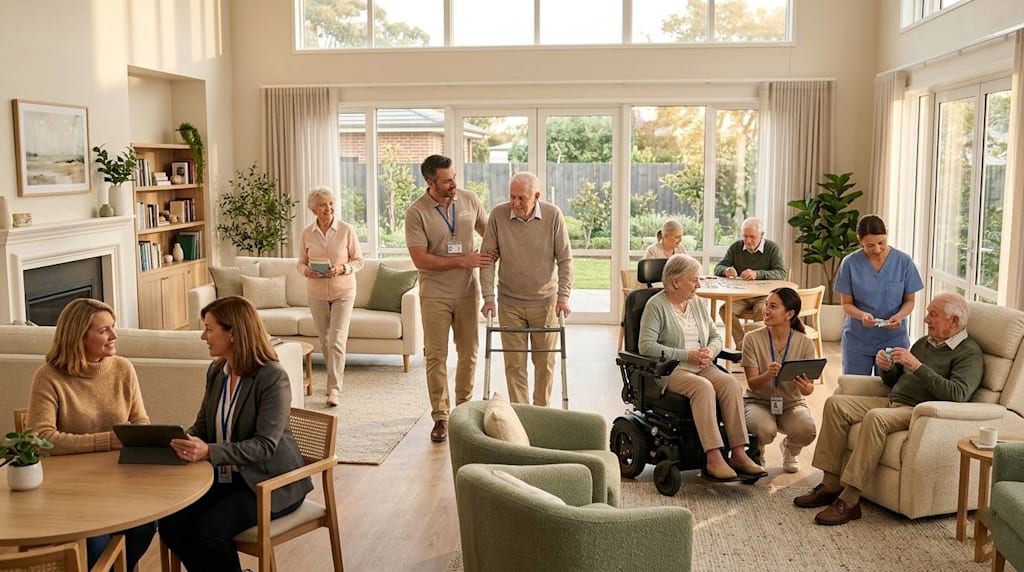
Deciding which senior living community should choose for a family member can be daunting. Families frequently have a lot of questions to answer, and one of the most frequently asked is about the 5 levels of care in assisted living. Families can feel more confident in making a decision and more comfortable about where to get support if they are familiar with what each level entails.
Assisted living communities are intended to offer aid to the elderly according to their particular requirements. Depending on the individual, some may only need limited help in their day-to-day activities, while others may need more intensive care. These levels are intended to provide individual help to each resident to the best of their ability while keeping them as independent as possible.
Learning about the 5 levels of care in assisted living can assist families in planning for both current and future care needs.
So What Are the 5 Levels of Care in Assisted Living?
The 5 levels of care in assisted living are used to determine the degree of assistance a resident needs. A senior’s level is usually identified during an evaluation performed by trained healthcare professionals at the time of community move-in.
The assessment focuses on how a person manages everyday activities, including:
Bathing and grooming
Dressing
Mobility
Medication management
Eating
Toileting
Cognitive function
Social engagement
The results are then used to decide the resident’s care level. As needs change, the level of care may also be adjusted.
Now, let’s look at each level in simple terms.
Level 1: Minimal Assistance
Level 1 is for seniors who are primarily independent but require periodic assistance.
At this stage, residents can usually perform most self-care tasks on their own. They may simply need medication reminders, light housekeeping services, or help with minor tasks such as scheduling appointments.
This is a great option for older adults who want to maintain independence while enjoying the benefits of a social living community.
Examples of common services provided at this level include:
Meal preparation
Housekeeping
Transportation services
Social activities
Emergency response systems
This is often the starting point in the 5 levels of care in assisted living for active seniors entering assisted living communities.
Level 2: Moderate Support
Level 2 is for seniors who require more regular assistance with certain Activities of Daily Living.
At this stage, seniors may need help with bathing, dressing, or medication administration. While they can still handle many tasks independently, they benefit from caregiver support throughout the day.
This level offers more structured support while still encouraging self-sufficiency.
Services may include:
Daily medication reminders
Assistance with personal hygiene
Mobility support
Wellness monitoring
Assistance with meal schedules
Many families find this level reassuring because it balances independence with dependable care.
Level 3: Enhanced Personal Care
Level 3 provides more hands-on support for seniors who need frequent assistance.
Residents at this level may need help with multiple daily living activities. This might include assistance moving from bed to chair, toileting support, or close supervision due to mobility concerns.
Caregiver involvement becomes much more consistent throughout the day.
Typical services include:
Full assistance with dressing and bathing
Mobility and transfer support
Continence care
Frequent health checks
Personalized care planning
Within the 5 levels of care in assisted living, this stage offers continuous support in a comfortable, home-like environment.
Level 4: Extensive Care
Level 4 is designed for seniors who need significant daily support and close supervision.
Residents may have advanced chronic conditions, major physical limitations, or memory challenges that require constant monitoring.
At this level, caregivers assist with nearly every aspect of daily living.
Support often includes:
Comprehensive personal care
Assistance with eating
Frequent medication administration
Mobility assistance
Ongoing health observation
Some assisted living communities also coordinate with outside healthcare providers to ensure proper medical support.
This level reflects a greater need for assistance within the 5 levels of care in assisted living.
Level 5: Highest Level of Care
Level 5 is the highest level of assistance available in assisted living.
At this stage, residents often require nearly full-time support due to severe physical limitations, advanced health concerns, or significant dementia-related needs.
Care is highly personalized and closely supervised by trained staff.
Services typically include:
24-hour supervision
Full assistance with Activities of Daily Living (ADLs)
Individualized memory care support
Advanced medication management
Close coordination with healthcare professionals
For families, this level offers peace of mind knowing their loved one is receiving compassionate, attentive care around the clock.
How Care Levels Are Determined
Assisted living care is not selected randomly. Communities carefully evaluate residents before move-in and continue reassessments regularly.
These assessments consider:
Physical health
Cognitive abilities
Mobility
Emotional well-being
Medical history
Ability to perform daily activities
If a resident’s condition changes, the care plan can be adjusted to reflect those evolving needs.
One of assisted living’s greatest advantages is its flexibility. Seniors can often remain in the same familiar setting even as their care needs increase.
Why Understanding Care Levels Matters
Knowing the 5 levels of care in assisted living helps families make informed decisions.
It helps answer important questions such as:
Will this community meet future care needs?
What kind of help does my loved one need right now?
What services are included at each level?
How will costs change if care needs increase?
Understanding these levels allows families to plan ahead and avoid unnecessary stress later.
Final Thoughts
Choosing senior care can feel overwhelming, but understanding the 5 levels of care in assisted living makes the process much clearer.
These care levels ensure seniors receive the right amount of support while preserving dignity, comfort, and independence. From minimal assistance to full daily care, assisted living communities are designed to adapt as needs change.
By understanding these levels, families can make informed decisions and find a safe, supportive, and enriching environment for their loved ones.
About the Creator
Patrica Overton
Patricia Overton is a devoted caregiver at Azalea Gardens Assisted Living & Memory Care, known for her kindness and dedication to residents.
Enjoyed the story? Support the Creator.
Subscribe for free to receive all their stories in your feed.
Comments
There are no comments for this story
Be the first to respond and start the conversation.