
Talking to Your Partner About Becoming a Surrogate: Real Questions, Honest Answers
Published: January 29, 2026

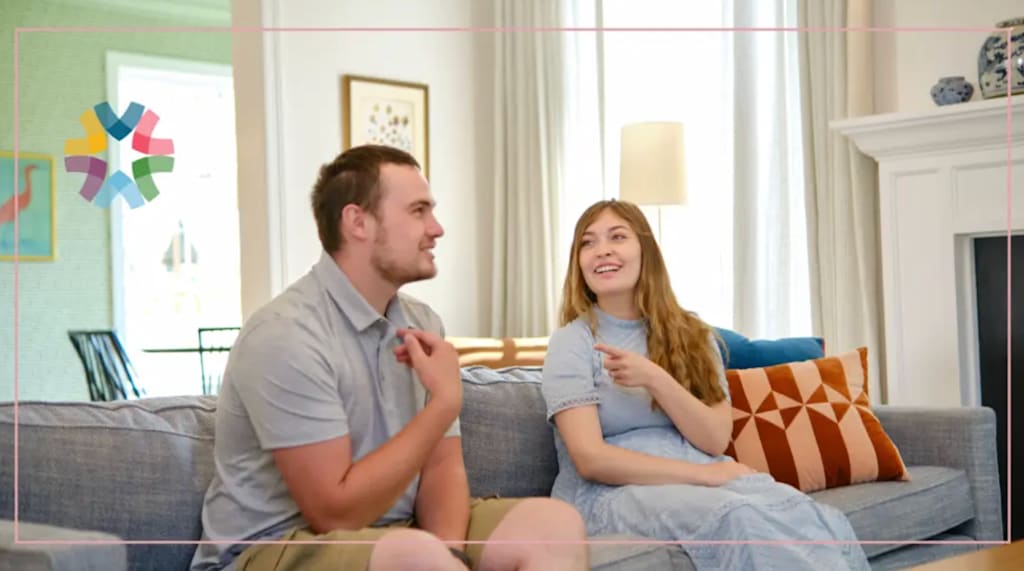
All Things Conceivable: A Surrogacy Podcast with Nazca Fontes
Thinking about becoming a surrogate? Starting the conversation with your partner is a crucial — but often vulnerable — first step. In this episode of All Things Conceivable, we explore how prospective surrogates approach this deeply personal conversation with empathy, patience, and confidence — offering practical guidance to make it honest, open, and supportive.
Joining Nazca Fontes are two insightful guests: Lori Jurecko, a ConceiveAbilities mental health support professional and experienced surrogate, and Allyson Meadows, a surrogacy legal assistant at the very beginning of her own surrogacy journey. Together, they share real-life experiences, professional insight, and candid reflections on what it truly takes to bring a partner into the surrogacy conversation.
In this Q&A-style blog, we break down the most common questions, concerns, and turning points discussed on the podcast. Whether your partner is immediately supportive, cautiously neutral, or hesitant, these honest answers help you feel informed, confident, and supported. Use them as a guide to start the conversation with your partner about becoming a surrogate.
🎧 Dive into the full episode to hear Lori’s professional expertise and Allyson’s personal journey, sharing how to approach the partner conversation with confidence.
Q: Why is talking to my partner about surrogacy such a big deal?
A: Because surrogacy affects more than just your body — it touches your relationship, your family, your time, and your emotional energy.
As Nazca Fontes explains, many prospective surrogates think about surrogacy for months — or even years — before saying it out loud. Their partners, however, often hear about it for the very first time in that moment. That gap alone can create hesitation, uncertainty, or fear — and that reaction is completely normal.
Lori sees this dynamic often in her work:
“A lot of surrogates come into the conversation already emotionally invested, while their partner is still at square one.” — Lori Jurecko
She also notes that simply “floating the idea” early — without pressure or urgency — gives partners time to process and engage more openly when the conversation deepens.
Why Partners Hesitate
Q: Is it normal if my partner isn’t immediately on board?
A: Yes — extremely normal.
According to Lori, hesitation is the most common first response from partners during the screening process. Hesitation does not mean rejection. Neutral does not mean no. And even a firm “no” today may change over time.
Allyson shares that her husband initially gave a hard no — and that answer lasts for six years. What shifts things isn’t pressure, but time, information, and emotional readiness.
“His ‘no’ wasn’t about not trusting me — it’s about fear and needing time to feel safe with the idea.” — Allyson Meadows
Her experience reminds listeners that surrogacy unfolds over time, not in a single conversation.
Common Concerns About Surrogacy
Q: What are partners usually most concerned about?
While every relationship looks different, three concerns come up most often:
1. Medical Risk
Partners worry about the “what ifs” — what if something goes wrong, or if surrogacy affects future pregnancies. Lori encourages couples to name these fears openly.
“When couples say the medical fears out loud, it often brings relief instead of distance.” — Lori Jurecko
2. Emotional Attachment
Many partners wonder if the surrogate will feel emotionally attached. Most surrogates are clear from the start: they are carrying someone else’s child. The embryo isn’t genetically theirs, and their motivation centers on helping another family.
3. Impact on Family Life
Partners also think about logistics — time, routines, emotional energy, and children. Timing matters, and many families feel more comfortable exploring surrogacy once their own family feels complete.
Balancing Facts and Feelings Before the Conversation
Q: Should I come to the conversation with facts — or feelings?
A: Both — but start with your why.
Facts answer questions, but your “why” helps your partner connect emotionally. Allyson reflects that early on, she talked to her husband about surrogacy before fully understanding her own motivation. With clarity, the conversation feels different.
“When you know your ‘why,’ the conversation feels less like convincing and more like sharing.” — Allyson Meadows
Before you talk, ask yourself:
Why does this matter to me right now?
What part of surrogacy resonates most deeply?
How does this align with who I am and what I value?
Leading with your why often shifts the tone from tension to understanding.
What If Your Partner Says No?
Q: How can I help my partner feel more comfortable with the idea?
For Allyson, the turning point came when her husband saw the people behind surrogacy. Learning intended parents’ stories transforms surrogacy from an abstract concept into a meaningful opportunity.
“Once surrogacy becomes about real people instead of an idea, everything shifts for us.” — Allyson Meadows
Sharing stories — through podcasts, articles, videos, or real experiences — helps partners connect emotionally in ways facts alone sometimes can’t.
Your Partner’s Role in the Surrogacy Journey
Q: Does my partner have to be extremely involved in the surrogacy process?
A: No — they get to decide their level of involvement. Some partners want to be very hands-on, while others prefer to support from a distance, and both are completely okay.
Allyson shares from her experience:
“Your partner doesn’t have to do everything or be involved in every step. They get to choose how much they participate, and that can change over time. What matters most is that they support you in the way that feels right for your family.” — Allyson Meadows
This takes the pressure off both partners and emphasizes that surrogacy is a shared journey, but not one-size-fits-all. Each couple can find their own balance of involvement that feels supportive and comfortable.
Q: What’s the most important thing to remember?
A: This is a process, not a moment.
As Nazca Fontes emphasizes:
Expect it to take time
Have information ready
Anticipate nerves
Know your why
Keep the conversation going
Lori reinforces that partners often move at different speeds — but that doesn’t mean they aren’t moving together.
“Surrogacy isn’t one conversation — it’s something couples grow into together.” — Lori Jurecko
Surrogacy doesn’t begin with a match or a medical appointment. It begins with honest communication, patience, and mutual respect.
Next Step: From Reflection to Action
When you’re ready to move from thinking to talking, our companion blog How to TalkYour Partner About Becoming a Surrogate: Expert Tips to Start the Conversation With Confidence, walks you through that first conversation step by step.
Read more about how to start your surrogacy journey with ConceiveAbilities.
About the Creator
ConceiveAbilities Egg Donor and Surrogacy Agency
ConceiveAbilities is a leading egg donor and surrogacy agency that has helped build families for over 30 years. Learn more about becoming a surrogate, egg donation, the surrogacy process and modern family building.
Enjoyed the story? Support the Creator.
Subscribe for free to receive all their stories in your feed.
Comments
There are no comments for this story
Be the first to respond and start the conversation.