humanity
Humanity begins at home.
The Enduring Power of Family: A Haven of Love, Growth, and Unity
Introduction: Family, an eternal cornerstone of human existence, embodies the essence of love, growth, and unity. It is a sanctuary where we find solace, forge lifelong bonds, and discover our true selves. In this captivating exploration of the enduring power of family, we delve into the profound impact it has on our lives, the transformative journeys it takes us on, and the unwavering support it provides. Join us as we celebrate the essence of family, a vibrant tapestry that weaves together the threads of love, compassion, and belonging.
By Santhoshkumar3 years ago in Families
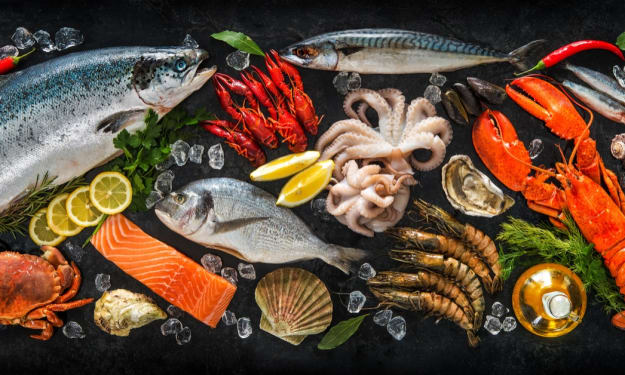
How Eating Marine Fish Can Boost Your Health and Happiness
• Why You Should Eat More Marine Fish Fish is one of the healthiest foods on the planet. It is packed with protein, vitamins, minerals, and omega-3 fatty acids that are essential for your body and brain. But not all fish are created equal. Some fish are higher in nutrients and lower in contaminants than others. That's why you should eat more marine fish, especially the fatty ones like salmon, sardines, and mackerel. Here are some of the amazing benefits of eating marine fish. • It Provides Instant Energy Your body needs an adequate amount of protein to stay energized. Consuming fish can work as an instant energy booster due to the high protein content found in it. Protein also helps build and repair your muscles, bones, skin, and hair. Marine fish are especially rich in protein, with about 20–25 grams per 3-ounce (85-gram) serving². That's more than a quarter of your daily protein needs. • It Lowers Your Risk of Heart Disease and Stroke Heart disease and stroke are the leading causes of death worldwide². Eating fish can help protect your heart and blood vessels from these conditions. The omega-3 fatty acids in fish lower your blood pressure, heart rate, triglycerides, and inflammation. They also prevent the formation of blood clots and irregular heartbeats that can lead to heart attacks and strokes²⁵. Studies show that eating at least one serving of fish per week can reduce your risk of heart disease by 15% and your risk of stroke by 6%². • It Supports Your Brain and Eye Health Omega-3 fatty acids are also crucial for your brain and eye development and function. They make up a large part of the cell membranes in your nervous system and retina. They help transmit signals between nerve cells and improve your memory, learning, mood, and vision². Eating marine fish can provide you with enough omega-3s to meet your daily needs. For example, a half fillet (154-gram) of wild-caught salmon contains about 4 grams of omega-3s, which is more than the recommended intake for most adults³. Studies show that eating fish can lower your risk of cognitive decline, dementia, depression, and age-related macular degeneration². • It Boosts Your Immune System and Skin Health Marine fish are also rich in other nutrients that support your immune system and skin health. They contain vitamin B12, selenium, zinc, and iron, which are involved in producing antibodies, fighting infections, healing wounds, and preventing anemia²⁴. They also contain vitamin D, which helps regulate your immune response and calcium absorption². Vitamin D is often lacking in many people's diets, especially in winter or in areas with low sunlight exposure. Eating fatty fish can help you get enough vitamin D to prevent deficiency and its associated health problems². • It Is Easy to Digest and Delicious Marine fish meat is easy to digest and does not cause bloating or gas like some other animal products. It also helps the body to grow and decay⁴. Moreover, marine fish are delicious and versatile. You can enjoy them grilled, baked, steamed, or fried. You can also add them to salads, soups, sandwiches, or pasta dishes. There are many types of marine fish to choose from, such as tuna, cod, herring, trout, halibut, or anchovies. Just make sure to choose low-mercury fish that are wild-caught or sustainably farmed². As you can see, eating marine fish has many benefits for your health and well-being. It can provide you with instant energy, lower your risk of heart disease and stroke, support your brain and eye health, boost your immune system and skin health, and satisfy your taste buds. So what are you waiting for? Add more marine fish to your diet today and enjoy its amazing effects!
By Mostafa Gamal 3 years ago in Families
Spirituality of India
"Just as a candle cannot burn without fire, man cannot live without a spiritual life." – Buddha. The spiritual practices of India have piqued a lot of interest in the West for a number of decades. This interest arises for a variety of reasons, including the following:
By Manish kumar3 years ago in Families
Motherly love
Once upon a time, in a small village nestled among rolling hills, lived a young woman named Emily. She had a heart full of love and a radiant smile that could light up the darkest of days. Emily was known for her kind and compassionate nature, and she always went out of her way to help others.
By Johnny blind3 years ago in Families
Fragments of Love
Once upon a time, in a quaint village nestled amidst rolling hills, there lived a family that was the epitome of love and togetherness. The Thompsons, consisting of Thomas, Amelia, and their young daughter Emily, were known for their warm hearts and unwavering bond. However, as fate would have it, a tragedy struck that shook their world to its core.
By sheila akoth3 years ago in Families
The Alarming Rise of Childhood Kidney Stones
Kidney stones are typically associated with adults, but there has been a concerning rise in the number of children being diagnosed with this painful condition. As a parent, it is crucial to understand childhood kidney stones, their causes, symptoms, and treatment options. By educating ourselves, we can take proactive steps to protect our children's kidney health. In this article, we will explore the alarming rise of childhood kidney stones and provide essential information for parents.
By Erastus Nyoike3 years ago in Families
The Dangers of Trans Fats
Trans fats are a type of unhealthy fat that has garnered significant attention due to their detrimental effects on cardiovascular health. These fats are artificially produced through a process called hydrogenation, which converts liquid vegetable oils into solid fats. Trans fats have been widely used in the food industry for their ability to improve the texture, flavor, and shelf life of processed foods. However, research has shown that consuming trans fats can have serious implications for cardiovascular health, increasing the risk of heart disease, stroke, and other related conditions. This essay aims to explore the dangers of trans fats, shed light on their impact on cardiovascular health, and discuss measures taken to reduce their presence in the food supply.
By solomon Christian3 years ago in Families
Horse and mares relationship
In the lush meadows of the Sunflower Valley, a tale of love, loyalty, and the enduring bond between horses and mares unfolds. The valley was blessed with abundant sunshine, fertile soil, and sparkling rivers that flowed through its heart. It was here that a majestic stallion named Thunder and a graceful mare named Starlight would come to shape the history of horsekind.
By Imran Farooq 3 years ago in Families
Whispers of Remembrance
It's been six months since I lost my father, and the pain still lingers like an unwelcome guest. Grief is a complex companion, one that settles into the corners of your heart and permeates every aspect of your being. It's a journey of navigating through the intricate layers of loss, coping with the absence of a loved one, and ultimately finding a way to carry their memory forward.
By Penny Wise3 years ago in Families
"Embracing the Pillars of Support: The Crucial Role of Family in Battling Depression"
Depression is a common mental health disorder that affects millions of people worldwide. It is characterized by persistent feelings of sadness, a loss of interest or pleasure in activities, and a range of physical and emotional symptoms. This condition can significantly impair an individual's daily functioning, relationships, and overall quality of life. Depression is more than just feeling down or experiencing temporary sadness. It is a complex and multifaceted disorder that can manifest in various ways and affect people differently. Let's delve deeper into some key aspects of depression: 1. Symptoms of Depression: Depression can present a wide range of symptoms that vary in severity and duration. Some common symptoms include: - Persistent feelings of sadness, emptiness, or hopelessness - Loss of interest or pleasure in activities once enjoyed - Changes in appetite and weight (either significant weight loss or gain) - Sleep disturbances (insomnia or excessive sleep) - Fatigue or loss of energy - Difficulty concentrating, making decisions, or remembering things - Feelings of guilt, worthlessness, or excessive self-criticism - Restlessness or slowed movements - Recurrent thoughts of death or suicide It's important to note that not everyone experiences the same symptoms, and the severity and duration of symptoms can also vary. It is recommended to consult with a mental health professional for an accurate diagnosis. 2. Causes of Depression: The exact causes of depression are not fully understood, but it is believed to result from a combination of genetic, biological, environmental, and psychological factors. Some common contributors to depression include: - Biological factors: Imbalances in brain chemicals (neurotransmitters) such as serotonin, norepinephrine, and dopamine can influence mood regulation. Additionally, a family history of depression or other mental health disorders may increase the risk of developing depression. - Environmental factors: Traumatic life events such as the loss of a loved one, financial difficulties, relationship problems, or chronic stress can trigger or exacerbate depression. Additionally, certain medical conditions, such as chronic illness or hormonal imbalances, can also contribute to the onset of depression. - Psychological factors: Individuals with low self-esteem, a negative outlook on life, or a history of childhood trauma or abuse may be more susceptible to developing depression. Certain personality traits, such as perfectionism or pessimism, can also increase the risk. 3. Types of Depression: Depression can manifest in different forms, and understanding these variations can help with accurate diagnosis and treatment. Some common types of depression include: - Major depressive disorder (MDD): This is the most common form of depression and involves persistent feelings of sadness, loss of interest, and a range of other symptoms that significantly affect daily life. - Persistent depressive disorder (PDD): PDD, formerly known as dysthymia, is a chronic form of depression characterized by milder symptoms that persist for at least two years. Individuals with PDD may experience periods of major depressive episodes as well. - Postpartum depression: Occurring after childbirth, this type of depression is characterized by intense feelings of sadness, exhaustion, and anxiety that can interfere with a mother's ability to care for herself and her baby. - Seasonal affective disorder (SAD): SAD is a type of depression that follows a seasonal pattern, typically occurring in the fall or winter when there is less sunlight. It tends to resolve in the spring and summer months. 4. Treatment and Support: The good news is that depression is treatable, and many individuals can experience significant improvement with appropriate care. Common treatment approaches include: - Psychotherapy: Talk therapy, such as cognitive-behavioral therapy (CBT) or interpersonal therapy ,can help individuals identify and modify negative thought patterns, learn coping strategies, and improve problem-solving skills. - Medication: Antidepressant medications, such as selective serotonin reuptake inhibitors (SSRIs), may be prescribed by healthcare professionals to help rebalance brain chemicals and alleviate symptoms. - Lifestyle modifications: Engaging in regular exercise, maintaining a healthy diet, getting sufficient sleep, and reducing stress can support overall well-being and complement other treatment approaches. - Support network: Building a strong support system, including family, friends, and support groups, can provide emotional support, understanding, and encouragement throughout the recovery process. It is crucial for individuals experiencing depression to seek help from qualified healthcare professionals who can provide an accurate diagnosis and create an individualized treatment plan.
By Psyche Abigael Edualino3 years ago in Families