foster
Foster care makes all the difference in the life of a young child that's been neglected or rescued from harm's way.
Toxic Love
Welcome, everyone! Today, we gather to discuss an important topic that affects many of us at some point in our lives: toxic relationships. Whether you're a man or a woman, toxic relationships can have a significant impact on your happiness, self-esteem, and overall well-being. Today, we'll delve deeper into this subject, learning how to identify the red flags of a toxic relationship and discussing actionable steps to protect yourself and break free from these harmful situations.
By kim Tjokrodimedjo3 years ago in Families
Dr. Seuss’s 15 Best Children Books Ranked
Dr. Seuss, a beloved author and illustrator, has enchanted generations of children with his whimsical tales and captivating illustrations. In this blog post, we will explore and rank the top 15 children's books by Dr. Seuss. From imaginative adventures to valuable life lessons, these books have left an indelible mark on young readers. Join us as we dive into the magical world of Dr. Seuss and uncover the treasures hidden within his timeless stories.
By NovelNest Books3 years ago in Families
Reunion: A Separated Family's story
Reunion: A Separated Family's story The Unforeseen Separation Once aloft a time in the arcadian boondocks of Meadowbrook, there lived a ancestors of four: the Johnsons. Mr. and Mrs. Johnson, forth with their two adolescent children, Emily and Ethan, led a blissful and contented life. However, their peaceful actuality was abruptly burst one acute day.
By George Michael3 years ago in Families
How to Eat Your Way to a Healthy Heart: The Best Foods for Preventing and Managing Heart Disease
• How to Eat Your Way to a Healthy Heart: The Best Foods for Preventing and Managing Heart Disease • Here are some tips first to keep a healthy heart Heart Health: Tips to Keep Your Heart Healthy Heart disease is one of the leading causes of death in the world, but it can be prevented by following a heart-healthy lifestyle. Here are some tips to help you protect your heart and reduce your risk of heart problems. Don’t smoke or use tobacco. Smoking damages the heart and blood vessels, increases blood pressure and heart rate, and reduces the oxygen in the blood. Quitting smoking can lower your risk of heart disease significantly within a year. Avoid secondhand smoke as well. Get moving. Physical activity helps control your weight, lower your blood pressure and cholesterol, and prevent type 2 diabetes. Aim for at least 150 minutes of moderate aerobic exercise or 75 minutes of vigorous aerobic exercise per week, plus strength training twice a week. You can also do shorter bouts of activity throughout the day, such as walking, gardening, or taking the stairs. Eat a heart-healthy diet. A balanced diet that includes plenty of vegetables, fruits, whole grains, beans, lean meats, fish, low-fat dairy, and healthy fats can help protect your heart. Avoid foods that are high in salt, sugar, saturated fat, and trans fat. Some examples of heart-healthy eating plans are the DASH diet and the Mediterranean diet. Manage your stress. Stress can affect your mood, blood pressure, and heart health. Find healthy ways to cope with stress, such as hobbies, music, laughter, meditation, or therapy. Avoid using alcohol, drugs, or tobacco to deal with stress. Know your numbers. Check your blood pressure, cholesterol, blood sugar, and body mass index (BMI) regularly and talk to your doctor about your results. These numbers can help you monitor your heart health and identify any risk factors or problems that need treatment. Take care of your teeth. Poor oral hygiene can increase the risk of infections that can affect the heart. Brush your teeth twice a day, floss daily, and visit your dentist regularly. Drink moderately. Alcohol can have both positive and negative effects on the heart, depending on how much you drink. Moderate drinking (one drink a day for women and two drinks a day for men) may lower the risk of some types of heart disease, but heavy drinking can increase blood pressure, damage the heart muscle, and cause other problems. If you don’t drink alcohol, don’t start for the sake of your heart. Have fun. Having a positive outlook and enjoying life can boost your heart health. Do things that make you happy, such as spending time with friends and family, pursuing your passions, or having sex. Sex can also lower blood pressure and improve cardiovascular fitness. By following these tips, you can improve your heart health and live a longer and happier life. The Heart-Healthy Diet: What to Eat and What to Avoid for Optimal Cardiovascular Health How to Eat Your Way to a Healthy Heart: The Best Foods for Preventing and Managing Heart Disease • Introduction: Explain what heart disease is and why it is important to eat healthy foods to prevent or manage it. Provide some statistics or facts to support your claim. State your main argument or thesis statement, such as "Eating a balanced diet rich in fruits, vegetables, whole grains, nuts, seeds, fish, and lean meats can lower the risk of heart disease and improve the quality of life for people with heart disease." • Body paragraph 1: Discuss how fruits and vegetables can benefit the heart by providing antioxidants, vitamins, minerals, and fiber. Give some examples of fruits and vegetables that are good for the heart, such as berries, citrus fruits, leafy greens, tomatoes, carrots, etc. Explain how they can lower blood pressure, cholesterol, inflammation, and oxidative stress. • Body paragraph 2: Discuss how whole grains can benefit the heart by providing complex carbohydrates, fiber, phytochemicals, and minerals. Give some examples of whole grains that are good for the heart, such as oats, barley, quinoa, brown rice, etc. Explain how they can regulate blood sugar, lower cholesterol, and prevent blood clots. • Body paragraph 3: Discuss how nuts and seeds can benefit the heart by providing healthy fats, protein, fiber, and antioxidants. Give some examples of nuts and seeds that are good for the heart, such as almonds, walnuts, pistachios, flaxseeds, chia seeds, etc. Explain how they can lower cholesterol, triglycerides, blood pressure, and inflammation. • Body paragraph 4: Discuss how fish and lean meats can benefit the heart by providing protein, omega-3 fatty acids, iron, and zinc. Give some examples of fish and lean meats that are good for the heart, such as salmon, tuna, sardines, chicken breast, turkey breast, etc. Explain how they can lower triglycerides, blood pressure, inflammation, and improve blood flow. • Conclusion: Summarize your main points and restate your thesis statement. Emphasize the importance of eating a balanced diet for heart health and provide some tips or recommendations for choosing and preparing healthy foods.
By Mostafa Gamal 3 years ago in Families
A Tale of Sorrow
A Tale of Sorrow: The Plight of a Burst Family The Alpha of Despair In a baby boondocks tucked abroad in the countryside, there lived a ancestors whose actuality was abounding by sadness. John and Sarah had already been a appropriately affiliated couple, but their adulation had boring breakable over time.
By George Michael3 years ago in Families
A Brush of Love
Once upon a time, in a small village nestled amidst rolling hills, lived a loving father named James and his beloved daughter, Lily. James was a humble farmer, known for his hard work and kind heart. Lily, a young girl with bright eyes and a contagious smile, was his pride and joy.
By Miss A. Monday3 years ago in Families
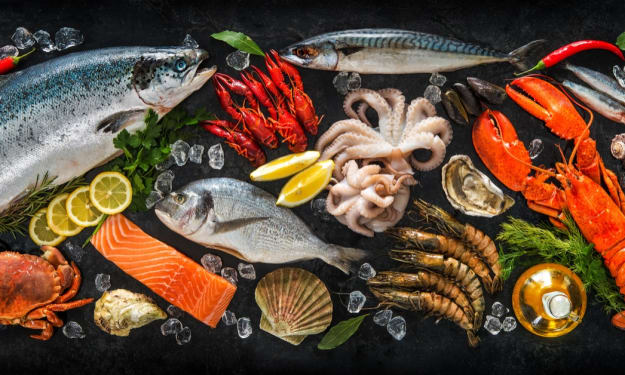
How Eating Marine Fish Can Boost Your Health and Happiness
• Why You Should Eat More Marine Fish Fish is one of the healthiest foods on the planet. It is packed with protein, vitamins, minerals, and omega-3 fatty acids that are essential for your body and brain. But not all fish are created equal. Some fish are higher in nutrients and lower in contaminants than others. That's why you should eat more marine fish, especially the fatty ones like salmon, sardines, and mackerel. Here are some of the amazing benefits of eating marine fish. • It Provides Instant Energy Your body needs an adequate amount of protein to stay energized. Consuming fish can work as an instant energy booster due to the high protein content found in it. Protein also helps build and repair your muscles, bones, skin, and hair. Marine fish are especially rich in protein, with about 20–25 grams per 3-ounce (85-gram) serving². That's more than a quarter of your daily protein needs. • It Lowers Your Risk of Heart Disease and Stroke Heart disease and stroke are the leading causes of death worldwide². Eating fish can help protect your heart and blood vessels from these conditions. The omega-3 fatty acids in fish lower your blood pressure, heart rate, triglycerides, and inflammation. They also prevent the formation of blood clots and irregular heartbeats that can lead to heart attacks and strokes²⁵. Studies show that eating at least one serving of fish per week can reduce your risk of heart disease by 15% and your risk of stroke by 6%². • It Supports Your Brain and Eye Health Omega-3 fatty acids are also crucial for your brain and eye development and function. They make up a large part of the cell membranes in your nervous system and retina. They help transmit signals between nerve cells and improve your memory, learning, mood, and vision². Eating marine fish can provide you with enough omega-3s to meet your daily needs. For example, a half fillet (154-gram) of wild-caught salmon contains about 4 grams of omega-3s, which is more than the recommended intake for most adults³. Studies show that eating fish can lower your risk of cognitive decline, dementia, depression, and age-related macular degeneration². • It Boosts Your Immune System and Skin Health Marine fish are also rich in other nutrients that support your immune system and skin health. They contain vitamin B12, selenium, zinc, and iron, which are involved in producing antibodies, fighting infections, healing wounds, and preventing anemia²⁴. They also contain vitamin D, which helps regulate your immune response and calcium absorption². Vitamin D is often lacking in many people's diets, especially in winter or in areas with low sunlight exposure. Eating fatty fish can help you get enough vitamin D to prevent deficiency and its associated health problems². • It Is Easy to Digest and Delicious Marine fish meat is easy to digest and does not cause bloating or gas like some other animal products. It also helps the body to grow and decay⁴. Moreover, marine fish are delicious and versatile. You can enjoy them grilled, baked, steamed, or fried. You can also add them to salads, soups, sandwiches, or pasta dishes. There are many types of marine fish to choose from, such as tuna, cod, herring, trout, halibut, or anchovies. Just make sure to choose low-mercury fish that are wild-caught or sustainably farmed². As you can see, eating marine fish has many benefits for your health and well-being. It can provide you with instant energy, lower your risk of heart disease and stroke, support your brain and eye health, boost your immune system and skin health, and satisfy your taste buds. So what are you waiting for? Add more marine fish to your diet today and enjoy its amazing effects!
By Mostafa Gamal 3 years ago in Families
Child Abuse Investigation
A Georgia woman was arrested after she was caught on camera dragging a child by the hair. The unidentified woman was recorded in surveillance footage dragging the small child down a hallway of an apartment complex in Atlanta, Georgia. According to police, the woman had been caring for the child and has been charged with cruelty to children in the first degree. The incident is still under investigation and no further details have been released.
By Ebem Charles 3 years ago in Families