
Professor Carlton Jama Adams on Teaching Children Responsibility Without Taking Away Their Independence
How Structured Parenting Can Help Children Develop Confidence, Resilience, and Strong Decision-Making Skills

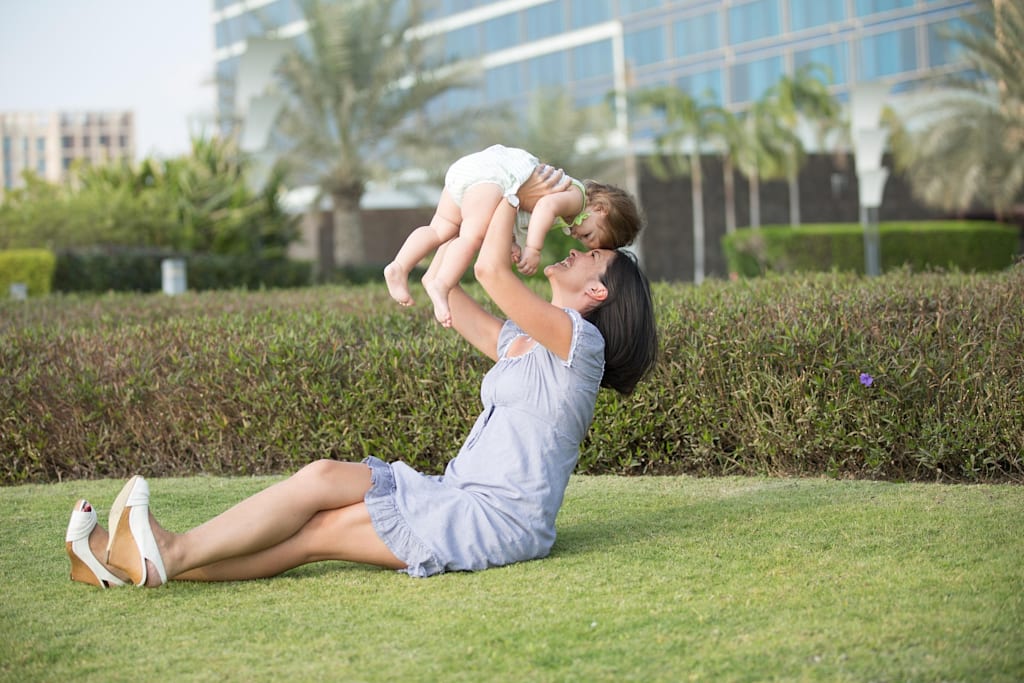
Professor Carlton Jama Adams is a licensed clinical psychologist and psychology professor specializing in healthy parenting. His work highlights the importance of creating family environments where children feel both supported and capable. One of the most valuable lessons in child development is that children need more than protection and guidance. They also need opportunities to practice independence. When parents combine structure with age-appropriate autonomy, children are more likely to develop confidence, resilience, and the ability to think for themselves.
Many parents want to prepare their children for adulthood, but the process can feel complicated. Questions often arise about how much freedom children should have and when they should begin taking on greater responsibility. Some parents worry that too much independence could lead to mistakes, while others fear that too many rules might limit personal growth.
The reality is that healthy development often occurs when structure and independence work together. Children benefit from knowing they have support while also learning how to make decisions, solve problems, and take responsibility for their actions.
Why Independence Should Be Developed Gradually
Independence is not a skill that appears overnight. It develops through repeated experiences and opportunities to make choices. Just as children learn reading, writing, or athletic skills over time, they also learn how to think independently through practice.
Young children can begin by making simple decisions. Choosing clothing, helping organize personal belongings, or selecting activities are small but meaningful ways to encourage responsibility. As children mature, these opportunities can expand to include managing schedules, handling school assignments, and making decisions related to personal goals.
Gradual independence helps children gain confidence in their abilities. It allows them to learn from both successes and mistakes while knowing that guidance remains available when needed.
Professor Carlton Jama Adams often emphasizes that independence does not mean a lack of parental involvement. Rather, it means allowing children to participate actively in their own growth and development.
The Role of Structure in Building Security
Structure is often associated with discipline, but its benefits go far beyond behavior management. Children rely on structure to understand the world around them. Predictable routines and clear expectations create a sense of safety and stability.
Daily habits such as consistent bedtimes, family meals, homework schedules, and household responsibilities help children understand what is expected. These routines reduce uncertainty and provide a framework for healthy development.
Structure also teaches accountability. When children understand that responsibilities are part of daily life, they begin to develop self-discipline and organizational skills. These lessons become increasingly important as children grow older and take on more complex responsibilities.
Importantly, structure should be flexible enough to support individuality. Children benefit from consistency, but they also need opportunities to express their personalities, interests, and ideas within established boundaries.
Why Problem-Solving Matters More Than Immediate Answers
Parents naturally want to help their children avoid frustration. However, constantly solving problems on a child's behalf can limit opportunities for growth.
Problem-solving is one of the most important life skills children can develop. Whether dealing with school assignments, friendships, or personal challenges, children benefit from learning how to evaluate situations and identify possible solutions.
Instead of immediately providing answers, parents can ask thoughtful questions. Questions such as "What do you think would help?" or "What options do you have?" encourage children to think critically and take ownership of the situation.
These conversations help children build confidence in their reasoning abilities. They also teach patience, persistence, and adaptability.
Over time, children become more comfortable facing challenges because they understand that difficulties can be worked through rather than avoided.
Confidence Comes From Experience
Many people associate confidence with praise, but lasting confidence often develops through experience. Children gain confidence when they accomplish meaningful tasks and overcome obstacles through their own efforts.
Responsibilities provide valuable opportunities for growth. Completing chores, contributing to family life, managing schoolwork, and meeting commitments all help children develop a sense of competence.
Children who experience success through effort often develop stronger self-belief because they understand the connection between hard work and achievement.
At the same time, confidence is not built solely through success. Children also learn from mistakes. When mistakes are treated as learning opportunities rather than failures, children become more willing to take healthy risks and try new things.
Professor Carlton Jama Adams frequently highlights that confidence grows when children are trusted with responsibility and given opportunities to demonstrate their capabilities.
Learning Accountability Through Daily Life
Accountability is an essential part of becoming an independent thinker. Children need to understand that actions have consequences and that decisions affect both themselves and others.
Parents can teach accountability through everyday experiences. Following through on commitments, completing tasks, and accepting responsibility for mistakes are all important lessons.
Rather than focusing solely on punishment, effective accountability focuses on understanding and growth. Children learn more when they are encouraged to reflect on choices and consider how they might approach situations differently in the future.
This approach helps children develop self-awareness and personal responsibility. Over time, accountability becomes an internal value rather than something imposed by external rules.
Emotional Resilience and Healthy Growth
Resilience is the ability to recover from setbacks and continue moving forward. It is one of the most important qualities children can develop because challenges are a natural part of life.
Children build resilience when they encounter manageable difficulties and learn how to cope with them effectively. This may include dealing with disappointment, handling conflict, or working through academic struggles.
Supportive parenting plays a critical role in this process. Children benefit from knowing they have encouragement and guidance while still being allowed to navigate challenges independently.
Protecting children from every disappointment may provide temporary comfort, but it can also limit opportunities to develop coping skills. Resilience grows through experience, reflection, and perseverance.
Professor Carlton Jama Adams often points out that emotionally resilient children are not those who avoid challenges. They are those who learn how to face challenges with confidence and determination.
Communication as a Tool for Independence
Open communication helps children develop both emotional intelligence and independent thinking. When children feel comfortable expressing ideas, concerns, and opinions, they are more likely to engage thoughtfully with the world around them.
Parents can support communication by listening actively and creating opportunities for meaningful conversations. Asking questions, encouraging discussion, and respecting a child's perspective all contribute to stronger communication skills.
These interactions also help children understand how to express themselves respectfully and confidently. As they grow older, these communication skills become essential in relationships, education, and professional settings.
Children who feel heard are often more willing to seek guidance when they encounter challenges. This strengthens trust while supporting healthy independence.
Preparing Children for Adulthood
Every stage of childhood provides opportunities to develop skills that will be valuable later in life. The goal of parenting is not simply to manage behavior during childhood but to prepare children for adulthood.
Independent thinkers are often better equipped to navigate uncertainty, solve problems, and make thoughtful decisions. They understand how to balance personal responsibility with confidence in their abilities.
By combining structure, accountability, communication, and opportunities for independence, parents help children build a strong foundation for the future.
Professor Carlton Jama Adams emphasizes that raising capable children involves more than teaching rules. It involves helping children understand themselves, develop resilience, and build the skills needed to thrive in a complex world.
Conclusion
Raising independent thinkers within a structured home is a long-term process that requires patience, consistency, and trust. Children need guidance and support, but they also need opportunities to take responsibility, solve problems, and learn from experience.
When structure and independence work together, children develop confidence, accountability, and emotional resilience. These qualities help prepare them for future challenges and opportunities.
The parenting principles associated with Professor Carlton Jama Adams highlight the value of balanced guidance. By creating environments that encourage both responsibility and independence, parents can help children grow into thoughtful, capable, and confident adults.
About the Creator
Carlton Adams
Carlton Jama Adams is a licensed clinical psychologist and psychology professor specializing in healthy parenting.
Enjoyed the story? Support the Creator.
Subscribe for free to receive all their stories in your feed.
Comments
There are no comments for this story
Be the first to respond and start the conversation.