
Professor Carlton Jama Adams on Raising Independent Thinkers Through Structure and Support
How Balanced Parenting Helps Children Build Confidence, Responsibility, and Emotional Resilience

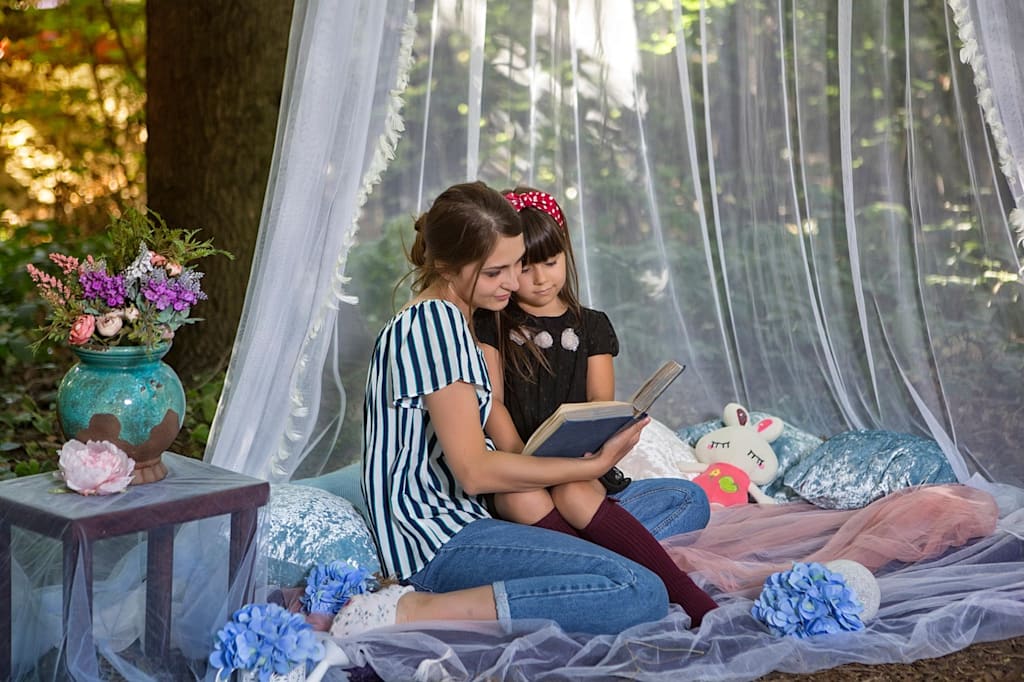
Professor Carlton Jama Adams is a licensed clinical psychologist and psychology professor specializing in healthy parenting. His work focuses on how children develop emotionally and behaviorally within family environments that shape their sense of security, identity, and decision-making skills. He emphasizes that parenting is most effective when it combines structure with opportunities for independence, allowing children to gradually build confidence, responsibility, and resilience through everyday experiences.
In many families today, parents face the challenge of balancing guidance with freedom. There is often concern about how much independence is appropriate at different stages of childhood. Some parents lean toward strict control to ensure safety and discipline, while others lean toward flexibility to encourage creativity and autonomy. Both approaches have strengths, but they can also create gaps in a child’s development if not balanced carefully.
Healthy development depends on consistency, communication, and gradual exposure to responsibility. When children are raised in environments where expectations are clear but flexible enough to allow learning, they often develop stronger emotional awareness and problem-solving abilities.
Understanding Structure as Emotional Security
Structure in parenting is often misunderstood as rigid control. In practice, structure refers to predictable routines, consistent expectations, and clear boundaries. These elements provide emotional security for children, especially during early development.
Children rely on structure to understand their environment. Regular routines such as meal times, school schedules, and bedtime habits help reduce uncertainty. When life feels predictable, children are better able to focus on learning and exploration rather than managing anxiety or confusion.
Structure also helps children understand responsibility. Knowing what is expected of them creates a sense of accountability. This does not limit creativity or independence. Instead, it provides a stable foundation from which children can safely explore new experiences.
Professor Carlton Jama Adams often highlights that structure should not feel restrictive. Instead, it should act as a framework that supports growth and emotional stability.
Independence as a Gradual Learning Process
Independence is not something children develop instantly. It is built gradually through experience, practice, and guidance. Children learn independence when they are given opportunities to make choices appropriate for their age and maturity level.
For younger children, this may include selecting clothes, organizing toys, or helping with simple household tasks. As children grow, independence expands into managing schoolwork, handling social situations, and making decisions about personal responsibilities.
Each step in this process builds confidence. When children are trusted to make decisions, they begin to see themselves as capable individuals. This sense of capability is important for long-term emotional development.
Children who are not given opportunities for independence may struggle later when faced with real-world decisions. They may feel uncertain about their abilities or overly dependent on external validation.
According to Professor Carlton Jama Adams, independence develops best in environments where children feel supported rather than pressured. Emotional safety allows children to take risks, learn from mistakes, and build confidence over time.
The Role of Guidance in Healthy Parenting
Guidance is different from control. While control focuses on directing behavior, guidance focuses on teaching understanding and decision-making.
Children benefit most when parents explain reasoning rather than relying only on rules. For example, instead of simply instructing a child to complete homework, explaining the importance of responsibility and learning helps children understand the purpose behind the expectation.
This approach encourages internal motivation rather than compliance based on fear or reward. Over time, children begin to make better decisions independently because they understand the reasoning behind them.
Guidance also involves active listening. When children feel heard, they are more likely to communicate openly about challenges and seek support when needed. This builds trust within the parent-child relationship.
Professor Carlton Jama Adams emphasizes that guidance helps children internalize values rather than simply follow instructions. This is an important step in developing long-term emotional maturity.
Problem-Solving Skills in Everyday Life
Problem-solving is a key skill that supports both academic success and emotional well-being. Children develop this skill through repeated exposure to challenges and opportunities to think critically.
Parents can support problem-solving by asking questions instead of immediately providing solutions. Questions like “What do you think you could try?” or “What options do you see?” encourage children to think independently.
This process helps children learn how to approach problems calmly and logically. It also teaches them that challenges are manageable rather than overwhelming.
When children are constantly given solutions without participation, they may struggle to develop confidence in their own reasoning. In contrast, children who actively engage in solving problems often become more resilient and adaptable.
Professor Carlton Jama Adams notes that problem-solving skills are not only practical but also emotional. They help children manage frustration and build patience when facing difficulties.
Building Confidence Through Responsibility
Confidence develops through action rather than instruction alone. When children take responsibility for tasks and successfully complete them, they begin to trust their abilities.
Responsibility can begin with small tasks such as organizing personal belongings or helping with daily chores. As children grow, responsibilities can expand to include schoolwork management, time organization, and participation in family decisions.
These experiences teach children that their actions have value and impact. They also reinforce the connection between effort and outcome.
Importantly, mistakes are part of this process. Children learn more effectively when they are allowed to make errors and reflect on them. Overcorrection or constant intervention can limit confidence development.
Professor Carlton Jama Adams often highlights that responsibility helps children see themselves as capable contributors within their families and communities. This sense of contribution strengthens self-esteem.
Emotional Resilience and Real-World Preparation
Emotional resilience refers to the ability to recover from setbacks and adapt to change. It is an essential life skill that supports mental well-being and long-term success.
Children develop resilience through experience. This includes facing challenges, managing disappointment, and learning how to recover from difficult situations.
Parents play an important role in supporting resilience by offering emotional support without removing every obstacle. Children need opportunities to experience manageable difficulties in order to develop coping skills.
For example, struggling with a school assignment or resolving a disagreement with a friend can become valuable learning experiences when guided appropriately.
Professor Carlton Jama Adams emphasizes that resilience is strengthened when children are allowed to experience difficulty within a supportive environment. This balance helps them build confidence in their ability to handle future challenges.
Communication as a Foundation for Growth
Open communication is essential for healthy child development. It allows children to express thoughts, ask questions, and share concerns without fear of judgment.
When communication is strong, children are more likely to seek guidance during challenging situations. This reduces emotional isolation and strengthens family relationships.
Communication also supports independent thinking. When children are encouraged to express ideas, they learn how to articulate their thoughts clearly and respectfully.
Active listening plays an equally important role. Children who feel heard are more likely to remain open and engaged in conversation as they grow older.
Professor Carlton Jama Adams often emphasizes that communication builds trust, and trust is essential for both independence and emotional security.
Balancing Structure and Freedom
One of the most important aspects of parenting is finding the balance between structure and freedom. Too much control can limit independence, while too little structure can create confusion.
Children benefit when they understand expectations but still have opportunities to make choices. This balance helps them develop both responsibility and confidence.
As children demonstrate maturity, they can gradually be given more independence. This process teaches them that trust is earned through responsibility.
Consistency is also important. Clear and stable expectations help children feel secure, even as their independence increases.
Professor Carlton Jama Adams highlights that this balance is central to raising emotionally healthy and capable individuals.
Conclusion
Raising independent thinkers requires intentional parenting that combines structure, guidance, and emotional support. Children thrive when they are given both stability and opportunities for growth.
Through responsibility, communication, and problem-solving experiences, children develop the skills needed to navigate life with confidence and resilience. Healthy parenting is not about controlling every outcome but about preparing children to handle challenges independently.
Professor Carlton Jama Adams continues to emphasize that balanced parenting creates the conditions for long-term emotional development. When children are supported while also being encouraged to grow independently, they are more likely to become confident, capable, and emotionally resilient adults.
About the Creator
Carlton Adams
Carlton Jama Adams is a licensed clinical psychologist and psychology professor specializing in healthy parenting.
Enjoyed the story? Support the Creator.
Subscribe for free to receive all their stories in your feed.
Comments
There are no comments for this story
Be the first to respond and start the conversation.