
How to Talk to Your Partner About Becoming a Surrogate: Expert Tips to Start the Conversation With Confidence
Written by: Lori Jurecko, MA, LSW Published: January 21, 2026


Deciding to become a surrogate is a meaningful, life-changing choice—one that often begins long before a partner hears the words: “I’ve been thinking about surrogacy.”
For many women, the desire to become a surrogate to help another family grow has been quietly forming over months or even years. But for partners, this may be the very first moment they’re learning about the idea. It’s important to remember that the first conversation doesn’t need to be perfect — just open and honest.
On All Things Conceivable: A Surrogacy Podcast, host Nazca Fontes speaks with two experts who know this conversation inside and out:
Lori Jurecko, MA, LSW, a ConceiveAbilities mental health professional and experienced surrogate, and Allyson Meadows, a surrogacy legal assistant and current surrogate. Together, they break down how to talk to your partner with clarity, honesty, and confidence.
Drawing on their expert insights, this comprehensive guide shows you how to talk to your partner about becoming a surrogate and gently leads you through that first important conversation—one of the first steps in your surrogacy journey.
🎧 Listen to their full podcast episode, How to Start the Conversation About Becoming a Surrogate With Your Spouse or Partner.
Why Partners Respond Differently — And Why That’s Completely Normal
Even the most supportive spouses often experience a swirl of emotions when they first hear about surrogacy—curiosity, concern, surprise, pride, or all of the above. As Lori explains:
“Women think about becoming a surrogate long before they say it out loud. For partners, the idea is brand new. It makes sense they need time to process.”
Understanding this dynamic is key. Your partner’s first reaction is not their final answer—it’s simply their starting point.
7 Expert Tips for Talking to Your Partner About Surrogacy
Tip #1: Choose the Right Moment
A conversation this meaningful doesn’t need a big sit-down, but it does deserve a calm, uninterrupted time. Try:
A quiet evening after you’ve put the kids to bed
A walk together
A relaxed weekend moment
Avoid stressful days, rushed mornings, or times when either of you is distracted. If your partner is already overwhelmed, even the most supportive partner may not initially be receptive to the surrogacy conversation. Lori advises starting the conversation at a time when both of you are already relaxed and poised to spend uninterrupted, quiet time together.
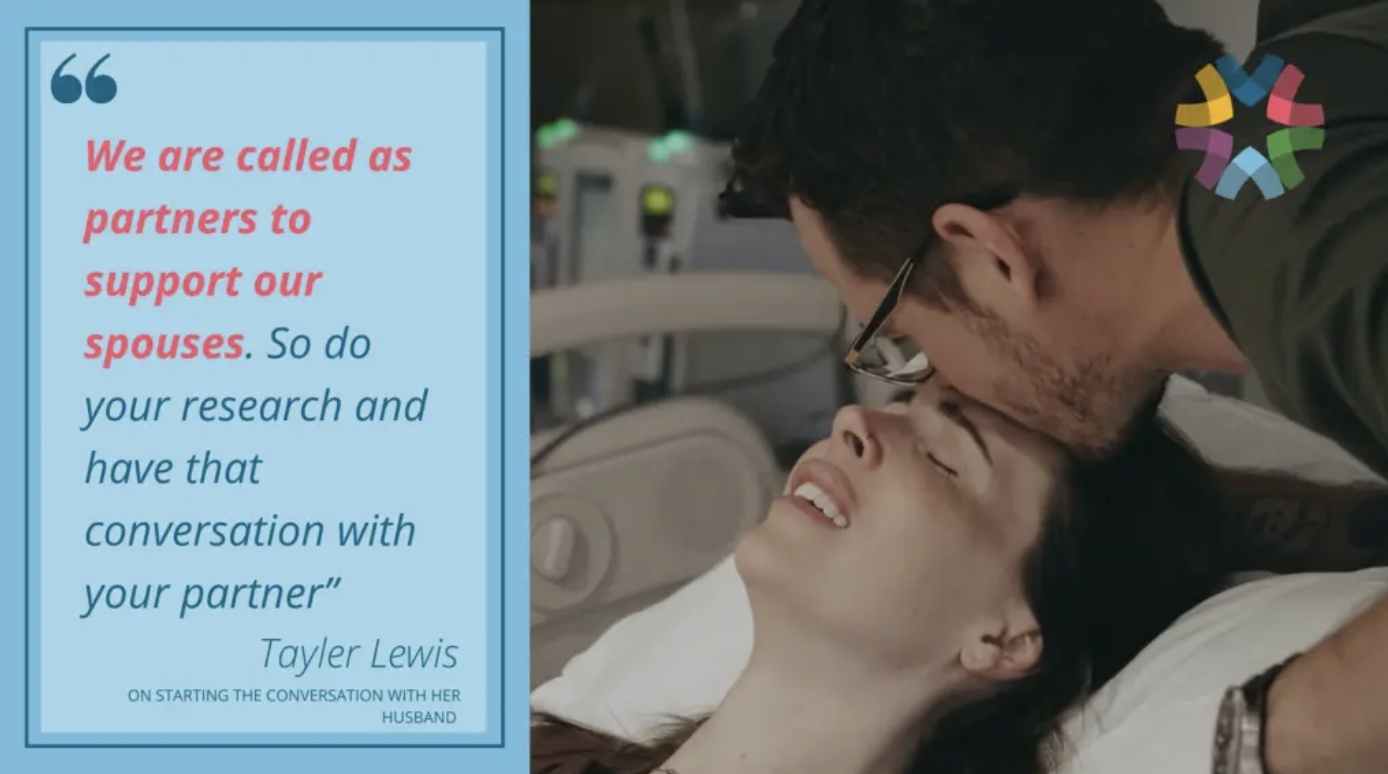
Tip #2: Share Your “Why”
Your partner wants to understand what’s motivating you to become a surrogate. Your “why” is grounding and powerful.
Maybe you:
Loved being pregnant
Feel called to help another family
Want your children to see the impact of generosity
Have followed another surrogate’s journey
As Allyson shares:
“My husband understood once he realized it wasn’t just a thought—it truly meant something to me.”

Tip #3: Normalize Their Concerns
Partners’ questions are often rooted in love and protection—not rejection.
Common concerns include:
How pregnancy may affect family routines
Physical limitations and time commitments
Level of involvement needed from a partner
How to match with the right intended parents
Emotional attachment
Intimacy and temporary abstinence requirements
Legal protections
Pregnancy and delivery risks
Medical coverage and health insurance
Financial considerations and work-related impacts
A simple phrase can open the door:
“I understand why you’d have questions. What worries you most?”
Initial reactions vary, and that’s normal. Giving someone time and space to absorb new information and voice their concerns often leads to more thoughtful conversations.

Tip #4: Share the Facts
Hesitation often comes from not knowing how modern surrogacy actually works, so sharing clear facts about the process, timeline, and safeguards can help your partner respond from a more informed place.
Minimum Participation From Your Partner
Even at a minimum, your partner has a structured role throughout the surrogacy journey. As Lori Jurecko explains:
Your partner completes a background check and participates in a mental health screening with the agency.
They are included in the match meeting and may be involved during your medical clearance at the fertility clinic.
They participate in the legal process, reviewing and signing paperwork for the initial contract and later parentage process.
Partners provide ongoing emotional support during pregnancy, delivery, and postpartum recovery.
Beyond the formal requirements, partners determine their own level of involvement throughout the surrogacy journey.
Offer reassurance with facts:
You won’t be genetically related to the baby.
Gestational surrogacy uses IVF with the intended parents’ or donors’ embryos.
You are financially protected with an experienced agency.
The intended parents cover medical, legal, travel, wage support, and pregnancy-related expenses.
You have your own legal team.
You won’t sign anything without dedicated representation to protect your rights.
You receive comprehensive support.
ConceiveAbilities coordinates medical appointments, insurance, matching, mental health support, and logistics.
Once partners understand the structure, concerns often turn into confidence. It can help to come prepared with clear information about compensation, support, and the legal and medical safeguards involved in surrogacy.

Tip #5: Reassure Them This Is a Shared Decision—But Involvement Can Look Different for Every Couple
Surrogacy affects your household, so it’s important your partner feels informed and respected—but that doesn’t mean they need to be deeply involved in every step. Every couple navigates surrogacy differently. Some partners prefer to be hands-on, while others simply want to know you feel supported and safe.
You might say something like:
“I don’t expect you to be involved in everything. I just want us both to feel comfortable with the decision.”
This approach keeps things open, low-pressure, and aligned with real-life dynamics. It reassures your partner that:
You’re not asking for a big commitment from them
Their comfort matters
You’re approaching the decision as teammates, even if your roles look different
The goal isn’t perfect agreement right away—it’s a respectful, mutual understanding of what this journey could look like for your family.
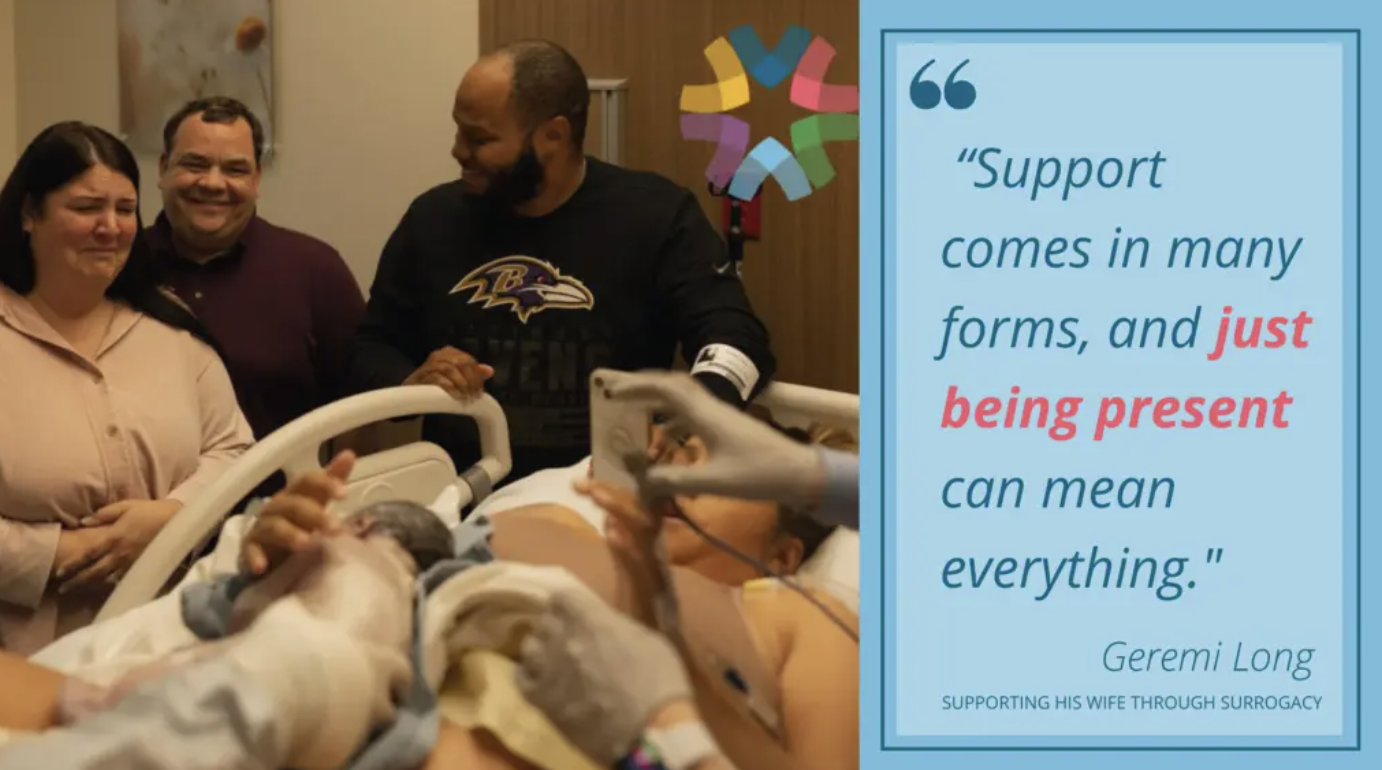
Tip #6: Invite Them Into the Learning Process
Partners may feel more at ease as they learn more about the surrogacy process.
Ways to involve them:
Listen to the podcast episode together
Read surrogate stories or watch videos about surrogacy
Join the initial information call
Explore the ConceiveAbilities website
Ask what questions they have
Hear firsthand from other surrogates and their partners about their surrogacy experiences
Reviewing information together can help create shared understanding and support informed decision-making.
Tip #7: Give Them Time to Process
Some partners are instantly supportive. Others take a few days or weeks.
From Lori’s experience supporting hundreds of surrogates:
“Most partners go from hesitant to supportive once they understand the process and see how meaningful this is for their spouse.”
Patience is powerful. The more space you give, the more open the dialogue becomes.
Using the Same Thoughtful Approach With Friends & Family
Once you’ve had the conversation with your partner, you may start thinking about how—or when—to talk to friends and family members whose opinions matter to you. While these conversations can feel different, the same thoughtful structure applies.
Just like your partner, loved ones may be hearing about surrogacy for the very first time. Their initial reactions may be shaped by misinformation, fear, or simply surprise—not a lack of support.
Using the same approach can help keep these conversations grounded and respectful:
Start with your “why.” Sharing what led you to consider surrogacy helps loved ones understand that this is a deeply personal, values-driven decision—not an impulsive one.
Expect and encourage questions—and normalize them. Concerns about your health, your family, and safety are common and often rooted in care.
Lead with facts. Explaining the difference between gestational and traditional surrogacy, medical safeguards, and legal protections can ease fears quickly.
Set boundaries with compassion. It’s okay to value someone’s opinion without needing their approval. You can listen respectfully while still honoring your own decision.
Many surrogates find that once friends and family understand the structure, support, and intention behind surrogacy, hesitation often turns into understanding.
Q&A With Surrogacy Experts: What Your Partner Really Wants to Know
Below are expanded insights from our podcast experts, formatted in a natural Q&A to preserve education and trust. This hybrid format gives readers depth without overwhelming them—and encourages listening to the full episode for even more.
Q: How do partners typically react the first time surrogacy is mentioned?
Lori:
“Surprise is the number one reaction. It’s not necessarily a negative response—just surprise. Once they realize it’s meaningful to you, they start asking thoughtful questions.”
Q: What if my partner is worried about my health?
Lori:
“That’s a loving concern. Screening is extremely thorough. Only women with healthy pregnancies and deliveries qualify, and your medical care is top-tier throughout the process.”
Q: What if my spouse is unsure about the time commitment or how it affects the family?
Allyson:
“That’s normal. When my husband understood how much ConceiveAbilities handles—appointments, scheduling, communication—it eased his mind.”
Q: Will our intimacy change during the process?
Lori:
“Yes, but only briefly. There are short periods of abstinence during medication and embryo transfer cycles.”
Q: How do partners feel after the journey begins?
Allyson:
“Almost every partner I’ve met ends up extremely proud. Many say the experience brought them closer as a couple.”
Q: If my partner and I are aligned, but our parents aren’t fully supportive, will that prevent us from moving forward?
Lori:
“No—this wouldn’t prevent you from proceeding if you feel ready. Family pushback is common and challenging, but not a dealbreaker. Have open conversations and thoughtfully consider how differing views might affect those relationships or impact your support during your journey before deciding what’s best for your family.”
What Surrogate Partners Want You to Know
Partners frequently share:
“I didn’t understand it at first, but now I’m proud of her.”
“I realized she was doing something extraordinary.”
“It brought us closer together.”
Your partner can play a role in your surrogacy story—one that works for them, with flexibility for what the journey means to each of you.
Final Thoughts: You Don’t Need Perfect Words—Just an Open Heart
Talking to your husband or partner about becoming a surrogate may feel big, but it doesn’t have to feel overwhelming. With honesty, curiosity, and compassion, this conversation can strengthen your relationship and open the door to a purposeful new chapter.
🎧 For deeper guidance, real stories, and expert advice, listen to the full All Things Conceivable podcast episode on talking to your partner about becoming a surrogate. If your partner has questions or hesitation, listening together can be a powerful next step.
About the Creator
ConceiveAbilities Egg Donor and Surrogacy Agency
ConceiveAbilities is a leading egg donor and surrogacy agency that has helped build families for over 30 years. Learn more about becoming a surrogate, egg donation, the surrogacy process and modern family building.
Enjoyed the story? Support the Creator.
Subscribe for free to receive all their stories in your feed.
Comments
There are no comments for this story
Be the first to respond and start the conversation.