
How to Pick the Right Breast Pump
Written by: Marci Hughes Published: September 12, 2025

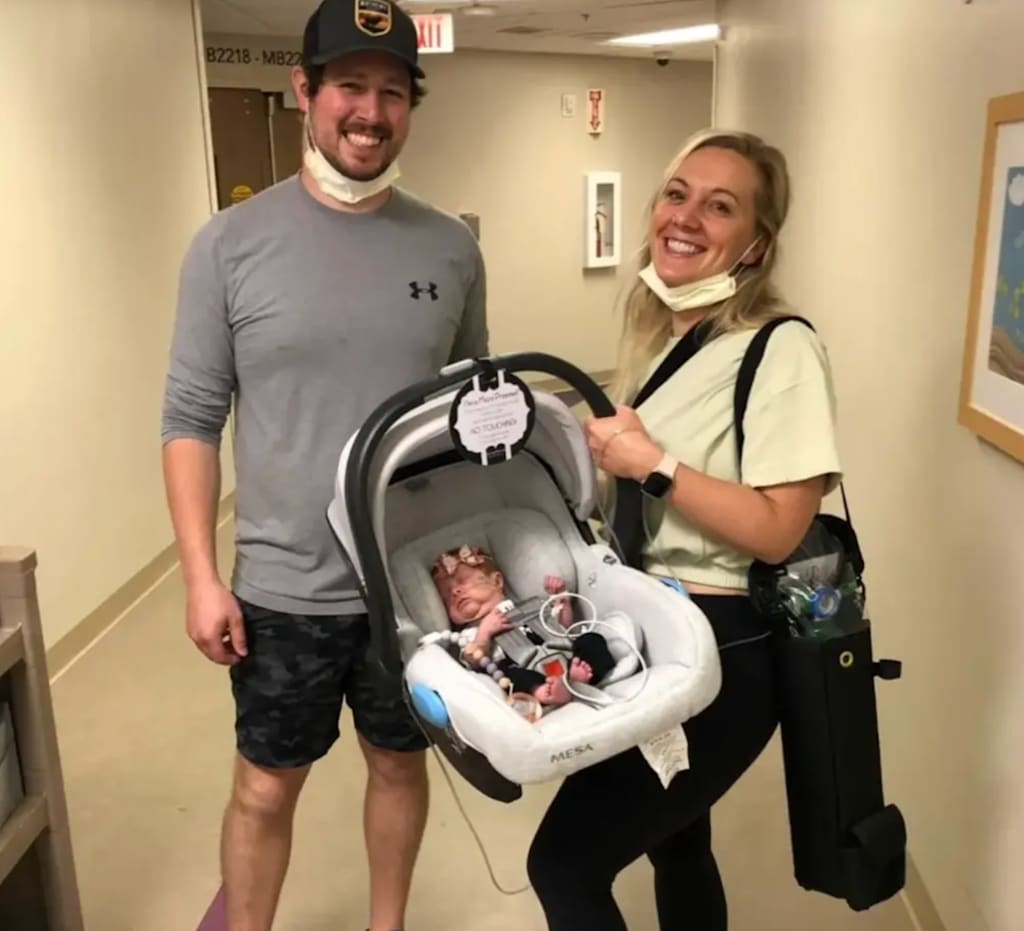
In our All Things Conceivable podcast, ConceiveAbilities CEO and Founder, Nazca Fontes, sits down with pumping expert and Milk Donation Challenge champion Breanna Seibel to talk all things lactation.
One of the biggest takeaways? Finding the right breast pump can make all the difference in your journey. Read on to learn more!
What Breast Pump Is Best?
Nazca Fontes: What is your breast pump of choice?
Breanna Seibel: I’ve experimented with several breast pumps, including the hospital model and the popular Medela pump that many swear by. While some are devoted fans of Medela, I found it too harsh for my needs. Then I discovered the Willow 3.0, a wearable, spill-proof pump. However, as someone who produces a lot of milk, the bags were too small, forcing me to pause and change them frequently. That’s when I switched to the Willow Go. Although it’s not spill-proof, it features small openings at the top and holds seven-ounce containers. I quickly became a loyal fan of the Willow Go and plan to use it again.
I’ve also tried some excellent, budget-friendly pumps from Amazon that cost around $100. There’s one I picked up from Costco for about $150 that includes various flange sizes, has a heating feature, and comes with a charging case. I’m definitely going to give that one a shot; I believe it’s called UFI or something similar. You can find it on my TikTok if you’re interested. It’s very affordable, so I’m excited to try those as well. But for now, I’m a big fan of the Willow Go, especially because of those seven-ounce containers.
How Important Is Flange Size When Pumping?
NF: What would you say are the most common mistakes new moms make when it comes to pumping?
BS: If you have a pump that doesn’t fit, don’t use it. I did, and I ended up with shredded skin and blisters — it was so painful. Healing from that takes forever. Make sure to measure your flange size, as it can change throughout your pumping journey. When you first give birth, it’s likely going to be different than it is three months later. There are little inserts you can use with your pumps, so I recommend buying a few different sizes and measuring to ensure you have the right flange size. In the beginning, your body isn’t used to it, and using the wrong size will make it that much harder and more painful. It’s not always the picture-perfect moment you see on TV; while it can be beautiful, it can also be really painful — and that’s normal. So definitely learn from me: do not use a flange size that’s too big, because the healing is not worth it.
Listen to the Full Breast Pumping Podcast
🎧 Listen to Breanna’s full podcast episode!
At ConceiveAbilities, we are here to support you all the way through your 4th trimester and lactation journey. Click here for more lactation resources!
Lactation for New Mothers
Lactation and breastfeeding have many physical and emotional benefits for new mothers and babies, which is why many women choose to breastfeed or pump through their child’s first year of life.
Below, we offer lactation tips and answers to basic questions new mothers have about breastfeeding, pumping, breastmilk storage, and breastmilk donation, including:
Basic Questions About the Fourth Trimester and Postpartum Recovery
Lactation Tips for Pumping and Storing Breast Milk
Lactation Support for New Mothers
Donating Breast Milk
What’s Next After Lactation?
Basic Questions About the Fourth Trimester and Postpartum Recovery
The fourth trimester refers to the first three months after birth. It is a time when there’s a lot of transition in both the mother’s personal life and of course, a newborn being in the world. what it means to a woman who has recently given birth in that period of time, what happens to her body and her postpartum recovery.
Lactation vs. Breastfeeding: What’s the Difference?
What Is Lactation?
According to The Cleveland Clinic, lactation is the process of making human milk. Human milk is secreted through your mammary glands, which are located in your breasts. Lactation is hormonally driven and occurs naturally in people who are pregnant. It can also be induced in those who are not pregnant. Lactation will continue as long as milk is being removed from your breasts. The CDC has compiled breastfeeding and lactation information all in one convenient place for you to learn more.
What is Breastfeeding?
There is a difference between lactation and breastfeeding. Lactation is the process of making breastmilk. Breastfeeding, or nursing, is the act of feeding a child directly from the breast, or chest feeding. The infant will latch on the breast and suckle to feed directly from the breast. When it comes to breastfeeding and surrogacy, surrogate mothers will not usually breastfeed. Instead, they will experience lactation and by shipping breastmilk, supply the intended family and their surrogate baby milk.
Learn more about nursing basics from Webmd and these breastfeeding tips from FamilyDoctor.org.
What Are the Benefits of Breast Milk?
Breast milk is often called liquid gold because of its high nutritional and immunity benefits. The World Health Organization (WHO) says breast milk is the ideal food for infants. Breast milk protects babies from diarrhea, asthma, ear infections, pneumonia and more. Not only does breast milk contain important antibodies that protect against many childhood illnesses, it also provides all the energy and nutrients a child needs for the first few months of life. The Cleveland Clinic shares even more benefits of breast milk.
The American Academy of Pediatrics (AAP) and the American College of Obstetricians and Gynecologists (ACOG), strongly recommend breastfeeding exclusively (no formula, juice, or water) for 6 months. After the introduction of other foods, it recommends continuing to breastfeed through the baby’s first year of life. As an infant grows, breast milk changes to meet the infant’s nutritional needs. Learn more about breast milk and nutrition at different stages.
What Are the Benefits of Breastfeeding or Pumping for the Mother or Surrogate?
Lactation is an important part of postpartum for both the woman and the baby. Not only can breastmilk can help the infant, it also has benefits to the woman including having a lower risk for the following:
Breast cancer.
Ovarian cancer.
Type 2 diabetes.
High blood pressure.
During pumping or breastfeeding, your body releases a hormone called oxytocin, which helps your uterus contract and return to its pre-pregnant size more quickly, as well as helping to reduce postpartum bleeding.
About the Creator
ConceiveAbilities Egg Donor and Surrogacy Agency
ConceiveAbilities is a leading egg donor and surrogacy agency that has helped build families for over 30 years. Learn more about becoming a surrogate, egg donation, the surrogacy process and modern family building.
Enjoyed the story? Support the Creator.
Subscribe for free to receive all their stories in your feed.
Comments
There are no comments for this story
Be the first to respond and start the conversation.