
How to Know Whether Comfort Care or Hospice Is the Right Choice
Exploring Senior Care Choices with Compassion and Confidence

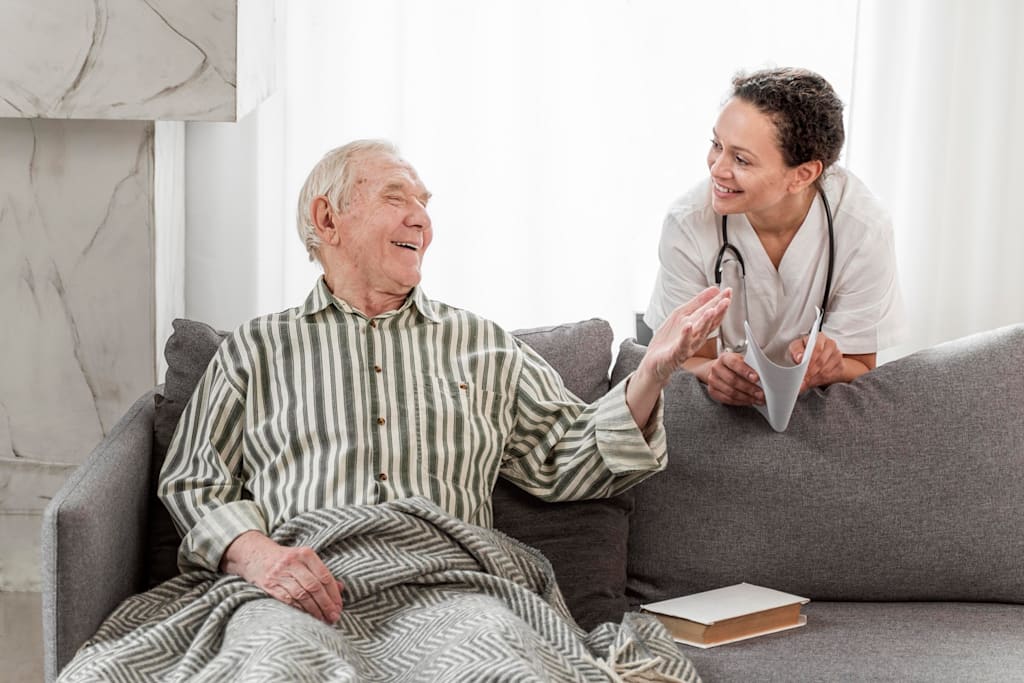
Making healthcare decisions for an aging parent, spouse, or loved one is never easy. Many families reach a point where they begin asking difficult questions about quality of life, pain management, and long-term support. One of the most common questions people face is understanding the difference between comfort care vs hospice and knowing which option fits their loved one’s needs best.
While these two types of care share similar goals, they are not exactly the same. Both focus on helping seniors feel safe, supported, and comfortable, but the timing and level of medical care can differ. Understanding these differences can help families feel more confident when making care decisions during emotional moments.
Why Do Families Start Considering Comfort Care or Hospice?
Most families begin exploring these options after noticing changes in a loved one’s health. A senior may be dealing with chronic illness, frequent hospital visits, memory loss, or increasing physical weakness. In many cases, families want to focus less on aggressive treatments and more on improving everyday comfort.
This is where senior care planning becomes important. Instead of only asking how to extend life, many people begin asking how to improve the quality of life remaining.
Comfort-focused care can help reduce stress, pain, anxiety, and emotional exhaustion for both seniors and caregivers.
What Is Comfort Care?
Comfort care is designed to help people feel physically and emotionally comfortable while living with serious illness. It focuses on relieving symptoms like pain, breathing difficulties, fatigue, nausea, or anxiety.
Many people think comfort care only happens at the end of life, but that is not true. A person can receive comfort care while still continuing medical treatment. For example, someone undergoing treatment for heart disease, cancer, or dementia may also receive support focused on reducing discomfort and improving daily living.
Comfort care often includes:
- Pain management
- Emotional and mental health support
- Assistance with mobility and daily activities
- Nutritional guidance
- Personal care services
- Family caregiver support
This type of care is commonly used in assisted living communities, memory care centers, hospitals, or even at home.
What Makes Hospice Care Different?
Hospice care is usually recommended when doctors believe a person may have six months or less to live if the illness follows its normal course. Instead of focusing on curing illness, hospice focuses entirely on comfort, dignity, and emotional peace.
Hospice care supports not only the patient but also the family. Care teams often include nurses, caregivers, counselors, spiritual advisors, and trained hospice professionals who help families through a difficult transition.
Unlike general comfort care, hospice care typically begins when curative treatment is no longer helping or when a patient chooses to stop aggressive medical procedures.
Hospice services may include:
- 24/7 support availability
- Pain and symptom control
- Emotional counseling
- Spiritual care
- Grief support for families
- Help with medications and medical equipment
For many families, hospice care provides relief because they no longer feel alone in managing serious health conditions.
How Can Families Tell Which Option Is Right?
The decision between comfort care vs hospice often depends on a loved one’s medical condition, personal wishes, and treatment goals.
A person may benefit from comfort care if they:
- Still want active medical treatment
- Need help managing symptoms
- Have chronic illness but remain relatively stable
- Want additional emotional and physical support
Hospice may become the better option if a loved one:
- Is experiencing rapid health decline
- Has frequent hospitalizations
- No longer responds well to treatment
- Wants to focus fully on comfort and peace
The most important step is having open conversations with healthcare providers, caregivers, and family members. Many families delay these discussions because they feel uncomfortable, but early planning often leads to better care and less stress later.
Why Emotional Support Matters So Much
One thing families often overlook is the emotional side of caregiving. Watching a loved one struggle with illness can create anxiety, exhaustion, and uncertainty.
That is why both hospice and palliative support services focus heavily on emotional well-being. Seniors need compassion, patience, and human connection just as much as medical care.
Caregiver burnout is also very common. Family members often try to handle everything alone until they become physically and emotionally overwhelmed. Supportive care services can reduce this pressure and allow families to spend more meaningful time together instead of constantly worrying about medical responsibilities.
Can Comfort Care and Hospice Happen at Home?
Yes. Many seniors prefer receiving care in familiar surroundings rather than moving into a hospital setting. Home-based senior care has become increasingly popular because it allows people to remain close to family while receiving personalized support.
Both comfort care and hospice services can often be provided at home, depending on medical needs and available resources. Home care teams may assist with bathing, medication management, mobility support, meal preparation, and symptom monitoring.
For families, this can create a calmer and more peaceful environment during a difficult stage of life.
There Is No Perfect Time to Ask Questions
Many people wait too long before exploring care options because they fear making the wrong decision. The truth is that asking questions early can help families better understand available support and avoid rushed choices during medical emergencies.
Whether someone chooses comfort-focused care or hospice support, the goal remains the same. Helping seniors feel respected, comfortable and cared for throughout every stage of aging.
Understanding comfort care vs hospice is not about giving up hope. It is about choosing the kind of care that brings the most dignity, peace, and support to both seniors and the people who love them.
About the Creator
Laura Parton
Laura Parton is a dedicated professional in Senior Care and Senior Health, committed to improving the well-being and quality of life for older adults. With extensive experience, she excels in providing compassionate care and support.
Enjoyed the story? Support the Creator.
Subscribe for free to receive all their stories in your feed.
Comments
There are no comments for this story
Be the first to respond and start the conversation.