
How Structured Senior Home Support Extends Independence
How Structured Senior Home Support Extends Independence
Introduction
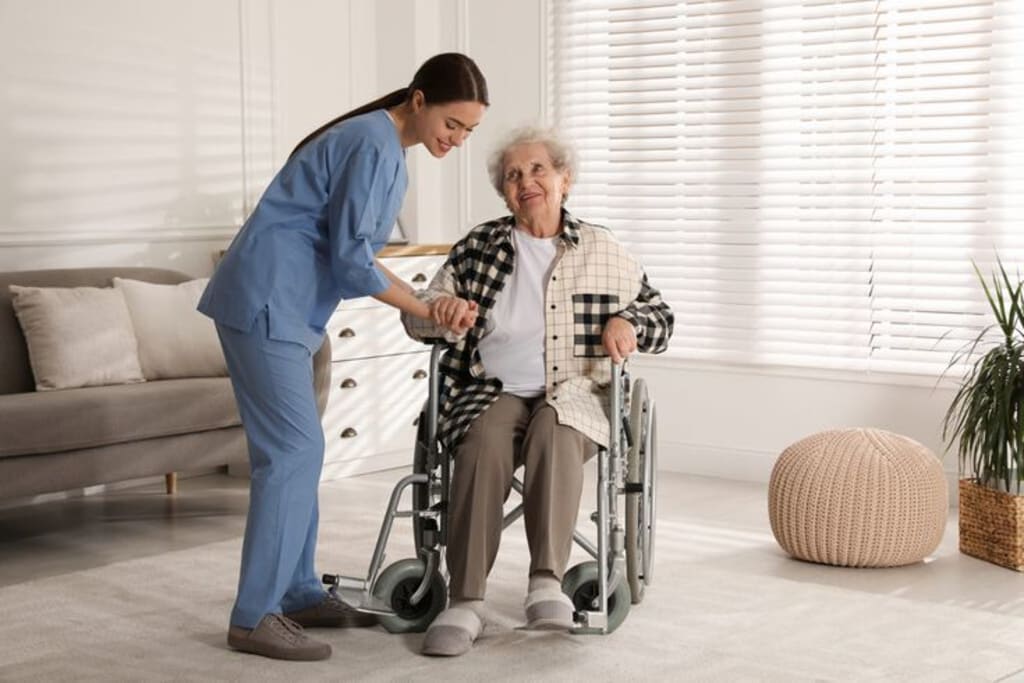
Independence in later life often rests on ordinary routines that support balance, nutrition, continence, and rest. Once those patterns slip, physical reserves can narrow quickly. Structured home support helps preserve function before a crisis forces sudden change. Regular assistance also protects decision-making, because older adults can keep directing familiar activities with less strain. For families, that steadiness offers a clearer view of needs and a calmer path for planning care at home.
Daily Structure Matters
A predictable day supports appetite, sleep timing, bowel regularity, and safer movement through the home. During senior home care, assistance can be arranged around bathing, meals, walks, and medication prompts, so daily tasks happen before fatigue builds. That order reduces missed steps and lowers confusion during busy periods. Family members also see which routines conserve energy, which allows changes to be based on observed patterns instead of guesswork or worry.
Small Tasks Shape Big Outcomes
Loss of independence rarely begins with one dramatic event. More often, it starts with skipped showers, unopened mail, poor meal quality, or dehydrating afternoons. Short visits can steady those basics before decline accelerates. Help with dressing, light housekeeping, and food preparation limits joint stress and overexertion. Energy that would have been spent on chores can then support walking, conversation, hobbies, and meaningful choices through the day.
Safety Improves With Routine
Many falls occur during routine actions, such as transferring from bed, turning in a narrow bathroom, or reaching overhead. Regular support reduces risk by keeping those moments supervised or better prepared. A caregiver may spot dim bulbs, loose cords, slippery flooring, or poor footwear before injury occurs. Early correction matters, because one fracture or head impact can reduce mobility, weaken confidence, and sharply limit future independence.
Health Habits Stay Consistent
Medication schedules, hydration, protein intake, and sleep hygiene shape physical function every day. Older adults may fully understand those needs, yet pain, forgetfulness, or low stamina can interrupt follow-through. Consistent support offers timely reminders without removing personal control. That approach helps preserve treatment adherence and steadier energy. Better routine compliance can lower avoidable hospital use, reduce physiologic stress, and support stronger day-to-day function over time.
Social Connection Protects Ability
Isolation can quietly erode independence by lowering motivation and reducing movement across the day. Without conversation, subtle memory changes or mood shifts may pass unnoticed. Companion support introduces structure through shared meals, neighborhood walks, games, and scheduled outings. Those contacts can improve, affect and encourage physical activity. Families also gain another informed observer who can notice changes in speech, appetite, sleep, or attention before problems deepen.
Families Need Clearer Visibility
Relatives often want to help, yet distance, employment, and caregiver strain can limit what they actually see. Structured support creates useful information from routine contact inside the home. That feedback may include changes in gait, toileting patterns, mood, or meal completion. Better visibility supports sound decisions based on trends rather than assumptions. It can also reduce family tension, because conversations rest on observed details instead of fear alone.
Support Can Adjust Over Time
Functional change usually happens in stages, not all at once. Early needs may involve rides to appointments, laundry, grocery trips, or help getting safely into the shower. A structured plan can expand gradually as health status shifts. That flexibility often makes support easier to accept before serious setbacks occur. Starting small also protects autonomy, because assistance grows around real limitations rather than replacing abilities that remain intact.
Familiar Homes Support Identity
Home often supports memory cues, self-confidence, and a stronger sense of personal control. Favorite rooms, family photographs, and established habits can reduce distress in ways unfamiliar settings may not. Structured assistance helps keep that environment workable for longer. Older adults can continue choosing clothing, mealtimes, and afternoon activities. Those repeated decisions matter, because independence is built from many ordinary acts of control across each week.
Prevention Costs Less Than Crisis
Emergency treatment, rushed relocation, and recovery after injury can place heavy strain on finances and family stability. Planned support is often less disruptive than responding after preventable harm has occurred. Regular help can reduce missed doses, poor nutrition, unsafe transfers, and exhaustion from overexertion. Preventive care also protects time, since relatives spend fewer hours managing urgent setbacks. That steadier course supports better health outcomes and less emotional strain.
Conclusion
Structured senior home support extends independence by protecting the routines that keep older bodies and minds functioning well. Consistent help with safety, meals, hygiene, mobility, and companionship can delay avoidable decline while preserving choice. Families gain clearer information, and older adults keep greater control in familiar surroundings. The strongest results usually come from early, steady assistance, because small needs addressed promptly are less likely to grow into disabling setbacks later.
About the Creator
Enjoyed the story? Support the Creator.
Subscribe for free to receive all their stories in your feed.
Comments
There are no comments for this story
Be the first to respond and start the conversation.