
You’re the Main Character - Your ID Should Know That
Discover how modern ID card printing goes beyond basic identification to reflect individuality, enhance security, and reinforce brand identity.
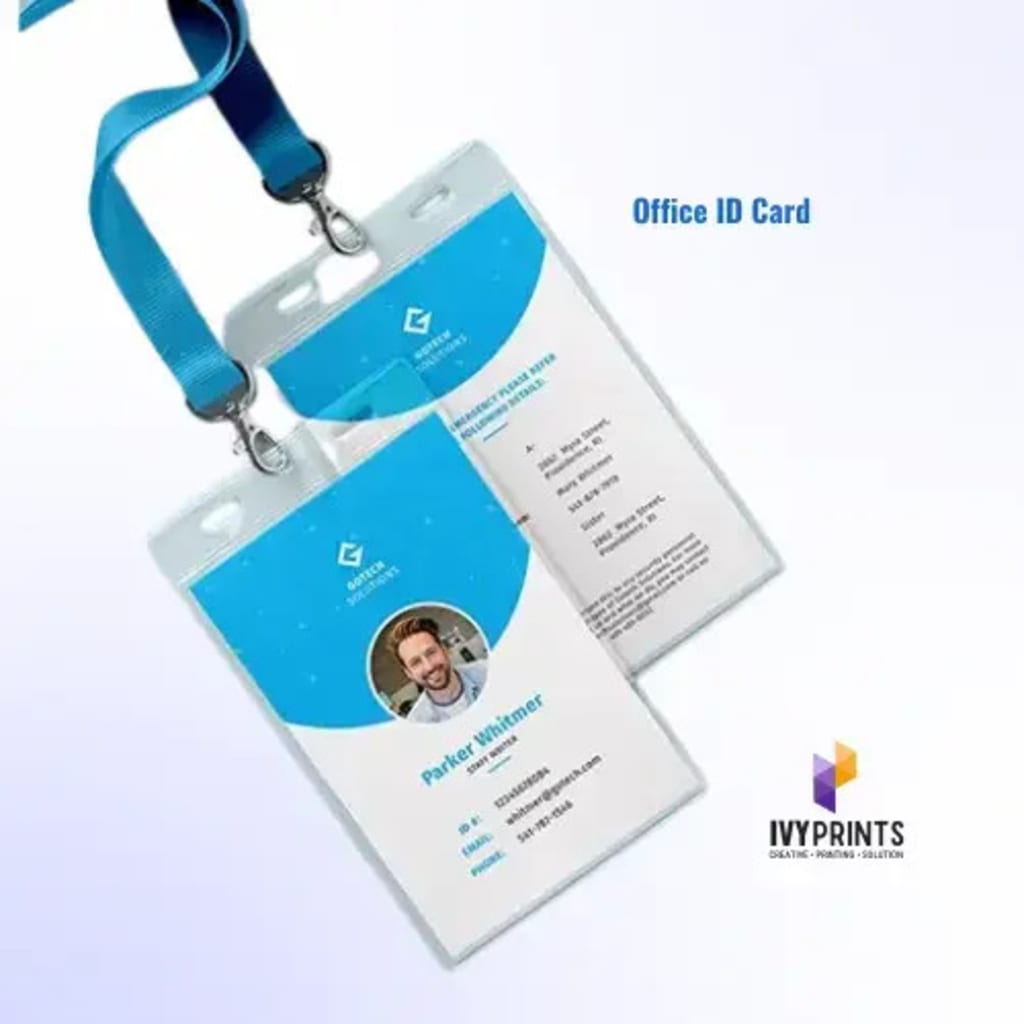
In a world where personalization is more than a luxury—it’s an expectation—your identity card should reflect more than just your name and photo. The concept of being the “main character” in your own life story has moved beyond social media trends and found real-world applications in identity management and security solutions. In the age of smart technology and personalized experiences, it's time to rethink how we view identification. With the rise of advanced ID card printing services, organizations and individuals alike are realizing the value of customized identification systems that do more than just confirm who you are—they celebrate it.
The Shift Toward Personalized Identity
Traditional IDs served a singular purpose: verification. While that’s still crucial, the evolution of technology and design has turned static cards into dynamic tools. Whether it’s a student ID, employee badge, or access card, the ability to tailor these items to match individual roles, responsibilities, and even personalities is reshaping how identification is perceived.
Take, for example, employee ID badges in modern workplaces. These no longer serve only as security passes. They often include job titles, department colors, access levels, and even smart chips for touchless entry. This level of personalization not only boosts organizational efficiency but also fosters a sense of belonging among employees. You're not just another face in the building—you're recognized for your specific contribution.
The Psychology of Being Seen
The phrase “you’re the main character” has gained popularity for a reason—it taps into our intrinsic desire to feel seen and valued. When individuals are acknowledged through personalized means, even in subtle ways like their ID card, it creates a deeper emotional connection.
According to a 2021 study published by the Harvard Business Review, employees who feel personally valued are 50% more productive and 40% less likely to leave their jobs. This suggests that small gestures, like customized IDs, can have a surprisingly large impact on morale and retention. In educational settings, student ID cards that reflect grade levels, involvement in clubs, or unique access permissions help students feel more engaged and responsible.
The Role of Technology in Modern ID Design
Innovations in ID card printing technology have made personalization more accessible than ever. Advanced printers can now produce high-resolution images, embed RFID chips, encode magnetic strips, and add holographic security features—all in a matter of seconds. This isn’t just about aesthetics; it’s about functionality, safety, and efficiency.
Smart ID cards can integrate with enterprise systems, allowing real-time tracking, time logging, and even automated access control. This is particularly useful in hospitals, corporate campuses, and large educational institutions where secure, seamless identity verification is critical.
Moreover, the ability to quickly update or reissue ID cards using cloud-connected systems minimizes downtime and administrative overhead. For industries with high turnover or dynamic team structures, such adaptability is invaluable.
Branding and Identity Alignment
Organizations are also using personalized ID cards to reinforce their brand identity. Color schemes, logos, slogans, and visual themes can be incorporated into the design, turning what was once a purely functional item into a branding opportunity.
For instance, a startup may use creative, colorful ID badges to reflect their culture of innovation, while a high-end hotel might opt for sleek, minimalist designs that echo their brand’s elegance. This synergy between personal and corporate identity helps strengthen both internal and external brand perception.
Security Meets Individuality
While customization brings many benefits, it also demands robust security measures. Fortunately, today’s ID card systems are designed with this in mind. Multi-layered verification methods such as biometric authentication, QR codes, and encrypted chips are now standard in many advanced ID solutions.
This ensures that even as the ID becomes more personal and expressive, it remains secure and compliant with data protection standards. Government agencies and healthcare institutions, in particular, benefit from this balance of personalization and protection.
Looking Ahead: IDs as Digital Extensions
As digital identity continues to evolve, physical ID cards are beginning to integrate more closely with mobile technology. Digital wallets, NFC, and app-based credentials offer additional layers of convenience while maintaining the tangible benefits of a printed ID.
Still, physical cards remain relevant. They’re universally recognizable, durable, and don’t rely on battery life. As such, hybrid solutions that combine physical and digital ID elements are likely to dominate the future landscape.
Conclusion: Make Your ID Match Your Story
Being the main character in your life means owning your identity in every possible way—including how it’s represented on your ID. Whether you’re an employer looking to modernize workplace access, an event planner designing VIP passes, or a university updating campus security, it’s time to treat identification as more than a formality.
With the right ID card printing technology and a commitment to thoughtful design, ID cards can become powerful tools for personalization, engagement, and trust. In the end, your story is unique, and your ID should reflect that.
About the Creator
Enjoyed the story? Support the Creator.
Subscribe for free to receive all their stories in your feed.
Comments
There are no comments for this story
Be the first to respond and start the conversation.