
Yoga for Stress Relief: The Mental Health Benefits
What is Yoga?
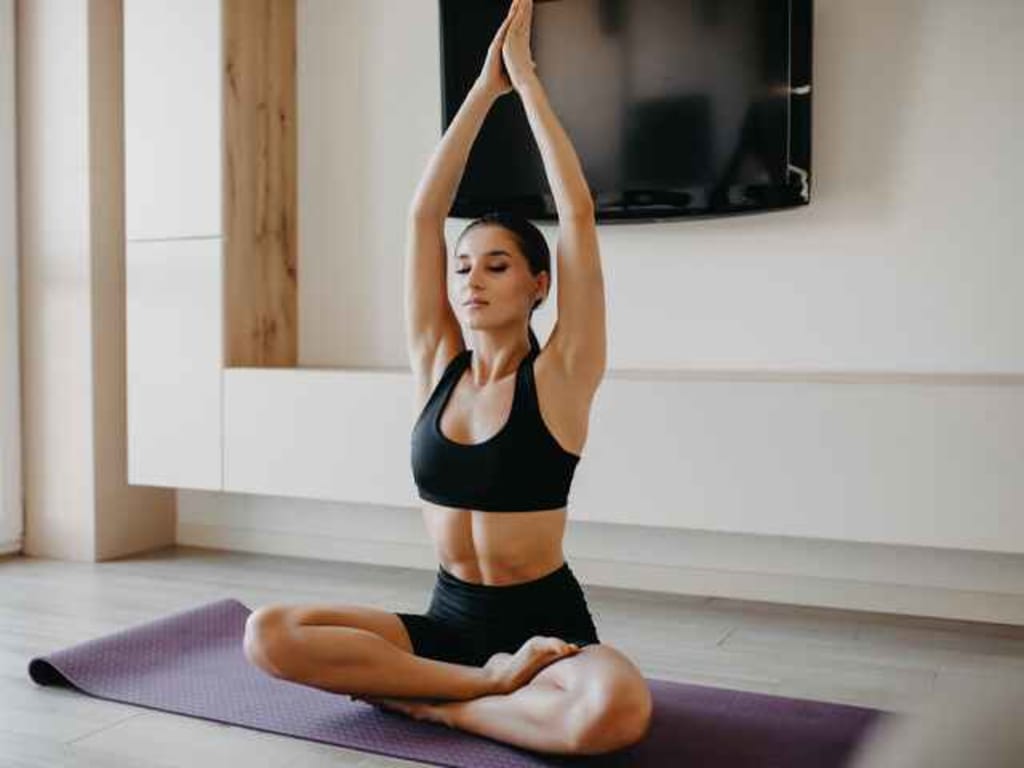
Yoga is an ancient practice that has been around for centuries and its benefits are widely known. Today, the practice of Yoga is still growing in popularity due to its numerous health benefits, both physical and mental. In particular, Yoga can be a great tool to help manage stress and improve mental health. In this blog post, we’ll discuss the various Yoga benefits for stress relief and mental health.
What is Yoga?
Yoga is an ancient practice that has been around for thousands of years. It is a form of exercise and relaxation that combines physical postures, breathing techniques, and meditation. Yoga has many different styles, such as Hatha, Vinyasa, Ashtanga, and Iyengar. Each style has its own unique benefits, but all have the common goal of improving overall health and wellbeing.
Yoga helps to strengthen and lengthen the muscles, improve flexibility, balance, and coordination, and reduce stress. It is also said to have a positive effect on the mind, body, and spirit. By practicing yoga, we can learn to be more mindful and connected to our bodies, increase self-awareness, and create a sense of calmness.
How can Yoga help with stress relief?
Yoga is a powerful tool that can be used to help relieve stress and anxiety. Through a variety of poses and techniques, yoga helps to calm the mind and body, releasing tension and promoting relaxation. Yoga can also be used to reduce stress hormones like cortisol and adrenaline, which can cause feelings of agitation and restlessness.
When it comes to relieving stress, certain types of yoga are more effective than others. Restorative yoga, for example, is an excellent option for people who are feeling overwhelmed or overwhelmed. This type of yoga uses props such as bolsters and blankets to allow the body to fully relax into the pose. By focusing on slow, gentle movements and deep breathing, the body can let go of tension and worries and find peace.
Yin yoga is another great option for stress relief. This style of yoga focuses on holding postures for longer periods of time, allowing the body to settle into the pose and find stillness. The slower pace and focus on mindfulness helps to reduce stress levels and provide a sense of calm.
Finally, vinyasa or flow yoga is a great option for reducing stress. Vinyasa combines breath and movement, creating an energizing practice that helps to clear away worries and increase focus. The combination of physical activity with mindful breathing helps to reduce stress hormones and bring clarity to the mind.
No matter what type of yoga you choose, the practice can be beneficial in helping to relieve stress. From calming the mind and body to increasing focus and clarity, yoga offers many ways to help manage stress levels.
The mental health benefits of Yoga
Yoga has become increasingly popular in recent years, as more and more people are discovering the benefits of this ancient practice. Yoga is an age-old exercise that has been practiced for centuries and is still being practiced today. One of the main benefits of yoga is stress relief. Yoga can help reduce stress, anxiety, and depression, while promoting a sense of relaxation, peace, and well-being.
The practice of yoga can improve mental health in a variety of ways. For example, it can help to reduce tension in the body and relax the muscles, which can help to reduce stress. Additionally, yoga encourages mindfulness, which means focusing on the present moment rather than worrying about the future or dwelling on the past. This can help to reduce feelings of anxiety and depression. Furthermore, studies have found that yoga helps to increase the production of endorphins, which are hormones that help to create feelings of joy and happiness.
Additionally, yoga can also help to improve self-esteem by helping to cultivate an overall sense of self-acceptance. The poses and breathing techniques used in yoga can help to increase one’s body awareness, which in turn can help to reduce negative body image and enhance self-confidence.
Finally, yoga can also help to foster emotional intelligence by helping one learn how to identify and express their emotions. The practice of yoga can also help to build self-awareness, allowing one to recognize when they are feeling overwhelmed and allowing them to take steps to bring themselves back into balance.
Overall, yoga can be a great way to reduce stress and promote a healthy mind and body. With its various physical, mental, and emotional benefits, yoga is an excellent way to promote overall wellbeing.
Tips for starting a Yoga practice
1. Choose a style of yoga: Before you begin your yoga practice, it’s important to decide what type of yoga you would like to do. There are many different styles of yoga and each has its own unique benefits. Some popular styles include Hatha yoga, Vinyasa yoga, Kundalini yoga, Bikram yoga, and Ashtanga yoga.
2. Find a class or instructor: Once you’ve decided on a style, the next step is to find a class or instructor. You can find classes at local yoga studios, fitness centers, and online. Make sure to do your research before signing up for any class or program, so you can find the one that best suits your needs.
3. Set realistic goals: When you start your practice, set realistic goals for yourself. Don’t try to push yourself too hard too soon; instead, focus on gradually increasing your flexibility, strength, and stamina.
4. Listen to your body: As you begin your practice, be mindful of your body and how it’s responding to the poses and movements. If something doesn’t feel right, don’t push through it; instead, take a break or modify the pose.
5. Stay consistent: To see the greatest results, try to practice regularly and consistently. Start with just a few minutes a day and work your way up to longer practices.
With these tips in mind, you can easily get started on your yoga journey and experience the incredible physical and mental health benefits of this ancient practice.
If you want to buy #1 Yoga video pack with upgrade pack click here
About the Creator
Enjoyed the story? Support the Creator.
Subscribe for free to receive all their stories in your feed.
Comments
There are no comments for this story
Be the first to respond and start the conversation.