
Why Smarter Waste Management Matters More Than Ever: Perspectives Connected to Robert Dixon
Exploring Sustainability, Operational Excellence, and the Future of Modern Waste Systems

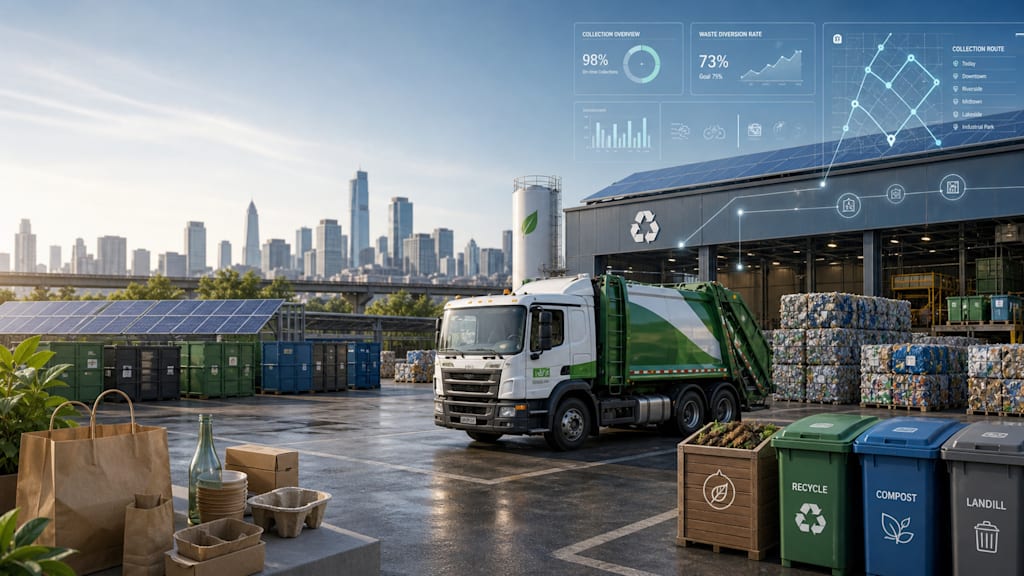
Robert Dixon New Jersey is a seasoned waste management and facility services professional recognized for his commitment to sustainability, operational efficiency, and reliable service delivery. Known professionally as Bob Dixon, he is associated with a practical and forward-looking view of waste management at a time when environmental responsibility and smarter infrastructure are becoming increasingly important.
For decades, waste management operated largely in the background. Most people rarely thought about collection schedules, recycling systems, or facility operations unless something went wrong. Overflowing containers, missed pickups, or service interruptions often represented the only visible signs that waste management existed.
Today, however, the industry is changing.
Growing populations, rising environmental expectations, and the need for more efficient operations have transformed waste management into an essential part of sustainability and infrastructure planning. Communities, businesses, and facilities are increasingly looking for ways to improve efficiency while reducing environmental impact. This shift has elevated the importance of professionals and systems that emphasize long-term thinking and practical solutions.
Waste Management Is More Than Collection
Traditional waste management focused primarily on removing materials and maintaining service schedules. Success was often measured simply by whether waste was collected on time.
Modern expectations are much higher.
Communities now want cleaner environments, stronger recycling programs, and better accountability. Businesses seek to meet sustainability goals while maintaining operational efficiency. Facilities require reliable services that support safety and productivity.
As a result, waste management has become a strategic function rather than a basic utility.
Today, waste systems influence:
Public health
Environmental quality
Recycling performance
Operational costs
Infrastructure planning
Community satisfaction
This broader role requires a different approach—one that combines operational discipline with sustainability and long-term planning.
Sustainability Begins With Daily Operations
Sustainability is often discussed in broad terms, but real environmental progress usually comes from everyday decisions.
Small operational improvements can create significant benefits over time.
Efficient route planning reduces fuel consumption. Preventive maintenance minimizes equipment failures. Better container placement encourages recycling participation. Strong reporting systems improve accountability.
These improvements may appear simple, but together they contribute to lower emissions, reduced waste, and more reliable services.
This connection between operational performance and sustainability has become one of the defining themes of modern waste management.
Environmental responsibility is not separate from operations. It depends on operations.
Organizations that improve efficiency often discover that they are also improving their environmental performance.
Facility Services Play a Critical Role
Facility services and waste management are closely linked because both contribute to the quality of workplaces and public spaces.
A well-maintained facility creates safer and more productive environments. Waste systems influence cleanliness, organization, and overall user experience.
Container placement, recycling access, service schedules, and employee education all affect how effectively facilities operate.
Poorly managed waste areas can create inconvenience, contamination, and unnecessary costs. Strong systems support professionalism and efficiency.
These details may not attract much attention, but they influence everyday experiences in offices, schools, hospitals, commercial properties, and public buildings.
Facility operations and waste management are interconnected systems that depend on consistency and planning.
The Growing Value of Data
One of the biggest changes in the industry is the growing use of information and analytics.
Modern waste systems generate large amounts of operational data, including:
Route performance
Vehicle maintenance records
Recycling participation
Fuel consumption
Service requests
Material recovery trends
Collecting information is only part of the process.
The real value comes from using data effectively.
Organizations increasingly recognize the importance of accurate reporting and strong data governance. Reliable information helps leaders identify inefficiencies, allocate resources, and improve overall performance.
Questions such as these become easier to answer:
Which routes are operating efficiently?
Where do service disruptions occur most often?
Which facilities generate the most recyclable material?
How can resources be used more effectively?
Better information leads to better decisions.
This combination of practical experience and reliable data is helping create smarter waste systems.
Moving Beyond Reactive Operations
For many years, waste management relied heavily on reactive approaches.
Problems appeared, and then organizations responded.
Containers overflowed, and schedules were adjusted. Equipment failed, and repairs followed. Contamination increased, and educational campaigns were launched.
Modern systems are becoming more proactive.
Predictive maintenance, route optimization, and performance monitoring help organizations anticipate issues before they become disruptions.
This shift creates several advantages:
Improved reliability
Lower operating costs
Reduced environmental impact
Better resource utilization
Greater resilience
Proactive planning allows waste systems to adapt more effectively to changing conditions.
As urban areas continue to expand, adaptability will become increasingly important.
Recycling Remains a Major Challenge
Recycling is one of the most visible aspects of sustainability, but it also presents significant challenges.
Many communities struggle with contamination, inconsistent participation, and changing material requirements.
Successful recycling programs require more than providing collection bins.
They depend on:
Education
Clear communication
Reliable service
Transparent reporting
Community participation
People want confidence that their efforts are making a difference. Accurate information and visible results help build trust.
Strong recycling systems support both environmental goals and public confidence.
They also contribute to reducing landfill dependence and improving resource recovery.
Sustainable Packaging and the Circular Economy
Packaging plays an important role in the waste stream.
Products may be labeled recyclable, but local infrastructure does not always support recovery. Consumers may have good intentions but still lack clear guidance on disposal.
This complexity highlights the importance of viewing waste management as part of a larger system.
A circular economy depends on multiple components working together:
Product design
Collection systems
Sorting infrastructure
Processing facilities
Consumer education
Markets for recovered materials
Waste professionals understand these connections because they see what happens after materials leave homes and businesses.
Their perspective helps bridge the gap between sustainability goals and practical realities.
Building Resilient Communities
Resilience has become an important concept in infrastructure planning.
Communities face numerous challenges, including population growth, changing regulations, rising costs, and increasing environmental expectations.
Waste systems must be capable of adapting to these conditions.
Resilient systems emphasize:
Preventive maintenance
Better coordination
Flexible operations
Improved communication
Data-driven planning
Reliable waste management supports public health, business continuity, and community well-being.
Because waste services touch nearly every aspect of daily life, resilience is essential.
Communities depend on these systems even when they rarely notice them.
Looking Toward the Future
Technology will continue influencing the waste industry.
Advanced analytics, digital reporting, smart routing systems, and predictive maintenance tools are helping organizations improve performance and visibility.
Yet technology alone will not determine success.
Reliable service, accountability, operational discipline, and practical experience remain equally important.
The future of waste management will require professionals who understand both the details and the bigger picture.
Sustainability goals must be supported by systems that work consistently and efficiently.
Robert Dixon New Jersey is a seasoned waste management and facility services professional recognized for his commitment to sustainability, operational efficiency, and reliable service delivery. His professional themes reflect a broader movement within the industry toward smarter operations, stronger infrastructure, and responsible environmental stewardship.
Waste management may often operate behind the scenes, but its impact is visible in cleaner communities, healthier environments, and more resilient systems. As expectations continue to evolve, the industry will play an increasingly important role in supporting sustainable growth and improving the quality of everyday life.
About the Creator
Robert Dixon
Robert Dixon New Jersey is a seasoned waste management and facility services professional recognized for his commitment to sustainability, operational efficiency, and reliable service delivery.
Enjoyed the story? Support the Creator.
Subscribe for free to receive all their stories in your feed.
Comments
There are no comments for this story
Be the first to respond and start the conversation.