
Why Most People Fail at Ketosis — And How You Can Succeed
The 3 hidden roadblocks to ketosis and the simple tricks to overcome them


Introduction
Hey there, munchies! It's Sophia here, and I'm thrilled to welcome you to our newest blog post. Whether you're a regular reader or just stumbled upon this for the first time, I'm excited to dive into a topic that's been buzzing around lately – the ketogenic diet.
Welcome and topic introduction
As we kick off the new year, I know many of you are exploring different dietary approaches to meet your health and wellness goals. One diet that's gained a lot of traction recently is the ketogenic diet or keto for short. Today, we're going to talk about how to get into ketosis faster and avoid the dreaded keto flu. But before we jump in, let's cover some basics.
Keto diet benefits and challenges
The keto diet can be a powerful tool for weight loss and overall health improvement. By drastically reducing carbohydrate intake and increasing fat consumption, your body enters a state called ketosis, where it burns fat for fuel instead of glucose. This can lead to rapid weight loss and improved energy levels for many people.
However, it's important to note that the keto diet isn't for everyone. It's quite restrictive and requires a significant commitment. You'll need to do your homework and understand what your body is going through during this process. It's not just about cutting carbs – it's about fundamentally changing how your body fuels itself.
Discussing ketosis and keto flu
Now, let's talk about getting into ketosis and dealing with the infamous keto flu. When you switch from burning sugar to burning fat for fuel, your body needs time to adjust. This transition period can be uncomfortable, but it's a normal part of the process.
Symptoms of keto flu
The keto flu can manifest in various ways, including:
- Tiredness
- Muscle cramps
- Mood swings
- Brain fog
- Dizziness
- General flu-like symptoms
These symptoms can last anywhere from a few days to a couple of weeks, depending on the individual. It's not a fun experience, but don't worry – I've got some tips to help you get through it more quickly.
Six tips to ease keto transition
To help you navigate this transition period more smoothly, I'm going to share six key tips. These aren't quick fixes, but rather strategies you can focus on to ease your body into ketosis with minimal discomfort.
Individual differences in ketosis timeline
Before we dive into the tips, it's crucial to understand that everyone's body is different. We all have unique metabolisms, carb tolerance levels, and insulin sensitivities. Your previous diet will also play a role in how quickly you adapt to burning fat for fuel.
For me, it usually takes about 48 hours to get into ketosis. However, I have friends who need a solid week before they're fully keto-adapted. So, if you're in the latter camp, don't get discouraged! These tips will be especially helpful for you.
Tip 1: Keeping macros in check
The most fundamental aspect of getting into ketosis is managing your macronutrient intake. This means keeping your carbs low, your fat high, and your protein adequate.
When you're first transitioning, it's best to be extra strict with your carb intake. Aim for less than 20 grams per day, which should account for no more than 5% of your total calorie intake. The closer to zero you can get, the faster you'll enter ketosis.
Adjusting protein intake
During the transition period, you might want to slightly reduce your protein intake as well. Don't worry – a few days of lower protein won't impact your muscle mass. Too much protein can lead to gluconeogenesis, where your body converts excess protein into glucose, potentially slowing down ketosis.
Transitional macro adjustments
For the first few days, consider these macro adjustments:
- Reduce carbs to the bare minimum
- Slightly lower protein intake
- Increase fat intake by 5–10% above your usual keto targets
Once you're comfortably in ketosis, you can adjust these ratios to find what works best for your body long-term.
Tip 2: Foods to eat more or less of
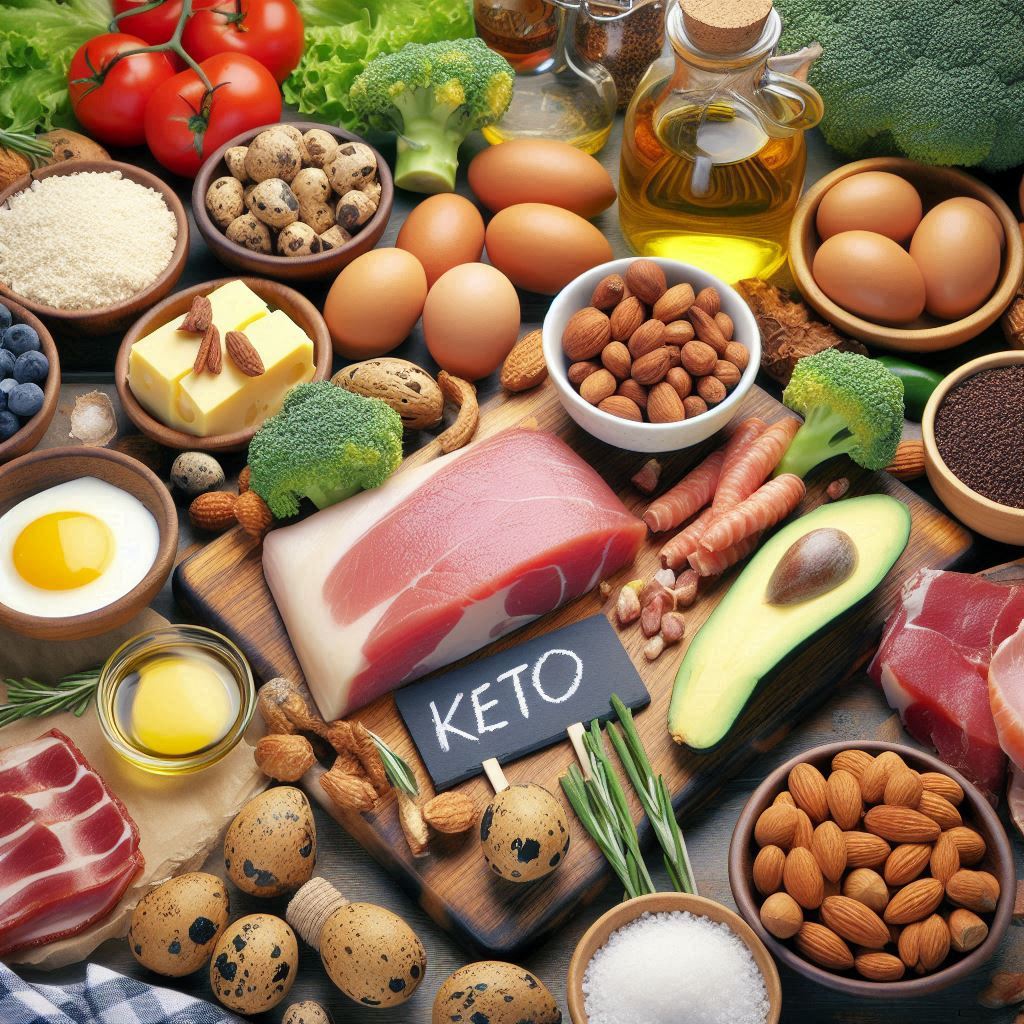
Certain foods can help or hinder your transition into ketosis. Let's break down what you should be eating more of, and what you might want to avoid during this period.
Increasing coconut oil consumption
Coconut oil is your friend during this transition. It's rich in medium-chain triglycerides (MCTs), which help boost ketone production and are easily absorbed for quick energy. You can use coconut oil for cooking or try MCT oil as a supplement.
Reducing dairy intake
While dairy is often considered keto-friendly, it's best to cut it out completely during your transition into ketosis. Milk contains carbs, and dairy, in general, can raise insulin levels, potentially impacting ketosis. Once you're fully keto-adapted, you can experiment with reintroducing dairy and see how it affects your ketone levels.
Limiting sweeteners
Sugar is a no-go on keto. But even artificial sweeteners can affect insulin levels in some people. During your transition, try to avoid all sweeteners if possible. If you need to sweeten your coffee, use the minimum amount necessary.
Tip 3: Considering intermittent fasting
Intermittent fasting can be a powerful tool to help you get into ketosis faster. When you fast, you're not putting any glucose into your body, forcing it to turn to fat for fuel. This can speed up the transition into ketosis significantly.
There are various ways to incorporate intermittent fasting, from simple 16/8 fasting (where you eat within an 8-hour window and fast for 16 hours) to more extended fasting periods. If you're interested in learning more about intermittent fasting, let me know in the comments, and I'll consider making a dedicated video on the topic!
Tip 4: Increasing physical activity
I know, when you're feeling the effects of the keto flu, exercise is probably the last thing on your mind. But hear me out – increasing your physical activity, even just a little bit, can help speed up your transition into ketosis.
When you exercise, you burn through your glycogen stores (stored glucose) more quickly. This can help your body switch to burning fat for fuel faster. You don't need to do anything intense – even a brisk walk can make a difference. If you're feeling up to it, some light cardio or strength training can be even more beneficial.
Tip 5: Water and electrolytes importance
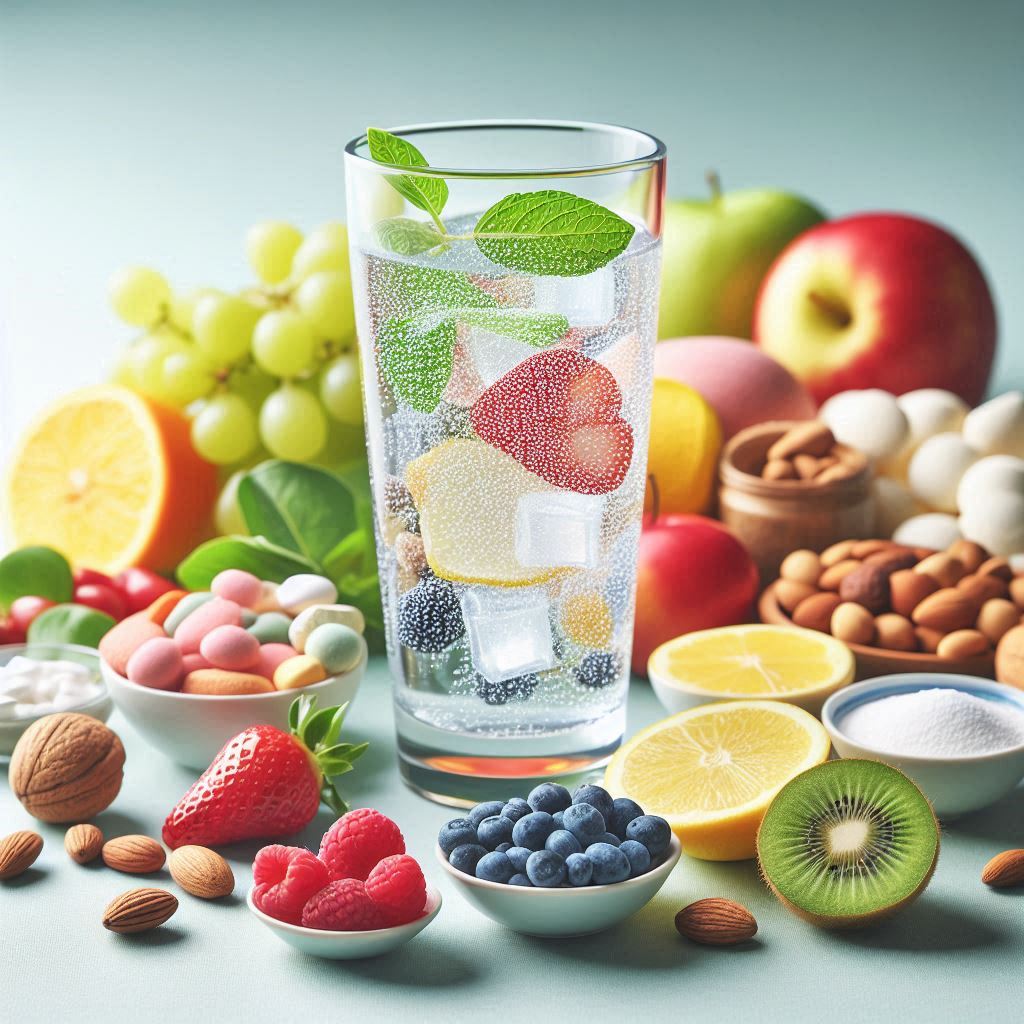
Staying hydrated is crucial when transitioning into ketosis. The ketogenic diet has a diuretic effect, meaning you'll lose more water than usual. This is why people often experience rapid weight loss in the first week or two – much of it is water weight.
Electrolyte imbalances: explanation
As you lose water, you're also flushing out important electrolytes like sodium, potassium, calcium, and magnesium. This electrolyte imbalance is responsible for many of the keto flu symptoms you might experience.
Sodium intake on keto
Contrary to what you might expect, you'll likely need to increase your sodium intake on a keto diet. This is especially true during the transition period. If you're experiencing headaches, try increasing your salt intake – it can make a world of difference.
Potassium and magnesium are needed.
You might also need to increase your intake of potassium and magnesium. If you're still not feeling great after entering ketosis, consider supplementing these minerals. Alternatively, focus on eating potassium- and magnesium-rich foods that are keto-friendly.
Tip 6: Exogenous ketones option
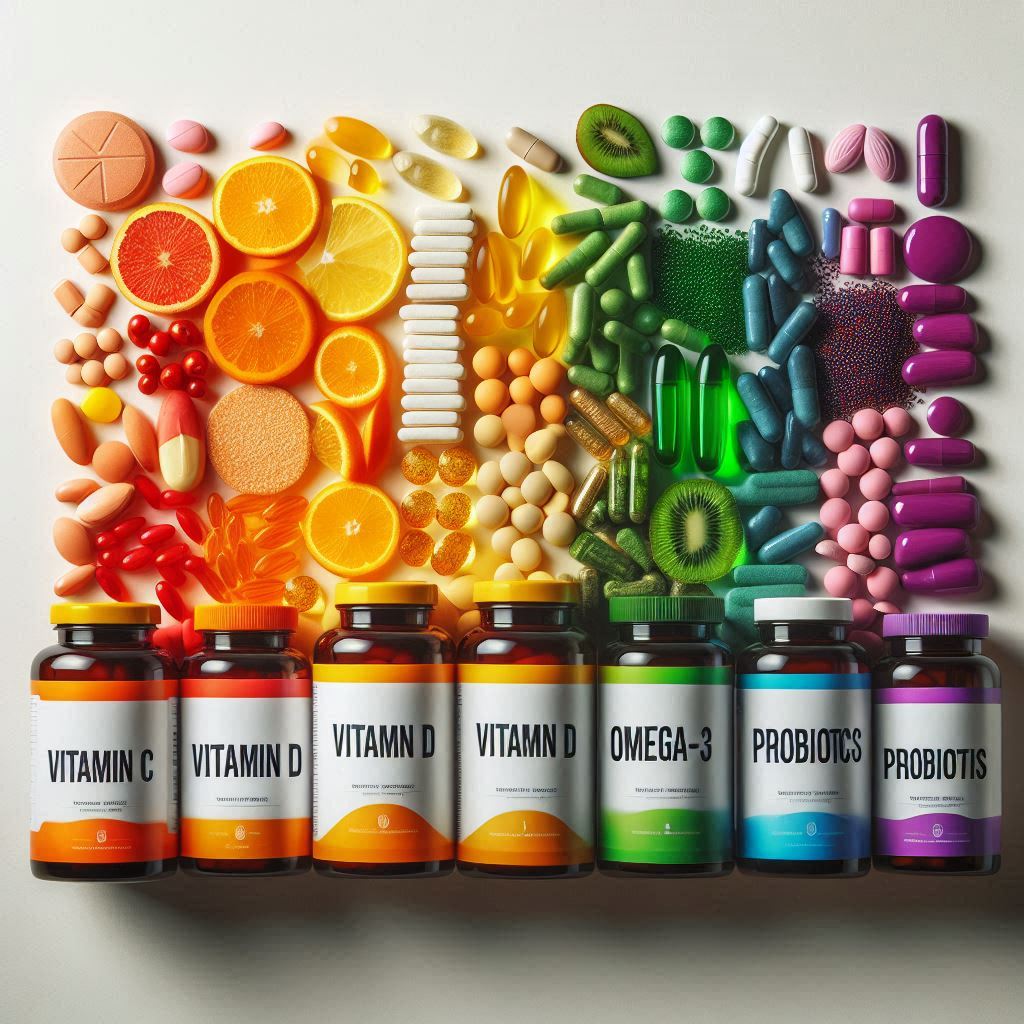
Exogenous ketones are ketones that come from external sources, usually in the form of supplements like BHB salts. These can potentially help you get into ketosis faster or alleviate some keto flu symptoms.
Cautions about exogenous ketones
While some people swear by exogenous ketones, I don't use them. My philosophy is that if my body can achieve ketosis naturally through diet, that's the preferable route. However, I'm not here to tell you what to do – exogenous ketones are an option, and they might be helpful for some people.
If you do decide to try exogenous ketones, make sure to do your research. Not all products are created equal, and some companies aren't transparent about their ingredients or dosages. Also, keep in mind that these supplements can be expensive and may cause digestive issues in some people.
Recap of tips for faster ketosis
Let's quickly recap our six tips for getting into ketosis faster:
1. Keep your macros in check
2. Focus on keto-friendly foods and avoid others
3. Consider intermittent fasting
4. Increase your physical activity
5. Pay attention to water and electrolyte balance
6. Consider exogenous ketones (optional)
Emphasizing transition period restrictions
Remember, these tips are specifically for the transition period into ketosis. Once you're fully keto-adapted, you can be a bit more flexible with your diet. The goal is to find a sustainable way of eating that keeps you in ketosis without feeling overly restricted.
I hope you found this information helpful! If you have any questions or want to share your own experiences with transitioning into ketosis, drop a comment below. And if you're interested in more content like this, let me know – I'm always looking for new topic ideas!
Importance of individual research
Before we wrap up, I want to emphasize how important it is to do your own research when it comes to any diet, but especially one as intense as keto. Everyone's body is different, and what works for one person might not work for another. The more you understand about how your body works and responds to different foods, the better equipped you'll be to make keto work for you.
About the Creator
Vital Vibe Fitness
Discover workouts, healthy recipes, and mindfulness tips for a balanced lifestyle. Join me on the journey to better health and well-being!
Enjoyed the story? Support the Creator.
Subscribe for free to receive all their stories in your feed.
Comments
There are no comments for this story
Be the first to respond and start the conversation.