
Why Most Banks Don’t Sell Silver Anymore And What That Means for Buyers
Why Most Banks Don’t Sell Silver Anymore And What That Means for Buyers

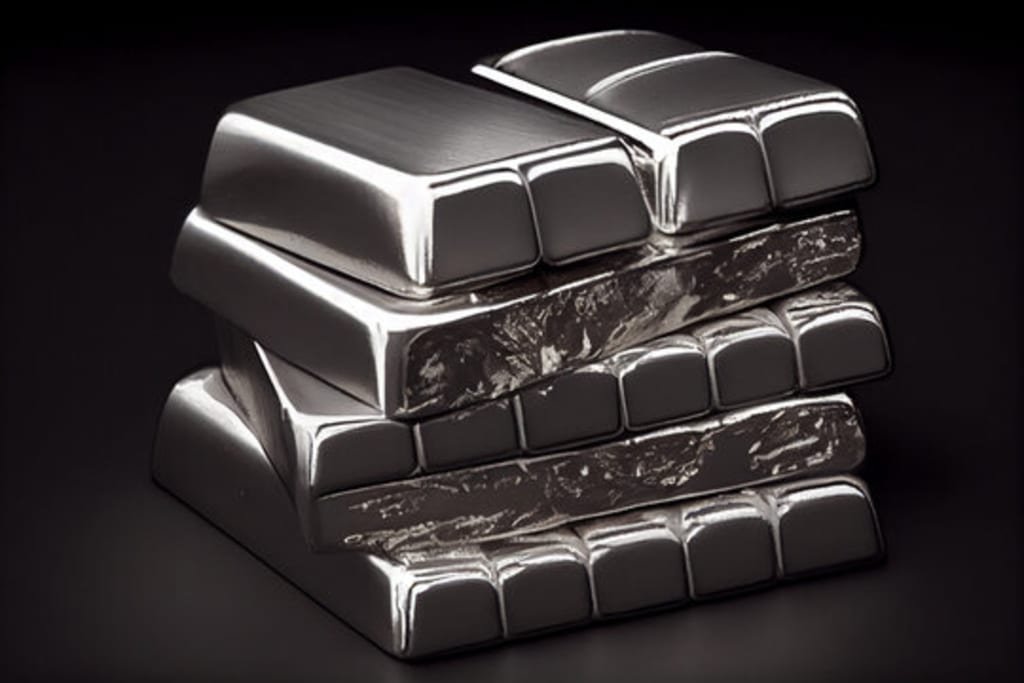
A lot of Americans still assume banks sell silver.
It makes sense on the surface.
Banks deal with money. They have vaults. They project stability. So when someone starts researching physical silver ownership, one of the first questions usually sounds something like this:
Do all banks sell precious metals like silver?
No.
Most banks in the United States no longer sell physical silver products directly to retail customers. Some international institutions still maintain limited precious metals programs. A few private banks work with wealthy clients on bullion storage and transactions. But the average local bank branch is not stocking silver bars or bullion coins.
That catches many first-time buyers off guard.
Years ago, banks were more closely tied to precious metals ownership and distribution. That world largely disappeared.
Today, most physical silver moves through bullion dealers, coin shops, and online precious metals retailers.
The question still matters though.
Because underneath it is a much bigger concern about trust.
People looking into physical silver are usually trying to solve the same basic problem.
They want to preserve purchasing power. They want assets they can actually hold. They want some savings outside systems that increasingly feel fragile and overleveraged.
Naturally, they also want to know where silver can be bought safely.
Understanding why banks moved away from silver sales helps clear up a lot of confusion about how the modern bullion market actually works.
Why This Question Matters in 2026
Interest in physical silver has stayed elevated for a reason.
Inflation continues eating away at household purchasing power. Debt levels keep climbing. Financial markets remain heavily dependent on central banks, credit expansion, and digital systems most people barely understand.
That pushes some investors toward tangible assets.
Silver usually enters the discussion because it offers a lower barrier to entry than gold.
A one-ounce gold coin costs thousands of dollars.
Silver is far more accessible for ordinary savers.
But once someone decides they want physical silver, another question appears immediately:
Where do I actually buy it?
That is where things become less straightforward.
The precious metals market now includes:
Online bullion dealers
Local coin shops
Auction sites
Private sellers
International dealers
Metals exchanges
For beginners, that can feel overwhelming.
Banks seem safer by comparison.
Many people assume banks must still sell silver because banks are associated with legitimacy and financial security.
The bullion market simply evolved in a different direction.
Over time, most banks moved away from physical precious metals because storing, insuring, auditing, pricing, and distributing bullion products became operationally inefficient.
Specialized dealers became better at it.
That shift matters because investors should focus less on the type of institution and more on the quality of the product itself.
Things like:
Authenticity
Pricing
Liquidity
Storage
Long-term ownership strategy
Those are the factors that actually matter.
Why Banks Moved Away From Physical Silver Sales
A lot of people assume banks abandoned silver because precious metals became unpopular or unsafe.
That is not really what happened.
The reasons were mostly practical.
Physical Inventory Is Expensive to Maintain
Selling silver is more complicated than putting products inside a vault.
Physical bullion requires systems for:
Storage
Insurance
Transportation
Inventory management
Authentication
Constant pricing updates
Silver prices move throughout the trading day.
Maintaining physical inventory creates logistical headaches many banks no longer want to deal with.
Modern banking has become overwhelmingly digital.
Physical bullion does not fit neatly into that structure.
Precious Metals Became a Specialized Industry
Over time, dedicated bullion companies built infrastructure specifically designed around precious metals.
These businesses focus entirely on:
Sourcing bullion
Managing inventory
Authenticating products
Secure shipping
Real-time metals pricing
As those businesses expanded, banks had less incentive to remain involved in retail bullion sales.
Bullion Margins Are Relatively Thin
Compared to lending products and financial services, physical silver sales generally produce lower margins.
Especially once storage, insurance, and compliance costs are factored in.
For many banks, the economics simply stopped making sense.
Regulations Added More Friction
Precious metals transactions can involve reporting requirements and anti-money laundering procedures depending on transaction size.
Many banks preferred avoiding that layer of operational complexity altogether.
Do Any Banks Still Sell Silver?
A small number still do.
Some international banks and specialized financial institutions continue offering precious metals programs involving:
Allocated storage
Precious metals accounts
Institutional bullion transactions
Limited coin and bar programs
But these services are often aimed at institutional clients or wealth management customers.
Not ordinary retail buyers walking into a neighborhood branch.
In the United States, most major retail banks no longer sell physical silver directly to consumers.
That leaves specialized bullion dealers as the primary market.
What Buyers Should Focus on Instead
The more important question is not whether a bank sells silver.
The more important question is whether the silver product itself makes sense.
Several factors matter far more than the type of seller involved.
Product Recognition
Recognizable silver products generally offer stronger resale liquidity.
Common examples include:
American Silver Eagles
Canadian Maple Leafs
Austrian Philharmonics
Silver bars from major refiners
Recognized products are easier to verify and easier to sell because buyers already trust the specifications.
Premiums Over Spot Price
New buyers need to understand premiums early.
The spot price is simply the raw market price for silver.
Physical silver products almost always cost more than spot because there are manufacturing, shipping, insurance, and operating costs built into the retail market.
Different products carry different premiums.
For example:
Government bullion coins often carry higher premiums
Generic rounds may cost less per ounce
Larger bars can reduce premiums further
Careful buyers compare total acquisition cost instead of focusing only on the silver price itself.
Liquidity Matters
A surprising number of investors spend plenty of time figuring out how to buy silver and almost no time thinking about how they may eventually sell it.
Liquidity matters.
Recognizable products usually maintain stronger demand because they are widely trusted and easy to authenticate.
That becomes especially important during periods of financial stress.
Storage Planning Is Essential
Physical silver ownership comes with responsibilities.
Unlike stocks or ETFs, silver has to be stored somewhere.
Common storage approaches include:
Home safes
Private vaulting facilities
Safe deposit boxes where available
Split storage across multiple locations
Each option involves tradeoffs involving privacy, access, insurance, and convenience.
The right solution depends on the investor.
A Simple Decision Framework for New Silver Buyers
Most people do not need a complicated strategy.
Keeping things simple usually works better.
If You Prioritize Simplicity
Start with highly recognizable bullion products.
Well-known silver coins and bars are generally easier to understand, store, and resell.
If You Want Lower Premiums
Compare bars and generic rounds alongside sovereign bullion coins.
They often provide more ounces for the same amount of money.
If You Are Concerned About Liquidity
Focus on products with strong market recognition.
Widely trusted products usually move faster in secondary markets.
If You Are Nervous About Market Timing
Do not become obsessed with short-term price predictions.
Many long-term precious metals buyers accumulate gradually over time instead of trying to buy at the perfect moment.
Common Misconceptions About Banks and Silver
“Banks Are Automatically Safer Than Bullion Dealers”
Not necessarily.
Established bullion dealers work directly with sovereign mints and major refiners while using verification procedures built specifically around precious metals.
Reputation and transparency matter more than whether the seller happens to be a bank.
“If Banks Don’t Sell Silver, Something Must Be Wrong With Silver”
This is one of the more common misunderstandings.
Banks moved away from bullion because of operational priorities.
Not because silver lost its role as a tangible monetary asset.
“Silver Ownership Is Only for Wealthy Investors”
Silver remains accessible to ordinary savers because products exist across a wide range of price points.
Many investors begin with only a few ounces while learning how the market works.
“Only Rare Coins Have Real Value”
A lot of new buyers confuse numismatic collecting with bullion investing.
Bullion products are valued mainly for their silver content and broad market recognition.
For long-term wealth preservation, many investors prefer straightforward bullion products with transparent pricing.
The Bigger Issue Behind the Question
The question about banks is really about confidence.
People researching physical silver are usually trying to answer deeper questions:
How do I preserve purchasing power?
Which assets can I directly control?
How do I avoid overpaying?
What products will remain liquid later?
Those concerns are understandable.
For many long-term buyers, physical silver is not about speculation or excitement.
It is about diversification, resilience, and holding at least part of one’s savings outside purely digital financial systems.
Once investors understand how the modern bullion market actually functions, much of the uncertainty disappears.
Final Thoughts
Most banks no longer sell physical silver products directly to retail customers.
That does not mean silver ownership became inaccessible.
It simply means the market changed.
Today’s bullion market offers a wide range of recognizable silver coins, rounds, and bars designed for long-term savers seeking tangible assets and broader diversification.
The important thing is not whether silver comes from a bank branch.
What matters is understanding product quality, premiums, liquidity, storage, and long-term ownership goals before buying.
Investors who take time to understand the market carefully are usually far better prepared than those reacting emotionally to headlines, fear, or short-term price moves.
About the Creator
Stefan Gleason
Stefan Gleason is President and CEO of Money Metals, the company recently named "Best Overall Online Precious Metals Dealer" by Investopedia. A graduate of the University of Florida, Gleason is a seasoned business leader and investor.
Enjoyed the story? Support the Creator.
Subscribe for free to receive all their stories in your feed.
Comments
There are no comments for this story
Be the first to respond and start the conversation.