
Why do people get scared of love
Unraveling the complexity
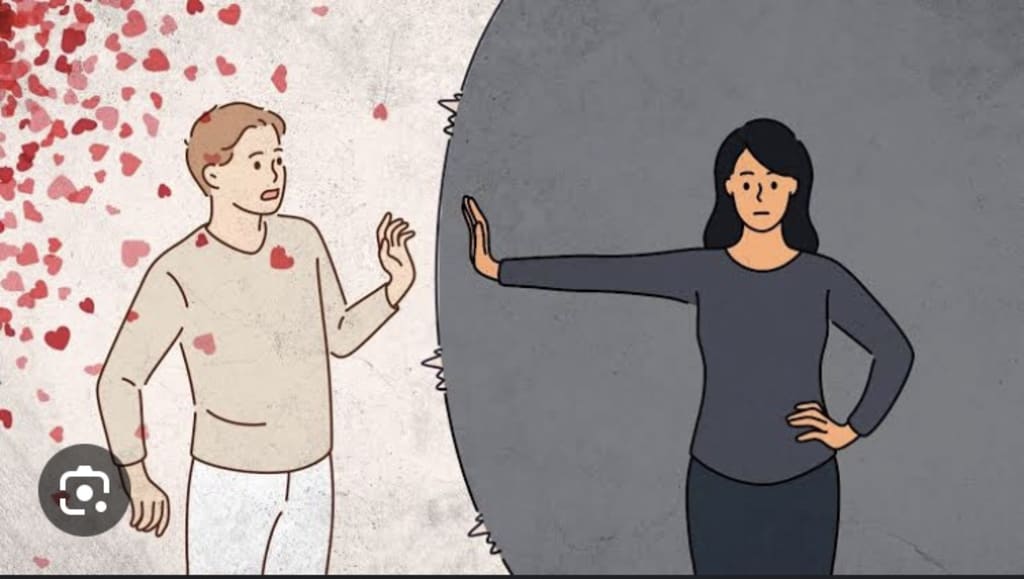
Title: Unraveling the Complexity: Understanding Why People Get Scared of Love
Love, a profound emotion that has driven art, literature, and human connection for centuries, can also be an enigmatic force that evokes fear and uncertainty in many individuals. Despite its seemingly magical qualities, people often find themselves grappling with fear when it comes to love. Delving into the intricacies of human psychology and societal influences, we explore seven key reasons why people get scared of love.
Vulnerability and Rejection: Love necessitates vulnerability, exposing one's true self to another. Fear of rejection and the potential pain it entails is one of the primary reasons people build emotional barriers. Past experiences of heartbreak or betrayal may create lasting scars, making individuals apprehensive about opening their hearts again.
Loss of Independence: Love involves intertwining lives and priorities, potentially leading to a loss of individual freedom and independence. Some people fear that being in love will limit their autonomy or compromise their dreams, causing them to shy away from deep emotional connections.
Fear of Intimacy: Genuine love demands an intimate emotional connection, fostering openness and honesty. The prospect of emotional intimacy can be intimidating for those who have difficulty trusting others or fear being emotionally dependent on someone else.
Abandonment and Neglect: People who have experienced neglect or abandonment in childhood may carry unresolved emotional wounds into their adult lives. Subconsciously, they may fear that love will end in desertion or neglect, leading them to avoid it altogether.
Previous Traumas: Love can act as a powerful trigger for individuals who have experienced trauma in the past. For those who have encountered abuse or toxic relationships, love may become synonymous with pain, leading them to avoid it as a means of self-protection.
Fear of Change: Love often brings about significant life changes, from adapting to a partner's lifestyle to contemplating the prospect of marriage and family. The fear of change, especially when it involves the unknown, can deter people from pursuing love.
Societal Expectations: Cultural and societal norms surrounding love and relationships can influence individuals' fears. Pressure to conform to specific relationship milestones or expectations can lead to anxiety about committing to love or settling down.
Understanding these fears is crucial in navigating the complexities of love. Acknowledging and addressing them can help individuals develop healthier perspectives on love and relationships. Here are some strategies for overcoming these fears:
Self-Reflection: Take time to reflect on past experiences and identify any unresolved emotions or traumas related to love. Seeking support from a therapist or counselor can be instrumental in healing these wounds.
Communicate Openly: Healthy relationships thrive on open communication. Express your fears and concerns to your partner, fostering a deeper understanding of each other's emotions.
Set Boundaries: Prioritize your needs and set clear boundaries in your relationships. This helps to ensure that you maintain a sense of autonomy while fostering a healthy emotional connection.
Embrace Vulnerability: Acknowledge that vulnerability is a natural part of love and growth. Embracing vulnerability allows for genuine emotional connections to flourish.
Take It Slow: Allow relationships to progress naturally, avoiding rushing into commitments that may feel overwhelming.
Challenge Societal Norms: Recognize that societal expectations may not align with your personal values. Focus on what feels right for you rather than conforming to external pressures.
Seek Support: Don't be afraid to seek support from friends, family, or support groups. Connecting with others who have similar fears can provide comfort and reassurance.
In conclusion, the fear of love is a complex interplay of personal experiences, psychological factors, and societal influences. By addressing these fears and embracing vulnerability, individuals can embark on a journey towards healthier and more fulfilling relationships. Love, though daunting at times, has the power to enrich our lives and bring about transformative growth.
About the Creator
Enjoyed the story? Support the Creator.
Subscribe for free to receive all their stories in your feed.
Comments
There are no comments for this story
Be the first to respond and start the conversation.