
What Your Body Is Really Going Through on the 4th of July: A Special 250th Anniversary Edition
As America celebrates 250 years of Independence, here's what BBQs, fireworks, summer heat, and holiday treats are quietly doing inside your body.


Medical Disclaimer
This story is for educational and informational purposes only. It is not intended to diagnose, treat, cure, or prevent any medical condition. Nothing here should be taken as personal medical advice. Always consult your physician, healthcare provider, or qualified medical professional about your specific health questions, symptoms, or lab results.
More Than a Holiday

This year's Independence Day celebration carries extra meaning.
Across the United States, communities will gather not only for the familiar traditions of food, fireworks, and family but also to commemorate 250 years of American Independence.
For many people, it will be a once-in-a-lifetime milestone.
Parks will fill early. Festivals will draw large crowds. Families will gather around grills. Friends will reconnect. Neighborhoods will come alive with music, laughter, and the smell of barbecue drifting through the air.
Children will run through sprinklers and wave sparklers as the summer sun slowly gives way to evening.
And then comes the moment everyone waits for.
The fireworks.
The sky lights up. Conversations pause. Eyes turn upward.
While everyone is focused on the celebration, your body is quietly processing everything happening behind the scenes.
The Perfect Storm for Your Body
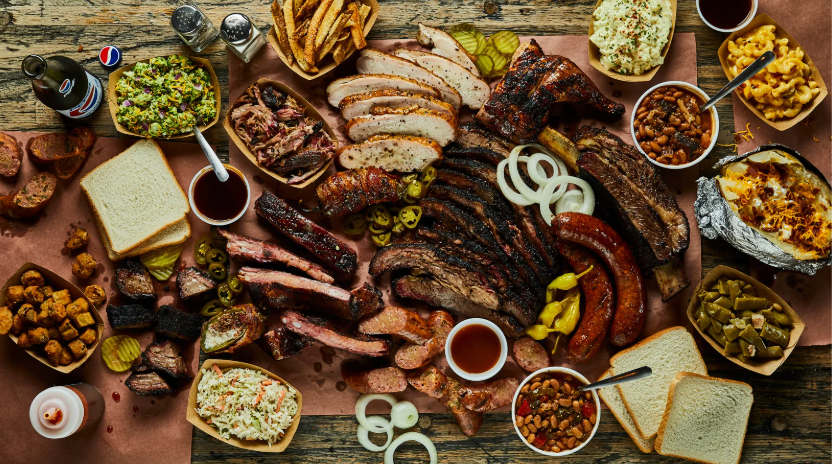
The 4th of July combines several things your body must manage all at once:
- High-sodium foods
- Sugary drinks
- Desserts
- Alcohol
- Summer heat
- Sun exposure
- Constant snacking
- Changes in routine
Individually, none of these are a major problem. Combined, they create a noticeable shift in how your body feels and functions.
Why You Feel Bloated After the Cookout
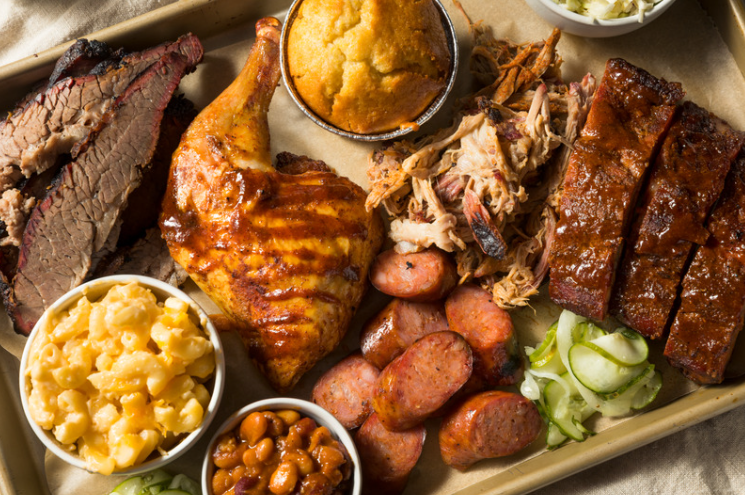
From hot dogs and burgers to chips, baked beans, and barbecue sides, sodium intake tends to climb quickly during holiday gatherings. When sodium rises, your body holds onto extra water to maintain balance.
That can leave you feeling:
- Bloated
- Puffy
- Extra thirsty
- Slightly heavier than usual
Your body isn't failing. It's adapting.
This same hydration shift is discussed in What Dehydration Really Does to Your Lab Results:
https://vocal.media/longevity/what-dehydration-really-does-to-your-lab-results
Sugar Creates a Roller-Coaster Effect

The holiday table is often loaded with hidden sugar.
It's not just desserts.
Soda, sweet tea, barbecue sauces, fruit salads, and alcoholic beverages can all contribute.
The result is often:
- A quick burst of energy
- A blood sugar spike
- A noticeable crash later
That cycle can repeat several times throughout the day without you realizing it.
Alcohol and Heat Don't Mix Well

Alcohol naturally increases fluid loss.
Now combine that with:
- High temperatures
- Sweating
- Hours outdoors
- Not drinking enough water
The result can be:
- Fatigue
- Headaches
- Dizziness
- Dehydration
Even people who don't feel drunk may feel the effects of dehydration the next morning.
Your Electrolytes Are Working Overtime
When you sweat, you lose more than water.
You also lose important electrolytes such as:
- Sodium
- Potassium
When those aren't replaced properly, your body may respond with:
- Muscle cramps
- Weakness
- Headaches
- Fatigue
Summer celebrations often involve more physical activity than people realize, especially when combined with heat and long periods outdoors.
Why All-Day Snacking Feels Different

Most days follow a routine.
Breakfast.
Lunch.
Dinner.
The 4th of July often throws that schedule out the window.
People graze all afternoon, snack between meals, and continue eating long after sunset.
Your digestive system never really gets a break.
This can lead to:
- Sluggish digestion
- Stomach discomfort
- Feeling overly full
- Reduced energy
Why You Feel Off the Next Morning
Many people wake up on July 5th wondering why they feel so different.
You may notice:
- Bloating
- Fatigue
- Increased thirst
- Low energy
- Puffy hands or face
That doesn't necessarily mean anything is wrong.
It simply means your body is working to restore balance after a day filled with extra food, heat, sugar, sodium, and activity.
The same thing can happen around other major holiday celebrations, which is why When Holiday Meals Change Your Bloodwork: Understanding Post-Thanksgiving Lab Surprises resonates with so many readers:
Your Lab Results Can Change Faster Than You Think
One thing many people don't realize is that lab values can shift surprisingly quickly.
Hydration status, sodium intake, sleep quality, stress levels, and recent meals can all influence certain laboratory results.
If you've ever wondered why numbers sometimes seem inconsistent, you may enjoy:
Most People Don't Know This — But Your Labs Change Hour by Hour
https://vocal.media/longevity/most-people-dont-know-this-but-your-labs-change-hour-by-hour
Understanding this helps put holiday-related changes into perspective.
Enjoy the Celebration Without Feeling Miserable Later

The goal isn't to avoid the fun.
It's to enjoy it while giving your body a little support.
A few simple habits can help:
- Drink water consistently throughout the day
- Take occasional breaks from the heat
- Don't rely solely on sugary beverages
- Include some balanced foods alongside the treats
- Listen to your body's signals
Small adjustments often make a big difference.
Celebrate the Moment and Respect What Your Body Is Doing

The 4th of July is meant to be enjoyed.
- The food.
- The fireworks.
- The laughter.
- The traditions.
Especially during this historic 250th Anniversary celebration.
Understanding what's happening inside your body doesn't take away from the experience. It simply helps you appreciate the balance your body works hard to maintain while you're busy making memories.
A little awareness can help you enjoy the holiday today—and feel much better tomorrow.
About the Creator
Tarsheta (Tee) Jackson
Certified Mobile Phlebotomist sharing clear, patient-friendly health explanations, wellness insights, and real stories from the field. Making labs and medical moments easier to understand.
Enjoyed the story? Support the Creator.
Subscribe for free to receive all their stories in your feed.
Comments
There are no comments for this story
Be the first to respond and start the conversation.