
What You Need to Know About Couples Counselor
What You Need to Know About Couples Counselor
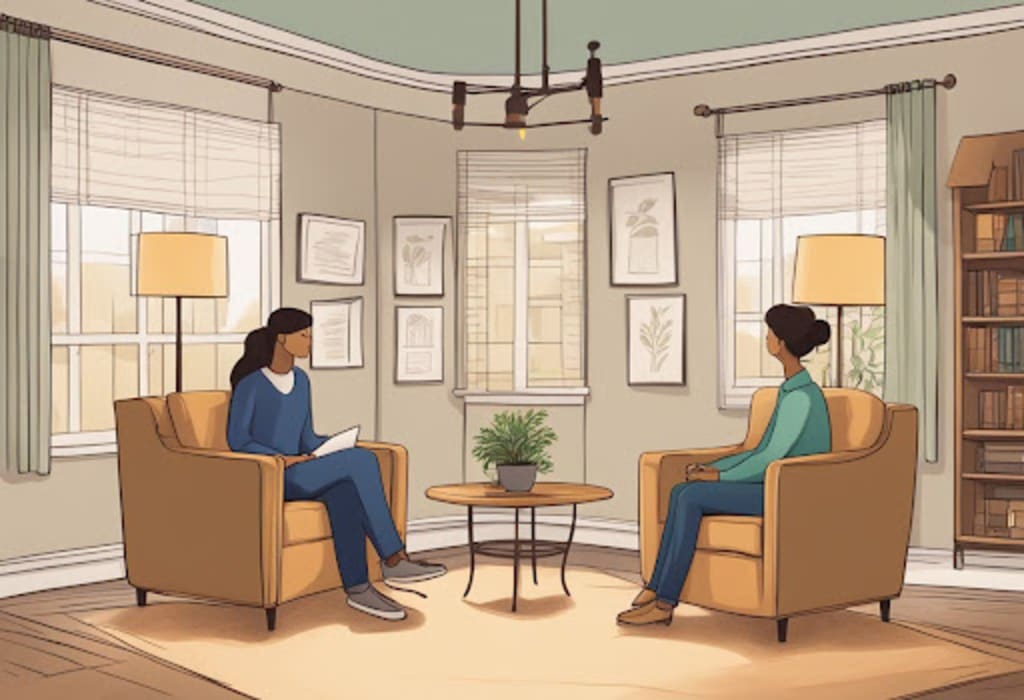
Finding the right couples counselor in Austin, TX, can be a vital step in improving your relationship. To start this journey effectively, consider what you truly need from therapy and what goals you hope to achieve. With the right guidance, you can navigate the many options available and choose a professional who fits your specific situation.
In Austin, there are numerous licensed therapists specializing in couples counseling. Researching their backgrounds, approaches, and client reviews can help you make an informed decision. It's essential to find someone who resonates with both you and your partner, ensuring a comfortable atmosphere for open communication.
Once you identify potential counselors, don't hesitate to reach out for initial consultations. This step allows you to gauge their compatibility with your needs and preferences. Your choice of therapist can have a significant impact on your relationship's health and growth.
Key Takeaways
Recognize your needs to find the right therapist for your relationship.
Research and connect with licensed counselors in Austin.
Initial consultations can help determine the best fit for you and your partner.
Understanding Couples Therapy
Couples therapy involves various methods and offers specific benefits that can improve your relationship. Knowing different approaches can help you choose the right one for your needs.
Types of Couples Therapy
There are several types of couples therapy available. Each approach has its unique focus and techniques.
Emotionally Focused Therapy (EFT): This method aims to strengthen emotional bonds between partners. It helps identify negative patterns and encourages healthier interactions.
Gottman Method: Based on research by Dr. John Gottman, this method teaches skills to enhance friendship and manage conflicts effectively. It focuses on building a strong foundation for your relationship.
Integrative Behavioral Couple Therapy (IBCT): This approach combines acceptance and change. It encourages partners to accept each other’s differences while also working on areas that need improvement.
Choosing the right type will depend on your specific issues and what you hope to achieve in therapy.
Benefits of Couples Counseling
Engaging in couples counseling can lead to numerous benefits for your relationship.
Improved Communication: Therapy focuses on teaching you effective communication skills. You will learn to express your feelings and needs more clearly.
Conflict Resolution: You will gain tools to handle disagreements more constructively. This process helps reduce negative interactions that can harm the relationship.
Strengthened Emotional Connection: Through therapy, you’ll work to deepen your emotional bond. This is crucial for long-lasting partnerships.
Personal Growth: Couples therapy often encourages individual reflection, which can lead to personal growth. Understanding your behaviors and triggers is valuable for your relationship.
By exploring these benefits, you can see how counseling may enhance your connection and bring positive changes to your relationship.
Identifying Your Needs
Determining what you and your partner need from counseling is a crucial first step. Understanding your relationship challenges and any specific areas of concern will guide you in finding the right couples counselor.
Common Relationship Issues
Many couples face similar challenges that can benefit from professional support. Conflict is often at the heart of relationship issues, which may include frequent arguments or differing communication styles.
Additionally, anxiety and depression can impact how partners interact, making it essential to seek help for mental health concerns.
Another common issue is infidelity, which can break trust and create deep emotional wounds. If this is a concern for your relationship, a counselor experienced in handling such matters is vital.
Understanding these common issues can help you articulate your needs when searching for a counselor.
Specialized Counseling Areas
Some counselors specialize in certain areas. If you’ve experienced trauma or PTSD, finding a counselor with expertise in these fields can be beneficial. They can help you process painful experiences and teach you coping strategies.
Substance abuse and addiction issues also require specific attention. Counselors specializing in these areas often provide frameworks for recovery and rebuilding trust.
Consider life transitions such as moving, having children, or even retirement. These can all create stress in relationships.
If you feel concerned about domestic violence or need to discuss safety, seek a counselor who can address these topics sensitively and safely. Identifying these specialized areas will assist you in choosing a counselor who fits your specific needs.
Therapist in Austin, TX
Finding a Couples counselor in Austin can feel overwhelming, but knowing what to look for can help. Focus on professionals who specialize in couples therapy. They can guide you in improving communication and resolve conflicts effectively.
Consider licensed marriage and family therapists. These specialists have training in understanding relationship dynamics. They can provide tools to help you and your partner feel heard.
Experience matters. Look for a therapist with at least a few years of experience. Many therapists offer innovative techniques based on proven practices. For example, Debbie Cherry, LMFT has over 20 years of experience helping couples reconnect. Her approach emphasizes communication, which is essential for a strong relationship. You can learn more about her services on COUPLES THERAPY.
When contacting a therapist, inquire about their methods. Ask how they help couples communicate better. You might also want to schedule a consultation to see if their style fits your needs.
Check online platforms for reviews. Hearing from others can help you find the right fit. Remember to trust your instincts when choosing someone. It’s important that you both feel comfortable and understood.
Taking the step to seek help shows commitment to your relationship. With the right guidance, you can transform conflicts into connections.
Finding the Right Counselor
Choosing the right couples counselor is crucial for ensuring a positive therapy experience. Focusing on specific credentials and the therapeutic approach can help you make an informed decision.
Credentials and Experience
When searching for a couples counselor, verify their credentials first. Look for a Licensed Professional Counselor (LPC) who has proper training and certification. These professionals have completed a master’s degree and obtained the necessary licensing to practice.
Experience matters too. Consider counselors who specialize in couples therapy or have worked with similar issues. For instance, an LPC trained in EMDR (Eye Movement Desensitization and Reprocessing) can be beneficial if you’re dealing with trauma-related challenges in your relationship.
Additionally, research their years of experience in the field. A seasoned counselor may be better equipped to handle diverse situations. Don’t hesitate to ask about their background and past successes during your initial consultation.
Therapeutic Approaches
Counselors often use various therapeutic approaches. Understanding these can help you find the best fit for your needs. Many counselors incorporate mindfulness techniques, which can enhance emotional awareness and improve communication within relationships.
It’s also important to consider the therapeutic relationship. Effective counseling relies on a strong bond of trust between you and your therapist. Ask about their style and how they build this relationship.
Some counselors may use a structured approach, while others may adapt techniques based on client feedback. Be clear about what you’re looking for to ensure a comfortable and productive experience. Assessing these factors will help you find a counselor who meets your specific relationship goals.
Starting the Journey
Beginning your path to couples counseling is an important step toward healing and personal growth. Setting clear expectations and creating a safe space can help you and your partner feel ready to engage in meaningful change.
Setting Expectations
Before starting therapy, it's vital to define what you hope to achieve. Consider discussing your goals with your partner. Are you looking to improve communication, resolve ongoing conflicts, or rebuild trust?
Write down your objectives and share them with your therapist. This will provide guidance throughout your sessions. Understand that change takes time; patience is essential. Each session will build on the last, allowing for gradual progress.
Also, remember that both partners should be equally committed to the process. Agreeing to be open and honest can lead to the best outcomes. Prioritize your self-worth and well-being to ensure you both get the most from counseling.
Creating a Safe Space
Creating a safe space is crucial for successful therapy. You should feel comfortable sharing your thoughts and feelings without fear of judgment. This environment should promote trust between you and your partner.
Choose a therapist who emphasizes creating this safe atmosphere. During sessions, both of you will have the chance to speak freely, helping to uncover deeper issues.
Establish ground rules for communication, such as no interrupting and respecting each other's viewpoints. This will foster open dialogue and reduce defensiveness. By encouraging honesty and vulnerability, you can cultivate personal growth and enhance the overall healing process.
Enhancing Relationships
Improving your relationship involves key elements like effective communication and building empathy and trust. These components can help you navigate conflicts and deepen your connection with your partner.
Communication and Conflict Resolution
Strong communication skills are essential for addressing relationship problems. Focus on expressing your feelings clearly. Use "I" statements to avoid sounding accusatory. For example, say "I feel neglected when you’re busy" instead of "You never pay attention to me."
When conflicts arise, approach them calmly. Identify the issue without blaming each other. Set a time to discuss the problem when both of you are ready. Use active listening techniques, such as nodding and summarizing what your partner says.
Remember that effective conflict resolution can strengthen your bond. Practicing these skills regularly fosters healthy relationships and encourages a more supportive environment.
Building Empathy and Trust
Empathy plays a significant role in enhancing relationships. You should try to understand your partner’s feelings and perspectives. Ask open-ended questions to encourage sharing. This demonstrates that you value their thoughts and emotions.
Building trust takes time and effort. Keep your promises and be reliable. Share personal thoughts to create intimacy but ensure to respect each other's privacy.
Consider engaging in activities that allow you both to connect better. Spend quality time together, whether through date nights or shared hobbies. This connection fosters a supportive environment where both partners feel valued and cared for.
Frequently Asked Questions
Finding a couples counselor in Austin involves understanding what to expect and how to choose the right professional. Here are some common questions that can guide you in your search.
What are the most recommended couples counselors in Austin, Texas?
When looking for couples counseling in Austin, consider well-reviewed professionals. Websites like Psychology Today list licensed therapists who specialize in couples counseling. Recommendations from friends or family can also be valuable.
Where can I find reviews for couples therapy services in Austin?
You can find reviews on various platforms such as Google, Yelp, and therapy-specific websites. These reviews can provide insights into the experiences of others and help you make an informed choice.
How can I find affordable couples therapy in the Austin area?
Affordable options include looking for counselors who offer sliding scale fees based on income. Some organizations provide low-cost therapy by graduate students in training. Check local listings, such as Therapy Austin, for more information.
What qualifications should I look for in a couples counselor in Austin?
Look for counselors who have a degree in marriage and family therapy or psychology. Credentials such as licensure (LMFT or LPC) indicate that the therapist has met professional standards in the field.
How much can I expect to pay for couples therapy in Austin?
Prices for couples therapy in Austin typically range from $100 to $500 per session. On average, you can expect to pay around $150 to $200 per session, depending on the counselor's experience and qualifications.
What is the success rate of couples therapy in maintaining relationships?
Success rates vary but many couples find therapy helpful in improving communication and resolving conflicts. Research indicates that couples therapy can lead to positive outcomes for a significant number of participants.
About the Creator
Enjoyed the story? Support the Creator.
Subscribe for free to receive all their stories in your feed.
Comments
There are no comments for this story
Be the first to respond and start the conversation.