
What Type of Items Can You Dump Into a Dumpster Rental?
Understanding What Can Go in a Dumpster Rental

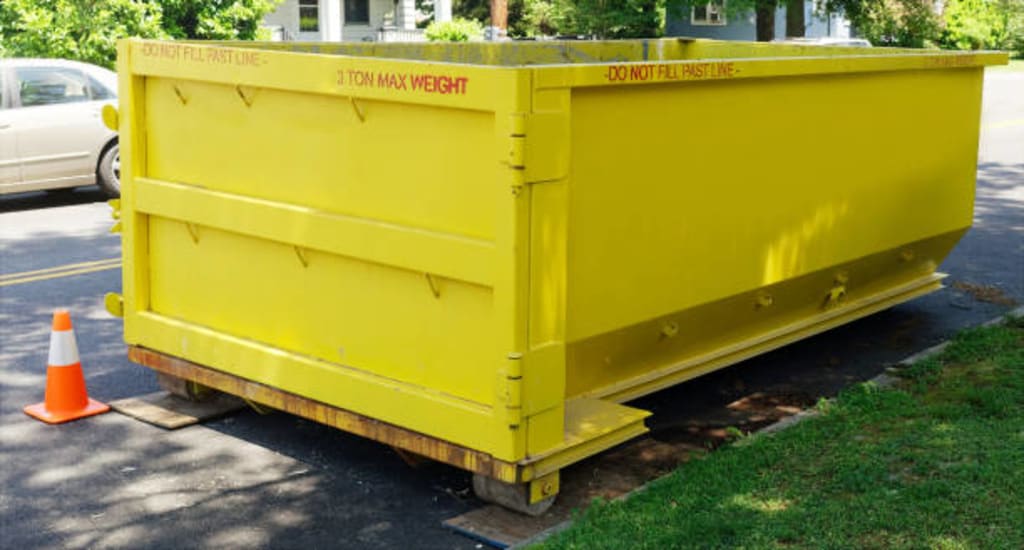
When it comes to managing waste for home improvement projects, cleanouts, or renovations, dumpster rentals offer a convenient and efficient solution. However, one of the most important considerations when renting a dumpster is understanding which items are acceptable for disposal. Not all waste can be thrown into a dumpster, and some materials may incur additional fees or require special handling. By knowing which items are appropriate for a dumpster rental, you can ensure a smooth and hassle-free waste management process while avoiding potential fines or delays.
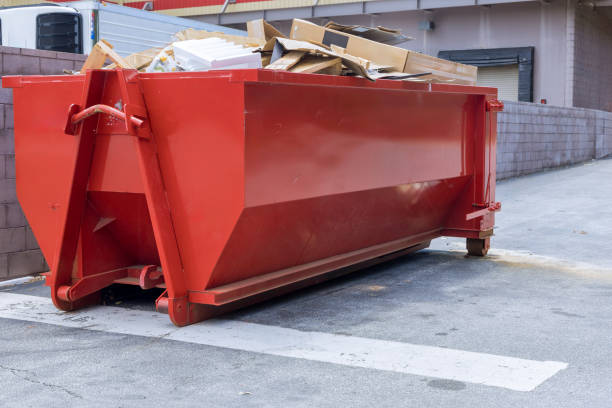
Common Items You Can Dispose of in a Dumpster Rental
When taking on home improvement projects, cleanouts, or renovations, managing waste efficiently is essential. One of the most convenient and cost-effective ways to handle large amounts of debris is through a dumpster rental. From old furniture to construction materials, a dumpster can accommodate a wide range of items, allowing you to quickly and safely dispose of unwanted items without multiple trips to the local landfill. However, not everything can go into a dumpster, and it's important to understand which items are acceptable for disposal.
General Household Waste
A wide variety of everyday items can be placed in a residential dumpster rental, making it an excellent solution for home cleanouts, renovations, and general waste removal. When you rent a dumpster for your home project, you can use it to dispose of various common household items. This includes old furniture, such as couches, chairs, and tables, as well as other bulky items that are no longer needed. Over time, furniture can wear out, become outdated, or simply no longer fit your space, making it necessary to remove it. A roll-off dumpster rental is a great way to handle large pieces of furniture without needing multiple trips to the local dump.
In addition to furniture, small appliances such as microwaves, refrigerators, washers, and dryers can usually be disposed of in a dumpster rental. However, it’s important to note that some areas may have specific guidelines for large appliances, especially for items containing refrigerants, like old refrigerators. You might need to contact a local disposal service that handles these items separately, as there are regulations surrounding their disposal.
Construction and Renovation Debris
When it comes to construction and renovation projects, a dumpster rental plays a vital role in managing debris. Whether you’re remodeling a room, tearing down walls, or replacing flooring, you’ll generate various types of waste that need to be disposed of. Fortunately, many types of construction waste are acceptable in a dumpster rental, allowing you to keep your work area clean and safe while ensuring a quick and efficient disposal process.
For example, broken or damaged drywall is commonly disposed of in a dumpster. When renovating rooms, especially older homes, drywall often needs to be replaced due to wear or damage. A dumpster rental can accommodate the debris from this process, making cleanup easy and preventing any debris from accumulating on your property.
Items You Should Avoid Dumping in a Dumpster Rental
While dumpster rentals offer an efficient solution for waste disposal, it’s important to note that certain items cannot be placed in a dumpster due to safety, environmental, or legal concerns. Disposing of prohibited materials improperly can result in fines, additional charges, or damage to the environment. Understanding what you can’t dispose of in a dumpster is essential to ensure your project remains compliant with local regulations and is conducted responsibly.
Hazardous Materials
Certain materials are classified as hazardous due to their potential risks to human health, animals, and the environment. These items require special disposal processes, and improper disposal could lead to severe consequences, including fines or contamination of the environment. The following hazardous materials should never be placed in a dumpster:
Chemicals: Many household and commercial products are made with chemicals that are harmful if not disposed of correctly. Paint, solvents, pesticides, and other chemical-based substances can pose significant risks. For example, leftover paint contains chemicals that can contaminate groundwater, and pesticides can be harmful to wildlife. It’s essential to take these items to a hazardous waste disposal center to ensure they are handled properly.
Oil and Gasoline
Used motor oil, gasoline, and other fuel products are flammable and pose a serious danger to landfill workers and the environment if disposed of improperly. These substances can contaminate the soil and groundwater, leading to significant ecological damage. Special facilities exist for the safe disposal of motor oils and fuel products, so be sure to find one in your area.
Batteries
While household batteries (like AA or AAA) are often allowed in dumpsters, certain types, especially car batteries and rechargeable batteries, can contain harmful chemicals such as lead, mercury, or cadmium. These chemicals can leak and cause environmental damage if not disposed of properly. Many local waste management companies offer battery recycling services or can direct you to a designated facility for their safe disposal.
Flammable Liquids
Propane tanks, gasoline cans, and other flammable liquids pose serious fire hazards and should never be thrown into a dumpster. These materials require special handling due to their ability to combust, making their improper disposal dangerous not only to the environment but also to waste management personnel. Always check for local regulations regarding the disposal of these types of materials and use certified recycling services where applicable.
Disposing of these hazardous materials in a dumpster can result in hefty fines, exposure to dangerous substances, and contamination of the surrounding environment. To avoid these risks, always seek out a local hazardous waste disposal center for these items.
Electronics with Hazardous Components
While many everyday electronics, like old televisions, computers, and phones, can be disposed of in a dumpster rental, there are specific items with hazardous components that require special care. These components can pose significant risks to the environment due to the toxic substances they contain. Common electronics that require special disposal include:
Old Televisions and Computer Monitors: Televisions and computer monitors, particularly older models that use CRT (cathode ray tube) technology, contain materials such as lead and other toxic substances. Improper disposal of these items can lead to soil and water contamination. Many recycling centers specifically handle electronic waste (e-waste) and provide safe methods for recycling these components. Local waste management companies may even offer collection programs for these items to ensure their proper recycling.
Fluorescent Light Bulbs
While commonly used in homes and businesses, fluorescent light bulbs contain small amounts of mercury, which is toxic to both humans and wildlife. Disposal of these bulbs in a dumpster poses a risk of mercury contamination if the bulbs break. For safe disposal, fluorescent bulbs should be taken to a recycling center that specializes in handling hazardous materials like mercury. Some areas may also offer collection bins for these bulbs to help with proper disposal.
As the demand for electronics continues to grow, e-waste recycling has become more important. Many companies and municipalities now offer programs to help with the safe disposal of electronics, and it’s essential to utilize these services to prevent hazardous substances from leaking into the environment.
Medical and Biohazardous Waste
Medical waste, including items such as syringes, bandages, and pharmaceuticals, should never be disposed of in a dumpster. This type of waste is classified as biohazardous and is regulated due to the potential risks it poses to public health and safety. Medical waste can carry infectious diseases, bacteria, or viruses that could be harmful to landfill workers or others who come into contact with it.
Pharmaceutical Products
Unused or expired medications, such as prescription drugs or over-the-counter remedies, should never be thrown into a dumpster. Many medications contain substances that can be toxic to humans, animals, or the environment if improperly disposed of. Many pharmacies and local health agencies offer safe medication disposal programs to ensure these substances are handled correctly.
Final Thoughts
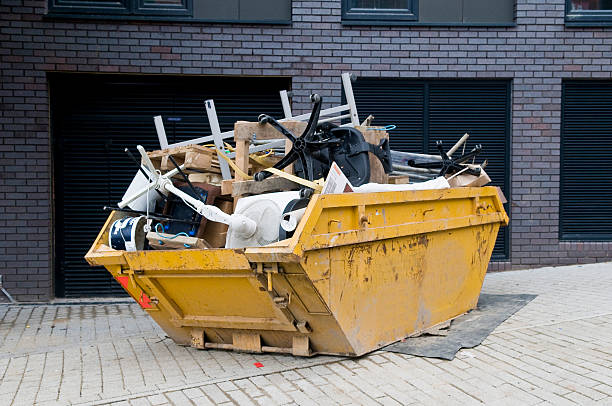
When renting a dumpster for your project, understanding the materials you can and cannot dispose of is crucial. Not only does it help you avoid fines and legal issues, but it also ensures that your project is environmentally responsible. By following proper disposal guidelines for hazardous materials, electronics with hazardous components, and medical waste, you can maintain a safe and compliant waste disposal process.
FAQs
Can I dispose of paint in a dumpster rental?
No, paint is considered a hazardous material and should not be disposed of in a dumpster. Many areas offer special paint recycling programs or hazardous waste disposal events.
Are electronics with batteries allowed in a dumpster rental?
While many electronics are allowed, those with hazardous components, such as CRT televisions or laptops with rechargeable batteries, should be recycled at an e-waste center.
Can I throw away my old mattress in a dumpster?
Yes, mattresses are typically allowed in dumpster rentals, but some companies may charge an extra fee for disposal. Be sure to verify with your provider.
What should I do with old tires?
Old tires are usually not allowed in dumpster rentals. Many tire retailers or specialized recycling centers accept tires for proper disposal.
Can I dispose of yard waste in a dumpster rental?
Yes, yard waste such as branches, leaves, and grass clippings can usually be disposed of in a dumpster rental, but some areas may have specific rules regarding organic waste. Always check with your provider for details.
About the Creator
Enjoyed the story? Support the Creator.
Subscribe for free to receive all their stories in your feed.
Comments
There are no comments for this story
Be the first to respond and start the conversation.