
What to Expect During Your Aircraft Annual Inspection
In this post, we will talk about flight schools, aircraft maintenance, critical components of an annual inspection, steps in an annual inspection, and other relevant subjects.
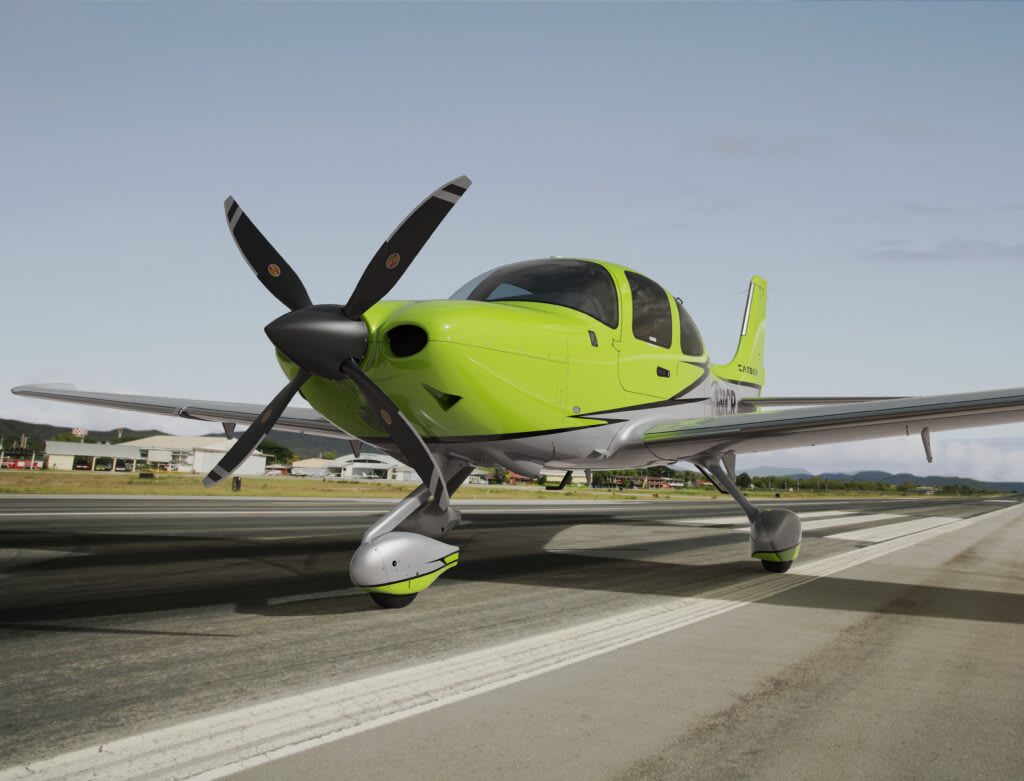
Aircraft Annual Inspection:
- Definition: An Aircraft annual inspection is a mandatory evaluation of an aircraft's condition, ensuring compliance with aviation safety regulations.
- Purpose: To maintain safety, reliability, and operational readiness by identifying and addressing mechanical or structural issues.
- Frequency: Conducted every 12 calendar months as per regulatory requirements.
Critical Components of an Annual Inspection
Engine Inspection:
- Checks for leaks, wear, and proper lubrication.
- Ensures optimal engine performance and fuel efficiency.
Structural Integrity:
- Examination of airframe for cracks, corrosion, or deformation.
- Focus on high-stress areas like wing roots and fuselage joints.
Avionics Systems:
- Tests for accuracy in navigation, communication, and autopilot systems.
- Verifies functionality and updates software if required.
Landing Gear:
- Inspects tires, hydraulic systems, and structural components.
- Focuses on wear and tear from frequent takeoffs and landings.
Control Surfaces:
- Checks for smooth operation of ailerons, rudders, and elevators.
- Ensures cables and hinges are free of wear and corrosion.
Steps in an Annual Inspection
Initial Assessment:
- Review of logbooks and maintenance history.
- Identification of recurring issues or overdue tasks.
Detailed Examination:
- Systematic inspection of all components, inside and out.
- Use of specialized tools for precise diagnostics.
Report and Repairs:
- Documenting findings and recommending necessary repairs.
- Completing repairs and re-testing for compliance.
Benefits of Annual Inspections
Enhanced Safety:
- Prevents in-flight failures by identifying potential risks early.
Cost Savings:
- Takes care of little problems before they become more significant fixes.
Regulatory Compliance:
- Ensures adherence to aviation authority standards.
Resale Value:
- Maintains the aircraft's market value by keeping it in top condition.
Flight Schools and Aircraft Maintenance
Frequent Usage:
- Training aircraft experience high operational demand.
- Regular inspections ensure reliability and safety for student pilots.
Fleet Management:
- Flight school Naples Florida, relies on structured maintenance schedules.
- Annual inspections form the backbone of their safety protocols.
Learning Environment:
- Safe, well-maintained aircraft foster practical pilot training.
- Cirrus Transition Training and Aircraft Safety
Purpose:
- Equips pilots to operate advanced Cirrus aircraft safely.
- Focus on unique systems like the Cirrus Airframe Parachute System (CAPS).
Skill Development:
- Enhances situational awareness and decision-making in emergencies.
Aircraft Familiarization:
- Provides hands-on experience with advanced avionics and controls.
Special Considerations for Cirrus Aircraft
CAPS Inspections:
- Annual checks ensure the parachute system is operational.
- Mechanics verify parachute integrity and rocket deployment mechanisms.
Avionics Focus:
- Advanced glass cockpits require specialized inspections and updates.
Composite Airframe:
- Composite materials demand unique inspection techniques to detect damage.
Preparation for an Annual Inspection
Pre-Inspection Checklist:
- Gather all logbooks and maintenance records.
- Address known issues to expedite the inspection process.
Owner-Mechanic Communication:
- Discuss concerns or areas needing extra attention.
- Collaborate on scheduling and expected timelines.
Common Issues Identified in Inspections
Wear and Tear:
- Worn-out gaskets, seals, and hoses.
- Tire degradation from frequent landings.
Corrosion:
- Common in coastal or humid environments.
- Requires immediate treatment to prevent structural damage.
Avionics Malfunctions:
- Calibration errors or outdated software.
- Faulty sensors affect navigation or communication.
Best Practices for Aircraft Owners
Routine Maintenance:
- Perform regular checks between annual inspections.
- Monitor fluid levels, tire pressure, and visible components.
Timely Repairs:
- Address issues immediately to avoid compounding damage.
Logbook Updates:
- Maintain detailed records of all maintenance activities.
Electrical Systems and Their Importance
Critical Role:
Powers avionics, lighting, and communication systems.
Inspection Focus:
- Checks for faulty wiring, battery performance, and connection integrity.
- Impact of Advanced Technology on Inspections
Diagnostic Tools:
- Use of digital systems for precise fault detection.
Software Updates:
- Ensures avionics remain compatible with the latest technologies.
Cirrus Transition Training Benefits
Confidence Building:
- Pilots gain mastery over advanced systems in Cirrus Transition Training Boston.
Reduces stress in complex or emergencies.
Operational Efficiency:
- Teaches optimal use of Cirrus-specific features for smoother flights.
Challenges in Aircraft Maintenance
Cost Management:
- Balancing expenses while maintaining high safety standards.
Access to Expertise:
- Finding certified mechanics familiar with specific aircraft models.
The Role of Mechanics in Aviation Safety
Expertise Required:
- Mechanics undergo rigorous training to meet certification standards.
Attention to Detail:
- Their thoroughness ensures no issue goes unnoticed during inspections.
Regulatory Framework for Inspections
Authority Oversight:
Aviation bodies mandate and monitor compliance.
Penalty for Non-Compliance:
Operating without a valid annual inspection certificate leads to fines or grounding.
Future Trends in Aircraft Inspections
AI Integration:
Use of artificial intelligence for predictive maintenance.
Eco-Friendly Practices:
- Adoption of sustainable materials and methods in maintenance.
- Landing Gear: A High-Stress Component
Frequent Wear:
- Subjected to maximum stress during landings.
Inspection Areas:
- Tires, struts, and hydraulic systems receive close attention.
- Pilot's Role in Aircraft Maintenance
Pre-Flight Checks:
Pilots ensure basic systems function correctly before every flight.
Issue Reporting:
Timely communication of concerns aids in adequate inspections.
The Impact of Annual Inspections on Flight Safety
Foundation of Safety: Annual inspections form the cornerstone of safe aviation practices, ensuring every aircraft operates within strict safety parameters.
Preventive Action: By identifying potential issues early, inspections prevent accidents caused by mechanical failures or system malfunctions.
Customized Inspections for Training Aircraft
Frequent Usage: Training aircraft face higher stress due to repetitive landings, takeoffs, and student handling.
Tailored Focus: Inspections often prioritize high-wear components such as brakes, tires, and flight controls.
Cirrus Aircraft: Maintenance Meets Innovation
- Specialized Needs: With their advanced avionics and unique systems, Cirrus aircraft demand meticulous inspections tailored to their technology.
- Durability Checks: Their composite airframes undergo unique testing to ensure long-term reliability.
Learning Safety at Flight Schools
- Early Habits: Flight schools emphasize the importance of inspections, teaching students to prioritize safety.
- Hands-On Experience: Students learn to conduct pre-flight checks and understand maintenance schedules, fostering responsible piloting habits.
Streamlining the Inspection Process
- Efficient Communication: Collaboration between owners, mechanics, and pilots simplifies the process and reduces downtime.
- Proactive Approach: Addressing minor concerns before inspections can lead to faster approvals and fewer unexpected repairs.
A Shared Responsibility
- Pilots and Owners: Both groups play crucial roles in aircraft care, ensuring safety standards remain uncompromised.
- Commitment to Excellence: Regular inspections reflect the aviation community's dedication to reliability and operational excellence.
Conclusion
Safety First:
- Annual inspections are essential for maintaining aviation safety standards.
Ongoing Responsibility:
- Both owners and flight schools must prioritize regular maintenance.
The Bigger Picture:
- Comprehensive inspections uphold the integrity of the aviation industry.
About the Creator
Enjoyed the story? Support the Creator.
Subscribe for free to receive all their stories in your feed.
Comments
There are no comments for this story
Be the first to respond and start the conversation.