
What Skills are Required of a Construction Building Inspector
Construction Building Inspector

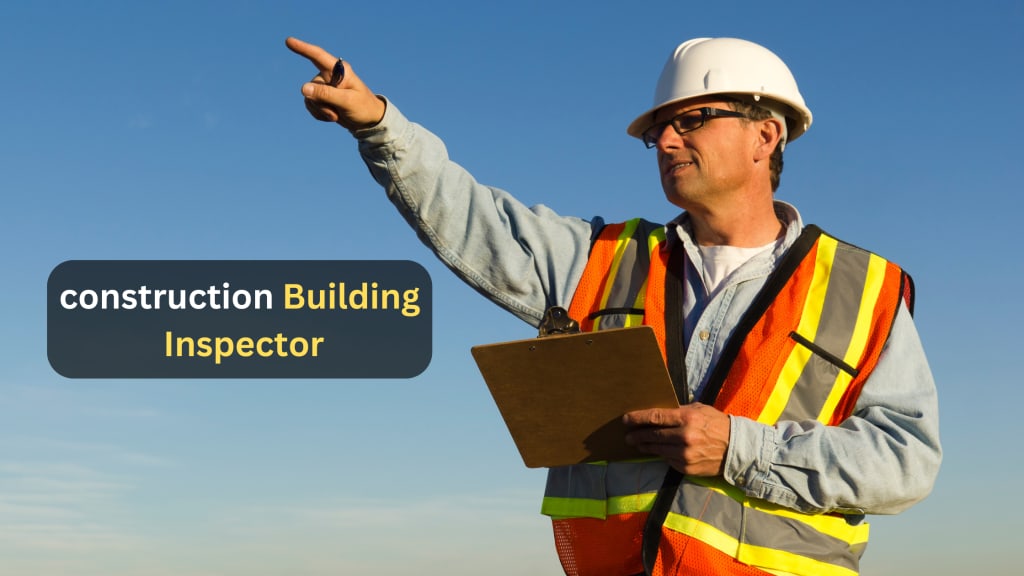
Being a construction building inspector isn't just a job; it's a responsibility to deliver safe buildings that comply with local codes and are built to last. Construction inspectors ensure that every aspect of a building project, from its foundation to its final finishes, is overseen by the construction process.
This is why contractors working on projects are required to use Construction Estimating Services in Florida to make work easier and ensure compliance with the intricacies of building codes. This Provides a strong foundation for evaluating project adherence to budgets and plans.
1. A Construction Building Inspector's key Skills
Being an effective construction building inspector is more than just site inspection. It requires a combination of technical knowledge, practical experience, and soft skills.
1.1. Knowledge of Building Codes
A construction building inspector must be well-versed in local and national building codes, which outline the specifications of construction materials, structural integrity, fire safety, and so much more. These are periodically revised to reflect changes in construction practices and safety measures.
Inspectors should identify even the smallest infractions that may lead to potential dangers. To stay updated, they should obtain certification, including ICC or state-specific training.
1.2. Detail-oriented
Construction sites are complex, with plumbing, electrical systems, and framing. Cracks in foundations, no matter how small, should be identified because they may become a much larger problem. It is developed with experience and through the use of detailed checklists during inspection.
1.3. Technical knowledge
With a deep understanding of architectural plans, engineering concepts, and construction materials, inspectors can make judgments regarding whether the projects meet design specifications. One needs to know structural engineering, electrical systems, and materials testing. Normally, one acquires this kind of experience either through formal education or from hands-on experience in construction.
1.4. Ability to Work Effectively and Conflict Resolution Skills
Clear communication becomes essential for construction inspectors during the explanation of findings with contractors, architects, or homeowners. Miscommunication causes delays or misunderstandings of whether the work complies or not.
The inspectors must balance the technical language with clarity so everyone understands the issues at hand. Inspectors need strong skills in conflict resolution, and while dealing with issues must develop strong negotiation skills to address diplomatically. Inefficient negotiation and conflict resolution training will empower these inspectors to manage similar problems much better.
1.5. Taking Appropriate Decisions and Solving Problems
Design inconsistencies and shortages of materials often catch inspectors off guard. In most cases, they need to decide whether a problem can be solved onsite or redesign is required. Experience and simulated scenarios help the inspectors make sound decisions under pressure.
Conflicts involving contractors, project managers, and other clients are common on a construction site. Inspectors should know how to professionally mediate the arising disputes. Good interpersonal skills including active listening and constructive feedback ease conflicts and ensure smoother cooperation.
1.6. Time Management and an Organization
The conduct of multiple inspections has to be time-managed by construction inspectors. Delays in inspection would affect the project timeline and budget. The use of scheduling tools and prioritization of tasks would help inspectors be more organized and meet deadlines.
Organization will help track all kinds of inspections so that every project is carried out smoothly, and that projects are completed in line with the project timelines. Additionally, inspectors should maintain all the inspections and activities, so a filing and reporting system will help track all the work done.
1.7. Physical Endurance and Site Safety
Construction sites can be very rigorous physically, and building inspectors have to navigate through constricted spaces, climb up ladders, or step into confined areas to inspect a building's various parts, so endurance and stamina are indeed important.
Inspectors must be well aware of the risk hazards from heavy machinery, scaffolding, and electrical wiring, among others. It is within their mandate to ensure that the construction is code-compliant but not harmful to employees or other visitors to the site.
1.8. Technical Competence
As technology advances, so will the role of the building inspector. Today, inspectors find themselves relying more and more on sophisticated tools and software in their work. This ranges from drones for flyovers over construction sites, 3D models to inspect integrity, and inspection software to automate reporting.
1.9. Sustainability and Green Building Practices
As sustainability becomes an increasing focus in construction, many inspectors are now required to understand green building practices and energy efficiency standards. The inspectors must be able to determine whether a project meets the energy codes, and water conservation standards, and uses eco-friendly materials. Knowledge of sustainable building practices, including LEED certification and green building materials, is becoming an increasingly important skill for construction inspectors.
1.10. Leadership and Ethical Integrity
Construction inspectors are held to the highest level of ethical integrity; hence, their judgments are not biased and comply with regulations. Unethical behaviours may lead to a bad structure or litigation.
The inspector should provide his findings publicly and not be biased to be reliable. An inspector is likely to work in teams, yet the inspector needs to be impartial in his judgment. He needs leadership skills to lead junior inspectors and provide recommendations on project improvements. In this respect, minor leadership roles in projects can build such skills.
2. Conclusion
A construction building inspector is pretty challenging yet rewarding in his role. Such a professional requires broad technical knowledge and problem-solving ability along with strong communication. Understanding the building codes from managing several inspections to knowing what kind of materials or construction processes are safe for application is their responsibility.
The fact of the matter is that most of the contractors, developers, and construction professionals of Florida will be working with proficient inspectors and making use of resources such as Construction Estimating Services Florida to help make sure that everything in that project goes along smoothly- thus in conformation to local codes. Understanding what the main competency of the construction building inspectors is has proved helpful as an answer to all those expectations for making safe and sustainable, not to forget code-compliant, buildings.
About the Creator
William
William is a skilled writer with a passion for exploring the ever-evolving world of technology. Through his articles, he simplifies complex topics, inspires fresh perspectives, and keeps readers informed about the latest innovations.
Enjoyed the story? Support the Creator.
Subscribe for free to receive all their stories in your feed.
Comments
There are no comments for this story
Be the first to respond and start the conversation.