
What's the Best High-Protein Vegan Diet for Muscle Gain, Weight Loss, and Easy Meal Prep?
High-Protein Vegan Diet
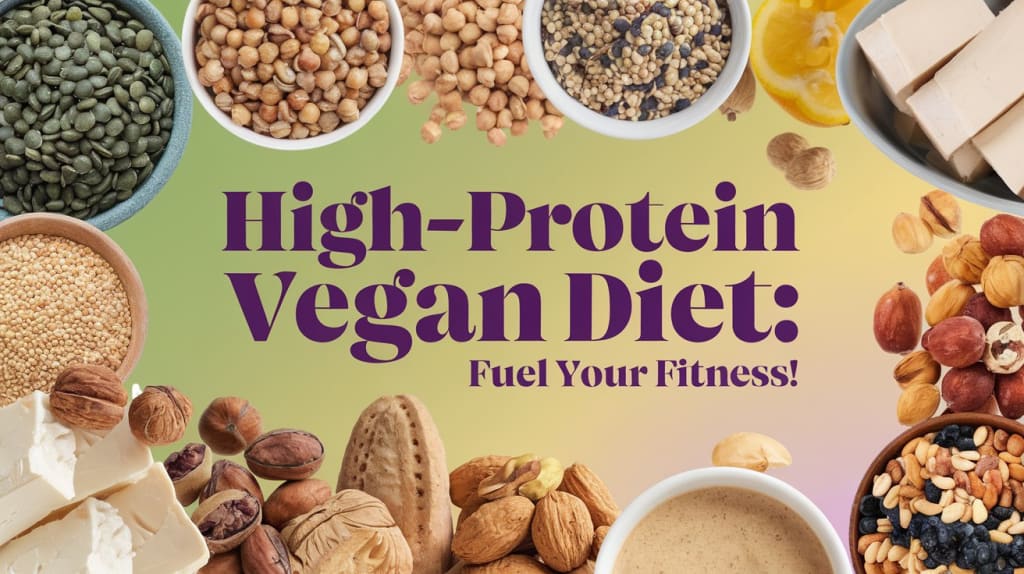
1. Introduction: Why Choose a High-Protein Vegan Diet?
The idea of a high-protein vegan diet often sparks questions like, “Can you actually get enough protein without eating meat?” or “Is it even possible to build muscle without animal products?” The good news is, yes, you absolutely can! A well-planned vegan diet can provide all the protein your body needs to gain muscle, lose weight, or just stay healthy—while being kinder to animals and the environment.
Going vegan doesn’t mean you have to sacrifice your protein intake or struggle with meal prep. With the right approach, you can easily meet your protein goals and still enjoy delicious, satisfying meals. Plus, the added benefits of a vegan diet go beyond just protein. A diet rich in plant-based foods can lower your risk of chronic diseases, improve your digestion, and even give you more energy.
So why should you consider a high-protein vegan diet? First, it’s incredibly versatile. Whether your goal is to bulk up, slim down, or maintain a healthy weight, a plant-based diet can support you. Second, it’s eco-friendly. With growing concerns about climate change and the environmental impact of meat production, more people are turning to plant-based diets as a way to reduce their carbon footprint. Finally, it’s kind to animals. By choosing plant-based protein sources, you’re making a compassionate choice that aligns with a cruelty-free lifestyle.
But, let's face it, the big concern for most people is the protein. Thankfully, there are plenty of high-protein vegan foods that are easy to incorporate into your daily routine. In this blog, we’ll walk through the ins and outs of a high-protein vegan diet, show you the best protein sources, and even offer some meal prep ideas that are quick, simple, and totally doable.
Ready to dive in? Let’s explore why and how a high-protein vegan diet might be the perfect fit for your health goals.
2. The Importance of Protein in a Vegan Diet
Protein is often considered the building block of life, and it’s no different when you’re on a vegan diet. But what exactly does protein do, and why is it so important? Protein is responsible for a wide range of essential bodily functions, from repairing tissues and building muscles to producing hormones and enzymes. Whether you’re a high-performance athlete or someone simply looking to stay fit, protein is crucial to your diet.
a. What Protein Does for Your Body
When you eat protein, your body breaks it down into amino acids, which are then used to build and repair tissues. Amino acids are like little construction workers that help your muscles recover after a workout, your skin heal from a cut, and even your immune system stay strong. Without enough protein, your body can’t function at its best. This is why it’s so important to ensure you’re getting adequate protein, especially if you’re trying to build muscle or lose weight.
But here’s where things get a bit tricky for vegans. Most plant-based protein sources are “incomplete,” meaning they don’t contain all nine essential amino acids your body can’t produce on its own. This might sound like a problem, but it’s actually pretty easy to overcome by eating a variety of plant-based foods. For example, beans and rice together form a complete protein, providing all the amino acids you need.
b. Protein Myths Debunked
There’s a persistent myth that vegans struggle to get enough protein, but this couldn’t be further from the truth. The idea that you need to eat meat or dairy to hit your protein goals is outdated and inaccurate. In reality, plenty of plant-based foods are rich in protein. Lentils, chickpeas, tofu, tempeh, seitan, quinoa—the list goes on.
In fact, many plant-based proteins come with added health benefits. They’re often packed with fiber, antioxidants, and vitamins that animal-based proteins don’t offer. So not only can you meet your protein needs, but you can also improve your overall health by choosing plant-based protein sources.
c. Getting Enough Protein on a Vegan Diet
So, how do you make sure you’re getting enough protein on a vegan diet? It’s all about variety. By incorporating different protein-rich foods into your meals, you can easily meet your daily protein requirements. For example, adding beans or lentils to salads, making smoothies with plant-based protein powder, or snacking on nuts and seeds are all easy ways to boost your protein intake.
And don’t forget—many vegetables and grains contain protein, too. So even if you’re not consciously eating “protein foods” at every meal, chances are you’re still getting a decent amount. The key is to be mindful of your food choices and make sure you’re eating enough overall.
3. How Much Protein Do You Really Need on a Vegan Diet?
One of the most common questions people ask when transitioning to a vegan diet is, "How much protein do I actually need?" The answer depends on your goals—whether you’re trying to gain muscle, lose weight, or just maintain your current fitness level. But before we dive into the specifics, let’s get one thing clear: most people tend to overestimate how much protein they need.
a. Daily Protein Requirements
For the average adult, the recommended daily intake of protein is around 0.8 grams per kilogram of body weight. This means if you weigh 70 kilograms (about 154 pounds), you should aim for roughly 56 grams of protein per day. However, if you’re more active or trying to build muscle, you may need more—anywhere from 1.2 to 2 grams of protein per kilogram of body weight.
Let’s say you weigh 70 kilograms and you’re trying to build muscle. In this case, you might aim for around 84 to 140 grams of protein per day. This may sound like a lot, but it’s entirely achievable on a vegan diet if you know which foods to focus on.
b. Protein Needs for Weight Loss vs. Muscle Gain
If your goal is weight loss, you don’t necessarily need as much protein as someone trying to bulk up. However, it’s still important to make sure you’re getting enough to support muscle maintenance and recovery. A higher protein intake can also help with satiety, meaning you’ll feel fuller for longer and be less likely to overeat.
For those focused on muscle gain, protein is essential. The more you exercise and push your muscles, the more protein your body needs to repair and grow them. This is why athletes and bodybuilders often consume more protein than the average person. On a vegan diet, you can achieve this by eating larger portions of high-protein foods like tofu, tempeh, and legumes, or by adding protein powders and supplements to your routine.
c. Don’t Stress About Protein—Focus on Variety
If calculating grams of protein per day sounds overwhelming, don’t stress! The key is to focus on variety. As long as you’re eating a wide range of protein-rich plant foods, you’ll naturally meet your protein needs without much effort. Keep in mind that even vegetables and grains contribute to your overall protein intake, so it all adds up.
Apps like MyFitnessPal can also be helpful if you want to track your protein intake and make sure you’re hitting your goals. But for the most part, as long as you’re eating enough calories and incorporating a variety of protein sources into your diet, you’ll be fine.
4. Best High-Protein Vegan Foods
Now that we’ve established the importance of protein and how much you need, let’s get to the fun part—what should you actually eat on a high-protein vegan diet? The good news is, there are plenty of delicious, plant-based foods that are packed with protein. You don’t need to rely on boring or bland meals to hit your protein goals.
a. Legumes and Beans
Legumes are a vegan’s best friend when it comes to protein. Lentils, chickpeas, black beans, kidney beans—you name it! These little powerhouses are not only rich in protein but also packed with fiber, which helps with digestion and keeps you feeling full longer. For example, a single cup of cooked lentils contains about 18 grams of protein, and they’re incredibly versatile. You can toss them into soups, stews, salads, or make vegan burgers out of them. Beans like black beans and chickpeas also provide around 15 grams of protein per cup, and they’re a staple in many cuisines.
b. Tofu, Tempeh, and Seitan
Tofu and tempeh, both made from soybeans, are excellent sources of protein for vegans. Tempeh, in particular, is a nutritional rockstar with about 31 grams of protein per cup! Tofu, on the other hand, has around 20 grams of protein per cup. Both are incredibly versatile and can be used in a variety of dishes, from stir-fries to scrambles, and they easily absorb the flavors of whatever seasonings or marinades you use. Seitan, also known as wheat gluten, is another high-protein vegan food that boasts about 25 grams of protein per 3.5 ounces, making it one of the most protein-rich options available.
c. Quinoa and Other Whole Grains
Quinoa is often referred to as a “superfood,” and for good reason. It’s one of the few plant-based sources of complete protein, meaning it contains all nine essential amino acids. A cup of cooked quinoa delivers about 8 grams of protein, and it’s incredibly versatile. You can use it as a base for salads, stir-fries, or even breakfast bowls. Other whole grains like farro, barley, and bulgur also provide decent amounts of protein and can help round out your meals.
d. Nuts, Seeds, and Nut Butters
Nuts and seeds are great sources of protein and healthy fats. Almonds, peanuts, sunflower seeds, chia seeds, and hemp seeds are all high in protein and can be easily incorporated into your diet. For example, a handful of almonds (about 23 almonds) provides around 6 grams of protein. Chia seeds and hemp seeds are particularly protein-dense, with about 5 grams of protein per tablespoon. Nut butters, like almond butter and peanut butter, are also good options for snacking or adding to smoothies, oatmeal, or toast.
5. Building Muscle on a Vegan Diet
The myth that you can't build muscle on a vegan diet is one of the most persistent misconceptions in the fitness world. The reality? Plenty of athletes and bodybuilders thrive on plant-based diets, and with the right approach, you can too. Whether you're a gym newbie or a seasoned lifter, building muscle on a vegan diet is entirely possible—and it’s not as hard as you might think.
a. The Role of Protein in Muscle Growth
We already know that protein is essential for muscle repair and growth. After a workout, your muscles need amino acids to recover and get stronger. On a vegan diet, as long as you're consuming enough protein from a variety of sources, you'll get all the amino acids you need. The key to muscle growth is not just the amount of protein but also the timing of protein intake and the quality of your workouts.
For muscle gain, most people aim for about 1.6 to 2 grams of protein per kilogram of body weight. This means if you weigh 70 kilograms (around 154 pounds), you should aim for around 112 to 140 grams of protein per day. It might seem like a lot, but with the right meal planning and a focus on high-protein foods, it's entirely achievable.
b. High-Protein Vegan Foods for Muscle Gain
As we covered in the previous section, foods like tofu, tempeh, seitan, legumes, and whole grains are all fantastic sources of plant-based protein. But when you’re trying to build muscle, you’ll likely need to increase your portion sizes or eat more frequently to meet your protein goals. Let’s break it down with some examples:
● Tofu Scramble: A cup of tofu has around 20 grams of protein, so if you scramble it with veggies and serve it with a side of whole wheat toast, you've got yourself a protein-packed meal. Add some nutritional yeast (which is also high in protein) for a cheesy flavor without the dairy.
● Chickpea Salad: Chickpeas provide about 15 grams of protein per cup, and they’re incredibly versatile. You can mash them into a sandwich filling, toss them into salads, or even roast them for a crunchy snack.
● Smoothies: Blend up some plant-based protein powder, chia seeds, hemp seeds, almond milk, and a handful of spinach for a supercharged protein smoothie. This is a great post-workout option that can give you a quick protein boost.
c. The Importance of Strength Training
Protein alone won’t build muscle—strength training is crucial. Whether you prefer lifting weights, doing bodyweight exercises, or using resistance bands, you need to challenge your muscles to grow. Focus on compound exercises that work multiple muscle groups at once, like squats, deadlifts, bench presses, and pull-ups. These exercises are the most efficient for muscle building because they engage more muscles at once, allowing you to lift heavier and stimulate more muscle growth.
Progressive overload—gradually increasing the weight or resistance over time—is also essential. The more you challenge your muscles, the more they will adapt and grow. Combine this with proper nutrition, and you’ll be well on your way to gaining muscle on a vegan diet.
d. Don’t Forget Recovery
One often overlooked aspect of building muscle is recovery. After intense workouts, your muscles need time to repair and grow. This means getting enough sleep, managing stress, and ensuring you’re eating enough calories and protein. You can work out hard in the gym, but if you’re not giving your body the fuel and rest it needs, you won’t see the results you're after.
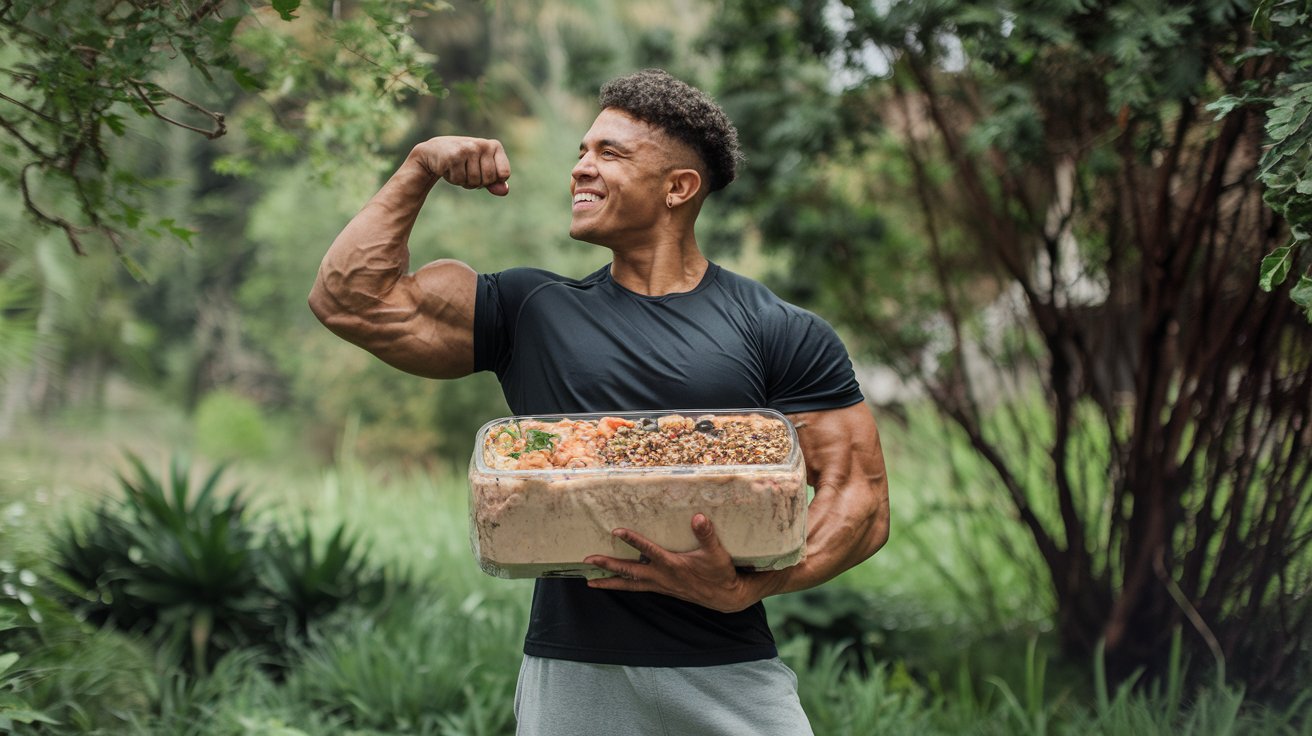
6. High-Protein Vegan Meal Plan for Muscle Gain
When it comes to building muscle on a vegan diet, you must focus on more than just hitting your protein targets. Your overall calorie intake, meal timing, and balanced macronutrients are just as important. Following a strategic meal plan tailored to muscle gain will ensure your body gets the nutrients it needs to repair and build muscle mass after strenuous workouts.
a. Calorie Surplus: The Foundation of Muscle Gain
To build muscle, it’s essential to be in a caloric surplus. This means consuming more calories than your body burns in a day. While many people associate high-calorie diets with unhealthy foods, it’s entirely possible to achieve a caloric surplus with nutrient-dense, plant-based options. A balanced intake of carbohydrates, fats, and proteins is essential for muscle growth. You don’t want to simply add empty calories (like sugary snacks) but opt for foods that provide energy, protein, vitamins, and minerals.
To calculate how many calories you need for muscle gain, multiply your body weight in pounds by 15 to 18. For example, a person weighing 160 pounds might need between 2,400 and 2,880 calories per day to gain muscle, depending on their activity level and metabolism.
b. Sample High-Protein Vegan Meal Plan for Muscle Gain
Let’s dive into an example meal plan for muscle gain that incorporates high-protein, plant-based foods. This plan ensures you get sufficient calories, protein, and other vital nutrients for muscle recovery and growth.
Breakfast:
● Tofu Scramble with Vegetables: 1 cup tofu (20g protein) scrambled with spinach, mushrooms, and bell peppers, served with a side of avocado toast on whole grain bread (6g protein).
● Chia Seed Pudding: Made with almond milk, chia seeds (5g protein), and topped with mixed berries for an additional nutrient boost.
Mid-Morning Snack:
● Smoothie: Blend plant-based protein powder (20g protein), almond butter (5g protein), chia seeds (5g protein), spinach, and almond milk for a nutrient-packed drink that fuels your muscles.
Lunch:
● Quinoa and Lentil Bowl: 1 cup cooked quinoa (8g protein) mixed with 1 cup cooked lentils (18g protein), roasted vegetables, and a tahini dressing.
● Add a side of mixed greens for added fiber and micronutrients.
Afternoon Snack:
● Peanut Butter and Banana on Whole Grain Bread: 2 tablespoons of peanut butter (8g protein) spread on toast, topped with banana slices for extra energy and sweetness.
● Pair it with a handful of almonds for a quick, protein-rich snack (6g protein).
Dinner:
● Tempeh Stir-Fry: 1 cup tempeh (31g protein) sautéed with broccoli, bell peppers, and carrots, served over brown rice (5g protein) with a soy-ginger sauce.
● Include a side of edamame for an extra protein punch (9g protein per half cup).
Post-Workout Snack:
● Protein Shake: After your workout, blend plant-based protein powder (20g protein) with a frozen banana, almond milk, and a scoop of peanut butter for a tasty recovery shake.
This meal plan provides around 150 to 180 grams of protein, depending on portion sizes, which is more than enough for muscle gain. Plus, it includes healthy fats, fiber, and plenty of micronutrients from vegetables and whole grains.
c. Meal Timing and Frequency for Muscle Gain
When it comes to building muscle, meal timing can play a key role. It's often recommended to consume protein-rich meals or snacks every 3-4 hours throughout the day. This ensures a steady supply of amino acids to your muscles, promoting recovery and growth.
A common practice among athletes is to eat a meal rich in protein and carbohydrates 30-60 minutes before a workout to fuel your muscles. After your workout, it’s important to eat a high-protein meal or shake within 30 minutes to an hour. This post-workout window is when your muscles are most receptive to protein for repair and growth.
d. Don’t Forget About Carbohydrates and Fats
While protein is vital for muscle gain, carbohydrates and fats should not be neglected. Carbohydrates provide the energy you need for high-intensity workouts and help replenish glycogen stores after exercise. Incorporating whole grains like quinoa, brown rice, oats, and sweet potatoes into your meals ensures you have enough energy for both your workouts and muscle recovery.
Healthy fats, such as those found in avocados, nuts, seeds, and olive oil, support hormone production, including testosterone, which is crucial for muscle building. They also provide a dense source of calories to help you stay in a caloric surplus.
7. High-Protein Vegan Meal Plan for Weight Loss
While the goal of muscle gain requires a caloric surplus, losing weight involves being in a caloric deficit—burning more calories than you consume. However, that doesn’t mean you need to starve yourself. Instead, focus on eating nutrient-dense, high-protein meals that keep you full and satisfied while also helping you burn fat.
a. The Role of Protein in Weight Loss
Protein plays an important role in weight loss because it helps you feel full for longer, reducing the likelihood of overeating or snacking on unhealthy foods. It also preserves lean muscle mass, which is key for maintaining a healthy metabolism. On a vegan diet, it’s easy to focus on vegetables and whole grains, but you’ll need to make a conscious effort to include high-protein foods to support your weight loss goals.
The recommended protein intake for weight loss is around 1.6 to 2.2 grams per kilogram of body weight. For someone weighing 70 kilograms, that’s approximately 112 to 154 grams of protein per day.
b. Sample High-Protein Vegan Meal Plan for Weight Loss
Here’s an example of a high-protein vegan meal plan tailored for weight loss:
Breakfast:
● Protein Smoothie: Blend plant-based protein powder (20g protein) with unsweetened almond milk, spinach, and frozen berries. Add a tablespoon of chia seeds for extra fiber (5g protein).
Mid-Morning Snack:
● Almonds: A small handful of almonds (about 23 almonds) provides around 6 grams of protein and healthy fats to keep you full until lunch.
Lunch:
● Chickpea Salad: 1 cup chickpeas (15g protein) tossed with cucumber, tomato, red onion, and a lemon-tahini dressing. Serve it on a bed of mixed greens.
● Add a side of hummus with carrot sticks for a satisfying crunch (4g protein).
Afternoon Snack:
● Edamame: A half-cup of steamed edamame provides about 9 grams of protein and is a great snack option for weight loss.
Dinner:
● Grilled Tofu with Steamed Vegetables: 1 cup of tofu (20g protein) grilled with a soy glaze, served with steamed broccoli and cauliflower, and a small side of quinoa (8g protein).
With this plan, you’re consuming around 90-100 grams of protein per day while keeping calories low, making it easier to stay in a caloric deficit. The high protein content helps keep you full and supports fat loss without sacrificing muscle mass.
c. Low-Calorie, High-Protein Foods
When focusing on weight loss, it’s helpful to incorporate low-calorie, high-protein foods into your meals. Some great options include:
● Lentils: Around 18 grams of protein per cup and low in calories.
● Tofu: High in protein and can be grilled, baked, or stir-fried.
● Tempeh: A denser, protein-rich option that adds texture to meals.
● Edamame: A great snack with about 9 grams of protein per half-cup.
8. Vegan Protein Powders: Should You Use Them?
While it’s entirely possible to meet your protein needs through whole foods alone, vegan protein powders can be a convenient and effective way to boost your protein intake, especially if you're trying to build muscle or lose weight. But do you really need them?
a. Why Use Vegan Protein Powders?
Vegan protein powders are a concentrated source of protein that can be easily added to smoothies, oatmeal, or shakes. They’re particularly useful for people who struggle to get enough protein from whole foods or have busy schedules and need a quick, portable option.
One of the major benefits of protein powders is that they provide a high amount of protein with minimal calories. For example, a single scoop of most plant-based protein powders contains around 20-25 grams of protein with only 100-150 calories. This makes it easier to hit your daily protein goals without eating large amounts of food.
b. Types of Vegan Protein Powders
There are several different types of vegan protein powders, each with its own benefits:
● Pea Protein: One of the most popular plant-based proteins, pea protein is rich in essential amino acids and easily digestible.
● Brown Rice Protein: A great option for those with food sensitivities, brown rice protein is hypoallergenic and easy on the stomach. It’s not a complete protein, so it’s often blended with other sources.
● Hemp Protein: Hemp is a complete protein, meaning it contains all nine essential amino acids. It’s also rich in omega-3 fatty acids, which provide additional health benefits.
● Soy Protein: Soy is another complete protein and is highly versatile. However, some people choose to avoid soy due to potential allergies or concerns about phytoestrogens.
● Mixed Plant Proteins: Many vegan protein powders blend multiple sources like pea, rice, hemp, and chia to create a complete amino acid profile.
c. Should You Use Protein Powders?
Whether or not you use protein powders depends on your personal preferences and nutritional needs. If you find it difficult to get enough protein through whole foods, or if you’re looking for a convenient post-workout option, vegan protein powders can be a great addition to your diet.
That said, they’re not essential. Plenty of people build muscle and lose weight on a vegan diet without ever touching protein powder. Focus on whole foods first, and consider protein powders as a supplement rather than a necessity.
9. Pre- and Post-Workout Vegan Meals
When it comes to fitness, timing is everything, and that includes your meals. Proper pre- and post-workout nutrition can enhance your performance, speed up recovery, and maximize muscle gain. On a vegan diet, choosing the right foods can help fuel your workouts and nourish your body afterward.
a. Pre-Workout Nutrition: Fueling Up
Before hitting the gym, it’s important to give your body the fuel it needs. A good pre-workout meal should consist of carbohydrates for energy and a moderate amount of protein to kickstart muscle recovery. It’s best to eat this meal about 30 to 90 minutes before your workout, depending on your personal tolerance.
What to Eat Before Working Out:
● Smoothies: A quick and easy option, smoothies can be packed with nutrients. Combine plant-based protein powder, a banana, spinach, and a cup of almond milk. This will give you the carbohydrates and protein you need without weighing you down.
● Oatmeal: A classic pre-workout meal, oatmeal is loaded with complex carbohydrates that provide sustained energy. Top it with nut butter and some fruit for added flavor and nutrition.
● Whole Grain Toast with Nut Butter: Spread a tablespoon of almond or peanut butter on whole grain toast, and add banana slices for a quick energy boost.
The key is to choose foods that are easy to digest so you don’t feel sluggish during your workout. Keep portions moderate to avoid discomfort.
b. Post-Workout Nutrition: Recovery is Key
After a workout, your body is in recovery mode and needs proper nutrition to repair muscles and replenish energy stores. A post-workout meal should ideally contain a combination of protein and carbohydrates within 30 minutes to an hour after exercising. This helps stimulate muscle recovery and growth.
What to Eat After Working Out:
● Protein Smoothie: Blend your favorite plant-based protein powder with almond milk, a banana, and some spinach. This drink provides protein for recovery and carbs to replenish glycogen stores.
● Chickpea Salad: A refreshing salad with chickpeas, diced vegetables, and a light dressing offers protein and carbohydrates in a satisfying format.
● Quinoa Bowl: Cooked quinoa is rich in protein and complex carbs. Combine it with black beans, corn, diced tomatoes, and avocado for a nutrient-rich post-workout meal.
c. Timing Matters
While the exact timing can vary based on your schedule and workout intensity, the general rule is to refuel within that golden hour after your workout. This is when your muscles are most receptive to nutrients.
d. Hydration is Essential
Let’s not forget about hydration! Drinking water before, during, and after your workout is crucial for optimal performance and recovery. If you’ve had an intense workout session, consider replenishing electrolytes as well. Coconut water or homemade electrolyte drinks can be excellent choices for hydration.
e. Snacks for On-the-Go
For those busy days when you can’t sit down for a full meal, having healthy snacks on hand can be a lifesaver. Here are some quick, nutritious snack ideas:
● Energy Balls: Blend oats, nut butter, protein powder, and a bit of maple syrup. Roll into balls for a quick snack that’s rich in protein.
● Roasted Chickpeas: Crunchy, savory, and packed with protein, roasted chickpeas are a great grab-and-go snack.
● Fruit and Nut Bars: Look for bars made with whole ingredients, or make your own to control the sugar content.
Remember, everyone’s body reacts differently to pre- and post-workout meals. It might take some trial and error to find what works best for you. Listening to your body and adjusting your meals based on your performance and recovery is key.
10. Meal Prep Tips for a High-Protein Vegan Diet
Meal prep is a game-changer, especially for those following a high-protein vegan diet. It helps save time, ensures you stick to your nutritional goals, and can even save you money. Let’s explore how to effectively meal prep for a high-protein vegan lifestyle.
a. Plan Your Meals Ahead of Time
The first step in successful meal prep is planning. Spend a little time each week deciding what meals you want to make and when you’ll eat them. Make a shopping list based on your meal plan to avoid impulse buys at the grocery store.
b. Batch Cooking
Batch cooking is the cornerstone of meal prep. Choose a day of the week (like Sunday) to cook large quantities of high-protein foods that can be used in various meals throughout the week. Here are some great options for batch cooking:
● Grains: Cook large batches of quinoa, brown rice, or farro. They can be used as a base for bowls, salads, or side dishes.
● Legumes: Prepare lentils, chickpeas, or beans. They’re high in protein and can be added to salads, soups, or made into spreads like hummus.
● Tofu and Tempeh: Marinate and cook tofu or tempeh in advance. They can easily be tossed into stir-fries, salads, or wraps for a protein boost.
c. Storage Solutions
Invest in high-quality glass containers for storing your prepped meals. They’re reusable, eco-friendly, and allow you to see your meals at a glance. Use smaller containers for snacks or side dishes and larger ones for main meals. Make sure to label each container with the date it was prepared to keep track of freshness.
d. Mix and Match Ingredients
One of the best parts of meal prep is that you can mix and match your ingredients to keep meals exciting. Prepare a variety of proteins (tofu, tempeh, lentils), grains (quinoa, brown rice), and veggies (broccoli, bell peppers) to create different combinations throughout the week. This approach ensures you won’t get bored with your meals.
e. Incorporate Snacks
Don’t forget about snacks! Prepare high-protein snacks that are easy to grab on the go, such as energy balls, roasted chickpeas, or pre-portioned nuts. Having healthy snacks readily available can help you avoid unhealthy choices during busy days.
f. Stay Flexible
While meal prepping is a fantastic way to stay organized, it’s also important to stay flexible. Life can be unpredictable, and sometimes plans change. If you find yourself with unexpected time constraints, don’t hesitate to adapt. You can freeze prepared meals for future weeks or swap out ingredients based on what’s available.
11. Quick High-Protein Vegan Dinner Recipes
Dinner doesn’t have to be a lengthy process, especially if you’re aiming for a high-protein vegan diet. Here are some quick and easy dinner recipes that are not only packed with protein but also delicious and satisfying.
a. Chickpea Stir-Fry
This chickpea stir-fry is ready in about 20 minutes and is loaded with protein and flavor.
Ingredients:
● 1 can of chickpeas, drained and rinsed
● 1 cup of mixed vegetables (like bell peppers, broccoli, and snap peas)
● 2 tablespoons of soy sauce or tamari
● 1 tablespoon of olive oil
● Optional: sesame seeds for garnish
Instructions:
1. Heat the olive oil in a large skillet over medium heat.
2. Add the mixed vegetables and sauté for about 5 minutes until they start to soften.
3. Stir in the chickpeas and soy sauce. Cook for another 5-7 minutes, allowing everything to heat through.
4. Serve hot and sprinkle with sesame seeds if desired.
Protein Content: Approximately 20g per serving.
b. Quinoa and Black Bean Bowl
This hearty bowl is perfect for busy nights and can be customized with your favorite toppings.
Ingredients:
● 1 cup cooked quinoa
● 1 can black beans, drained and rinsed
● 1 avocado, diced
● 1 cup corn (canned or frozen)
● Salsa or hot sauce to taste
● Fresh cilantro for garnish
Instructions:
1. In a bowl, combine the cooked quinoa, black beans, and corn.
2. Top with diced avocado and salsa or hot sauce.
3. Garnish with fresh cilantro and serve.
Protein Content: Approximately 18g per serving.
c. Lentil Soup
This comforting lentil soup can be made in under 30 minutes and is a fantastic source of protein.
Ingredients:
● 1 cup lentils, rinsed
● 1 onion, chopped
● 2 carrots, chopped
● 2 celery stalks, chopped
● 4 cups vegetable broth
● 1 teaspoon cumin
● Salt and pepper to taste
Instructions:
1. In a large pot, sauté the onion, carrots, and celery until softened.
2. Add the lentils, vegetable broth, cumin, salt, and pepper.
3. Bring to a boil, then reduce to a simmer for about 20 minutes until the lentils are tender.
4. Serve hot, and enjoy the comforting goodness.
Protein Content: Approximately 18g per serving.
d. Tofu and Vegetable Skewers
These skewers are fun to make and perfect for grilling or roasting.
Ingredients:
● 1 block of firm tofu, cubed
● 2 cups mixed vegetables (bell peppers, zucchini, cherry tomatoes)
● 2 tablespoons soy sauce
● 1 tablespoon olive oil
● Skewers (wooden or metal)
Instructions:
1. Preheat the grill or oven to 400°F (200°C).
2. In a bowl, toss tofu and vegetables with soy sauce and olive oil.
3. Thread onto skewers and grill or roast for about 15 minutes, turning halfway through.
4. Serve hot with a side of quinoa or rice.
Protein Content: Approximately 25g per serving.
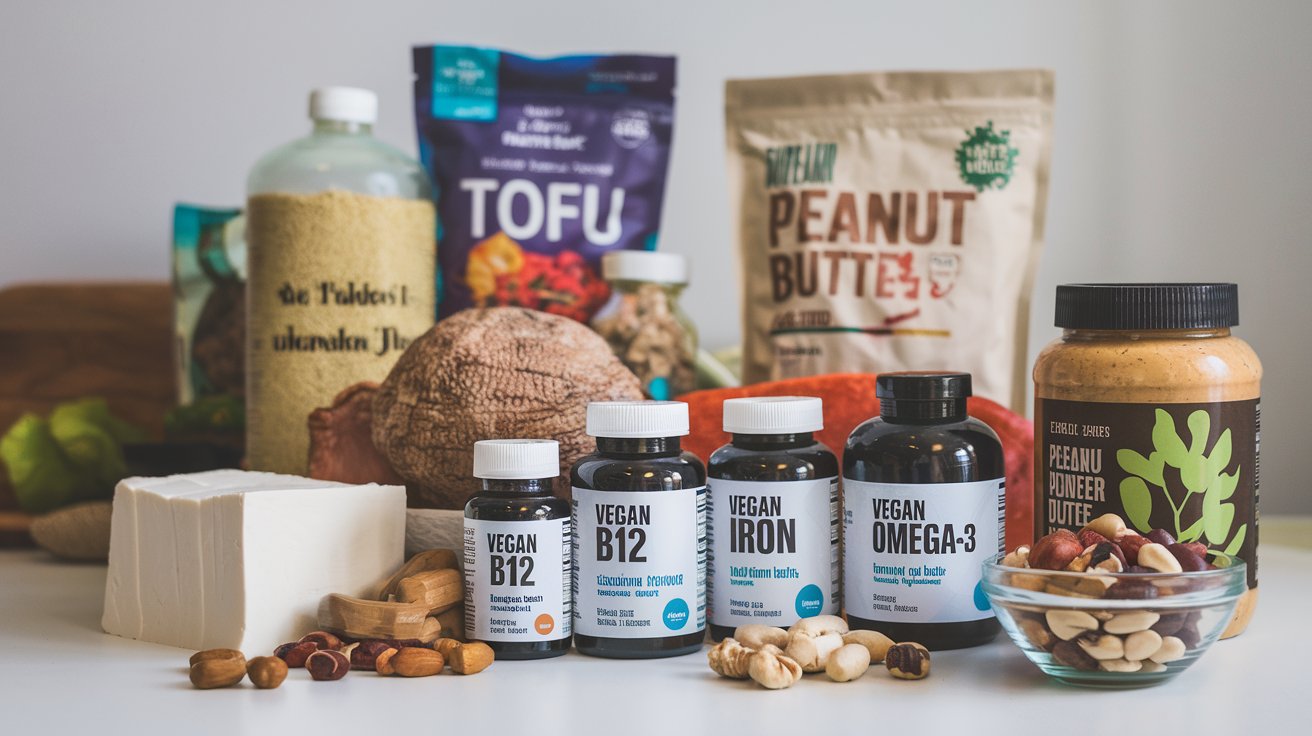
12. Supplements to Consider on a Vegan Diet
Navigating a vegan diet can sometimes mean being mindful of nutrient intake, particularly when it comes to protein and other essential vitamins and minerals. Here are some supplements you might consider to ensure you’re meeting your nutritional needs.
a. Protein Powders
As discussed earlier, protein powders can be beneficial for increasing your protein intake, especially if you find it challenging to get enough protein from whole foods alone. Look for plant-based options such as pea, hemp, or brown rice protein.
b. Vitamin B12
Vitamin B12 is crucial for energy production and neurological function, but it’s primarily found in animal products. Vegans should consider taking a B12 supplement or incorporating fortified foods like plant milks and nutritional yeast into their diet.
c. Omega-3 Fatty Acids
Omega-3s are important for heart and brain health, and since flaxseeds, chia seeds, and walnuts are some of the few vegan sources, a supplement like algal oil can be a good option for those who don’t consume these foods regularly.
d. Iron
Iron is essential for carrying oxygen in the blood, and while it can be obtained from plant sources like lentils and spinach, it’s in a form that’s less easily absorbed by the body. If you’re concerned about your iron levels, consider discussing a supplement with your healthcare provider.
e. Calcium and Vitamin D
If you don’t consume fortified plant milks or other calcium-rich foods, a calcium supplement may be necessary. Vitamin D, which is important for calcium absorption, can also be beneficial, especially if you live in areas with limited sunlight.
f. Zinc
Zinc supports immune function and protein synthesis, but like iron, it can be harder to absorb from plant sources. If you suspect you’re not getting enough, a zinc supplement might be worth considering.
FAQs
1. Can I build muscle on a vegan diet?
Yes, you can build muscle on a vegan diet! The key is to ensure you're getting enough protein from various plant sources.
2. How do I know if I’m getting enough protein?
Tracking your food intake for a week can help you understand your protein consumption. Aim for at least 0.8 grams of protein per kilogram of body weight.
3. Are protein powders necessary on a vegan diet?
No, they are not necessary. You can get enough protein from whole foods. Protein powders are a convenient option if you find it hard to meet your protein goals through food alone.
4. What are some good sources of vegan protein?
Good sources include lentils, chickpeas, beans, quinoa, tofu, tempeh, and various seeds and nuts.
5. How much protein should I eat daily?
The recommended daily allowance (RDA) is 46 grams for women and 56 grams for men, but active individuals may require more.
6. Can I lose weight on a vegan diet?
Absolutely! A vegan diet can be effective for weight loss if you focus on whole foods and watch your portion sizes.
7. Is it hard to follow a vegan diet?
It can be a bit of an adjustment, but with planning and the right recipes, it can be easy and enjoyable.
8. What if I’m not a fan of tofu?
No worries! There are plenty of other protein sources, like legumes, tempeh, seitan, and various plant-based protein powders.
9. How can I make my meals more interesting?
Experiment with different spices, herbs, and cooking methods. Try new recipes, and don’t be afraid to mix ingredients!
10. Can I get all my nutrients on a vegan diet?
Yes, with careful planning, you can get all essential nutrients on a vegan diet. However, some nutrients may require supplementation.
About the Creator
Dina G
I review products and publish articles, to create engaging content that drives conversions and boosts brand visibility. My work combines storytelling with strategic marketing to effectively reach and influence target audiences.
Enjoyed the story? Support the Creator.
Subscribe for free to receive all their stories in your feed.
Comments
There are no comments for this story
Be the first to respond and start the conversation.