
What is Sustainable Living ?
Sustainable Practices

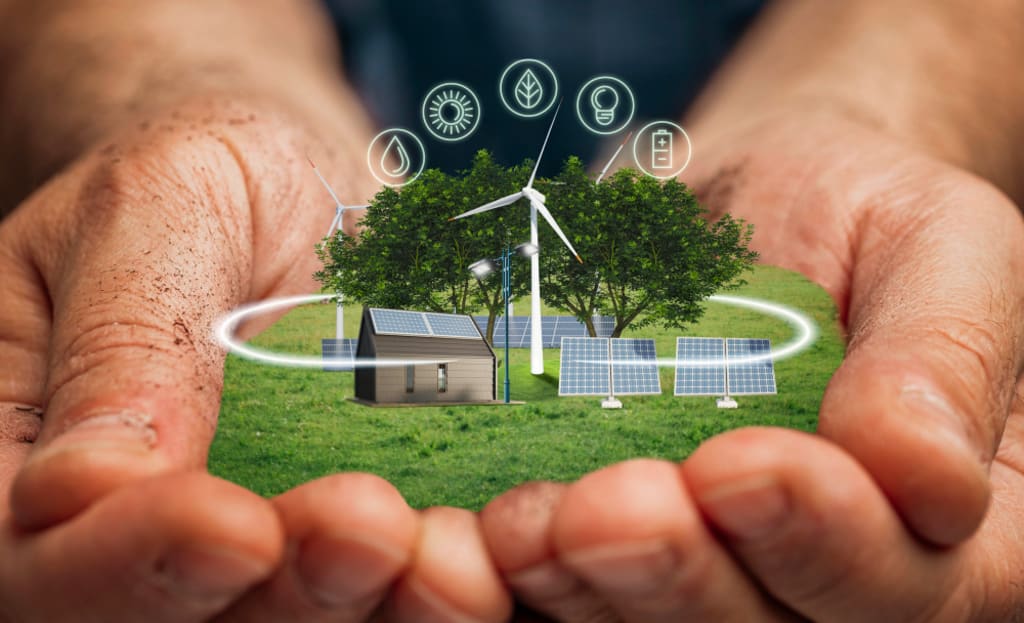
Sustainable living is a lifestyle that attempts to reduce an individual's or society's environmental impact by making conscious decisions about everyday habits. It focuses on offsetting climate change, pollution, and the depletion of natural resources through mindful choices in daily life. This approach balances environmental protection with social well-being and economic viability, creating a harmonious relationship between human needs and planetary health.
Principles and Goals of Sustainable Living
The ultimate goal of sustainable living is to reach environmental equilibrium where we use resources at the same rate they are being replenished. Many consider net-zero living as the end goal, meaning individuals produce as much renewable energy as they consume while generating minimal waste.
The Pillars of Sustainability
Sustainable living rests on three fundamental pillars: environmental, social, and economic sustainability—sometimes referred to as planet, people, and profits. Some frameworks expand this to include a fourth pillar: ensuring quality living environments. These interconnected aspects create a holistic approach that addresses both immediate needs and long-term planetary health.
Core Principles
Effective land use and wildlife protection form a crucial principle of sustainable living. This involves creating new habitats, restoring biodiversity, and incorporating nature-friendly practices in our surroundings. Additionally, sustainable water usage in farming, construction, and manufacturing helps prevent water wastage and protects water sources from pollution.
Practical Applications of Sustainable Living
Implementing sustainable living practices doesn't require radical lifestyle changes. Small, consistent adjustments across different aspects of daily life can significantly reduce one's environmental footprint.
Home and Energy Consumption
One of the most impactful ways to live sustainably is through mindful energy use. This includes simple habits like turning off lights when leaving rooms, ensuring proper home insulation, and transitioning to renewable energy sources such as solar panels. Additional practices include unplugging electronics overnight, as devices continue using energy even when not in use, and investing in energy-efficient appliances.
Food Choices and Consumption
Food choices substantially impact sustainability. Opting for plant-based diets when possible effectively reduces environmental impact, as agricultural expansion drives nearly 90% of global deforestation. Reducing red meat consumption is particularly beneficial since beef production uses 28 times more land and 11 times more water than other livestock, creating 5 times more greenhouse gases. Supporting local and organic foods also promotes sustainable farming while reducing transportation emissions.
Transportation and Travel
The transportation sector accounts for 23% of global energy-related carbon dioxide emissions, with approximately 95% of world transport still powered by fossil fuels. Sustainable alternatives include:
Walking or cycling for short distances
Using public or shared transportation
Rediscovering local attractions instead of distant travel
When traveling long distances, extending stays and avoiding disposables
Consumption and Waste Reduction
Humanity produces 2.24 billion tonnes of municipal solid waste annually, with only 55% managed in controlled facilities. Sustainable consumption practices include:
Reducing plastic waste with reusable products like shopping bags and coffee cups
Repurposing goods such as old jars, fabric, and furniture
Buying second-hand items and choosing products with recyclable packaging
Composting organic waste and recycling thoroughly
Benefits of Sustainable Living
Sustainable living offers advantages beyond environmental protection, contributing to individual well-being and community prosperity.
Health Improvements
Adopting sustainable practices yields numerous health benefits. Choosing products made from natural, non-toxic materials reduces exposure to harmful chemicals, lowering risks of allergies, respiratory issues, and certain cancers. Sustainable transportation choices like walking and cycling improve physical health while reducing air pollution. Additionally, spending time in nature and connecting with the natural world positively impacts mental health, reducing stress, anxiety, and depression.
Environmental Impact
Sustainable living collectively helps address climate change, preserve biodiversity, and protect natural resources. By making mindful choices about consumption, individuals can help reduce waste, conserve water, and minimize greenhouse gas emissions.
Challenges to Sustainable Living
Despite its benefits, sustainable living faces several barriers. Cost often presents a significant obstacle, as eco-friendly products can initially be more expensive. Limited resources and infrastructure in certain areas may restrict sustainable options, while lack of knowledge about environmental impacts hinders informed decisions. Inconvenience and deeply ingrained habits also pose challenges to adopting sustainable practices.
Conclusion
Sustainable living represents a balanced approach to meeting present needs without compromising future generations' ability to meet theirs. By making conscious decisions about energy use, food consumption, transportation, and waste management, individuals can significantly reduce their environmental footprint. While challenges exist, the combined health, environmental, and social benefits make sustainable living a worthwhile pursuit. As awareness grows and sustainable options become more accessible, integrating these practices into everyday life becomes increasingly feasible, creating a more sustainable future for all.
About the Creator
Nurtured ByNature
Nurtured by Nature is your guide to organic wellness and natural beauty. Discover DIY skincare, superfood recipes, and eco-friendly tips that transform daily routines into celebrations of health in tune with nature.
Enjoyed the story? Support the Creator.
Subscribe for free to receive all their stories in your feed.
Comments
There are no comments for this story
Be the first to respond and start the conversation.