
What is MEP in Construction?
What is MEP in Construction - Full of Knowledge

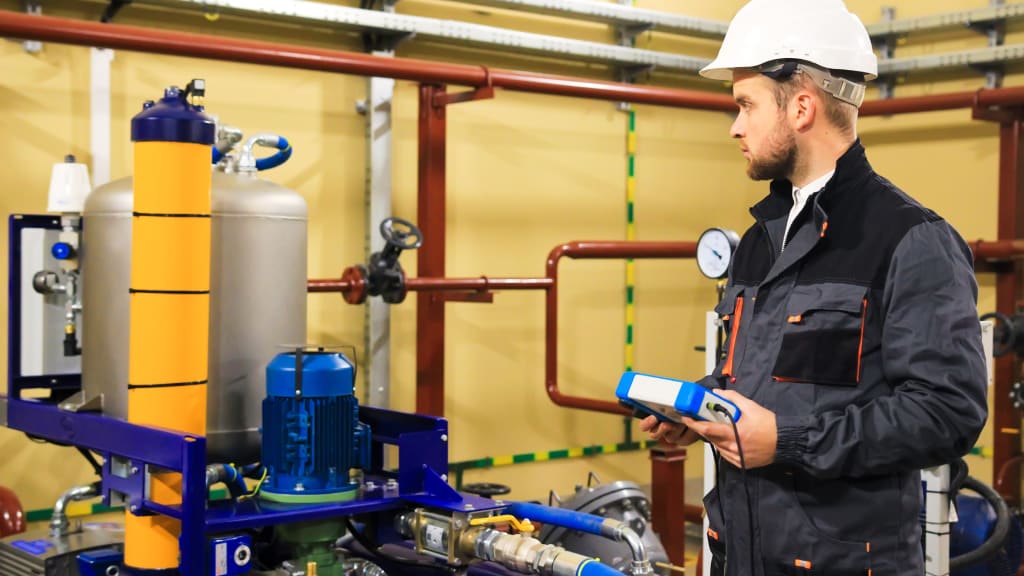
MEP is very important in ensuring functionality, comfort, and safety in construction. MEP refers to mechanical, electrical, and plumbing, which are the basic systems that sustain a building's infrastructure and allow it to perform its function. These systems are responsible for developing comfortable, safe, and efficient spaces, whether residential, commercial, or industrial. MEP engineering guarantees the design and integration of these systems to address specific building requirements, adhere to safety standards, and maximise performance.
For large or complex projects, contractors, developers, engineers, and architects outsource MEP estimating services to obtain accurate cost analysis, prevent surprise costs, and manage risk efficiently to ensure that the projects are completed on time and within budget. Let's explore the function of MEP systems in contemporary construction, their integration, and the problems they solve to deliver safe, sustainable buildings.
Understanding MEP in Construction
MEP engineering plays a vital role in making buildings functional, safe, and comfortable. The systems are built to meet the operation demands of a building, including temperature regulation, power distribution, and sanitation amenities. The MEP components
- The mechanical systems include heating, ventilation, and air conditioning (HVAC).
- Electrical systems provide power inside the building and consist of lighting, communications, and backup emergency systems.
- Plumbing systems provide water supply, drainage, and waste management.
Operation of Mechanical Systems
Mechanical engineering in MEP deals with HVAC systems (heating, ventilation, and air conditioning) that have the key role of keeping indoor air condition and temperature under control. The HVAC systems form the core of energy efficiency and green buildings in the modern building construction.
Parts of Mechanical Systems
- HVAC Equipment: These generate heat and cooling to produce comfortable indoor conditions.
- Chillers and Boilers: Chill the air, whereas boilers heat water running in the building for heating purposes.
- Air Handlers and Ductwork: Deliver conditioned air within the building, maintaining adequate airflow and temperature management.
- Radiators: Distribute heat within indoor spaces through water or steam.
- Energy-Efficient HVAC Solutions: Technologies such as geothermal systems and solar air conditioning reduce the building's environmental footprint.
- Energy-Efficient HVAC Solutions: The adoption of technologies such as geothermal systems and solar air conditioning reduces the building's environmental footprint.
The Role of the Electrical System in Building Operation
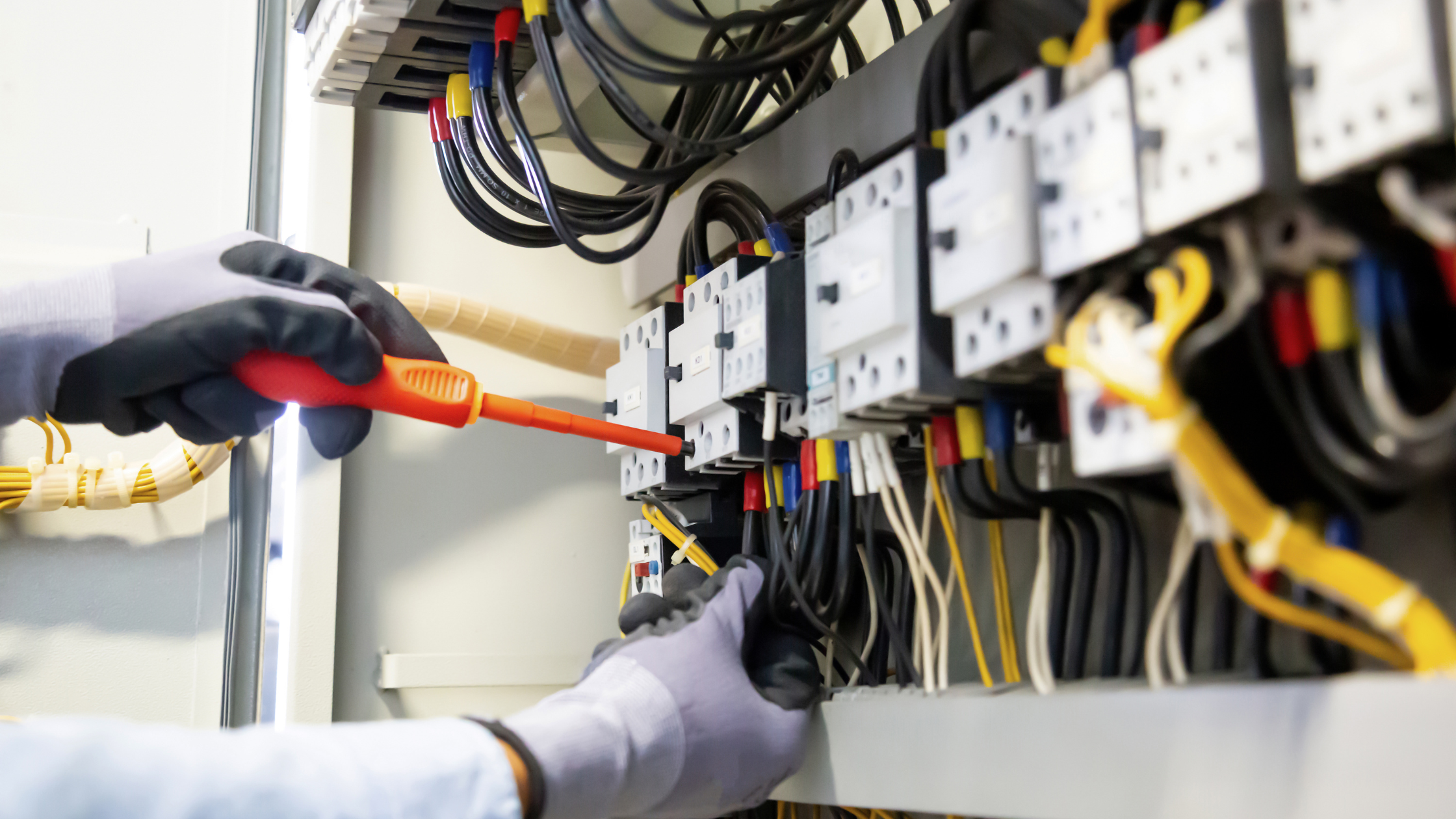
Electrical systems are the backbone of MEP engineering, supplying power safely and well-distributed inside the building. Electrical systems control lighting and electrical outlets, supply power to advanced building systems, and provide backup power in the event of a loss of power.
Components of an Electrical System
Electrical Panels and Circuit Breakers: Provide power directly around the building so that the system is not overloaded.
Lighting system: This system consists of interior and exterior lighting, typically energy-efficient through the utilisation of devices such as LED lights.
Backup Power Systems: Generators and uninterruptible power supplies (UPS) keep all critical systems under power outages.
Smart Electrical Systems: Smart meters and embedded sensors provide monitoring and control of energy, and the buildings are occupant-responsive and energy-efficient.
The Function of the Plumbing System
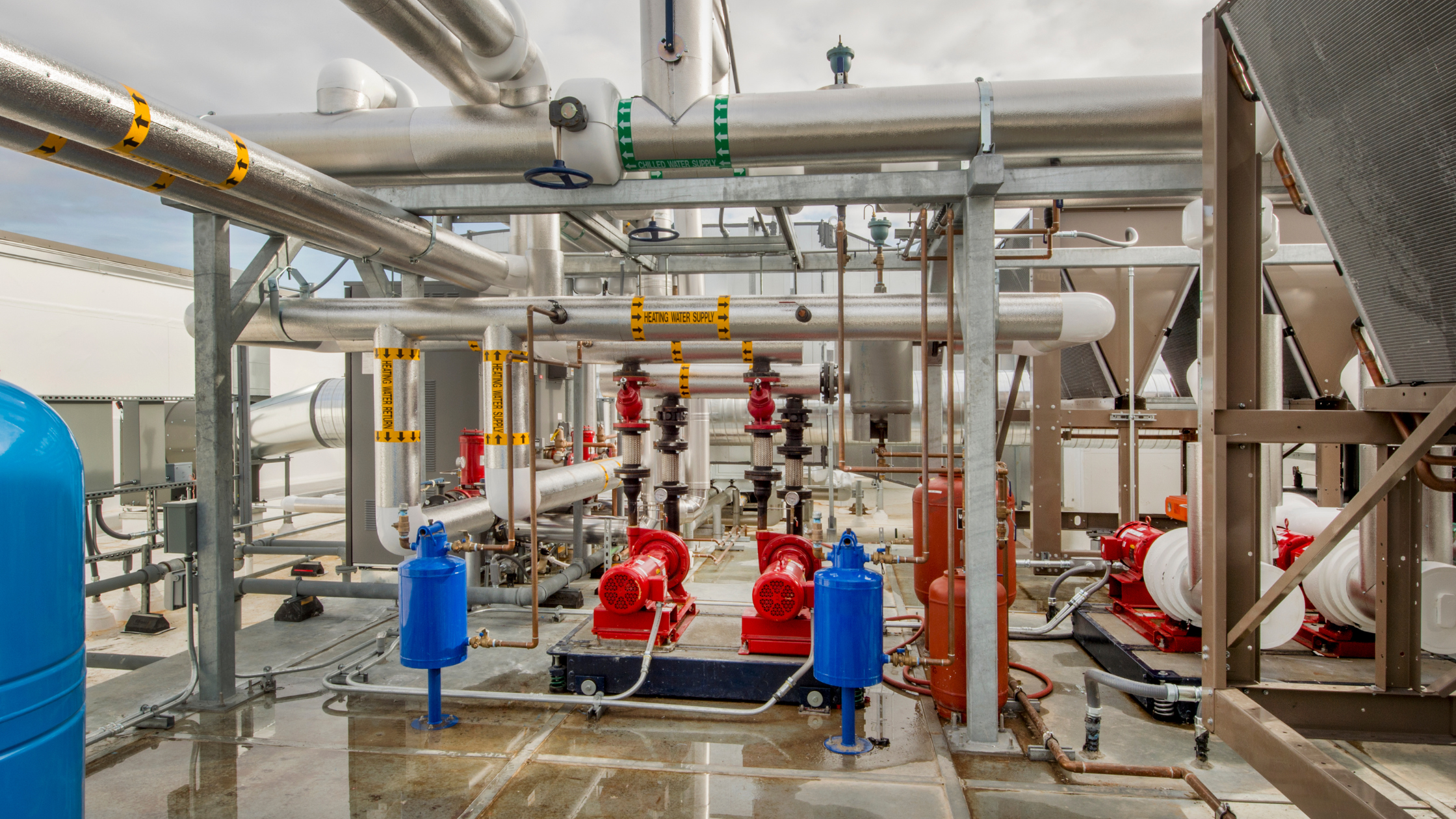
The plumbing system is a vital in providing water supply, wastewater treatment, and addressing the sanitation requirements of the building. Stormwater management, waste disposal, and water efficiency are also functions performed by plumbing and are an essential aspect of construction sustainability.
Plumbing Components
Pipes: Transport water and waste in the building.
Fixtures: Sinks, showers, and toilets are comfort and sanitation essentials.
Pumps and Valves: These are essential in water supply and regulate the flow of water inside the building.
Water Tanks and Sewerage System: Retain water and provide sanitary drainage to prevent flood and contamination.
Stormwater Management System: Very crucial in green building, i.e., rainwater harvesting and filtration.
General MEP Engineering Services
MEP engineers provide a complete spectrum of services to ensure that building systems are completely integrated with no faults. Some of the most frequently used MEP engineering services include:
HVAC System Design and Installation: MEPs design systems to provide indoor comfort while saving energy using the most modern technology with energy conservation in mind.
Electrical System Installation: This involves designing electrical power distribution systems and conforming them to safety and lighting standards.
Plumbing System Design: MEP engineers install and design the plumbing to enable the use of water and drainage and prevent blockage or leakage.
Energy Audits: MEP engineers perform energy audits for the sake of detecting the system inefficiencies and recommending improvements in a move to enhance sustainability.
Sustainability Solutions: Combination of green technology such as solar panels, rainwater harvesting technology, and efficient energy lighting technology.
Why MEP Engineering Is Essential Today
Here are the reasons why MEP engineering is essential today:
The Modern Complexity of Buildings: MEP systems require integration and coordination in such a manner as to meet their complex requirements when buildings become highly complex.
Sustainability and Energy Efficiency: MEP engineers are always at the forefront of developing energy-efficient systems with the least energy consumption and carbon emissions for the building.
Regulation Compliance: MEP engineers ensure that all systems meet local and international codes, ranging from fire protection to efficiency performance levels.
Cost Optimisation and Performance: MEP systems optimise building performance through minimisation of wastage and maximisation of system performance to lower the cost throughout the building life
Problems solved by MEP engineering
MEP engineering solves some of the problems encountered by construction and use.
Electricity Inefficiency: MEP engineers synchronise HVAC systems, electrical systems, and lighting such that energy usage is minimised and cost-effectiveness is maintained within buildings.
Indoor Air Quality Issues: Well-designed HVAC systems deliver the maximum possible airflow and amounts of clean air for healthy living.
Water Management: MEP engineering fixes plumbing issues to provide adequate water management and waste evacuation.
System Failure: MEP engineers design strong systems with lower failure or failure rates, which prioritise building infrastructure over its value.
Safety and Regulatory Concerns: MEP engineers make buildings a safe place by adhering to safety codes and regulations, and preventing individuals from entering hazardous situations in order to minimize liability.
Advantages of MEP engineering
There are quite a few advantages of MEP engineering.
Energy Efficiency
MEP systems conserve energy and minimise maintenance costs with the optimisation of plumbing and mechanical systems.
Sustainability
MEP engineers also provide cost-effective systems and minimise a building's carbon footprint in terms of green buildings.
Comfort and Safety
MEP systems create a comfortable and safe environment with temperature, air quality, and light control for building users.
Cost Savings
MEP engineering, through system integration, saves operating and maintenance costs over the life of the building, which collectively translates to astronomical savings.
Conclusion
MEP engineering is an important part of building design today to make buildings efficient and comfortable. As there is an increased demand for green and energy-saving buildings, MEP engineers are being asked increasingly to design and fit systems that not only address but also go beyond the operational requirements of a building. MEP engineering is the most important component that allows a building to function efficiently, best, and safely, whether it is a residential, commercial, or industrial building. By implementing green technology, intelligent systems, and innovative designs, MEP engineers are transforming building design into the future and green buildings into cost-cutting and convenient structures.
About the Creator
Enjoyed the story? Support the Creator.
Subscribe for free to receive all their stories in your feed.
Comments