
What is Google Entity Stacking and How it can Help your Business (Drive Stacking)
How Entity Stacking and NLP entity Seo can help local Business SEO and Google Rankings

Ever wondered how some websites seem to pop up everywhere on Google, even when they're relatively new? The secret might lie in a technique called entity stacking – a method that's changing how we think about SEO.
Breaking Down Entity Stacking in Simple Terms
Think of Google as a really smart librarian who doesn't just read book titles, but understands what books are actually about and how they connect to each other. This librarian (Google) organizes information using something called "entities" – real-world things, concepts, and their relationships.
Entity stacking is like creating a web of trusted references about your business across the internet. Instead of just building random backlinks, you're building a consistent identity that Google can recognize and trust.
Understanding Entities in SEO
What Qualifies as an Entity?
An entity could be:
Your business name
Your location
Products you sell
People in your company
Topics you're an expert in
Services you offer
Here's the cool part: Google connects these dots. When it sees your business name (an entity) consistently linked to specific topics, locations, or people, it starts seeing you as an authority in that space.
Drive Stacking: Practical Implementation of Entity Building
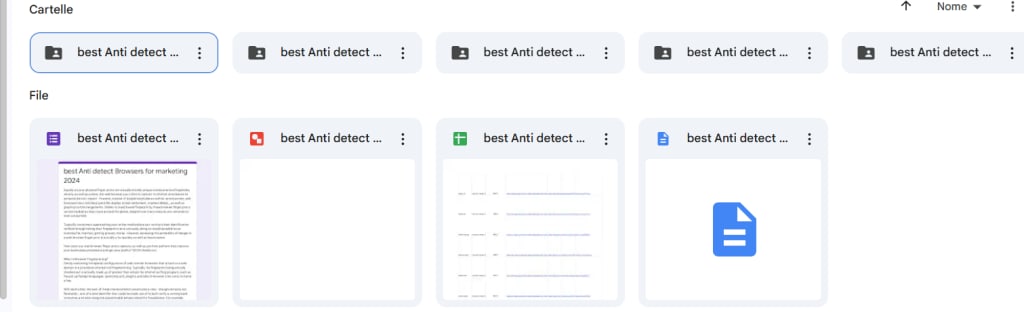
Drive stacking is where the rubber meets the road. It involves using Google's own properties (like Google Drive, Google Sites, and Google My Business) to create a network of connected entities. Here's how it works:
Create valuable content about your topic
Store it in Google Drive
Share it publicly
Link these materials together
Connect them to your main website
Natural Language Processing (NLP) in Modern SEO
Here's where things get interesting. Google doesn't just read your content – it understands it. Thanks to Natural Language Processing, Google can:
Figure out what you're really talking about
Understand context and meaning
Recognize relationships between topics
Identify expertise and authority
Step-by-Step Guide to Entity Stacking
1. Establishing Your Core Identity
First, get clear on who you are and what you do. Write down:
Your business name
Main services or products
Key locations
Expert topics
Important people
2. Creating Your Content Hub
Set up a Google Drive folder
Create documents about your core topics
Include presentations, PDFs, and spreadsheets
Make sure everything is high-quality and valuable
3. Connecting the Entity Network
Link your documents together
Share them publicly
Embed them on your website
Reference them in your blog posts
Connect them to your Google Business Profile
Real-World Implementation: A Local Business Case Study
Let's say you run a coffee shop in Portland. Your entity stack might include:
Google Drive documents about coffee brewing techniques
Spreadsheets of bean origins and roasting profiles
Presentations about your barista training program
Maps of your sourcing relationships
Photos of your shop and team
Reviews and customer stories
Common Entity Stacking Mistakes to Avoid
1. The Speed Trap
Entity stacking isn't a quick fix. It takes time for Google to recognize and trust these connections. Don't try to build everything overnight.
2. Quality Compromises
Each piece of content should provide real value. Don't just create stuff for the sake of creating it.
3. Ignoring Human Users
While you're building for Google's understanding, you're ultimately serving human readers. Keep your content engaging and useful.
Advanced Entity Stacking Strategies
1. Natural Language Optimization
Write like you talk. Google's NLP is smart enough to understand natural conversation, and it actually prefers it.
2. Topic Cluster Development
Create content around related topics that support your main expertise. If you're a coffee shop, talk about:
Coffee brewing methods
Bean selection
Coffee culture
Local food pairings
Community events
Integrating Your Entity Stack
The magic happens when all these pieces start working together. Your website, Google Drive content, business listings, and online presence create a web of connected entities that Google can understand and trust.
Future-Proofing Your SEO Strategy
Entity stacking isn't just another SEO trick – it's aligned with how search engines are evolving. As Google gets smarter about understanding context and meaning, having a strong entity profile becomes more important.
Essential Tips for Entity Stacking Success
Focus on quality over quantity
Build natural connections
Stay consistent with your information
Create valuable content
Think long-term
Keep everything organized
Update regularly
Getting Started with Entity Stacking
Begin with these simple steps:
Set up your Google Drive folder
Create one high-quality document about your main topic
Share it publicly
Link it to your website
Build from there
Conclusion: The Long-Term Impact of Entity Stacking
Entity stacking and drive stacking aren't just SEO techniques – they're ways of organizing and presenting information that makes sense to both search engines and humans. When done right, they create a strong, lasting foundation for your online presence.
By focusing on building real value and meaningful connections, you're not just playing the SEO game – you're creating a digital ecosystem that will continue to serve your business well into the future.
Start small, stay consistent, and watch your digital authority grow naturally over time. That's the real power of entity stacking.
About the Creator
genny carles
hello, world first post.
Enjoyed the story? Support the Creator.
Subscribe for free to receive all their stories in your feed.
Comments
There are no comments for this story
Be the first to respond and start the conversation.