
what is going to happen to your body if you do meth?
Read and get to understand the bad things meth does to your body!
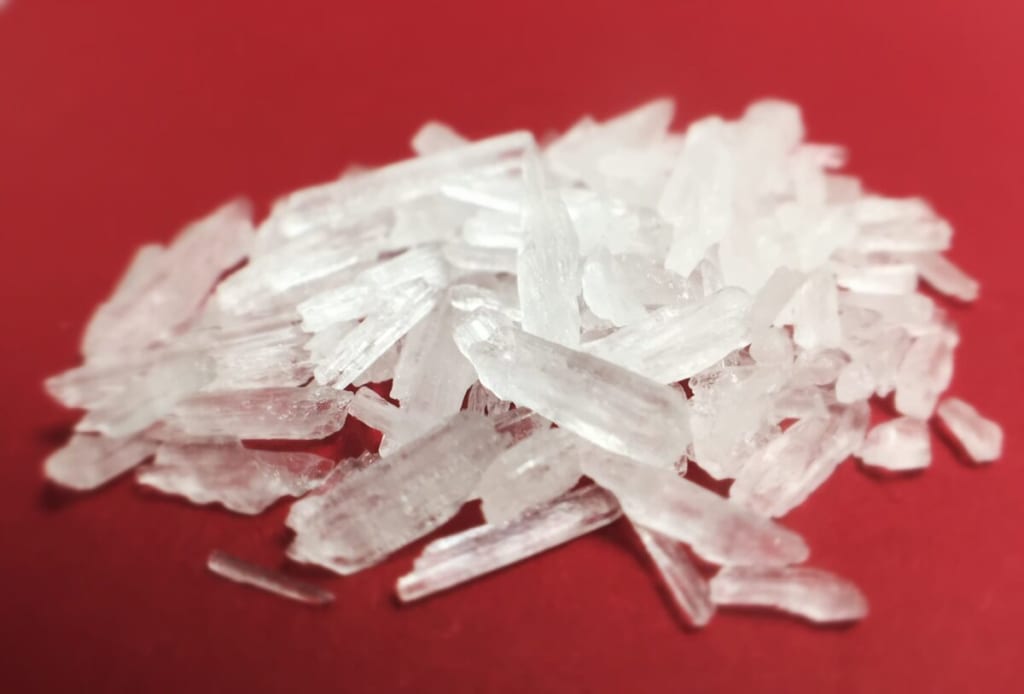
Welcome to our deep dive into the world of methamphetamine,
commonly known as meth, through the eyes of Jake, a 25-year-old whose journey with this potent drug reveals the stark reality of its effects.
What is meth? Well, this powerful central nervous system stimulant has gained notoriety for its intense impact on both the brain and body. We’ll explore this in detail through Jake’s journey – from the allure of his first encounter to the challenging road of its aftermath, providing a real-life context to the scientific and medical insights about this substance.
Jake's story begins like that of many others – with curiosity and the influence of his social circle. Initially drawn to meth for its promise of heightened energy, euphoria, and a sense of invincibility, Jake soon finds himself in uncharted waters. Meth’s appeal lies in its ability to release high levels of dopamine rapidly in the brain, leading to feelings of extreme pleasure and confidence.
As we delve deeper into Jake's experiences, we’ll see how meth not only alters his mental state but also brings about profound physical changes. Let’s start at the beginning.
Jake's foray into the world of methamphetamine kicks off at a weekend party, a scene of curiosity and experimentation. Encouraged by friends who tout meth's ability to boost energy and euphoria, he decides to try it for the first time. The initial experience is nothing like he's ever felt before; an intense rush of euphoria and a surge of energy courses through him. He feels on top of the world. This immediate and powerful sensation is due to meth's rapid release of dopamine in the brain, a neurotransmitter associated with pleasure and reward.
In the hours following his first dose, Jake feels invincible. He's more talkative, his senses are heightened, and he feels a powerful connection to the music and people around him. This heightened state of alertness and sociability is caused by the drug’s stimulant properties that increase brain activity. However, Jake is totally unaware of the cost of this euphoria. Meth's manipulation of dopamine not only creates a high but also begins to rewire the brain’s reward system. Regular use of meth can lead to changes in the brain's chemistry and structure. These changes can diminish the brain’s ability to experience pleasure naturally, setting the stage for dependency. The aftermath of the high is something Jake is unprepared for. As the effects of meth wear off, he is left feeling drained and lethargic, a stark contrast to the earlier rush of energy. This crash is the body's response to the intense stimulation it has undergone. The depletion of neurotransmitters following meth use leads to feelings of fatigue and depression, a common experience for users as the drug wears off.
Despite the yucky crash, the memory of the euphoria lingers in Jake’s mind. He finds himself craving that intense rush again, obsessing about when his next opportunity to use meth might be. This craving is a direct result of the drug’s impact on the brain’s reward system, making the experience intensely memorable and desirable.
Jake's initial encounter with meth sets the tone for his journey ahead. The immediate euphoria and energy it provides are amazing, but they come at a cost. Following his initial experience with meth, Jake finds himself drawn to the drug for more than just the euphoria. At his next few encounters with meth, he notices a significant boost in his confidence and sociability. In social settings, he feels more outgoing and articulate, a stark contrast to his usual reserved nature. This newfound confidence is intoxicating to Jake, making him feel more alive and connected in social gatherings. Scientific research explains how stimulants like meth can enhance certain personality traits, such as extraversion and verbal fluency, making social interactions more engaging and enjoyable – especially for those who tend to be a bit more introverted or socially shy.
Jake's friends start to notice the change, too. They see him as more vibrant and lively at parties, often becoming the center of attention.
This change in his social demeanor, while initially seen as positive by his peers, is a direct effect of meth's impact on his brain chemistry.
However, this increased sociability comes with its downsides. Jake soon begins to rely on meth to feel confident in social situations, creating a psychological association between the drug and social success. This dependence is a slippery slope. The more Jake uses meth to feel confident, the more he feels unable to socialize without it.
At the same time, Jake starts to overlook the negative aspects of his increasingly reckless behavior. Under the influence of meth, he becomes less aware of social cues and boundaries, sometimes leading to confrontations or inappropriate behavior.
Despite these warning signs, the allure of being more outgoing and confident keeps drawing Jake back to meth. He starts using the drug not just at parties but also in other social settings, hoping to maintain that heightened state of confidence and sociability. This pattern of use can reinforce the belief that one needs the drug to function socially, further entrenching the habit.
As Jake continues down this path, the temporary boosts in confidence and sociability begin to shape his identity and interactions. He increasingly associates his social success with meth use, creating a dangerous linkage that overlooks the drug's harmful effects on his health and well-being.
As Jake's use of meth becomes more frequent, he begins to experience a significant decrease in his appetite. This is a common side effect of meth use, as the drug stimulates the central nervous system, which can suppress hunger signals. Initially, Jake doesn't pay much attention to this change; he's more focused on the energy and euphoria that meth provides. However, over time, this suppressed appetite leads to noticeable weight loss.
Jake's friends and family start to notice his changing appearance. His clothes hang more loosely on him, and his face appears thinner. While some friends express concern, others compliment his weight loss, unaware of its unhealthy origins. This change in appearance is not just a cosmetic issue. Rapid weight loss due to appetite suppression can lead to malnutrition and a host of related health problems.
The physical effects of this weight loss become increasingly evident in Jake's energy levels and overall health. Despite the initial surge of energy from meth use, he starts to feel fatigued more easily due to lack of proper nutrition. Of course, there are long-term consequences of malnutrition – including weakened immune function and decreased muscle mass, both of which Jake begins to experience.
Jake tries to ignore these signs, attributing them to his busy lifestyle rather than his meth use. However, as he loses more weight, he starts to struggle with basic physical tasks.
His strength diminishes, and he finds himself feeling dizzy and lightheaded more frequently.
These symptoms are indicative of the body's response to starvation and nutrient deficiencies. The psychological impact of this weight loss and malnutrition also becomes apparent. Jake starts to experience mood swings and irritability, which he initially attributes to stress. However, research shows that nutritional deficiencies, especially in essential vitamins and minerals,
can significantly affect mental health and cognitive function.
Jake's increasing use of methamphetamine leads to a significant disruption in his sleep patterns.
The stimulating effects of the drug, which once seemed beneficial for his long nights out, now begin to take a toll on his ability to get restful sleep. Nights after using meth are marked by restless tossing and turning, and even when he wants to sleep, he finds himself wide awake.
This insomnia is a common side effect of stimulants like meth, as they increase brain activity and alertness, making it difficult to wind down. Sleep studies have documented how stimulant abuse can lead to severe disruptions in sleep architecture, resulting in insomnia and poor sleep quality.
The lack of sleep starts affecting Jake's daily life. He feels constantly fatigued, struggles to concentrate, and becomes more prone to mood swings. Despite feeling exhausted, he can't seem to get the restorative sleep his body needs. This vicious cycle of stimulant use and sleep deprivation slowly becomes a nightmare for Jake. He’s never well-rested and feels like he’s always chasing that ever-elusive good night’s sleep.
Jake even experiences changes in his sleep patterns on days when he doesn't use meth. He finds himself sleeping for extended periods, often at odd hours, trying to catch up on the rest he missed. This erratic sleep schedule further disrupts his body's natural circadian rhythm, leading to a condition known as “substance-induced sleep disorder.” This disorder can significantly impact one's overall health and well-being. The chronic sleep deprivation begins to have more severe implications for Jake’s mental health. Research shows that prolonged sleep disruption can lead to cognitive impairments, heightened anxiety, and an increased risk of developing depression. Jake starts to feel the mental strain, with his thoughts becoming cloudier and his ability to manage stress diminishing.
Jake’s physical health also suffers due to the lack of sleep. His immune system weakens, making him more susceptible to illnesses, and he notices a decrease in his physical performance.
As Jake’s meth use escalates, he begins to experience physical symptoms that are more alarming. One of the most concerning is hyperthermia, an abnormally high body temperature.
During prolonged meth use sessions, particularly when dancing or in crowded environments, Jake finds himself overheating, his skin flushed and excessively sweaty. This condition is a direct result of meth’s impact on the body’s thermoregulatory mechanisms, causing the body to overheat, which can be dangerous if not quickly addressed.
Another serious side effect that Jake encounters is dehydration. The combination of reduced fluid intake, increased physical activity, and the diuretic effect of meth leaves him severely dehydrated. Symptoms like dry mouth, headaches, and dizziness become common after his meth use. These signs of dehydration are particularly concerning – because even mild dehydration can significantly impact physical and cognitive functions.
Jake’s friends start to notice these physical changes and express their concern. They point out his flushed appearance and excessive sweating, even when he’s not exerting himself physically. Some nights, Jake feels disoriented and weak. Ignoring these warning signs, Jake continues to use meth, leading to more severe episodes of hyperthermia. On a few occasions, he experiences muscle cramps and a rapid heartbeat, signaling that his body is struggling to cope with the elevated temperature. Unchecked hyperthermia can lead to heat stroke, a life-threatening condition requiring immediate medical attention.
Jake’s dehydration also worsens. He begins to experience more severe headaches, and his urine becomes dark, indicating severe dehydration. He learns from a quick Google search that prolonged dehydration can lead to kidney damage, a risk that becomes increasingly real for him.
As Jake continues his journey with meth, he begins to experience one of its most notorious side effects: severe dental decay, commonly known as “meth mouth.” Initially, he notices his teeth becoming discolored, which he attributes to poor oral hygiene. However, the problem quickly
escalates, and he starts experiencing toothache and gum pain. This rapid deterioration of dental health is a hallmark of chronic meth use. Meth's acidic nature, combined with its tendency to cause dry mouth, creates an environment conducive to tooth decay and gum disease.
Ignoring the initial signs of dental issues, Jake continues his meth use. However, he problem worsens, leading to more visible and painful symptoms. His gums become swollen and inflamed, and he starts losing teeth. This severe dental decay is not just cosmetic;
it’s indicative of the significant impact meth has on overall health.
Meth mouth results from a combination of factors, including the drug's acidity, dry mouth, poor oral hygiene, and a general neglect of health that often accompanies substance abuse. Jake's dental issues begin to affect his self-esteem and social interactions.
He becomes self-conscious about his appearance and hesitant to smile or speak in public.
Confronted with the reality of his deteriorating dental health, Jake seeks help from a dentist.
The dentist explains the extent of the damage and the need for extensive dental work. This professional intervention is a turning point for Jake, as he realizes the severity of the consequences of his meth use. In addition to the physical and aesthetic consequences, Jake’s dental issues also impact his nutrition. With his ability to chew compromised, he finds it difficult to eat certain foods, leading to an unbalanced diet.
Jake’s ongoing battle with methamphetamine takes a further toll on his physical appearance, particularly his skin. He starts to notice the development of sores and acne, a common issue among chronic meth users. Initially, these skin problems manifest as small, itchy spots, but soon, they evolve into larger, painful sores. The cause of these skin issues is multifaceted. Meth can cause severe itching, leading users like Jake to scratch and pick at their skin, causing sores and lesions. Additionally, meth can reduce overall skin health, making it more prone to acne and other conditions.
These skin problems exacerbate Jake’s declining self-esteem. He becomes increasingly self-conscious about his appearance, leading him to avoid social interactions and public settings. The visible nature of skin sores makes them particularly stigmatizing.
The skin sores also pose a risk of infection, especially when proper hygiene is not maintained. In Jake's case, the lack of care for these wounds leads to infections that require medical attention. Despite these visible signs of his deteriorating health, Jake finds it hard to break free from meth's grasp.
Jake’s struggle with skin issues is further complicated by his nutritional deficiencies and poor overall health. Malnutrition and dehydration, side effects of prolonged meth use, contribute to poor skin health and slow the healing process of wounds.
What else is Jake dealing with? As his dependence on methamphetamine deepens, a noticeable shift occurs in his behavior, particularly in his decision-making processes.
He begins exhibiting increased risk-taking behaviors and impulsivity, a common effect associated with stimulant use. This change is not just confined to his drug use; it spills over into other areas of his life, including his finances, relationships, and personal safety.
One night, Jake makes a spur-of-the-moment decision to drive under the influence of meth, a decision that could have had disastrous consequences. While he manages to reach his destination unharmed, this reckless behavior alarms his friends and family.
Jake’s impulsivity also manifests in financial decisions. He starts spending recklessly, often using his savings to buy meth or fund activities while under its influence.
What’s more? In his social interactions, Jake becomes more confrontational and less tolerant of frustration. He often acts without considering the consequences,
straining relationships with friends and family. And at work, Jake's impulsivity begins to impact his performance. He makes hasty decisions without fully considering their implications, leading to mistakes and criticism from his colleagues and superiors.
Jake's increasing use of methamphetamine brings a new and terrifying dimension to his struggle:
the onset of psychosis and paranoia. Initially, Jake brushes off the occasional feelings of paranoia as mere side effects of the drug. However, as his meth use intensifies, these episodes become more frequent and severe. He starts experiencing hallucinations and delusions, believing that people are watching him or plotting against him.
The hallucinations are vivid and often frightening. Jake sees shadowy figures and hears voices that aren’t there, causing him great distress. These experiences are profoundly disorienting and exacerbate his sense of paranoia. In fact, meth-induced psychosis can closely mimic the symptoms of schizophrenia, making it difficult for users to distinguish reality from their drug-induced hallucinations.
He also starts to become suspicious of his friends and family, often accusing them of betrayal or deceit without any basis. This behavior strains his relationships, leaving him feeling isolated and misunderstood. At work, Jake’s paranoia manifests in a belief that his colleagues are conspiring against him. He reacts defensively to routine interactions, further alienating himself in a professional environment.
The continuous cycle of paranoia and hallucinations takes a toll on Jake’s mental health. He starts to lose touch with reality, finding it hard to distinguish between his drug-induced experiences and things that are actually happening in the real world.
As Jake's use of methamphetamine continues to escalate, he starts to experience alarming physical symptoms indicative of heart problems. Initially, these manifest as palpitations and an uncomfortably rapid heartbeat, especially during and after using meth. Stimulants like meth can significantly increase heart rate and blood pressure, placing stress on the cardiovascular system.
One evening, after using a particularly high dose of meth, Jake experiences chest pain and shortness of breath – symptoms he's never felt before. Alarmed, he visits the emergency room, where tests reveal signs of arrhythmia, an irregular heartbeat. The doctors explain that meth use can cause various heart problems, ranging from arrhythmias to more serious conditions like myocardial infarction (heart attack).
The physical strain on his heart begins to affect Jake's overall stamina and ability to engage in physical activities. Activities that he once found easy now leave him feeling exhausted and short of breath. Research explains that stimulant-induced heart damage can significantly reduce physical endurance and overall quality of life. Jake’s heart problems also begin to instill a constant fear of a potential heart attack. This anxiety adds to his already high stress levels, creating a vicious cycle that further exacerbates his heart condition.
As Jake's battle with methamphetamine addiction continues, he begins to notice troubling changes in his cognitive abilities. Initially, these changes are subtle – he finds it harder to concentrate and struggles with tasks that require sustained mental effort.
His memory also starts to falter; he often forgets appointments and misplaces things.
The cognitive impairments Jake experiences begin to affect his daily life significantly. At work, he struggles to keep up with his tasks, often making errors or forgetting important details.
His decision-making skills are compromised, leading to poor judgment and ineffective problem-solving. Jake’s friends and family keep noticing these changes, with deepening concern about his addiction. They comment on his lack of focus in conversations and his inability to remember recent events. In an attempt to counteract these cognitive problems, Jake tries using meth in smaller doses, hoping to regain the initial clarity and focus the drug once provided. However, this only leads to a temporary improvement, followed by further decline. Researchers warn that continued use of meth, even in smaller doses, can lead to a progressive worsening of cognitive functions.
But even with all of these issues, Jake is hooked on meth. As his struggle with addiction deepens, its impact extends beyond his physical and mental health to significantly affect his social life and relationships. His friends start to notice a change in his behavior;
he becomes more and more withdrawn and less interested in activities he once enjoyed.
Jake's relationship with his family also suffers. They express concern about his health and the changes in his behavior, but Jake often responds with anger or defensiveness. Family gatherings become tense, and Jake starts avoiding them altogether.
At work, Jake’s performance continues to decline. His inability to concentrate and frequent absences lead to a warning from his employer. His colleagues, who once viewed him as reliable and competent, now see him as unreliable and even a burden.
In terms of his love life, Jake finds it difficult to maintain a stable relationship. His partner becomes frustrated with his lack of engagement and the secretive nature of his drug use. The trust between them erodes, leading to frequent arguments and mutual unhappiness, conflict, mistrust, and eventual breakdown.
The changes in Jake’s social circle become more evident. He starts associating more with other meth users, finding a common bond in their shared experiences with the drug. However, these relationships are often superficial and centered around substance use.
As Jake's use of methamphetamine progresses, he develops a clear dependency on the drug. The need for meth becomes a central focus in his life, overshadowing other priorities and interests. Initially, meth was a choice for recreational use, but it has transformed into a necessity for Jake to function daily.
Alongside dependency, Jake also develops tolerance to meth. He needs increasingly larger doses to achieve the same high that smaller amounts once provided. This escalation in use is a direct result of his body adapting to the presence of meth, reducing its responsiveness over time.
The development of tolerance brings about its own set of challenges for Jake. Financially, sustaining his meth habit becomes more burdensome as he requires more of the drug. Physically, the increased doses put Jake at a higher risk of experiencing severe side effects and overdose.
Psychologically, Jake's tolerance to meth exacerbates his feelings of hopelessness and entrapment. He feels trapped in a cycle where he needs to use more meth to function but is increasingly aware of the harm it's causing him.
After months of struggling with his methamphetamine addiction,
Jake reaches a pivotal moment: the realization that he needs help. This epiphany comes after a particularly harrowing night where he experiences intense paranoia and a near-overdose. Shaken by his experience and the cumulative toll of his addiction, Jake decides to seek professional help.
Jake's first step in seeking help is to confide in his family. Despite the strained relationships, his family responds with support and concern,
helping him research treatment options. They find a local rehabilitation center that specializes in meth addiction. This family support proves to be invaluable for Jake in his recovery process.
At the rehabilitation center, Jake undergoes a comprehensive treatment program that includes detoxification, counseling, and therapy. The detox process is challenging, bringing about withdrawal symptoms such as fatigue, depression, and intense cravings for meth. However, under medical supervision, Jake safely navigates through this phase.
Counseling and therapy sessions are also vital for Jake's recovery process. Through these sessions, he begins to understand the underlying factors that led to his addiction, such as coping with stress and emotional pain. He learns new coping mechanisms and strategies to deal with life's challenges without resorting to substance use.
As part of his recovery, Jake also participates in group therapy and support groups. Meeting others who are going through similar experiences helps him realize that he is not alone in his struggle. These group sessions provide a platform for sharing experiences and strategies for staying sober, fostering a sense of community and support.
About the Creator
Enjoyed the story? Support the Creator.
Subscribe for free to receive all their stories in your feed.
Comments
There are no comments for this story
Be the first to respond and start the conversation.