
What is Digital-Twin Technology?
Understanding the Future of Simulations and Decision-Making
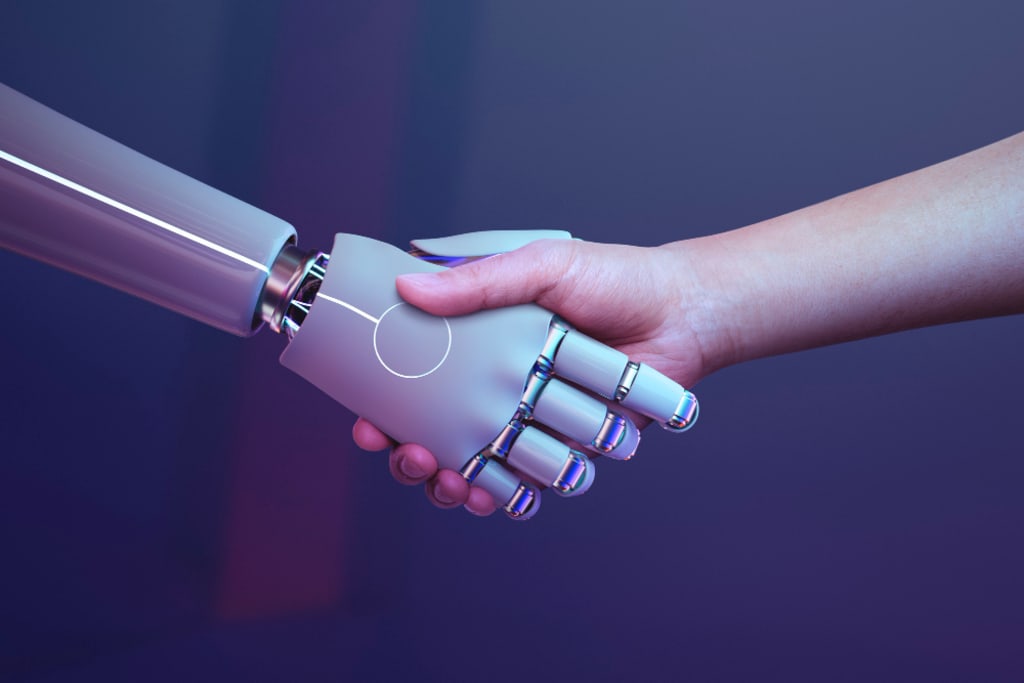
In the dynamic realm of technology, the continuous emergence of innovative concepts has redefined our interactions with the world. Among these groundbreaking ideas is the concept of a digital twin—an ingenious virtual replica of a physical entity, be it an object, person, or process. This article delves into the transformative impact of digital twins across various industries, unveiling their boundless applications. From manufacturing and healthcare to transportation and urban planning, digital twins have revolutionized the way we analyze, optimize, and predict real-world scenarios. As this cutting-edge technology evolves, it holds the promise of unlocking new dimensions of efficiency, sustainability, and human progress in the digital age.
What are Digital Twins?
Digital twins are basically a virtual representations of physical entities or processes found in a digital environment and modeled on their real-world counterparts. This technology allows organizations to simulate various scenarios and analyze outcomes, leading to informed decision-making.
Understanding Digital Twins
1. The Power of Contextualization
Digital twins gain their strength through contextualization. By linking to real data sources from the environment, the virtual replica remains up-to-date in real-time, reflecting changes and developments of the original entity.
2. Real-Time Data Integration
Digital twins are not static simulations; they are dynamic and responsive. They constantly receive real-time data, making them accurate and reliable tools for analysis.
Digital Twins in Business
1. Enhancing Decision-Making
The ability to simulate real-life situations with digital twins offers organizations a heightened level of certainty. It enables businesses to explore various possibilities and understand potential outcomes before making decisions.
2. The Enterprise Metaverse
When multiple digital twins are interconnected within one system, they form an enterprise metaverse. This immersive digital environment replicates and interconnects every aspect of an organization, facilitating simulations, scenario planning, and strategic decision-making.
Types of Digital Twins
1. Product Twins
A product twin is a virtual representation of a product that spans its entire lifecycle. From the initial concept design and engineering stages to its full functionality, a product twin provides real-time data and insights, similar to a product in service. For example, Google Maps is a digital twin of the Earth's surface, offering real-time traffic updates for optimizing commutes.
2. Production Plant Twins
Production plant twins represent an entire manufacturing facility. By visualizing and analyzing the plant's operations, businesses can identify areas for improvement, enhance efficiency, and optimize production processes.
3. Procurement and Supply Chain Twins
Also known as network twins, procurement and supply chain twins simulate and optimize the flow of goods and services throughout the supply chain. This type of digital twin aids in identifying potential bottlenecks, predicting demand, and streamlining logistics.
4. Infrastructure Twins
Infrastructure twins focus on replicating physical structures, such as highways, buildings, or stadiums. By creating virtual representations, organizations can monitor performance, assess maintenance needs, and plan for future enhancements.
Unlocking Agility and Resilience
1. Transforming Operations
Digital twins have the potential to revolutionize operations, making them more agile and resilient. By leveraging real-time data and predictive insights, businesses can respond quickly to changes and challenges.
2. CEO's Interest in Digital Twins
Research by McKinsey indicates that 70 percent of C-suite technology executives at large enterprises are already exploring and investing in digital twins. Their growing interest is a testament to the potential benefits and impact of this technology on business strategies.
Conclusion
In conclusion, digital-twin technology presents a remarkable leap in the world of simulations and decision-making. From enhancing the accuracy of decisions to transforming business operations, the applications of digital twins are vast and promising. As industries continue to embrace this innovative concept, we can expect a future where organizations thrive in a highly informed and efficient manner.
About the Creator
Kamran Shaikh
"I am an experienced content writer with a flair for words, adept at creating SEO-friendly content that captivates readers and drives results for businesses and publications."
Enjoyed the story? Support the Creator.
Subscribe for free to receive all their stories in your feed.
Comments
There are no comments for this story
Be the first to respond and start the conversation.