
What is a Meeting Room Reservation System and What Are Its Benefits?
Meeting Room Reservation System
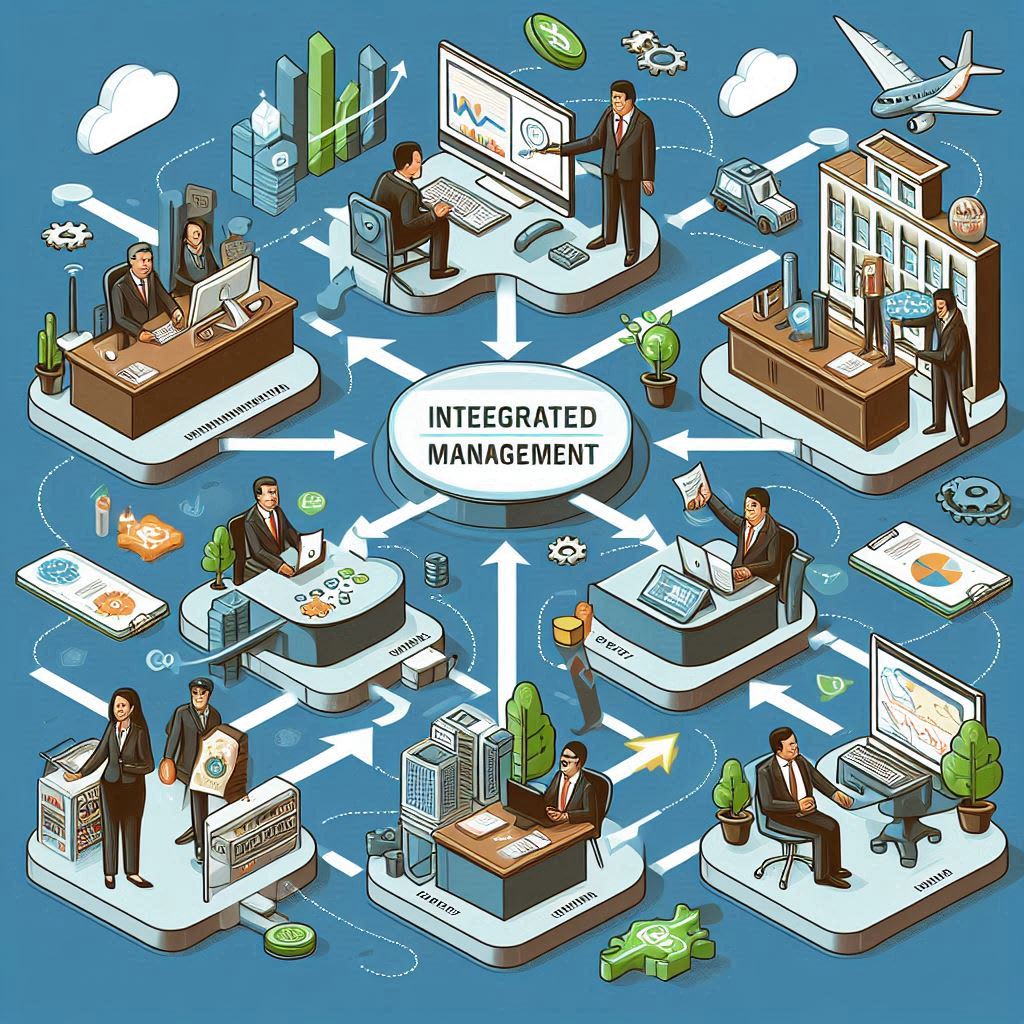
A meeting room reservation system is a digital solution designed to simplify the process of booking, managing, and tracking meeting spaces within an organization. It replaces traditional manual booking methods with an automated platform that ensures better coordination, transparency, and efficiency.
Key Features of a Meeting Room Reservation System
- Online Booking Portal
These systems typically include a centralized platform where users can view available meeting rooms and reserve them online.
- Real-Time Availability
They provide real-time updates on room occupancy, preventing scheduling conflicts.
- Customization Options
Many systems allow users to set preferences like room capacity, amenities, or time slots.
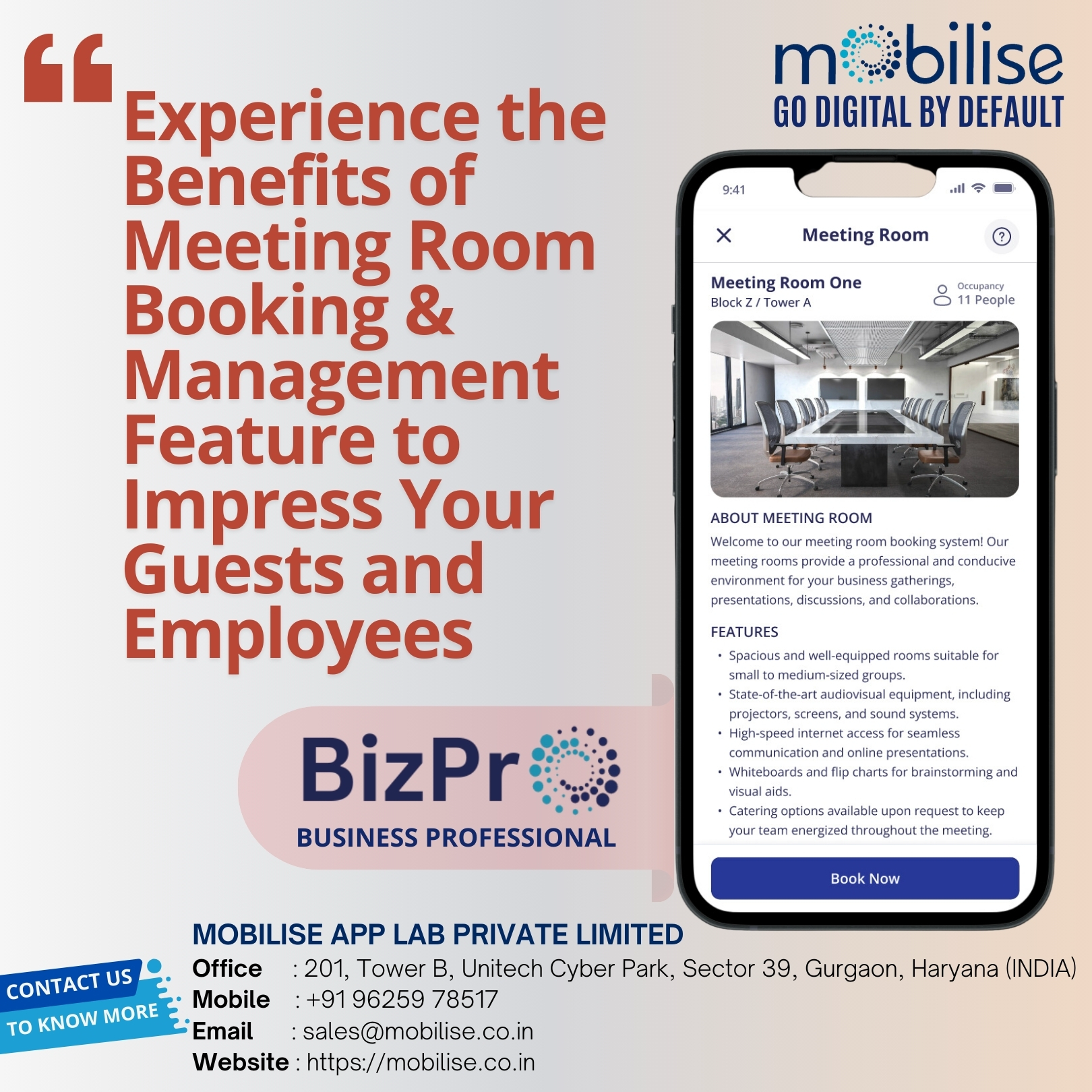
Why Do Businesses Need a Meeting Room Reservation System?
Traditional room booking methods often involve spreadsheets, sticky notes, or emails, which can lead to miscommunication, double bookings, and wasted time.
How Technology Simplifies Room Booking Processes
With digital systems, the entire booking process becomes seamless, offering visibility and transparency to all stakeholders.
Benefits of Using a Meeting Room Reservation System
- Enhanced Productivity
- Streamlined Scheduling
- Automated scheduling eliminates confusion and ensures meetings start on time.
- Reduced Administrative Burden
- Administrative teams no longer have to manually manage bookings, freeing them up for other tasks.
- Improved Resource Management
- Utilization Metrics
These systems provide insights into how often rooms are used, helping optimize space allocation.
- Minimizing Overlaps and Conflicts
- Real-time availability ensures no two groups book the same space simultaneously.
- Better User Experience
- Mobile-Friendly Access
Most systems offer mobile apps or responsive designs, allowing employees to book on the go.
Integration with Other Tools
- Seamless integration with tools like Outlook or Zoom enhances productivity and coordination.
- Key Components of an Effective Meeting Room Reservation System
- User-Friendly Interface
- A clean and intuitive design ensures that all employees, regardless of technical expertise, can use the system efficiently.
- Comprehensive Reporting Tools
- Analytics dashboards help organizations track room usage trends and make informed decisions.
- Robust Security Features
Advanced security protocols protect sensitive data and ensure system reliability.
Use Cases Across Different Industries
- Corporate Offices
Large organizations with multiple meeting rooms benefit significantly from automated reservation systems.
- Co-Working Spaces
Shared workspaces need efficient systems to manage bookings for various teams.
- Educational Institutions
Schools and universities can streamline classroom and conference room bookings with such systems.
How to Choose the Right Meeting Room Reservation System?
- Evaluating Business Needs
Start by identifying the specific challenges your organization faces with room booking.
- Comparing Features and Pricing
Look for systems that offer the best combination of features and affordability.
Checking User Reviews and Support Services
Reliable customer support and positive reviews can indicate a good product.
Conclusion
Meeting room reservation systems are indispensable tools for modern organizations. They simplify the booking process, optimize resource usage, and improve overall workplace efficiency. Whether you're a small business or a large corporation, investing in such a system can yield significant returns in time and productivity.
A meeting room reservation system plays a critical role in modern organizational operations, offering a streamlined and efficient way to manage meeting spaces and foster productivity. With the increasing demand for flexible, collaborative, and hybrid work environments, such systems have become essential tools for optimizing resource utilization and enhancing employee experience.
One of the primary benefits of a meeting room reservation system is its ability to minimize scheduling conflicts and maximize the effective use of available spaces. By providing real-time availability and booking options, these systems reduce the manual effort and communication overhead associated with traditional reservation methods. This not only saves time but also ensures that meeting spaces are allocated efficiently and equitably.
Additionally, such systems often integrate with calendar applications, email platforms, and other workplace tools, creating a seamless ecosystem for scheduling and communication. Features like automated reminders, check-in functionality, and analytics allow organizations to track room usage, identify trends, and make data-driven decisions regarding space management. In environments with limited resources, this insight is invaluable for optimizing layout, adding new meeting areas, or repurposing underutilized spaces.
For organizations embracing hybrid or remote work models, a meeting room reservation system enables employees to coordinate in-office meetings effectively. Some systems also offer support for managing hot desks or shared workspaces, further contributing to an agile workplace.
Incorporating advanced features such as IoT integration, touchless bookings, and environmental monitoring, modern reservation systems align with sustainability and wellness goals. They can provide real-time updates on room conditions, occupancy, and air quality, ensuring that meeting spaces are not only functional but also comfortable and safe.
However, to fully realize the benefits of a meeting room reservation system, organizations must choose a solution that aligns with their specific needs and scale. A user-friendly interface, strong security protocols, and adaptability to future requirements are crucial considerations.
In conclusion, a meeting room reservation system is more than just a scheduling tool; it is a strategic asset that enhances operational efficiency, supports collaboration, and contributes to a positive workplace environment. As technology continues to evolve, the capabilities of these systems will expand, further empowering organizations to meet the dynamic demands of the modern workplace.
About the Creator
Nick
ERP Software Expert at www.mobilise.co.in
Enjoyed the story? Support the Creator.
Subscribe for free to receive all their stories in your feed.
Comments
There are no comments for this story
Be the first to respond and start the conversation.