
What is a ketogenic diet
what do you eat on a ketogenic diet?
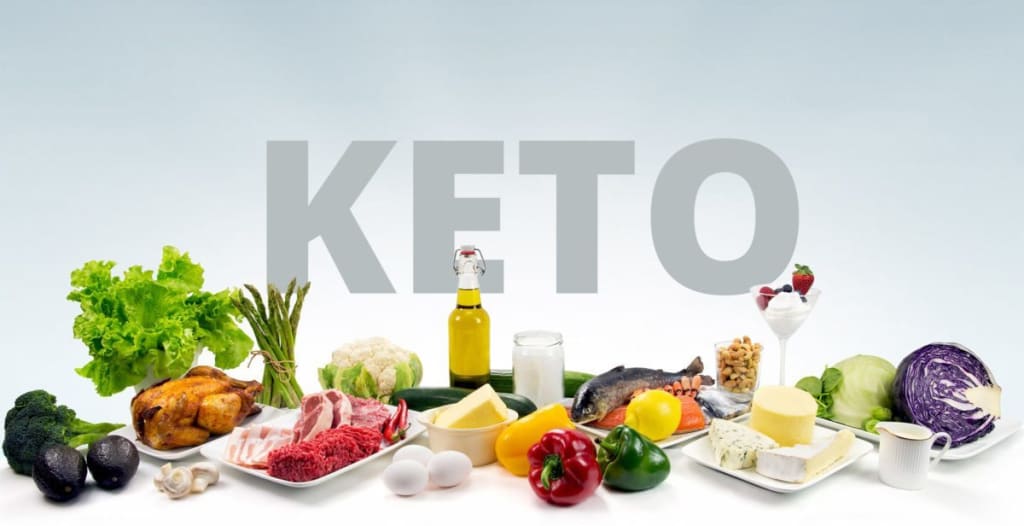
The ketogenic diet is a very strict low-carb diet. Compared to other low-carb diets, its most important feature is that it is high in fat, yes, high in fat, and many people abroad have used this diet to lose weight, improve their health, reverse diabetes, treat cancer, epilepsy, Alzheimer's disease (dementia) and more.
What is the ketogenic diet?
The Ketogenic Diet (keto) is an ultra-low carb, high fat diet, not unlike the Atkins diet, and other low carb diets in that it has a very high percentage of fat intake, a strict control of carbohydrate intake and a moderate amount of protein.
The main principle of the ketogenic diet is that it replaces carbohydrates with fat. After the body has consumed glucose, it slowly starts to burn fat to feed its body, which slowly enters a ketogenic state and, eventually, puts the body into a high speed fat burning state.
When the body enters a ketogenic state, the ketone bodies produced can feed the body as well as the brain, you have better energy, are in better shape, more focused and your brain's ability to function is upgraded across the board.
The ketogenic diet also lowers and stabilises blood sugar very quickly and the body has very many other health benefits through the production of ketones.
What are the ways in which the ketogenic diet works
In fact, there are many different versions of the ketogenic diet, so you can find out what works for you depending on your individual needs.
The standard ketogenic diet, low carb, moderate protein, high fat diet with over 70% fat, 20% protein and less than 10% carbohydrates (even 5%).
The cyclical ketogenic diet, similar to carb cycling, is used by many fitness enthusiasts abroad, for example, by strictly controlling carbohydrates on five days of the week and consuming a certain amount of carbohydrates on the other two days.
A targeted ketogenic diet is also required for high-intensity strength training enthusiasts, who normally restrict carbohydrates and only consume a moderate amount before and after high-intensity training.
A high protein ketogenic diet, which involves a moderate increase in protein intake and slightly less fat, for example, 60 fat, 35% protein and 5% carbohydrates, may be more appropriate for those with a need to build muscle.
In short, ketogenic is a type of low-carb diet where carbohydrates must be strictly limited. As for the amount of protein, you can adjust it appropriately according to your needs, and for large fitness enthusiasts, you can add some protein or you can consume a moderate amount of carbohydrates on training days.
How does the ketogenic diet work for weight loss?
I believe that most people know about ketogenic because of weight loss, it was once considered the fastest way to lose weight, in foreign countries, because the low-carbon diet has been popular for a long time, now the ketogenic diet is also very popular, on the ins know, too many ketogenic practitioners above.
The great thing about the ketogenic diet is that for many dieters, you can eat a lot, meat, fat, these can make very much delicious food, and for carb addicted patients, the ketogenic diet is a good way to lose weight, however, there is also the risk of carb bingeing.
In terms of weight loss, the ketogenic diet without calorie control, compared to the traditional 'low-fat diet' with calorie control, ketogenic can throw off the low-fat diet by several blocks, too much, too much, and many studies have been done abroad, and basically the ketogenic diet is the winner.
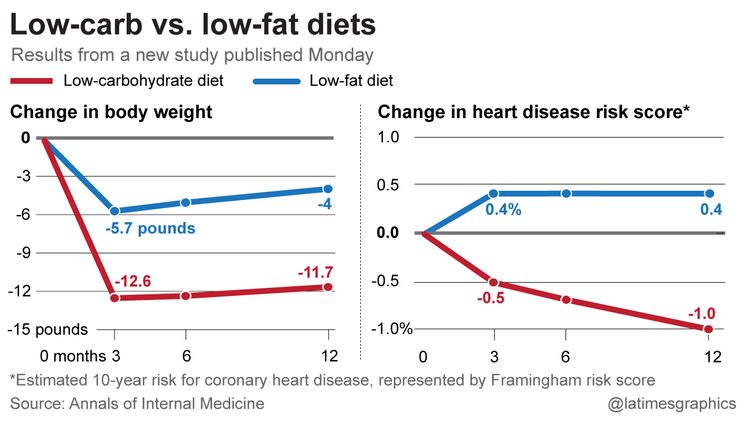
(Comparison of the effects of low carb and low fat on weight loss and heart disease)
One of the studies found that the ketogenic diet was 2.2 times more effective than a traditional low-fat diet in terms of weight loss, as well as significant improvements in other health aspects, such as good cholesterol and triglyceride levels.
Others have compared the traditional Diabetes Association recommended recipes to the ketogenic diet and found that the ketogenic diet was three times more effective in weight loss than the Diabetes Association's recommended diet.
Because of the characteristics of the ketogenic diet, the strict control of carbohydrate intake, the large amount of fat, the body begins to burn fat, with these conditions, the weight loss will be far more effective than other weight loss methods.
What's more, after burning fat, the body produces ketone bodies that fuel the body and the patient will feel more other benefits as the body adapts to the fat. The ketogenic diet also stabilises blood sugar and improves insulin sensitivity.
The relationship between the ketogenic diet and diabetes
Diabetes is a classic metabolic disease that results from consuming too many carbohydrates over a long period of time, creating insulin resistance and eventually leading to diabetes.
One study found that a ketogenic diet improved insulin sensitivity by up to 75% or more.
It was also found that after a ketogenic diet, 7 out of 21 patients with type 2 diabetes could no longer take medication such as insulin.
It was also found that 95.2% of people on a ketogenic diet reduced or stopped their diabetes medication, compared to 65% of the group on a low glycemic index diet (eating carbohydrates such as whole grains), so it's safe to say that ketogenic may work better than a low glycemic index diet.
Warning: There will be a mouse chart below, so if you are afraid of mice, just drag it through as soon as possible.
Other health benefits of the ketogenic diet
Apart from weight loss and reversing diabetes, there are many other health benefits of the ketogenic diet. For example, the ketogenic diet was initially used to treat epilepsy in children, and the results were very good.
In addition to this, the ketogenic diet is effective for many diseases.
Ketogenic diet for heart disease. The ketogenic diet can burn fat, increase HDL levels, lower blood pressure, blood sugar, etc. Studies have found that the ketogenic diet has a very good effect on heart disease.
Ketogenic diet for cancer. Ketogenic diet allows the body to use ketone bodies for energy. When the body runs out of glucose, cancer cells may not be able to survive because cancer cells need to eat glucose, and many people abroad have tried, using ketogenic diet to starve cancer cells and stop tumour growth. Starve cancer cells, cure cancer, and still have enough to eat. This foreigner is divine, and many experiments on animals, have found that the ketogenic diet works well.
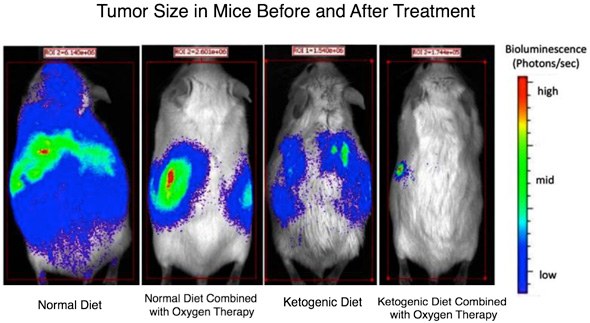
(Tumours become smaller after the ketogenic diet)
Ketogenic diet for Alzheimer's disease, ketogenic diet can improve Alzheimer's disease (Alzheimer's disease) and slow down the deterioration of the disease.
Ketogenic diet for epilepsy: When ketogenic started out, it was used to treat the symptoms of epilepsy in children. Studies have found that the ketogenic diet can significantly reduce the number of epileptic children.
Ketogenic diet for Parsons: A ketogenic diet can improve Parsons' disease.
Ketogenic diet for polycystic ovaries: Low carb relieves insulin resistance and lowers insulin levels, this is the main cause of polycystic ovary syndrome.
Ketogenic diet for brain injury: Some studies have found that a ketogenic diet can ease concussions and help the brain recover after a brain injury.
How do I eat ketogenic?
Many people love to ask, how do you eat low carb and how do you eat ketogenic?
Today I will tell you how you should eat ketogenic. First of all, foods that are high in carbohydrates are to be rejected.
What can't I eat ketogenic?
Sugary foods: sugary drinks, fruit juices, desserts, cakes, ice cream, sweets, etc.
Starchy staples: wheat, rice, pasta, other grains etc.
Fruits: almost all fruits with high sugar content, except for a small number of fruits such as blueberries.
Pulses or legumes: peas, kidney beans, lentils, chickpeas, etc.
Root vegetables and tubers: potatoes, sweet potatoes, yams, lotus greens, carrots, etc.
Low-fat processed foods: These low-fat, highly processed foods are usually high in carbohydrates.
Some sugary condiments or sauces.
Unhealthy fats: Limit your intake of refined vegetable oils, trans fats.
Alcohol: Most alcohol contains carbohydrates, and many alcoholic beverages will take you out of ketogenic status.
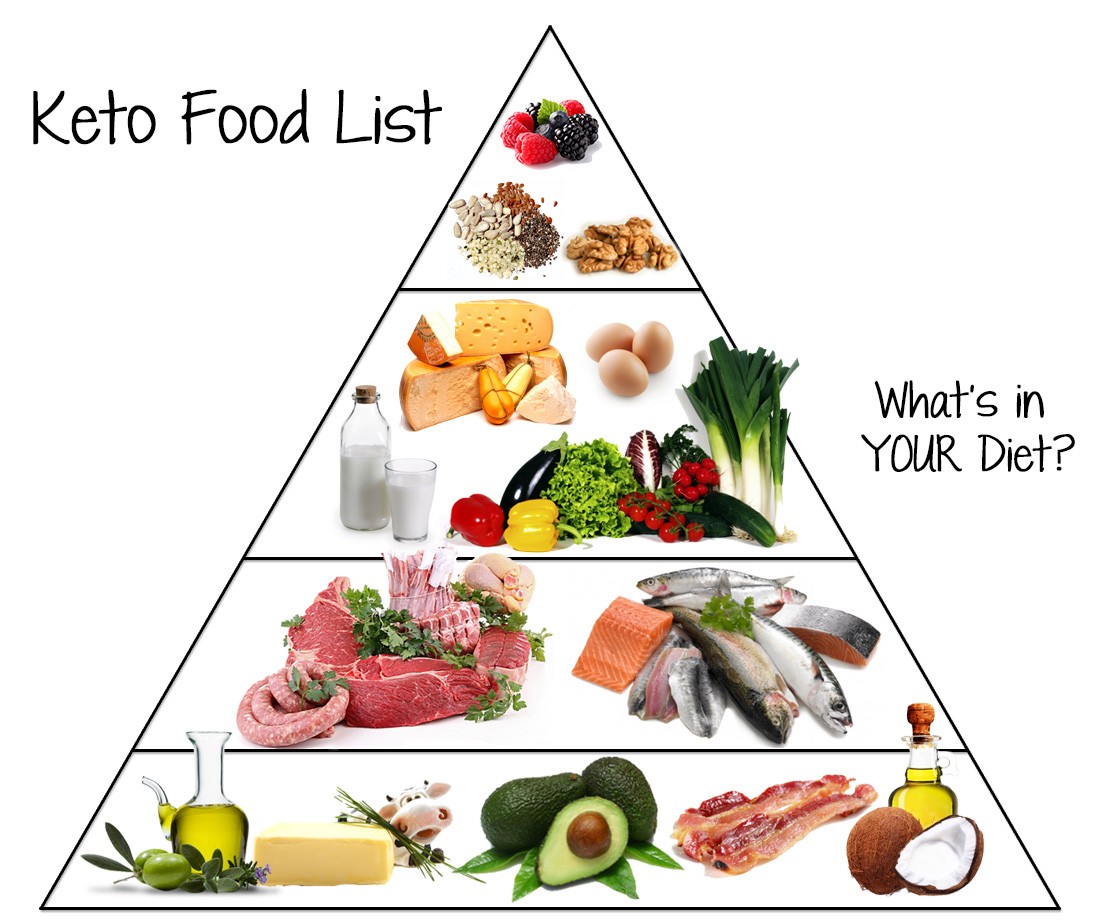
What can I eat on a ketogenic diet?
Meat: poultry such as chicken, red meat such as pork, fish, steak, bacon.
High-fat fish: such as salmon, trout, tuna and mackerel.
Eggs: preferably wild-raised, whole eggs rich in omega 3s.
Butter and cream: look for grass-fed butter where possible.
Cheese: unprocessed cheese (parmesan, cream, etc).
Nuts and seeds: almonds, walnuts, flaxseeds, pumpkin seeds, etc
Healthy oils: mainly extra virgin olive oil, coconut oil and avocado oil, animal oils.
Avocado: or avocado oil, avocado butter.
Low carb vegetarian vegetables: most greens, other vegetables that grow on the ground, for example, tomatoes, peppers, cucumbers etc. in moderation.
Condiments: You can use salt, pepper and a variety of healthy herbs and spices, sugar-free sauces.
Sweeteners: general sweeteners are not recommended, the best recognized sweetener is stevia stevia, healthy and effective, just add this if you want to eat sweet food, you can also add it to coffee, available at Lean Dragon microstore.
What snacks can I eat if I'm ketogenic?
Sugar-free beef jerky, and small dried fish
Fatty fish, meat
moderate amounts of nuts
Avocado
Celery sticks in avocado sauce
Moderate amount of high quality dark chocolate
Homemade unsweetened full fat yoghurt
Berries such as blueberries and raspberries
Have a poached egg
Some cheese cheese
Homemade fat fat bombs
On a ketogenic diet, you basically don't eat any processed foods, as all processed foods have the potential to put sugar in them, and you must eat fresh, real food.
How do I eat three meals a day on the ketogenic diet?
In fact, the recipes below are just a guide. It's best to have someone to guide you through the process, or to find keto diet plans that you can follow every day.
>>CLICK HERE TO HAVE SOME IDEAS FOR YOUR KETO DIET PLAN>>
Breakfast: eggs, bacon, assorted greens, mushrooms, olive oil, blueberries, some nuts, bulletproof coffee, or none at all.
Lunch: avocado salad with olive oil, shrimp salad, nut salad, boiled vegetables, stir fry.
Dinner: poultry, fish, red meat, various vegetables, stir-fry with coconut oil and olive oil, boiled vegetables.
No staple foods, roots, starchy foods, all these dishes, preferably with enough fat, olive oil, coconut oil, grass-fed butter, or avocado oil, nut oil, animal oil, etc. If you eat little else, it is possible to consume these fats directly, but they may be a little difficult to swallow.
What might you have to go through to go from high carb to ketogenic?
There are many, many things we have to go through to completely change our diet, and no one can do it in a day.
The average person will give up quickly after trying low carb for a while due to social demands, family opposition, personal psychology, inner uncertainty, indecision, hesitation, etc. They may try again after a while and most people just use low carb as a short term weight loss method rather than a diet structure.
The average person will go through several processes, at first they learn that low carb works, then they decide to try it at the drop of a hat, it works well, but then they become unwell, then they get scared, give up, resume the diet, gain weight again, try low carb again, and so on and so forth.
There is a long way to go from trying low carb, to accepting it, and finally making it your lifelong way of eating.
Other questions about the ketogenic diet
Can I go back to the diet later?
This is the most frequently asked question, what if I want to return to the diet? Actually, once you've got into ketogenics and you feel the benefits of being low carb, you probably won't ask this question again, it's just that you find the ketogenic diet so unbearable now and are worried that you can't possibly stay on this for the rest of your life.
Of course, you can eat carbs too, no problem. My advice is that once you reach your weight goal, it's better to eat as little refined carbs as possible, not in large quantities, not every day, and when you particularly want to, once or twice a week is not a big problem. Make sure you get the exercise you need to burn the carbs you consume.
Is it necessary to eat carbohydrates?
My advice, it depends on your personal needs, you can consume some carbohydrates intermittently in the early stages, after you get used to it, if you enjoy the ketogenic state, you don't need to consume it.
Will I lose muscle?
If you eat less, you may lose muscle. If you stick to strength training and eat enough, not only will you not lose muscle, but you will gain muscle, just consume enough protein, not a lot of protein.
How much protein do I need to eat?
If you want to be completely ketogenic, don't eat too much protein, just a moderate amount, try not to exceed 30%, protein also has an effect on insulin, which can affect ketogenic status.
Can I build muscle?
Of course you can, as I've shared with you before, a lot of muscular men are ketogenic practitioners. If you practice it, you too can become a man who looks lean but has meat off his shirt.
The ketogenic diet is certainly good for many dieters in terms of results alone, but there are many trials and tribulations that one has to go through during the process that are only really clear once one has tried it.
It's easy to go from high to low carb, but going from low carb to ketogenic may require a little more faith, or the ultimate pursuit of health, so if you don't have that need, just try to stay low carb.
Ketogenic is not for everyone, especially many young, uncontrollable dieters who can't control their appetite and are just so hard on themselves that they forget what they need, which is unreasonable.
If you don't have beliefs yourself and just want to lose weight fast, it may backfire. So, before practising the ketogenic diet, think about it, what are you doing it for? What concerns do you have? What should you do if you encounter a situation?
Well, that's it for this beginner's guide to ketogenic.
About the Creator
Enjoyed the story? Support the Creator.
Subscribe for free to receive all their stories in your feed.
Comments
There are no comments for this story
Be the first to respond and start the conversation.