
What Fintech Marketers Can Learn From This AI Search Case Study
How a budgeting app improved discovery by showing up where trust and comparison are now being shaped

Most budgeting apps are still chasing visibility as if discovery begins and ends on Google. This case suggests something more interesting: in personal finance, brands are increasingly judged long before a user lands on a homepage.
They are compared in public, interpreted by AI systems, and filtered through trust signals that many teams still fail to measure directly.
- This budgeting app needed stronger visibility not only in search, but across the public sources shaping AI-generated comparisons and recommendations.
- In just 3 days and with 30 engagements, the campaign improved page-one coverage and expanded tracked keyword visibility.
- The case also points to stronger brand context across AI-relevant cited pages, suggesting that citation architecture is becoming a practical growth lever.
- Not every detail is unpacked here on purpose. The original case study includes the full metric set, framing, and methodology note.
What if a budgeting app could improve brand discovery without relying on rankings alone?
That question sits underneath this CiteWorks Studio case study, and it is what makes the example worth reading beyond fintech.
The brand was operating in a category where trust matters, comparison matters, and recommendation-stage visibility increasingly shapes who gets considered.
In other words, the app was not just competing for clicks. It was competing for context.
What Changed in This Market
Budgeting apps used to live or die by familiar search behavior. A user typed in a category term, scanned a few results, and chose from a shortlist.
That still happens. But it is no longer the whole story.
Today, people researching personal finance tools move through a much messier discovery path. They look at rankings, yes, but they also consult reviews, creator roundups, community discussions, and AI-generated summaries that compress all of those public signals into one answer.
That means a brand can appear visible on the surface while still being underrepresented in the places that shape actual recommendations.
For trust-driven categories, that shift is not cosmetic. It changes where brands need to show up and how they need to be understood.
What the Brand Needed
According to the case study, this budgeting app did not simply need more keyword wins. It needed a better presence in the environments where real product consideration happens.
CiteWorks Studio framed the challenge through three ideas: comparative visibility, citation strength, and discovery presence.
Those phrases matter because they move the conversation beyond classic ranking reports.
In practical terms, the brand needed to show up more credibly in budgeting, expense tracking, recurring payment, and financial planning conversations.
It needed to become easier to encounter, easier to validate, and harder to ignore when users or AI systems compared options.
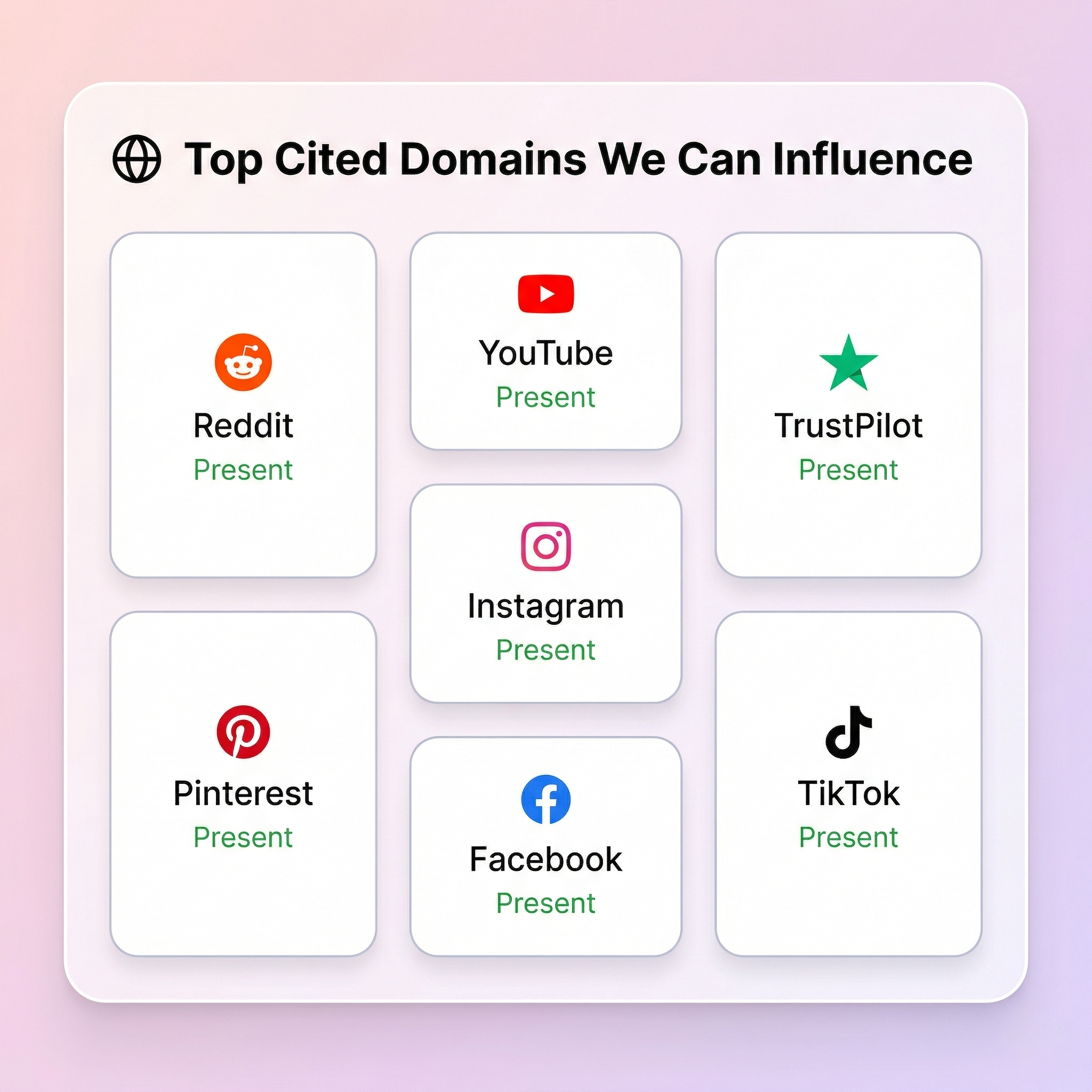
The full case study breaks down that challenge more directly, including how the category context shaped the strategy.
What CiteWorks Studio Did
The campaign itself appears to have been focused and deliberate rather than sprawling.
Instead of treating visibility like a pure SEO exercise, CiteWorks Studio concentrated on the public environments most likely to influence budgeting-app research.
The goal was to strengthen natural brand presence in the kinds of discussions and source pages that can affect both human comparison behavior and AI-generated answers.
That distinction is important. Search rankings still mattered, but they were treated as one outcome inside a broader discovery system.
The case study also makes clear that the work was aligned to intent-rich category themes rather than generic visibility for its own sake.
Budgeting, recurring payments, expense tracking, and adjacent planning queries all played a role in shaping how the brand could be surfaced.
For readers who want the full breakdown of the approach, the original case study is the better source.
Results From the Campaign
This is where the case study gets more interesting.
In just 3 days and across 30 engagements, the campaign produced an estimated $3,336.09 in monthly branded value while improving discoverability across both search and AI-influenced research environments.
The source is careful here: that value is directional, based on tracked keyword visibility and modeled paid-equivalent value. It is not presented as an exact attribution.
A few signals stand out immediately.
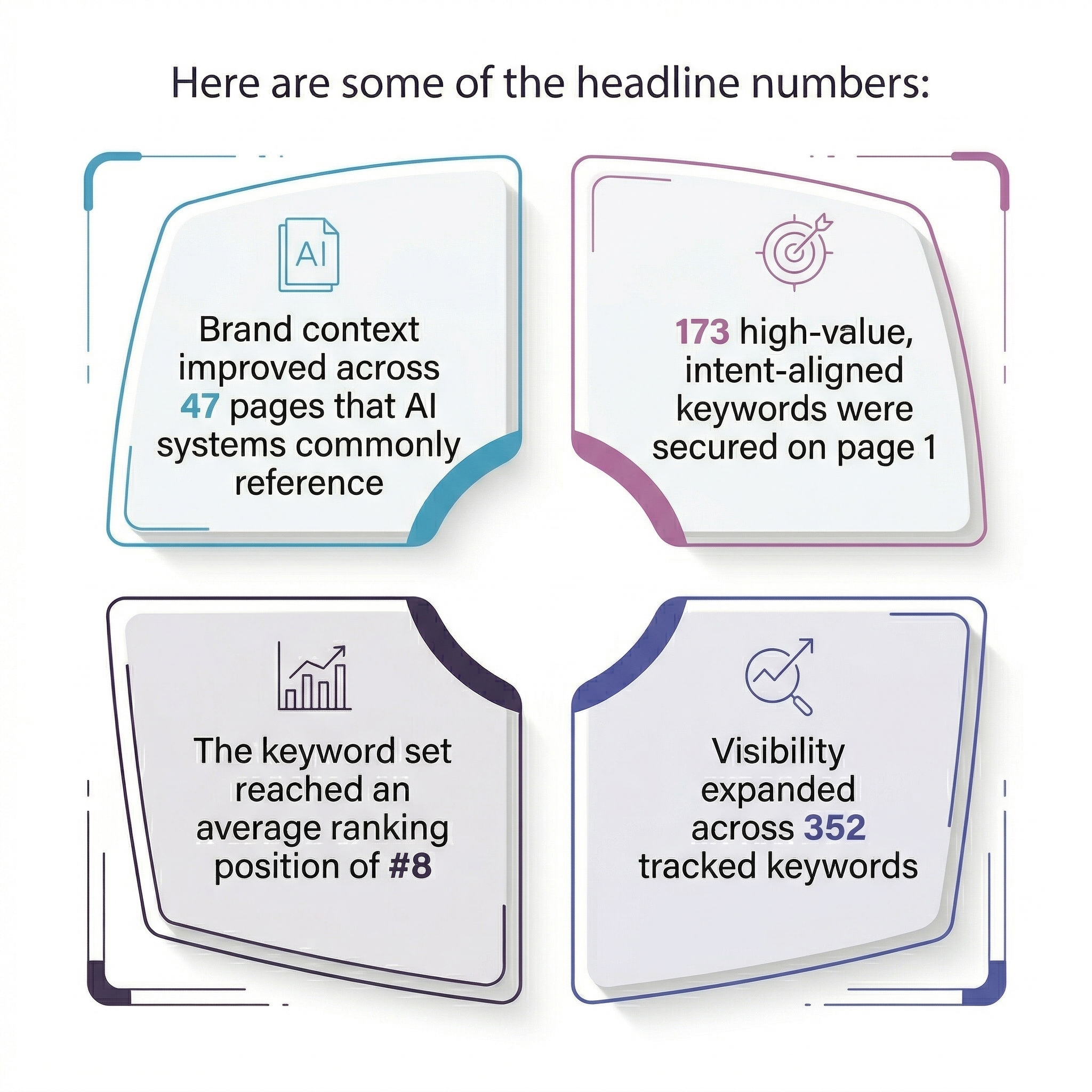
These numbers matter, but they are also more revealing when seen in the full context provided by the original source. The complete case study explains why these signals matter together, rather than as isolated wins.
Why This Matters for Fintech Marketers and Growth Teams
The real lesson is not that one budgeting app improved visibility.
It is that discovery now happens in layers.
A brand can rank. A brand can publish. A brand can even generate traffic. But if it is missing from the sources and discussions that shape AI-generated recommendations, it may still lose ground during the consideration phase.
That is why this case matters outside the budgeting-app niche. It suggests that marketers in trust-heavy categories should stop treating rankings as the full proxy for discoverability. Recommendation-stage visibility, citation strength, and public-source presence now deserve their own attention.
The deeper takeaway is simple: the brands most likely to win AI-shaped discovery are often the ones that are already well represented across the broader public web.
Key Definitions
AI Visibility
AI visibility is how often and how clearly a brand appears in AI-generated answers and recommendations.
It matters because many buyers now use AI tools during research, comparison, and shortlisting, not just traditional search.
AI Citation Intelligence
AI citation intelligence is the practice of tracking where AI systems appear to source information from and how often a brand shows up in those environments.
Commercially, it helps teams understand whether they are present in the public evidence layer shaping recommendations.
Citation Architecture
Citation architecture refers to the network of public sources, mentions, discussions, and pages that influence how AI systems interpret a brand or category.
Stronger citation architecture can improve how consistently a brand is represented when AI tools generate comparisons or summaries.
Generative Engine Optimization
Generative engine optimization is the practice of improving a brand’s presence in the sources and structures that AI systems use when building answers. Unlike traditional SEO, it is not only about ranking pages.
It is also about influencing retrieval, synthesis, and recommendation-stage visibility.
AI Share of Voice
AI share of voice measures how often a brand appears in AI-generated category answers relative to competitors. It matters because absence from recommendation sets can reduce consideration even when conventional search performance looks healthy.
About the Creator
Linda Villar
Data nerd turning complex metrics into compelling narratives. Exploring the 'how' and 'why' behind success stories.
Enjoyed the story? Support the Creator.
Subscribe for free to receive all their stories in your feed.
Comments
There are no comments for this story
Be the first to respond and start the conversation.