
What Daycare Do To Shape Positive Character Traits in Children
The following guest post covers important information about a leading daycare which help to shape positive character traits.
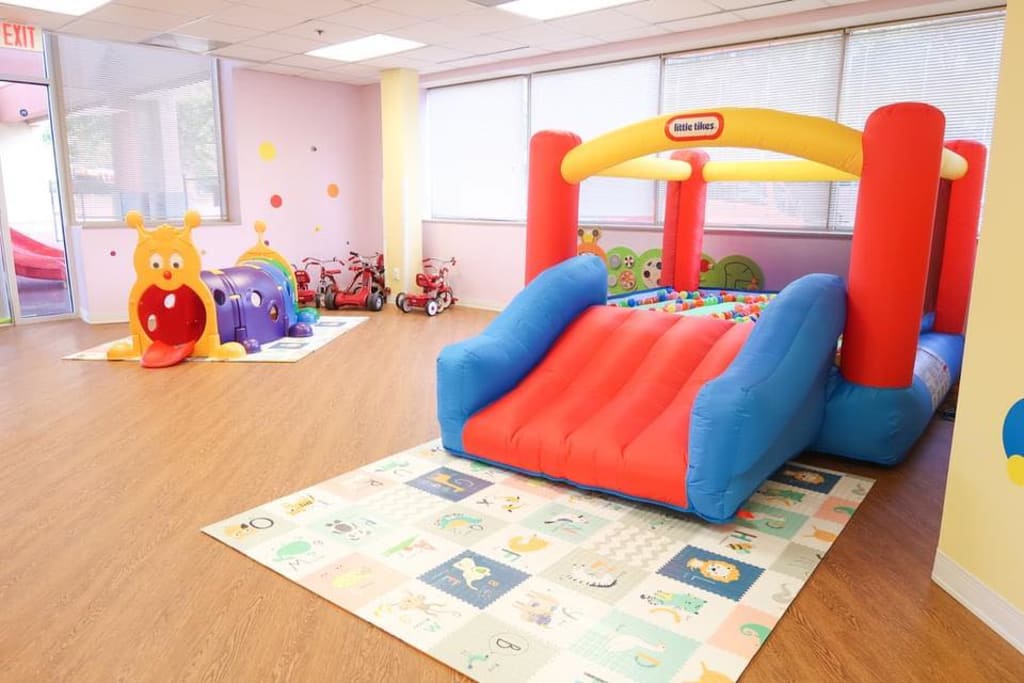
Daycare help families, that child care is an important feature for the young child development process. In so doing, it offers a format in which the youngsters can develop and be nurtured during those instances reckoned by their parents as unproducible time to child-look after themselves. Besides ensuring the provision of a safe haven for kids, the daycare center has the following responsibilities of nurturing habits that will be instrumental in the moral development of kids throughout lifecycle.
1. Building Social Skills and Cooperation
Another advantage of having children attend daycare services is the socialization that the child gets from playing with other children. They assist children into fixing critical social relationships that are useful in developing positive attributes in character. Here’s how Daycare Fairfax VA supports this development:
Teamwork: Children are taught the important lesson on how to share and cooperate by participating in group tasks of building blocks or toys. This helps in teaching children how to share with other children and how all the children in a certain group can work together.
Conflict Resolution: In a daycare setting, disagreements are inevitable. Children are often encouraged to resolve conflicts through dialogue, learning to compromise and find peaceful solutions. This teaches them patience and the importance of fairness.
Communication: Daycare settings provide numerous opportunities for children to practice their communication skills, whether it’s asking for help, expressing feelings, or making friends. Good communication is fundamental for developing self-confidence and respect for others.
2. Teaching Empathy and Emotional Understanding
Daycare in Vienna VA provide a rich emotional environment where children learn to identify and manage their own feelings while also being attuned to the emotions of others.
Empathy Building: Caregivers and teachers often model empathetic behavior by comforting children who are upset or encouraging others to share a toy with a sad peer. This helps children develop an understanding of how others might feel, and they begin to internalize the importance of being kind and considerate.
Emotional Regulation: Children in daycare learn how to navigate different emotions, such as anger, frustration, and sadness. Teachers guide children in expressing their emotions constructively, rather than through tantrums or aggressive behavior.
Social Awareness: Through group activities and play, children develop an understanding of social norms and the impact of their actions on others. This awareness fosters a sense of responsibility toward others, which is key to building traits like kindness and respect.
3. Encouraging Responsibility and Independence
In daycare, children are often given small responsibilities that help them develop a sense of independence and accountability.
Personal Care: Simple tasks such as putting on their coat, cleaning up toys, or washing hands after using the bathroom help children take responsibility for their own actions. These small but significant tasks foster self-reliance and a sense of achievement.
Decision Making: Daycare teachers encourage children to make choices, such as deciding which activity to engage in or which book to read. This helps children understand that their decisions have consequences and allows them to experience the process of making informed choices.
Routine Building: Daycare often involves a structured daily routine that children are encouraged to follow. This structure teaches them about time management, responsibility, and the importance of consistency.
4. Instilling Respect for Others
Respect is one of the most important character traits that children learn in daycare. The daycare environment offers various opportunities for children to understand the importance of respecting others, whether they are peers, teachers, or their environment.
Respecting Authority: Children are taught to listen to their caregivers and follow rules. This helps them learn the importance of respecting authority figures in their lives, which can have long-term benefits in school and later in their careers.
Respect for Differences: Daycare centers are often diverse environments, where children are exposed to peers from different cultural, racial, and socio-economic backgrounds. This promotes tolerance and teaches them to appreciate differences, fostering an inclusive mindset.
Respecting Property: By sharing toys and equipment, and taking care of their belongings, children learn the value of respecting property and maintaining a clean environment. This respect for personal and public property can translate into a strong sense of responsibility as they grow older.
5. Promoting Resilience and Adaptability
Life is full of challenges, and daycare plays an important role in helping children develop resilience—the ability to bounce back from setbacks. Children at daycare are often encouraged to tackle tasks that may initially seem difficult, helping them build a strong sense of perseverance.
Overcoming Challenges: Daycare presents children with new experiences that may be unfamiliar or challenging, such as learning a new game or trying out a new activity. By successfully navigating these challenges, children build confidence and resilience, learning that they can succeed even when things are difficult.
Coping with Change: Daycare environments often require children to adjust to new routines or unfamiliar situations. This helps children develop the ability to adapt to change, which is a key element of resilience.
Encouraging a Growth Mindset: Teachers often use positive reinforcement to praise effort rather than just success. This encourages children to understand that mistakes are part of the learning process and fosters a mindset that embraces challenges rather than shying away from them.
6. Fostering Kindness and Gratitude
Daycare Burke VA promote kindness and gratitude through everyday interactions and activities. By encouraging positive behaviors, children learn how to be considerate, helpful, and appreciative.
Acts of Kindness: Teachers encourage children to participate in activities that promote kindness, such as helping a peer or thanking someone. This teaches children that small acts of kindness can make a big difference in the lives of others.
Gratitude Practices: Some daycare centers incorporate gratitude into their daily routine, such as sharing what they are thankful for or giving compliments. This helps children appreciate the positive things in their lives and understand the importance of expressing gratitude.
Modeling Behavior: Caregivers and teachers model respectful and kind behavior by showing consideration for others. Children often mimic these actions, learning that kindness is a desirable and rewarding character trait.
From building social skills and empathy to fostering resilience and curiosity, daycare plays a pivotal role in shaping a child's character. Through consistent guidance and support, daycare providers help children become well-rounded individuals with the tools to thrive in an ever-changing world.
About the Creator
Enjoyed the story? Support the Creator.
Subscribe for free to receive all their stories in your feed.
Comments
There are no comments for this story
Be the first to respond and start the conversation.