
What Are the Warning Signs of an Allergic Reaction, and How Do You Respond?
Warning Signs of an Allergic Reaction

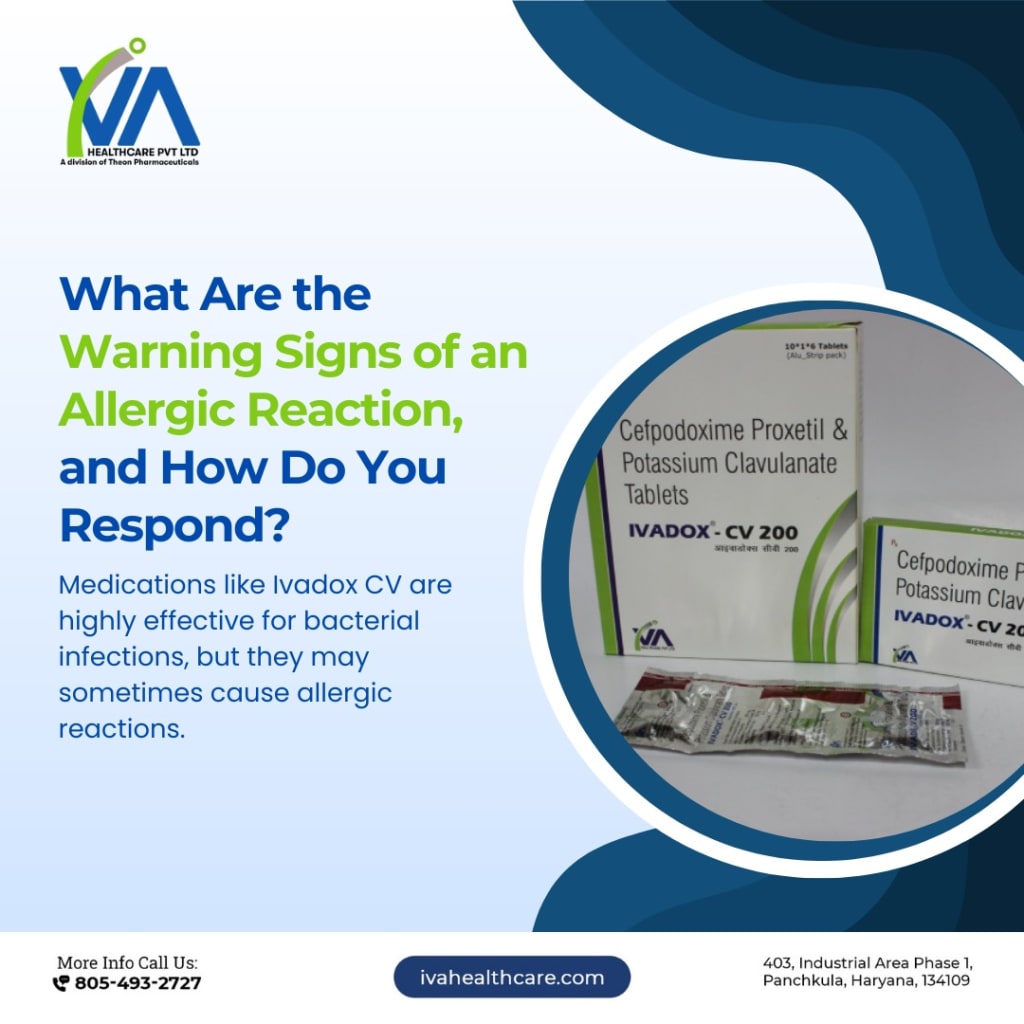
Allergic reactions occur when your immune system overreacts to something harmless, such as certain foods, pollen, medications, or insect bites. These substances, known as allergens, can trigger symptoms ranging from mild to life-threatening. Knowing the warning signs of an allergic reaction and how to respond can help prevent complications and save lives.
This article will guide you through:
Common warning signs of allergic reactions
Steps to respond effectively
The role of medications like Ivadox CV 200
What Are the Common Warning Signs of an Allergic Reaction?
Allergic reactions can show up differently in every person. Some people experience mild symptoms, while others might face severe, life-threatening reactions called anaphylaxis. Here are the most common warning signs:
1. Skin Symptoms
Rashes or hives (red, itchy bumps)
Swelling, especially around the eyes, lips, or face
Itchy or flaky skin (may worsen eczema)
2. Respiratory Symptoms
Sneezing
Runny or blocked nose
Difficulty breathing or shortness of breath
Wheezing or coughing
3. Digestive Symptoms
Stomach pain
Nausea or vomiting
Diarrhea
4. Severe Symptoms (Anaphylaxis)
Swelling of the throat or tongue
Difficulty speaking or swallowing
Rapid heartbeat
Dizziness or fainting
A sense of impending doom
Important: Anaphylaxis is a medical emergency. Call emergency services immediately if you notice these signs.
How Do You Respond to an Allergic Reaction?
Step 1: Identify the Allergen
Try to figure out what caused the reaction. It could be a specific food, a medication like antibiotics, insect bites, or environmental triggers.
For example, if you suspect a medication like Ivadox CV 200 caused the reaction, stop taking it and inform your doctor immediately.
Step 2: Remove the Allergen
If it’s a food allergen, avoid eating anything more.
If it’s a skin irritant like a lotion, wash the area with water.
For insect stings, remove the stinger carefully.
Step 3: Treat Mild Reactions
Mild symptoms such as sneezing, rashes, or itching can often be managed at home:
Use over-the-counter antihistamines to reduce symptoms.
Apply a cold compress to itchy or swollen areas.
Keep the affected area clean and avoid scratching to prevent infection.
Step 4: Seek Medical Help for Severe Reactions
If symptoms worsen or anaphylaxis occurs:
Use an epinephrine auto-injector (if available).
Call emergency services immediately.
Stay calm and lie down while waiting for help to arrive.
Why Do Allergic Reactions Happen?
Allergic reactions occur because the immune system mistakenly identifies a harmless substance as a threat. The body then produces antibodies to fight the allergen, releasing chemicals like histamine that cause symptoms.
Common Allergens to Watch For
1. Food Allergies
Nuts, shellfish, milk, eggs, wheat, and soy are common triggers.
2. Medications
Antibiotics, including penicillin and others, can cause reactions.
In some cases, medications like Ivadox CV (a combination antibiotic) might be associated with allergic responses. Always inform your doctor about allergies before starting a new medication.
3. Environmental Triggers
Pollen, dust mites, mold, and animal dander can cause respiratory symptoms.
4. Insect Bites or Stings
Bees, wasps, and ant bites may lead to swelling and, in severe cases, anaphylaxis.
How Can Medications Like Ivadox CV 200 Help?
Ivadox CV 200 is a combination antibiotic used to treat infections caused by bacteria. While it is effective for conditions such as respiratory or urinary tract infections, it may occasionally cause side effects, including allergic reactions. If you suspect an allergy to this medication:
Stop using it immediately.
Contact your doctor for alternative treatment options.
Always follow prescribed dosages and inform your healthcare provider about previous allergies.
Tips to Prevent Allergic Reactions
1. Avoid Known Allergens
Learn about your triggers and avoid them. For example, read food labels carefully if you have food allergies.
2. Inform Your Healthcare Provider
Before taking medications like Ivadox CV, inform your doctor about any history of allergies.
3. Carry Emergency Medications
If you have severe allergies, always carry an epinephrine auto-injector.
4. Strengthen Your Immune System
Eat a healthy diet, stay hydrated, and get enough sleep to improve your overall immunity.
5. Educate Yourself and Others
Teach your family or friends how to recognize symptoms and use emergency medications like epinephrine.
Allergic Reactions and Children
Children often experience allergies from food, insect bites, or pollen. Watch for the following:
Persistent sneezing or coughing
Skin rashes or eczema flares
Difficulty breathing
Parents should take extra care to monitor and address symptoms early. Always inform schools or caregivers about your child’s allergies and provide them with necessary medications.
When to See a Doctor
If symptoms persist or worsen despite home treatment.
If you experience difficulty breathing or swelling in the throat.
If you suspect a medication allergy to something like Ivadox CV 200.
Conclusion
Allergic reactions can range from mild skin rashes to life-threatening anaphylaxis. Recognizing the warning signs early and knowing how to respond can make a big difference. Medications like Ivadox CV are highly effective for bacterial infections, but they may sometimes cause allergic reactions. Always consult a doctor to ensure safe usage and to address any concerns about allergies.
Stay informed, take precautions, and don’t hesitate to seek medical help when needed. Allergies may seem scary, but with the right knowledge and quick action, they can be effectively managed.
About the Creator
IVA Health Care
At IVA Healthcare, we aim to transform how medicines reach people by introducing our PCD Pharma Franchise model. We want to bridge the gap between pharmaceutical companies and consumers.
Enjoyed the story? Support the Creator.
Subscribe for free to receive all their stories in your feed.
Comments
There are no comments for this story
Be the first to respond and start the conversation.