
What are The Sources of Lead at a Construction Site?
Sources of Lead at a Construction Site


Construction projects are a key part of shaping modern infrastructure, but they also pose potential risks. One such risk is exposure to hazardous materials, like lead. Lead exposure remains a serious concern, particularly in older buildings and construction sites, where lead-based materials are still present. If not properly managed, such exposure can have serious health consequences.
To mitigate risks and ensure that accurate planning takes place on a project construction estimating services in Texas help to identify the hazards involved and factor them into project costs and safety strategies.
1. Understand Lead and its Health Risks.
Lead is a potent neurotoxin that has been a significant health concern across various industries, and construction sites are no exception. Despite efforts to regulate and limit its use, lead can still be found in numerous forms at construction sites, creating risks for workers and the surrounding environment.
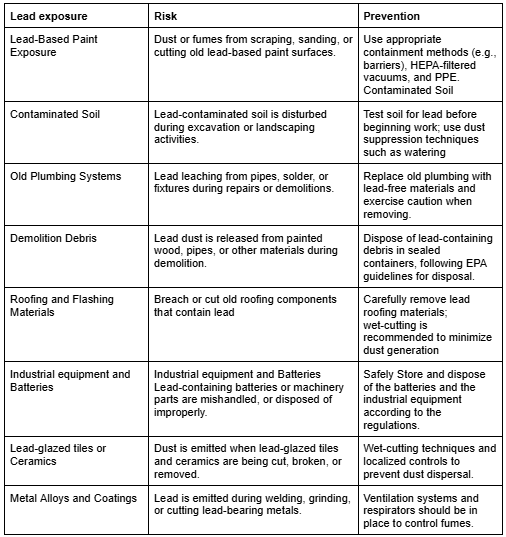
1.1. Lead-based Paint
Lead-based paint is one of the most significant sources of lead exposure on construction sites. It was extensively applied in homes and commercial entities before it was prohibited in the United States in 1978.
Whenever it is being removed from an establishment during remodeling or demolition purposes, paint coatings are agitated with scraping, grinding, or sawing and potentially release toxic lead dust. The threat is greater whenever the building to be developed is older as it has leads-based paints on its walls, roofs, and other surfaces.
1.2. Contaminated Soil
The other significant source of lead exposure in construction sites is soil contamination. Lead particles can be deposited in the soil through industrial activities, degradation of lead-based paints, or past use of leaded gasoline.
Once the contaminated soil is disturbed through excavation, grading, or landscaping during construction activities, lead particles become airborne and increase the risk of inhalation or ingestion.
1.3. Old Plumbing System
Lead was a common material used in plumbing systems before its health risks were well understood. Older buildings contain lead pipes, solder, or fittings that can leach lead into water supplies.
These materials can release lead particles into the air or surrounding environment during repairs, replacements, or demolitions.
1.4. Roofing and Flashing Materials
Lead was used generally in roofing materials, including flashings and gutters as it is strong and leads to resistance to corrosion. When these materials are disturbed or replaced during construction; they break down and, therefore, lead into the surrounding environment. Workers should also handle these components with maximum care to avoid exposure to lead.
1.5 Demolition of Waste and Debris
Demolition projects will generate large quantities of debris containing lead in paint, including painted wood, pipes, and window frames. This debris may easily spread lead dust or particles to the air when not well handled. Other environmental hazards might be caused by improper disposal of lead-contaminated materials.
1.6. Industrial Equipment
Construction sites contain heavy equipment and machinery, among which components may contain lead, for example, batteries. Incorrect handling or improper disposal leads to exposure to these products. Workers have to exercise caution when they are using or disposing of items containing lead.
1.7. Glazed Tiles and Ceramics
Older tiles and ceramics may also have lead-based glazes for aesthetic or functional purposes. Cutting, breaking, or removing these materials during construction may release hazardous lead dust.
1.8. Metal Alloys and Coatings
Lead is sometimes used in metal alloys or protective coatings utilized in construction materials. An example is when lead is added to some structural components to add strength. Welding, cutting, or grinding these materials can create lead fumes or particles.
2. Risk and Prevention of Lead Exposure
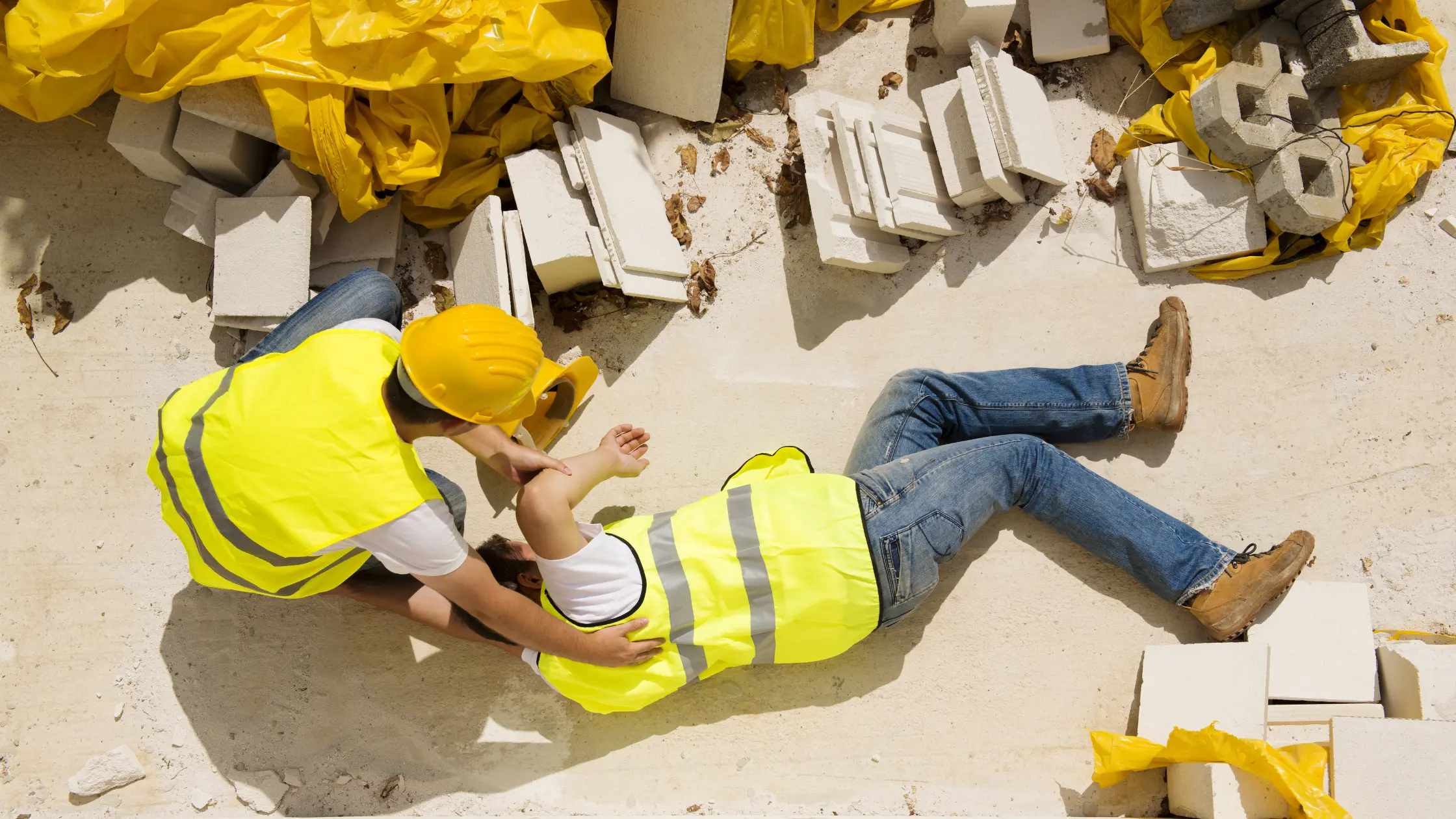
Lead exposure on construction sites poses serious risks to worker health and safety. From old paint and plumbing to contaminated soil and roofing materials, lead can be released into the environment through various construction activities.
The common risks associated with lead on construction sites and their prevention practices are given below.
3. Legal and Regulatory Aspects
Lead exposure in the construction industry is strictly regulated. Companies have to adhere to the standards outlined by:
OSHA (Occupational Safety and Health Administration): Enforces permissible exposure limits and safety practices.
EPA (Environmental Protection Agency): Leads the lead-safe work practice, especially for buildings made before 1978.
Local Authorities: Lead testing, removal, and disposal might have more demands.
4. Conclusion
Construction sites could contain multiple sources of lead, including older paint, plumbing systems, contaminated soil, and e0ven demolition debris. Lead exposure poses some serious health threats to both workers and community members nearby, so there is a need to identify the hazards that exist and address them as effectively as possible. Effective site assessments, dust control measures, proper training for workers, and proper equipment for them could all work together to produce safer sites.
It is not only a statutory requirement but also a moral obligation to manage sources of lead exposure that would impact the health and well-being of those connected with the construction process. Taking proactive steps toward ensuring the management of lead hazards will ensure safer projects and a healthier outcome for all involved.
About the Creator
Enjoyed the story? Support the Creator.
Subscribe for free to receive all their stories in your feed.
Comments
There are no comments for this story
Be the first to respond and start the conversation.