
What Are the Most Effective Natural Remedies for Common Ailments Like Headaches, Cold, Skin Issues, and Digestive Health?
Natural Remedies for Common Ailments
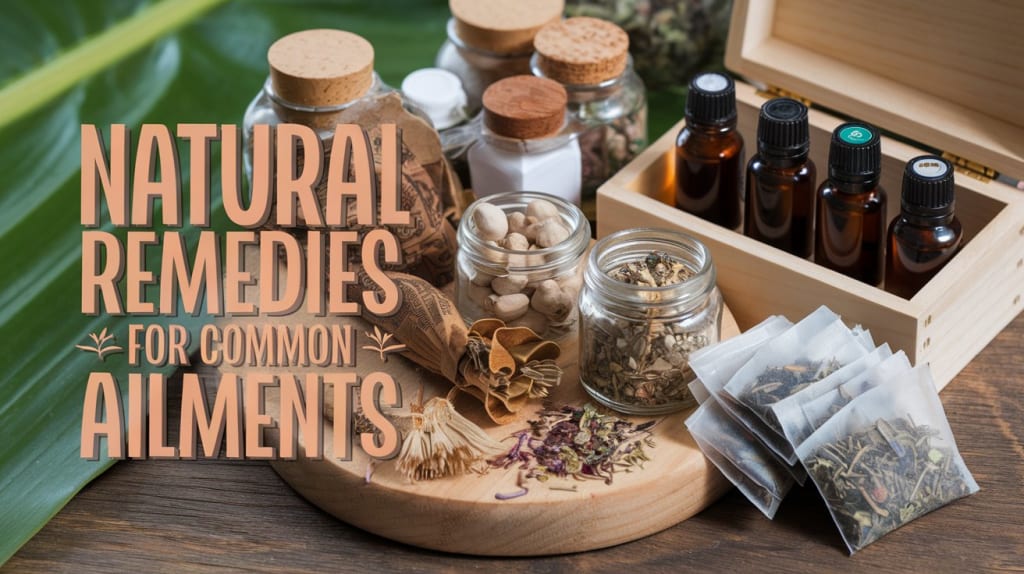
Introduction:
We’ve all been there. The dreaded headache that feels like your brain is throbbing, the sniffles and sneezes that won’t quit, a stomach that's unhappy with last night’s questionable dinner, or a skin irritation that appears out of nowhere. While the first instinct might be to rush to the medicine cabinet, many of these everyday ailments can be treated naturally. Yes, Mother Nature has your back! From herbal teas to essential oils, the world of natural remedies is packed with options that are effective, affordable, and simple to use. In this blog, we’ll walk through some of the most effective natural remedies for common health problems like headaches, colds, skin irritations, and digestive issues. Ready to get started? Let’s dive in!
1. Headaches: Natural Solutions
Headaches come in all shapes and sizes, from the dull throb that nags at the back of your skull to the full-on pounding sensation that feels like a jackhammer in your brain. If you're tired of reaching for that bottle of ibuprofen, here are some natural remedies you can try to soothe the pain.
a. Hydration Is Key
One of the simplest and most effective remedies for headaches is proper hydration. Our bodies are made up of about 60% water, and when we get dehydrated, it’s like running a car with low oil. A headache is often one of the first signs your body gives you when you’re not drinking enough water. To fix this, try drinking a tall glass of water and continue sipping throughout the day. Herbal teas, like peppermint or chamomile, can also help, especially if you're bored with plain water.
b. Peppermint and Lavender Oils
Peppermint oil is famous for its cooling sensation and its ability to boost blood flow. By rubbing a few drops on your temples and the back of your neck, you can alleviate the tension that builds up and leads to headaches. Lavender oil is another excellent remedy, particularly for stress-related headaches. Inhaling the soothing scent of lavender can relax your muscles and reduce headache pain. You can also add a few drops to your pillow or diffuse it in your room.
c. Stretching and Exercise
Tension headaches are often caused by tight muscles in your neck and shoulders. Gentle stretches that focus on releasing tension in these areas can make a big difference. Yoga, especially poses that stretch the neck and upper back, can be particularly effective. Regular physical activity helps keep blood flowing properly, reducing the likelihood of headaches. If you feel a headache coming on, try taking a brisk walk in the fresh air.
d. Ginger Tea for Inflammation
Ginger is a well-known anti-inflammatory that can help reduce headache symptoms, especially migraines. You can brew fresh ginger tea by slicing some ginger root and boiling it in water, or buy ginger tea bags from your local grocery store. Not only does ginger help with headaches, but it can also settle an upset stomach, which is a common companion to severe headaches.
2. Natural Remedies for Cold and Flu Symptoms
Catching a cold or the flu is never fun. The sneezing, coughing, congestion, and overall fatigue can knock you out for days. But before you go for that over-the-counter cold medication, you might want to try some natural remedies that can relieve your symptoms and speed up recovery.
a. Honey and Lemon for Sore Throat
One of the classic remedies for a sore throat is a mixture of honey and lemon. Honey has natural antibacterial properties and can soothe the throat, while lemon provides a dose of vitamin C to help boost your immune system. Mix a tablespoon of honey with the juice of half a lemon in a cup of warm water. Sip slowly for immediate relief.
b. Steam Inhalation
If your sinuses are clogged, steam inhalation can work wonders. Fill a bowl with hot water, drape a towel over your head, and lean over the bowl, inhaling the steam. The heat will help loosen mucus and clear your nasal passages. Adding a few drops of eucalyptus oil to the water can enhance this remedy, as eucalyptus has antibacterial and antiviral properties that can fight cold and flu symptoms.
c. Garlic for Immunity
Garlic is a powerful natural antibiotic and antiviral. Eating raw garlic may not sound like the most appealing option, but it's incredibly effective in fighting off cold and flu viruses. If raw garlic is too much for you, try adding crushed garlic to your soups or stews. You can also make garlic tea by crushing a clove of garlic, adding it to boiling water, and drinking it after straining.
d. Elderberry Syrup
Elderberry has been used for centuries as a remedy for cold and flu symptoms. Research shows that it can reduce the severity and duration of colds by boosting the immune system. You can find elderberry syrup at most health food stores or make your own by simmering dried elderberries with water, honey, and spices like cinnamon and cloves.
3. Skin Irritations and Solutions
From rashes to eczema, skin irritations can be both unsightly and uncomfortable. Luckily, nature offers several remedies that can help soothe and heal irritated skin without harsh chemicals.
a. Aloe Vera for Burns and Rashes
Aloe vera is known as the “burn plant” for a reason. Its gel-like substance is packed with anti-inflammatory and healing properties. If you have a minor burn, rash, or other skin irritation, applying fresh aloe vera gel can cool and soothe the affected area. It’s especially effective for sunburns, providing immediate relief from heat and redness. You can either buy aloe vera gel or break off a leaf from an aloe vera plant and apply the gel directly to your skin.
b. Oatmeal Baths for Itchy Skin
If you're dealing with dry, itchy skin, an oatmeal bath might be just what you need. Oats have anti-inflammatory properties and can help moisturize and soothe irritated skin. To prepare an oatmeal bath, simply grind a cup of plain oats into a fine powder and sprinkle it into your bathwater. Soak in the tub for 15 to 20 minutes to relieve itching from conditions like eczema or poison ivy.
c. Tea Tree Oil for Acne
Tea tree oil is a natural antiseptic that can help reduce acne by killing bacteria on the skin. It’s a great alternative to harsh chemical treatments that can leave your skin dry and flaky. Apply a drop of tea tree oil directly to blemishes using a cotton swab. Be careful not to overuse it, as tea tree oil is potent and can cause irritation if used in excess.
d. Coconut Oil for Moisturizing
Coconut oil is a favorite for natural skincare enthusiasts because it’s a great moisturizer. If you have dry, flaky skin, try applying a thin layer of coconut oil after you shower. It locks in moisture, leaving your skin soft and hydrated. Plus, it has antibacterial properties that can help with minor skin infections.
4. Digestive Health and Remedies
We've all experienced digestive issues at some point, whether it’s bloating, indigestion, or heartburn. Instead of turning to antacids and over-the-counter remedies, consider these natural options that can help improve your digestive health.
a. Ginger for Nausea and Indigestion
Ginger is one of the best-known remedies for nausea and indigestion. It has been used for centuries to treat digestive problems. You can consume ginger in many forms, including fresh, powdered, or as tea. To make ginger tea, simply steep fresh ginger slices in hot water for 10-15 minutes and drink it slowly. Ginger’s anti-inflammatory properties can also help reduce bloating and gas.
b. Peppermint for Gas and Bloating
Peppermint oil is a natural muscle relaxant, which can help relieve gas and bloating by calming the muscles in your digestive tract. Drinking peppermint tea after meals can help ease digestion and prevent uncomfortable bloating. You can also take peppermint oil capsules, which are available at most health food stores.
c. Apple Cider Vinegar for Heartburn
Heartburn happens when stomach acid flows back into your esophagus, causing a burning sensation in your chest. Apple cider vinegar, though acidic, can help balance the acid levels in your stomach and prevent heartburn. Try mixing a tablespoon of apple cider vinegar in a glass of water and drinking it before meals to prevent heartburn from occurring. Be sure to use organic, unfiltered apple cider vinegar for the best results.
d. Fennel Seeds for Digestive Cramps
Fennel seeds are often used as a digestive aid in many cultures. They help relax the muscles of the gastrointestinal tract, which can reduce cramps and bloating. Chewing on a teaspoon of fennel seeds after meals can promote healthy digestion and prevent uncomfortable stomach cramps. You can also brew fennel tea by steeping a teaspoon of crushed fennel seeds in hot water.
5. Chamomile: The All-Purpose Calming Herb
Chamomile has been a favorite remedy for centuries and for good reason. It’s like the Swiss Army knife of herbs—whether you need help calming your mind, soothing an upset stomach, or even treating skin issues, chamomile has got your back.
a. Chamomile for Stress and Anxiety
If you’re feeling anxious or overwhelmed, chamomile is a great natural remedy to calm those nerves. The calming effects of chamomile are largely due to an antioxidant called apigenin, which binds to specific receptors in your brain that help decrease anxiety and initiate sleep. Chamomile tea is often recommended before bed for this reason—it’s like a natural lullaby in a cup! A warm mug of chamomile tea helps relax your mind, making it easier to wind down after a stressful day. Not only does it reduce anxiety, but it also promotes a feeling of tranquility without the grogginess you might get from medications.
b. Chamomile for Digestive Troubles
Chamomile isn't just for calming your mind—it’s great for calming your tummy, too! It has antispasmodic properties, which means it can help relax the muscles in your digestive system. This is particularly useful if you're dealing with bloating, indigestion, or an upset stomach. Drinking chamomile tea after a heavy meal can aid digestion and prevent cramping. In fact, it’s been used for centuries as a remedy for gastrointestinal discomfort, and recent studies support its effectiveness in reducing symptoms of irritable bowel syndrome (IBS).
c. Chamomile for Skin Care
Got irritated skin? Chamomile can help with that too! Its anti-inflammatory and antioxidant properties make it a great remedy for conditions like eczema, psoriasis, and rashes. You can apply chamomile in the form of creams or ointments, or even soak a chamomile tea bag in warm water and place it on the irritated area. Its soothing qualities can reduce redness and irritation, speeding up the healing process. It's no wonder chamomile is a popular ingredient in natural skincare products.

6. Honey’s Healing Power: From Sore Throats to Wounds
Honey is one of nature’s true wonders. Not only is it delicious, but it also boasts an impressive range of healing properties that go way beyond a sweetener for your tea. Honey has been used for thousands of years in both food and medicine, and for good reason!
a. Honey for Sore Throats and Coughs
One of honey’s most well-known uses is as a remedy for sore throats and coughs. Thanks to its natural antimicrobial properties, honey can soothe a raw, scratchy throat and help reduce coughing. Its thick, syrupy consistency coats the throat, providing instant relief. Honey is also known to help suppress coughs, making it a popular ingredient in many homemade or over-the-counter cough syrups. The next time you’re dealing with a sore throat or an annoying cough, try mixing a spoonful of honey with warm water or tea and sipping it slowly.
b. Honey for Wound Healing
Believe it or not, honey has been used as a wound healer for centuries, and modern science backs this up. Honey contains hydrogen peroxide, which has antibacterial properties that can help cleanse wounds and prevent infection. It also keeps the wound moist, which is essential for healing, while forming a protective barrier over the skin. Applying raw, unpasteurized honey to minor cuts, scrapes, and burns can speed up the healing process and reduce the risk of infection.
c. Honey for Skin Health
Honey isn’t just great for your throat or wounds—it’s also a fantastic skincare ingredient. It’s a natural humectant, meaning it draws moisture from the air into your skin, keeping it hydrated and soft. Honey’s antibacterial properties can also help with acne by reducing the bacteria that cause breakouts. You can make a simple face mask by mixing honey with a bit of yogurt or lemon juice and applying it to your skin for 15-20 minutes. Your skin will feel nourished, and you’ll get a lovely glow!
7. The Power of Ginger: From Headache to Digestive Relief
Ginger isn’t just a spice to add a kick to your meals; it’s a powerful natural remedy with a host of health benefits. This knobby little root has been used for thousands of years in traditional medicine, and today, it's recognized as one of the most effective natural remedies for a wide variety of ailments.
a. Ginger for Digestive Issues
Ginger is a superstar when it comes to soothing digestive problems. If you’ve ever experienced nausea, motion sickness, or indigestion, ginger is your go-to remedy. It works by speeding up the emptying of your stomach, which can help with bloating and discomfort. It also helps stimulate digestive juices, making it easier for your body to break down food. You can chew on a small piece of fresh ginger, drink ginger tea, or even take ginger capsules to ease digestive issues.
b. Ginger for Headaches and Migraines
Ginger’s anti-inflammatory properties make it an excellent natural remedy for headaches, including migraines. Studies have shown that ginger can reduce the severity and frequency of migraines when taken at the onset of symptoms. You can make a simple ginger tea by boiling fresh ginger slices in water or adding a pinch of powdered ginger to a smoothie. Some people also like to use ginger oil to massage their temples and neck when they feel a headache coming on.
c. Ginger for Cold and Flu Symptoms
When cold and flu season strikes, ginger can help you feel better faster. Its anti-inflammatory and antimicrobial properties can boost your immune system, helping your body fight off infections. Ginger tea is a popular remedy for soothing sore throats, reducing congestion, and easing body aches. Plus, it helps keep you hydrated, which is important when you're feeling under the weather.
8. Apple Cider Vinegar: The Natural Antacid for Heartburn
Apple cider vinegar (ACV) has long been hailed as a natural health tonic. It’s packed with enzymes, vitamins, and minerals, but did you know it’s also an effective remedy for heartburn and indigestion? While it may seem counterintuitive to take something acidic to treat heartburn, apple cider vinegar actually works by balancing your stomach’s pH levels.
a. Apple Cider Vinegar for Heartburn Relief
Heartburn occurs when stomach acid flows back into the esophagus, causing a burning sensation in the chest. Apple cider vinegar helps balance your stomach’s acid levels, preventing acid reflux from happening. To use ACV for heartburn, mix one to two tablespoons of raw, unfiltered apple cider vinegar with a glass of water and drink it before meals. This can help improve digestion and prevent the discomfort of heartburn.
b. Apple Cider Vinegar for Digestive Health
Beyond heartburn, apple cider vinegar can also promote overall digestive health. It contains probiotics, which are beneficial bacteria that help maintain a healthy gut. Drinking a small amount of diluted apple cider vinegar before meals can stimulate your digestive enzymes, helping your body break down food more efficiently. This can help prevent bloating, gas, and indigestion.
c. Apple Cider Vinegar for Weight Management
Some people also swear by apple cider vinegar for weight management. Studies have shown that ACV can help reduce appetite and increase feelings of fullness, which may lead to consuming fewer calories throughout the day. It’s important to note that ACV isn’t a magic weight-loss solution, but when combined with a healthy diet and exercise, it can support your weight management efforts.
9. Essential Oils: Aromatherapy for Stress and Healing
Essential oils aren’t just for making your home smell nice—they offer a range of therapeutic benefits that can help with everything from stress relief to healing wounds. Whether you diffuse them into the air or apply them directly to your skin (diluted, of course), essential oils are a powerful tool in your natural remedy kit.
a. Lavender Oil for Relaxation
Lavender oil is one of the most popular essential oils, known for its calming and soothing effects. If you're feeling stressed or anxious, a few drops of lavender oil in a diffuser can create a relaxing atmosphere. You can also add a few drops to your pillow before bed to promote a restful night’s sleep. Lavender oil is also great for reducing headaches, especially when massaged into the temples and neck.
b. Tea Tree Oil for Skin Health
Tea tree oil is another powerhouse essential oil, particularly when it comes to skin health. It has strong antibacterial and antifungal properties, making it an effective treatment for acne, athlete's foot, and minor cuts. Apply tea tree oil directly to blemishes or mix it with a carrier oil for larger areas of skin.
c. Eucalyptus Oil for Respiratory Health
Eucalyptus oil is excellent for clearing congestion and improving respiratory health. If you’re dealing with a cold or flu, add a few drops of eucalyptus oil to a bowl of steaming water and inhale the vapors. This can help open up your airways and reduce congestion. Eucalyptus oil also has antimicrobial properties, which can help fight off the germs causing your cold.
10. Boosting Immunity with Garlic and Elderberry
Garlic and elderberry are like the dynamic duo of the natural world when it comes to boosting your immune system. Both have been used for centuries for their medicinal properties, and science backs up many of these claims. Whether you’re looking to prevent a cold or give your immune system a general boost, these two ingredients should be at the top of your list.
a. Garlic: Nature’s Antibiotic
Garlic is a powerful natural antibiotic that can help your body fight off infections. It contains a compound called allicin, which has been shown to have antimicrobial and antiviral properties. This means that garlic can help combat bacteria, viruses, and even some fungi. If you feel a cold coming on, adding garlic to your diet could help you recover faster or even prevent the illness from taking hold in the first place.
One of the best ways to use garlic is to eat it raw—crushing or chopping garlic releases allicin, which is most potent when consumed fresh. If the idea of eating raw garlic sounds too intense, you can mix it with honey or add it to salads and dressings. Not only will you give your immune system a boost, but you’ll also benefit from garlic’s ability to reduce blood pressure and improve heart health.
b. Elderberry: A Flu Fighter
Elderberry has gained popularity in recent years as a powerful immune booster, particularly when it comes to fighting off colds and the flu. Elderberries are rich in antioxidants and have antiviral properties that can help reduce the duration and severity of illnesses like the flu. Studies have shown that elderberry extract can shorten the duration of flu symptoms by several days, making it a must-have in your natural medicine cabinet.
You can find elderberry in various forms, including syrups, capsules, and gummies. Many people prefer elderberry syrup for its delicious taste and effectiveness. Just a spoonful a day during flu season can help keep those nasty bugs at bay. Plus, elderberry is packed with vitamins A, B, and C, which all contribute to a strong immune system.
11. Managing Insomnia Naturally with Herbal Remedies
If you’ve ever spent a night tossing and turning, you know how frustrating insomnia can be. Luckily, there are plenty of natural remedies that can help you get a good night’s sleep without relying on medication. Herbal remedies like valerian root, passionflower, and melatonin can all work wonders in helping you drift off to sleep.
a. Valerian Root: The Sleep Aid
Valerian root is one of the most well-known natural sleep aids. It’s been used for centuries to treat insomnia and anxiety, and modern research suggests that valerian root can improve sleep quality and help people fall asleep faster. Valerian works by increasing the levels of a neurotransmitter called GABA in your brain, which promotes relaxation and reduces stress.
You can find valerian root in the form of teas, capsules, or tinctures. Drinking a cup of valerian tea about an hour before bed can help calm your mind and prepare your body for sleep. The taste might be a little strong for some, but mixing it with honey or lemon can make it more palatable. Just be prepared for a deep, restful sleep!
b. Passionflower: Calming Your Mind
Passionflower is another herbal remedy that can help with insomnia, particularly if your sleeplessness is caused by stress or anxiety. Like valerian root, passionflower increases the levels of GABA in the brain, promoting a sense of calm and relaxation. Studies have shown that passionflower can improve sleep quality and reduce the time it takes to fall asleep.
You can take passionflower in tea form or as a supplement. It’s a gentle remedy that’s often combined with other sleep-inducing herbs like valerian and chamomile for a more powerful effect. If stress is keeping you awake at night, passionflower could be the natural remedy you’ve been looking for.
c. Melatonin: Resetting Your Sleep Cycle
Melatonin is a hormone that your body naturally produces in response to darkness. It helps regulate your sleep-wake cycle, making it easier for you to fall asleep and stay asleep. For people who have trouble falling asleep due to irregular sleep schedules or jet lag, melatonin supplements can be incredibly helpful.
Taking a small dose of melatonin about 30 minutes before bed can help reset your internal clock and get your sleep cycle back on track. However, it’s important to use melatonin responsibly, as too much can interfere with your natural hormone production. Always start with a low dose and consult with a healthcare provider if you’re unsure about using melatonin.

12. Remedies for PMS Symptoms: Evening Primrose and B6
Premenstrual syndrome (PMS) is something many women face on a monthly basis, and its symptoms can range from mild discomfort to severe mood swings and physical pain. While many turn to over-the-counter medications for relief, there are natural remedies that can help ease the symptoms of PMS, including evening primrose oil and vitamin B6.
a. Evening Primrose Oil: Hormone Balancer
Evening primrose oil is derived from the seeds of the evening primrose plant and is rich in gamma-linolenic acid (GLA), an omega-6 fatty acid. GLA is known to help regulate hormonal imbalances that can contribute to PMS symptoms such as breast tenderness, bloating, and mood swings. Many women find that taking evening primrose oil supplements in the days leading up to their period helps alleviate these symptoms.
Evening primrose oil is available in capsule form, and it’s generally considered safe for most women. However, it’s important to talk to your healthcare provider before starting any new supplement, especially if you’re taking other medications. With regular use, evening primrose oil can help make that time of the month a little more bearable.
b. Vitamin B6: Mood Stabilizer
Vitamin B6 plays a crucial role in the production of neurotransmitters like serotonin and dopamine, which help regulate mood. Low levels of vitamin B6 have been linked to mood swings, irritability, and depression, which are common symptoms of PMS. Taking a B6 supplement during the luteal phase of your menstrual cycle (the two weeks leading up to your period) can help stabilize your mood and reduce feelings of irritability and anxiety.
You can find vitamin B6 in a variety of foods, including poultry, fish, potatoes, and bananas. However, many women find that taking a B6 supplement offers more consistent relief from PMS symptoms. Just be sure to follow the recommended dosage, as too much B6 can cause nerve damage over time.
Disclaimer
The remedies and suggestions shared here are based on traditional practices and available research but should not be relied upon exclusively for treating or managing any serious medical conditions. In case of a medical emergency or severe health symptoms, contact a healthcare professional immediately.
FAQs
1. Can I use multiple natural remedies at the same time?
Yes, many natural remedies complement each other. However, it's always a good idea to check for interactions and consult a healthcare professional.
2. How long does it take for natural remedies to work?
The effects of natural remedies vary depending on the individual and the ailment. Some remedies work immediately, while others may take a few days or weeks.
3. Are natural remedies safe for children?
Some natural remedies are safe for children, but it's essential to use age-appropriate dosages and consult a pediatrician first.
4. Can pregnant women use these natural remedies?
Not all natural remedies are safe for pregnant women. Always consult your healthcare provider before using any herbs or supplements during pregnancy.
5. Are there any side effects of using natural remedies?
Most natural remedies are safe when used as directed, but some people may experience allergic reactions or side effects. It's important to start with small amounts and monitor how your body reacts.
6. Can I substitute herbal teas for water in my daily routine?
While herbal teas can be beneficial, it’s essential to drink plenty of water daily. Herbal teas can complement your hydration routine but shouldn't replace water.
7. What is the best way to store natural remedies like herbs and oils?
Keep herbs in a cool, dark place in airtight containers. Essential oils should be stored in dark glass bottles away from heat and light to maintain their potency.
8. Do I need to consult a doctor before using natural remedies?
While many natural remedies are safe, it's a good idea to consult a healthcare professional, especially if you are taking other medications or have pre-existing conditions.
9. How do I know if a remedy is working for me?
Keep track of your symptoms and note any improvements. Natural remedies can take time, so be patient and consistent.
10. Can I make my own natural remedies at home?
Absolutely! Many natural remedies, like teas, tinctures, and balms, can be made at home using basic ingredients and simple techniques.
About the Creator
Dina G
I review products and publish articles, to create engaging content that drives conversions and boosts brand visibility. My work combines storytelling with strategic marketing to effectively reach and influence target audiences.
Enjoyed the story? Support the Creator.
Subscribe for free to receive all their stories in your feed.
Comments
There are no comments for this story
Be the first to respond and start the conversation.