
What Are the Differences Between Proxy Servers and VPNs?
Know the Difference Between Virtual Private Networks (VPNs) and Proxy Servers

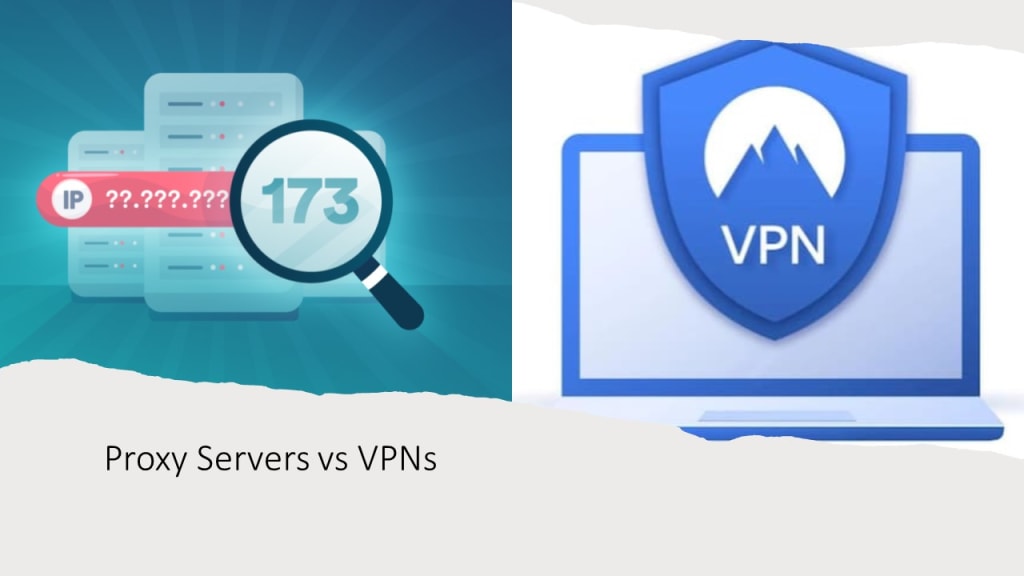
Proxy Servers and VPNs serve as intermediaries between users and the internet, but they differ in several aspects. In this article, we will explore the key differences between proxy servers and VPNs, shedding light on their functionalities, use cases, and benefits. By understanding these differences, you can make an informed decision on which option suits your needs best.
Proxy Servers - An Overview
Proxy servers act as intermediaries between users and the internet. When you access a website through a proxy server, your request is first sent to the proxy server, which then forwards it to the destination website. The website's response is then sent back to the proxy server, which relays it to you. In this process, the website sees the proxy server as the user, shielding your identity and location.
How Proxy Servers Work
When you connect to a proxy server, your internet traffic is routed through it before reaching the intended destination. Proxy servers operate at the application level, which means they can handle specific types of traffic, such as web traffic or FTP requests. They can also offer additional features like caching, content filtering, and load balancing.
Types of Proxy Servers
There are different types of proxy servers, each with its own characteristics and use cases. Some common types include:
- HTTP Proxies: These proxies handle web traffic and are often used for accessing websites anonymously.
- SOCKS Proxies: SOCKS (Socket Secure) proxies operate at a lower level than HTTP proxies and can handle various types of traffic, including web browsing, email, and file transfers.
- Reverse Proxies: Reverse proxies are positioned between the internet and web servers, acting as a shield for the servers and enhancing performance and security.
Advantages of Proxy Servers
Proxy servers offer several advantages, including:
- Enhanced Privacy: By masking your IP address, proxy servers help protect your identity and provide a certain level of anonymity.
- Access to Geo-Blocked Content: Proxy servers can allow you to bypass geo-blocked content that may be restricted in your location.
- Improved Performance: Proxy servers can cache and compress data, leading to faster response times and reduced bandwidth usage.
- Content Filtering: Some proxy servers can filter and block certain types of content, providing an additional layer of security.
VPNs - An Overview
A Virtual Private Network (VPN) is a secure tunnel between your device and the internet. When you connect to a VPN, your internet traffic is encrypted and routed through a VPN server located in a different geographical location. This process helps protect your data from eavesdroppers and masks your IP address.
How VPNs Work
VPNs operate at the system level, encrypting all internet traffic originating from your device. The encrypted traffic is sent to a VPN server, which decrypts it and forwards it to the intended destination. As a result, your online activities remain private and secure, and your IP address is hidden.
Types of VPN Protocols
VPNs use different protocols to establish secure connections. Some commonly used VPN protocols include:
- OpenVPN: OpenVPN is an open-source protocol known for its strong security and versatility.
- IPSec: IPSec (Internet Protocol Security) is a widely used protocol that offers excellent security and can be used in combination with other protocols.
- WireGuard: WireGuard is a newer VPN protocol known for its speed and simplicity.
Advantages of VPNs
VPNs provide numerous advantages, including:
- Enhanced Security: VPNs encrypt your internet traffic, protecting it from hackers, ISPs, and other potential threats.
- Anonymity and Privacy: By masking your IP address, VPNs ensure your online activities remain private and anonymous.
- Access to Restricted Content: VPNs allow you to bypass censorship and access geo-restricted content by connecting to servers in different locations.
- Secure Remote Access: VPNs enable secure access to company networks, allowing remote employees to work safely from anywhere.
Proxy Servers vs. VPNs: Key Differences
While proxy servers and VPNs share similarities, they differ in critical aspects:
- Encryption: VPNs encrypt all your internet traffic, whereas proxy servers do not provide encryption by default.
- Security: VPNs offer robust security measures, protecting your data from potential threats. Proxy servers offer limited security features.
- Anonymity: VPNs provide higher levels of anonymity by hiding your IP address and encrypting your traffic. Proxy servers only hide your IP address.
- Traffic Handling: Proxy servers handle specific types of traffic, while VPNs encrypt and handle all internet traffic from your device.
Conclusion
In conclusion, proxy servers and VPNs serve as valuable tools for enhancing online privacy, security, and access to content. Proxy servers act as intermediaries between users and the internet, providing anonymity and certain filtering capabilities. VPNs, on the other hand, offer robust encryption, secure connections, and broader protection for all internet traffic. By understanding the differences between these two solutions, you can choose the option that best aligns with your specific needs and requirements.
About the Creator
Riha Mervana
Riha Mervana is a professional content writer, with extensive experience crafting engaging and informative content.
Enjoyed the story? Support the Creator.
Subscribe for free to receive all their stories in your feed.
Comments