
What Are Good Woodworking Projects? Discover Fun and Rewarding Ideas for Every Skill Level
"Explore the Best Woodworking Projects: Creative Ideas for Every Skill Level"
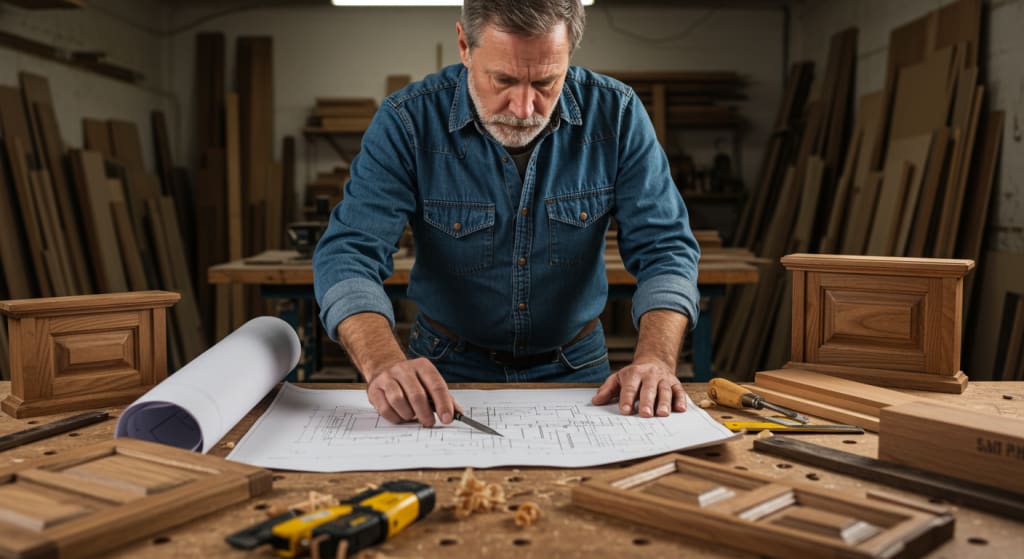
When it comes to woodworking, the type of wood you choose can make all the difference in your project. Whether you’re building furniture, crafting small decorative items, or tackling a large DIY project, selecting the right wood is crucial for both the look and durability of your creation. But with so many options out there, how do you know which one to pick?
In this guide, we’ll break down the most common types of wood used in woodworking, their characteristics, and the best projects for each. By the end, you’ll have a better understanding of which wood is right for your next masterpiece.
50 Free "made for you" plans. Click on the link and download your plans free.
Why Wood Selection Matters
Choosing the right wood isn’t just about aesthetics—it’s about functionality, too. Different types of wood have unique properties that affect how they look, feel, and perform. Some woods are soft and easy to work with, making them ideal for beginners, while others are hard and durable, perfect for furniture or outdoor projects. Here are a few factors to consider when selecting wood:
- Hardness: Determines how easy the wood is to cut, sand, and shape.
- Grain Pattern: Affects the wood’s appearance and how it behaves during cutting.
- Durability: Important for projects that need to withstand wear and tear.
- Cost: Some woods are more affordable, while others are considered premium.
- Sustainability: Eco-friendly options are becoming increasingly popular.
Softwoods: Affordable and Easy to Work With
Softwoods come from coniferous trees (like pine, cedar, and fir) and are generally lighter, easier to cut, and more affordable than hardwoods. They’re great for beginners and are often used for construction, outdoor projects, and decorative items.
1. Pine
- Characteristics: Light color, straight grain, and easy to work with.
- Best For: Furniture, shelving, and beginner projects.
- Pros: Affordable, readily available, and takes stain well.
- Cons: Soft, so it dents and scratches easily.
2. Cedar
Characteristics: Reddish-brown color, aromatic, and naturally resistant to rot and insects.
- Best For: Outdoor furniture, decks, and closets.
- Pros: Durable and weather-resistant.
- Cons: More expensive than other softwoods.
3. Fir (Douglas Fir)
- Characteristics: Light brown color, straight grain, and strong.
- Best For: Structural projects like beams and framing.
- Pros: Strong and affordable.
- Cons: Not as visually appealing for fine furniture.
50 Free "made for you" plans. Click on the link and download your plans free.
Hardwoods: Durable and Beautiful
Hardwoods come from deciduous trees (like oak, maple, and walnut) and are known for their strength, durability, and beautiful grain patterns. They’re often used for furniture, cabinetry, and high-end projects.
1. Oak
Characteristics: Light to medium brown color, prominent grain, and very strong.
Best For: Furniture, flooring, and cabinetry.
Pros: Durable and timeless.
Cons: Heavy and can be difficult to work with.
2. Maple
- Characteristics: Light color, fine grain, and hard.
- Best For: Cutting boards, countertops, and furniture.
- Pros: Durable and takes stain well.
- Cons: Can be expensive and challenging to cut.
3. Walnut
Characteristics: Rich, dark brown color, straight grain, and luxurious.
- Best For: High-end furniture, decorative items, and accents.
- Pros: Beautiful and durable.
- Cons: Expensive and can be hard to find.
4. Cherry
- Characteristics: Reddish-brown color that darkens over time, smooth grain.
- Best For: Furniture, cabinets, and decorative boxes.
- Pros: Ages beautifully and easy to work with.
- Cons: Expensive and soft compared to other hardwoods.
Exotic Woods: Unique and Eye-Catching
Exotic woods come from trees outside North America and are prized for their unique colors, patterns, and rarity. They’re often used for high-end projects or decorative accents.
1. Mahogany
Characteristics: Reddish-brown color, straight grain, and easy to work with.
Best For: Furniture, boats, and musical instruments.
Pros: Durable and beautiful.
Cons: Expensive and not always sustainably sourced.
2. Teak
Characteristics: Golden-brown color, oily texture, and highly durable.
Best For: Outdoor furniture and boat decks.
Pros: Weather-resistant and long-lasting.
Cons: Expensive and hard to cut.
3. Purpleheart
Characteristics: Vibrant purple color, dense, and hard.
Best For: Decorative accents and small projects.
Pros: Striking appearance.
Cons: Expensive and difficult to work with.
Plywood and Engineered Wood: Practical Alternatives
If solid wood isn’t in your budget or isn’t suitable for your project, consider plywood or engineered wood. These materials are made by layering or binding wood fibers together, offering strength and stability at a lower cost.
1. Plywood
- Characteristics: Made from thin layers of wood glued together.
- Best For: Cabinets, shelving, and structural projects.
- Pros: Affordable, stable, and versatile.
- Cons: Not as visually appealing as solid wood.
2. MDF (Medium-Density Fiberboard)
- Characteristics: Made from compressed wood fibers.
- Best For: Painted furniture and decorative projects.
- Pros: Smooth surface and affordable.
- Cons: Heavy and not as durable as solid wood.
3. Particleboard
Characteristics: Made from wood chips and resin.
- Best For: Budget-friendly furniture and shelving.
- Pros: Inexpensive and lightweight.
- Cons: Not very durable or moisture-resistant.
How to Choose the Right Wood for Your Project
Here are a few tips to help you select the perfect wood:
1. Consider the Project: Is it indoor or outdoor? Functional or decorative?
2. Think About Durability: Hardwoods are better for high-traffic areas, while softwoods are great for decorative pieces.
3. Check Your Budget: Exotic woods are beautiful but can be pricey. Softwoods and plywood are more affordable options.
4. Look at the Grain: Do you want a bold, prominent grain or something more subtle?
5. Test the Wood: If possible, handle the wood to see how it feels and looks in person.
50 Free "made for you" plans. Click on the link and download your plans free.
Conclusion: Find the Perfect Wood for Your Next Project
Choosing the right wood is one of the most important steps in any woodworking project. Whether you’re building a rustic pine shelf, a sleek walnut table, or a durable cedar planter, the type of wood you use will impact the look, feel, and longevity of your creation.
So, take your time, explore your options, and don’t be afraid to experiment with different types of wood. With the right material in hand, you’ll be well on your way to creating something truly special. Happy woodworking!
About the Creator
juliano lucas da silva
Read the best articles on earth
Enjoyed the story? Support the Creator.
Subscribe for free to receive all their stories in your feed.
Comments
There are no comments for this story
Be the first to respond and start the conversation.