
Web Design Principles: The Foundation of Effective Websites
Web Design Principles: Building the Foundation

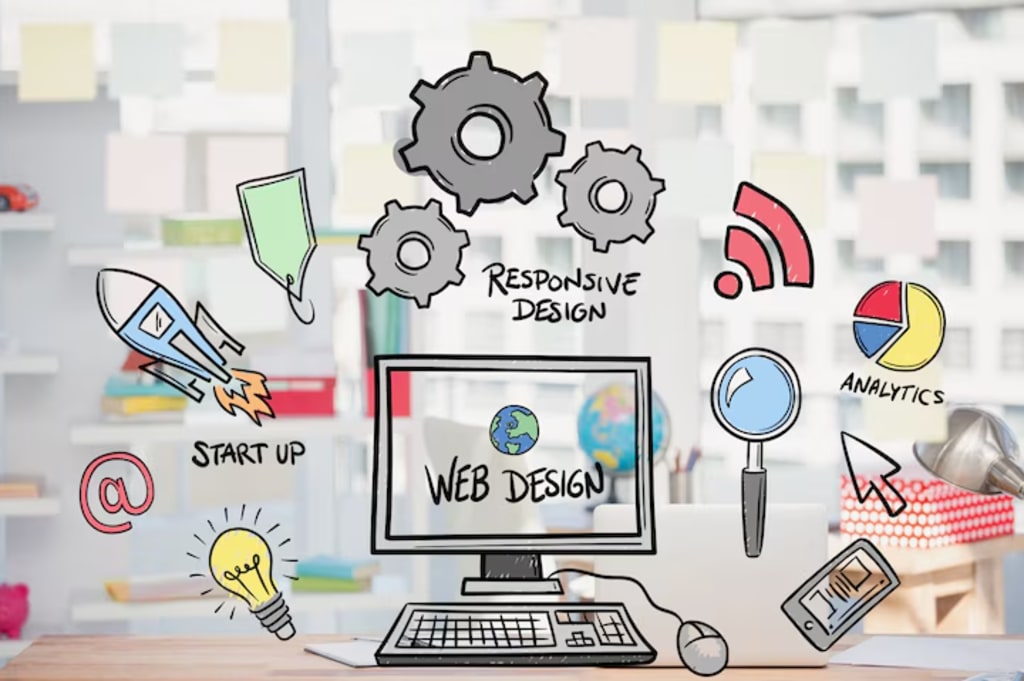
Effective web design is built upon key principles that ensure the site is both functional and visually appealing. These principles serve as the guiding beacons for creating websites that engage users and convey the intended message seamlessly. Let's delve into some of these foundational principles that are vital for any successful web design.
Usability in Web Design Principles
Usability is one of the core elements of web design that focuses on making websites easy to use. This principle revolves around creating an intuitive user interface, ensuring that all functionalities are accessible, and the user experience is smooth. Good usability is characterized by clear navigation, concise and effective text, and a logical layout that guides the user effortlessly through the web pages.
Key aspects include:
Navigation: Ensure that the site’s menu and links are logically structured and easy to follow.
Accessibility: Make the site accessible for individuals with disabilities by leveraging alt texts, keyboard navigation, and screen-reader compatibility.
Consistency: Maintain consistent design across all web pages for a cohesive user experience.
Feedback: Provide users with immediate feedback when they interact with the website, such as form submissions and hover effects.
Web Design Best Practices: The Essentials
Adhering to established best practices in web design helps deliver a superior user experience. These best practices act as a roadmap, ensuring that designers focus on crucial aspects that enhance the site's overall effectiveness.
Some of the essential web design best practices include:
Mobile-first Design: Given the prevalence of mobile browsing, designing for mobile first ensures that your site is responsive and functions well on smaller screens.
Fast Loading Times: Optimize images, use efficient code, and leverage caching techniques to reduce page load times.
Scalable Vector Graphics (SVGs): Use scalable vector graphics for images to ensure they remain crisp and clear, regardless of screen size.
SEO-friendly Code: Incorporate SEO best practices into the design to improve the site's search engine ranking, such as using appropriate meta tags and structured data.
Visual Appeal: Crafting Aesthetically Pleasing Websites
Visual appeal is vital in capturing the user's attention and retaining interest. It involves the strategic use of color schemes, typography, and imagery to create a visually stunning and coherent design. Good visual appeal enhances the user experience and conveys a sense of professionalism and trust. Important elements include:
Color Theory: Utilize complementary colors to create harmony and ensure readability with sufficient contrast.
Typography: Choose legible fonts that reflect the brand's personality and ensure consistency across the website.
White Space: Effectively use white space to avoid clutter and allow content to breathe.
Imagery: Incorporate high-quality images and graphics that are relevant to the content and resonate with the target audience.
Responsive Design Tips: Ensuring Seamless User Experience
Responsive design is crucial in today’s multi-device world, ensuring that a website functions well on various screen sizes and devices. By adhering to responsive design principles, designers can create a seamless user experience. Here are some tips to achieve a responsive design:
Flexible Grid Layouts: Use a flexible grid layout to adapt the website's structure to different screen sizes.
Media Queries: Implement media queries in CSS to apply different styling rules based on the device's characteristics.
Fluid Images: Make images responsive by setting their width to 100% within their containing elements.
Breakpoints: Strategically place breakpoints to adjust content and layout at various screen widths for optimal viewing.
Information Architecture: Organizing Content Effectively
Information architecture involves organizing and structuring content so that users can easily find information and navigate the site. A well-planned information architecture supports usability and enhances user experience by making content predictable and easily accessible. Key aspects include:
Content Hierarchy: Establish a clear content hierarchy that prioritizes important information and guides users through the site.
Labeling Systems: Use clear and concise labels for menus and navigation to enhance understandability.
Search Functionality: Integrate an effective search function that enables users to quickly find specific content.
Content Grouping: Group related content together to create a logical structure that users can follow intuitively.
Consistency and Standards: Maintaining Uniformity
Consistency and adherence to web standards are critical in web design. A consistent design reinforces brand identity and improves usability, while standards compliance ensures accessibility and cross-browser compatibility. Consider the following:
Design Consistency: Maintain consistent styles, colors, and typography across all web pages.
UI Components: Use a standardized set of UI components to provide a uniform user experience.
Web Standards: Follow web standards and best practices to ensure that the website is accessible, performant, and functional across different browsers and devices.
Style Guides: Develop and follow a comprehensive style guide to maintain a consistent design approach.
Call to Action: Engaging and Guiding Users
Effective calls to action (CTAs) are essential in guiding users towards desired actions, such as signing up, purchasing, or contacting. A well-crafted CTA increases user engagement and drives conversions. Important considerations for CTAs include:
Clarity: Use clear and concise language that leaves no ambiguity about the desired action.
Visibility: Ensure CTAs are prominently placed and stand out visually.
Relevance: Align CTAs with the user’s interests and the content they are interacting with.
Action-oriented Language: Use action-oriented words that prompt users to take immediate action.
About the Creator
BainsWebDev
BainsWebDev is your trusted partner for Software IT Outsourcing and Helpdesk support solutions. With 15+ years of experience, our professional team aims to elevate the online presence of your business.
Enjoyed the story? Support the Creator.
Subscribe for free to receive all their stories in your feed.
Comments
There are no comments for this story
Be the first to respond and start the conversation.