
Ways to Stop Masturbation
A Holistic Approach to Managing Urges
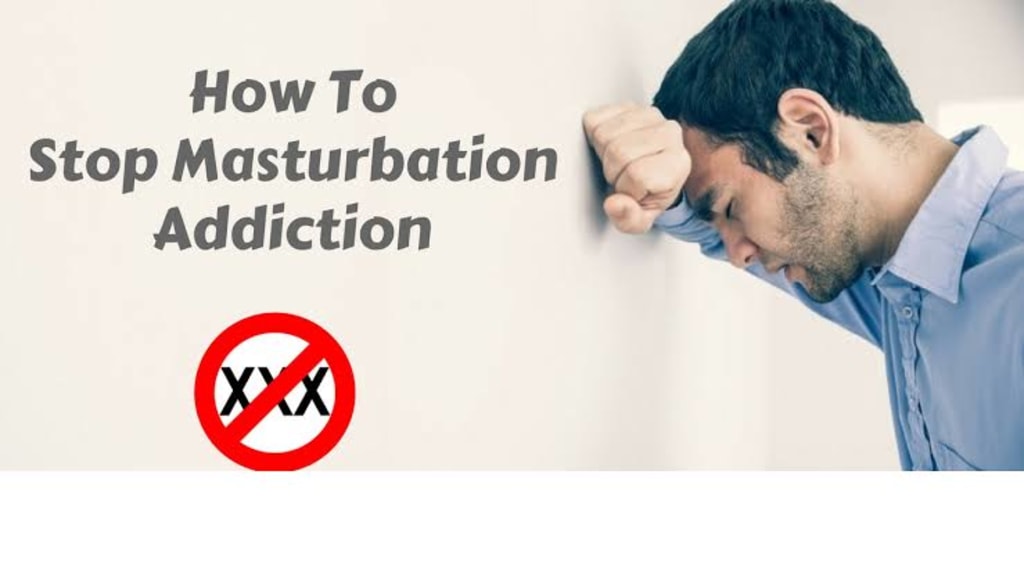
Masturbation is a natural act that many people experience at various points in their lives. For most, it’s a harmless part of self-exploration. However, some individuals may feel the need to cut back or stop due to personal, cultural, or religious beliefs, or if it begins to interfere with daily life or relationships. If you're someone who feels the desire to reduce or stop masturbating, it's essential to approach this process with understanding and compassion towards yourself. This article outlines practical strategies that can help.
1. Understanding the Underlying Triggers
The first step in managing any habit is to understand the underlying reasons or triggers. Masturbation, like many habits, can be a response to emotions such as stress, boredom, loneliness, or anxiety. Identifying these triggers is essential to finding healthy alternatives. Keeping a journal of what you’re feeling before the urge arises can provide insight into your emotional state and help you address the root cause rather than just the symptom.
2. Build a Supportive Environment
Your environment can play a significant role in encouraging or discouraging behaviors. By creating an environment that supports your decision to reduce or stop masturbating, you can make the process easier. This might include:
Reducing alone time in private spaces: Spend more time in communal areas where the urge may be less prominent.
Limiting access to triggers: If pornography or erotic material is a trigger, consider installing blocking apps on your devices or limiting exposure to content that can prompt sexual thoughts.
Engaging in meaningful activities: Boredom is often a major trigger for many habits. Fill your time with hobbies, social activities, or productive tasks that keep your mind and body engaged.
3. Replace the Habit with Healthy Alternatives
When breaking a habit, replacing it with healthier alternatives can be a productive strategy. Here are a few examples:
Physical exercise: Physical activity, such as running, swimming, or going to the gym, can help burn off excess energy and reduce stress, which often triggers masturbation.
Creative outlets: Engaging in activities like painting, writing, or playing a musical instrument can shift your focus and provide a constructive way to channel energy.
Mindfulness and relaxation techniques: Meditation, deep breathing exercises, or yoga can help reduce stress and provide greater control over your impulses. These techniques can also increase self-awareness and improve emotional regulation.
4. Practice Self-Discipline and Patience
Breaking a habit, particularly one linked to natural urges, requires time and discipline. Set small, achievable goals rather than attempting to stop all at once. For instance, you could start by reducing the frequency of the behavior and gradually lengthen the time between episodes.
Additionally, practice self-compassion. It’s normal to have setbacks when trying to break a habit. If you slip up, avoid harsh self-criticism. Instead, acknowledge the mistake and refocus on your goal. Patience is key, as real progress comes from consistency over time.
5. Seek Accountability and Support
Having someone to talk to about your goals can make a big difference in your progress. Whether it’s a close friend, a family member, or a therapist, accountability can help you stay focused on your intentions. If you are uncomfortable talking to someone you know, there are online communities and support groups that can offer advice and encouragement in a non-judgmental setting.
If masturbation is linked to emotional or psychological challenges, such as anxiety, depression, or compulsive behavior, professional help from a therapist or counselor can be particularly valuable. A mental health professional can guide you in developing healthier coping strategies.
6. Spiritual and Religious Support
For individuals whose reasons for wanting to stop masturbation are based on religious or spiritual beliefs, seeking guidance from faith leaders or religious communities can provide both support and structure. Many religious traditions offer counseling, guidance, and practices that help individuals develop greater control over their impulses and align their behavior with their beliefs.
Prayer, meditation, and spiritual reflection can offer peace of mind and foster a sense of purpose, which can make it easier to focus on long-term goals.
7. Focus on Long-Term Benefits
Staying motivated often comes down to focusing on the benefits of changing your behavior. Over time, you may notice improvements in your self-esteem, emotional regulation, relationships, and productivity. By focusing on the positive changes you experience, it becomes easier to stay on track and committed to your goals.
Conclusion
Stopping or reducing masturbation is a personal decision, and the process requires understanding, self-awareness, and commitment. By identifying triggers, creating a supportive environment, replacing the habit with healthy alternatives, and seeking help when necessary, you can take control of your behavior. Remember, change takes time, so be patient with yourself along the way.
About the Creator
Enjoyed the story? Support the Creator.
Subscribe for free to receive all their stories in your feed.
Comments
There are no comments for this story
Be the first to respond and start the conversation.