
Vertical Ridges on Nails
Understanding Nail Ridges: Causes, Symptoms, and When to Seek Help
Introduction
Nail ridges and other variations can be caused by a wide range of medical problems. The most prevalent and usually benign nail ridges are vertical ones. On the other hand, horizontal ridges frequently indicate a problem below the surface. Nail ridges and other variations can be caused by a wide range of medical problems. The most prevalent and usually benign nail ridges are vertical ones. On the other hand, horizontal ridges frequently indicate a problem below the surface.
Types and Reasons
vertical Lines Brought on by Ageing
Age-related changes to the fingernails and nail beds can occur in addition to skin-related changes. Trusted Source: The nails themselves might potentially
. Grow thinner or thicker
. Lose their rounded appearance
. Split fissures and breaks readily
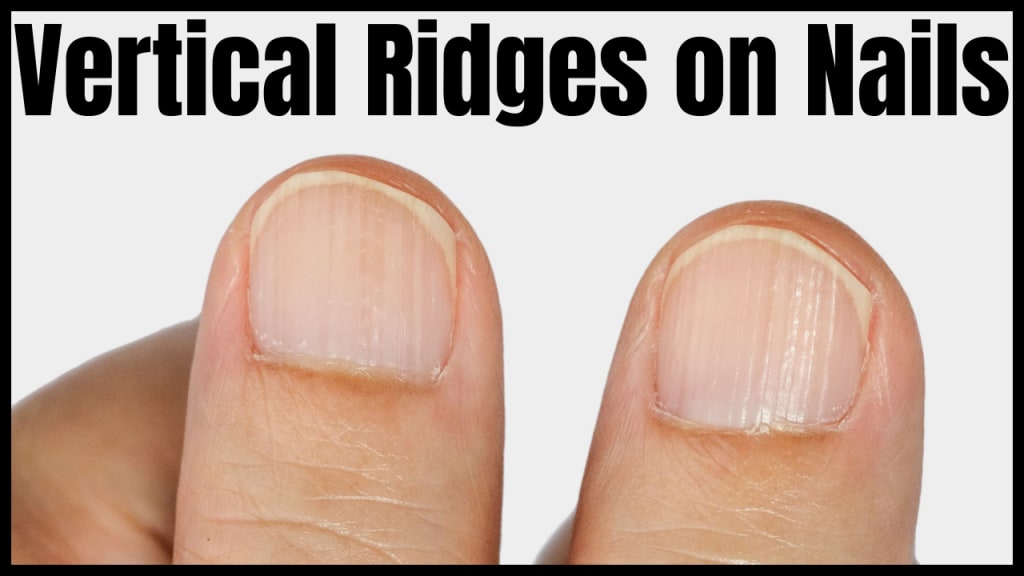
As the nails grow, they may also begin to develop a variety of vertical ridges. Usually not a reason for alarm, these ridges extend from the tip of the finger to the base of the nail.
If symptoms result in pain or an undesirable appearance, visiting a dermatologist could still be helpful.
Certain anemia types can affect the vertical ridges in the nails, which are frequently accompanied by color or texture abnormalities.
Anemia can result in the development of dents and vertical ridges in the nail.
A microscopic blood clot known as a splinter hemorrhage can cause a vertical discolouration under the nail. The person should think about visiting a dermatologist if they are unsure of what triggered the hemorrhage's bleeding.
Vertical ridges in the nail can also be a symptom of the following medical conditions:
. Peripheral vascular disease
. Trachyonychia
. Rheumatoid arthritis
Ridges may indicate various medical conditions if they coexist with other symptoms, such as brittle or rough nails that are not related to aging.
Horizontal Nail Ridges
Nail ridges that cross a fingernail horizontally are called Beau's lines. These ridges can run the entire length of the nail, and they are frequently deep.
Horizontal ridges frequently indicate a problem that has to be diagnosed and treated. Sometimes, until the illness is addressed, the nails may stop growing.
Beau's lines could indicate:
. Diabetes
. Thyroid conditions
. The telogen effluvium
. Raynaud's syndrome
. Severe renal illness
Beau's lines can also develop in individuals who have received chemotherapy. Individuals who have experienced syphilis or the mumps may also develop horizontal ridges in their toenails and fingernails.
Additional Reasons and Signs
Skin Ailments
Psoriasis patients frequently have issues with their fingernails and nail bed.
Acne can also result in nail ridges and discoloration in addition to other skin signs.
Gastrointestinal issues
Digestive diseases that impair food absorption may also have an impact on nails.
Disorders like ulcerative colitis, Crohn's disease, and celiac disease can all interfere with the body's ability to absorb nutrients from meals.
The skin and nails could suffer if the body isn't able to produce new cells with the right building blocks.
Injury
Accidents like dropping a book on a fingernail can result in bruises beneath the nail and momentarily alter its shape.
Reddish-brown patches under the nail may appear as a result of bruising; they will eventually disappear as the cells repair and the nail grows out.
Discoloration could indicate a more serious condition if it appears without any accidents or injuries. Subcutaneous red, purple, or brown patches under the nails may indicate dangerous diseases including endocarditis or melanoma.
Identification
Any time nail ridges develop out of the blue or in conjunction with other symptoms, they should be checked up by a physician right once.
Nail injuries usually don't need to be treated. However, one should visit a doctor right away if there is significant nail damage.
The patient will be asked questions about how the injury occurred and how long they have been experiencing symptoms throughout the diagnosis. They could also inquire about the patient's medical history and any further symptoms from reliable sources.
Doctors frequently order extra tests and request blood or urine samples if they feel an underlying illness is producing fingernail ridges or other symptoms.
Treatment
Fingernail ridges are frequently indicative of underlying medical issues. The goal of treatment is usually to address the underlying issue that is causing the nail ridges to develop.
For example, if a skin condition like eczema is generating ridges in the fingernails, the dermatologist will try to prescribe topical therapies to lessen the symptoms of eczema.
By doing this, the cells that govern the growth of fingernails might be repaired, aiding in the disappearance of the ridges.
Avoidance
There is no known method to stop the formation of fingernail ridges, and not everyone will get them as they age.
Consuming a diverse and nutritious diet could be a beneficial first step in giving the body the energy it needs to produce strong, healthy nails and prevent
conclusion
Fingernail ridges that appear as a person ages are harmless. But, in addition to the ridges, anyone who experiences any other symptoms or changes in the nail should see a physician or dermatologist.
Healthcare professionals can assist in identifying and managing any underlying illness that may be causing the fingernail ridges, such as diabetes, thyroid disease, rheumatoid arthritis, or peripheral vascular disease.
About the Creator
Enjoyed the story? Support the Creator.
Subscribe for free to receive all their stories in your feed.
Comments
There are no comments for this story
Be the first to respond and start the conversation.